Omika international — Verified Supplier
About Omika international - Sports Equipment and Apparel Supplier in Pakistan
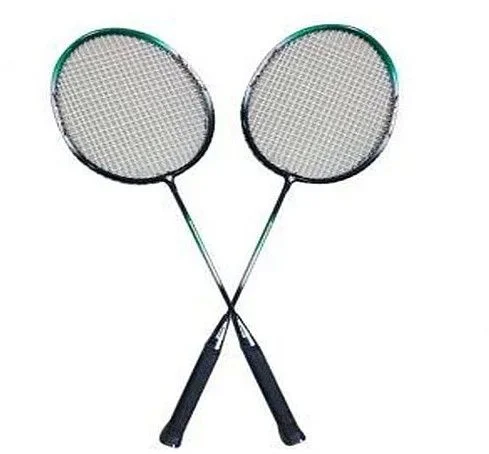
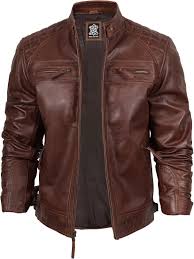
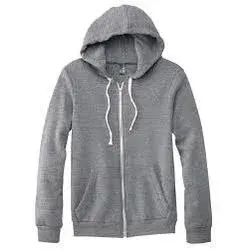
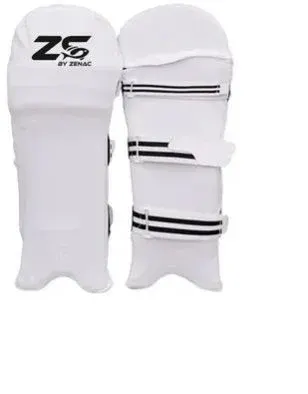
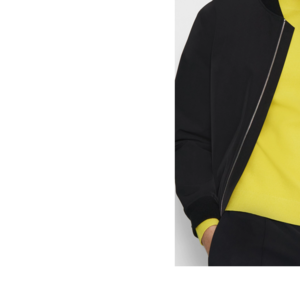
Punjab, Pakistan hosts Omika international, which currently lists nine distinct products across sports‑related apparel and equipment. The catalogue includes Boxing Gloves (HS 9506.59), Shin pads (HS 9506.99), Tracksuits (HS 6112.12), Hoodies (HS 6110.20.20), T‑shirts (HS 6109.10), Leather Jackets (HS 4203.10), Leather Motorbike suits (HS 4203.29), Championship Belts (HS 8301.60) and Padel Rackets (HS 9506.59). Each entry is identified by a specific HS‑code that groups the item within internationally recognised tariff chapters for sports goods, textiles and leather articles.
The listed items cover three HS chapters: Chapter 95 for sports equipment, Chapter 61 for knitted or crocheted textile garments, Chapter 62 for woven apparel, Chapter 42 for leather goods and Chapter 83 for metal articles. Materials range from PU‑leather and multi‑density foam in gloves, HDPE shells in shin pads, polyester‑cotton blends in tracksuits, to genuine cowhide in motorbike suits and zinc‑alloy metal in championship belts. The product set therefore spans both performance‑oriented sports gear and casual athletic wear, providing a clear picture of the supplier’s focus within the Pakistani sports‑goods sector.
Product Range and Specialties of Omika international
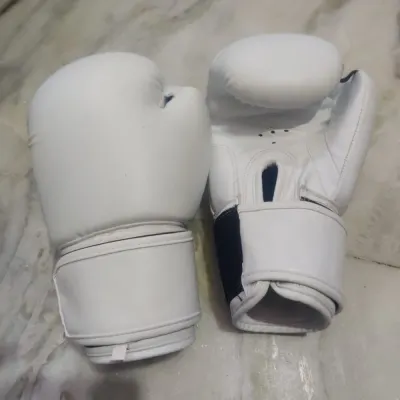
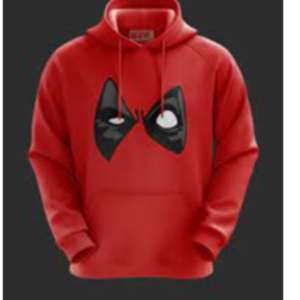
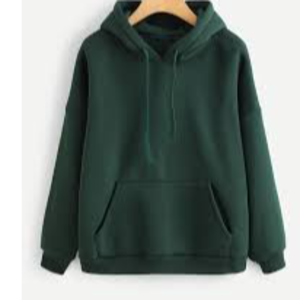
The catalogue shows Omika international offering Boxing Gloves with a PU‑leather outer shell, multi‑density foam padding and polyester lining, a construction that aligns with the EN 16139 standard for protective boxing equipment. Shin pads feature a high‑density polyethylene shell coupled with EVA foam, a common configuration that meets impact‑absorption requirements in many federations. Tracksuits and hoodies are produced from polyester/cotton blends (65 % polyester/35 % cotton for tracksuits; 80 % cotton/20 % polyester fleece for hoodies), typical GSM values range from 180 to 220 for tracksuits and 260 to 300 for fleece hoodies. T‑shirts are listed as 100 % cotton or cotton‑polyester blends, usually supplied in 150‑180 gsm fabric. Leather Jackets and Motorbike suits use genuine cowhide/lambskin, with motorbike suit leather thickness specified between 1.2 mm and 1.4 mm, matching industry expectations for durability. Championship Belts are fabricated from zinc‑alloy with chrome or gold plating, an alternative material being solid brass, both common in combat‑sport award items. Padel Rackets employ carbon‑fiber or fiberglass composites with an EVA foam core, matching the weight class (260‑280 g) typical for professional‑grade rackets.
Trade and Export Information - Omika international
Pakistan’s sports‑apparel and equipment sector primarily ships to the EU, United States, Middle East and South‑Asian markets, where buyers often request CE conformity for protective gear and Oeko‑Tex or ISO 9001 certifications for textile items. HS 9506 products such as gloves, shin pads and padel rackets are subject to customs inspections that verify material safety data sheets (MSDS) and, where applicable, compliance with the International Standards for Sports Equipment (ISO 13968). HS 6110/6112 garments are frequently inspected for fibre content declarations, colourfastness and shrinkage percentages, with buyers often requiring lab‑tested GSM and seam strength reports. Leather articles under HS 4203 are commonly accompanied by leather‑grade certificates (e.g., LA 900) and REACH compliance statements. Metal belts (HS 8301) may need metal‑purity analysis and anti‑corrosion coating certificates. Standard export packaging includes double‑wall cartons for apparel, reinforced wooden crates for leather suits and metal belts, and 40‑ft containers that can hold up to 22 tons of mixed sports goods. Incoterms such as FOB Karachi or CIF Dubai are typical for shipments from Punjab ports.
Sourcing from Omika international - Buyer Guidance
When sourcing from Omika international, buyers should request detailed product specifications: glove weight (oz), foam density, PU‑leather thickness; shin pad impact‑absorption test results; fabric GSM, fibre composition and colourfastness for garments; leather thickness and source certification for jackets and motorbike suits; metal alloy composition and plating thickness for championship belts; racket weight and balance point. Sample requests should include a material safety data sheet and, where relevant, CE test reports for protective equipment. Verify that the supplier can provide ISO 9001 or equivalent quality‑management documentation, as well as any REACH or Oeko‑Tex certificates that align with the buyer’s market requirements. Confirm packaging dimensions, container load plans and lead times - typical production cycles range from 30 days for simple T‑shirts to 60‑90 days for custom‑cut leather motorbike suits.
Frequently Asked Questions About Omika international
What product categories does Omika international list in its catalogue?
The supplier lists Boxing Gloves, Shin pads, Tracksuits, Hoodies, T‑shirts, Leather Jackets, Leather Motorbike suits, Championship Belts and Padel Rackets, each identified with a specific HS code.
Which HS codes are associated with the listed products?
Boxing Gloves and Padel Rackets use HS 9506.59, Shin pads HS 9506.99, Tracksuits HS 6112.12, Hoodies HS 6110.20.20, T‑shirts HS 6109.10, Leather Jackets HS 4203.10, Leather Motorbike suits HS 4203.29 and Championship Belts HS 8301.60.
What materials are used for the Boxing Gloves?
The gloves combine a PU‑leather outer shell, multi‑density foam padding and a polyester lining, a construction that meets common protective‑gear standards.
Are certifications like CE or ISO required for these items?
CE conformity is typically required for protective equipment such as gloves and shin pads, while ISO 9001 or Oeko‑Tex certificates are standard for textile garments; the supplier’s catalogue does not list specific certifications, so buyers should request them.
What are the typical minimum order quantities (MOQ) and lead times?
MOQs vary by product: simple T‑shirts may start at 500 pieces, while custom leather motorbike suits often require a MOQ of 50 units. Lead times range from about 30 days for basic apparel to 60‑90 days for leather or composite items.
How are the products packaged for export?
Apparel items are packed in double‑wall cartons, leather suits and belts are placed in reinforced wooden crates, and all goods are loaded into 20‑ft or 40‑ft containers depending on volume.
Which markets typically import these types of goods from Pakistan?
The EU, United States, Middle East and South‑Asian countries are the main import destinations for Pakistani sports apparel and equipment, driven by demand for cost‑effective yet compliant products.
What documentation should a buyer request before placing an order?
Buyers should ask for material safety data sheets, CE test reports (for protective gear), ISO 9001 or Oeko‑Tex certificates (for textiles), leather‑grade certificates (for leather goods) and a detailed packing list with HS codes.




 , Pakistan