Oasis Exports And Imports — Verified Supplier

About Oasis Exports And Imports - Spices Powder Supplier in India

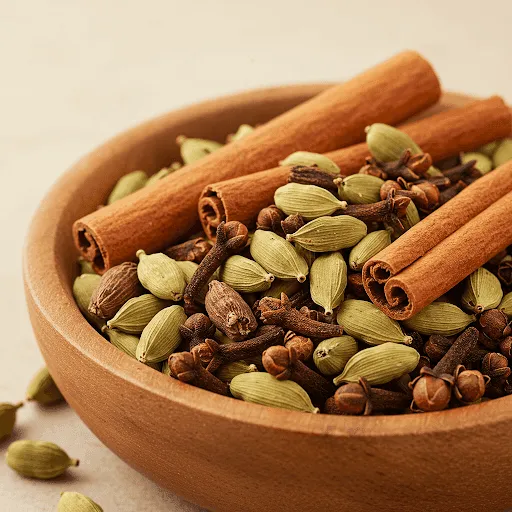
India‑based Oasis Exports And Imports lists eleven distinct products across spice powders, pulses, rice and knitted garments. The catalogue includes Red Chilli, Cumin, Cardamom, Fennel Seeds, Puliyogare Masala, Sambar Masala, Bisi Belebath Masala, Pulses, Rice, as well as Apparel items such as Hoodies and T‑shirts. Each entry aligns with the supplier’s top categories of Spices Powder, Red Chilli, Cumin Seeds, Black Cardamom, Fennel Seeds, Pulses, Rice and Knitted & Woven Garments. The product set reflects both whole and ground spice forms, bulk grain commodities and ready‑to‑wear textile items, all sourced from India.

The listed spices are offered as whole seeds or ground powders, often packaged in 25 kg polypropylene bags or 1 kg retail packs. Pulses and rice are typically supplied in 20 kg polypropylene bags suitable for bulk shipment. Garment items are presented as finished hoodies and T‑shirts, commonly packed in cardboard cartons of 50 units each. No HS‑code details are provided in the source data, but the product mix follows standard export practices for Indian food commodities and textile goods.

Product Range and Specialties of Oasis Exports And Imports

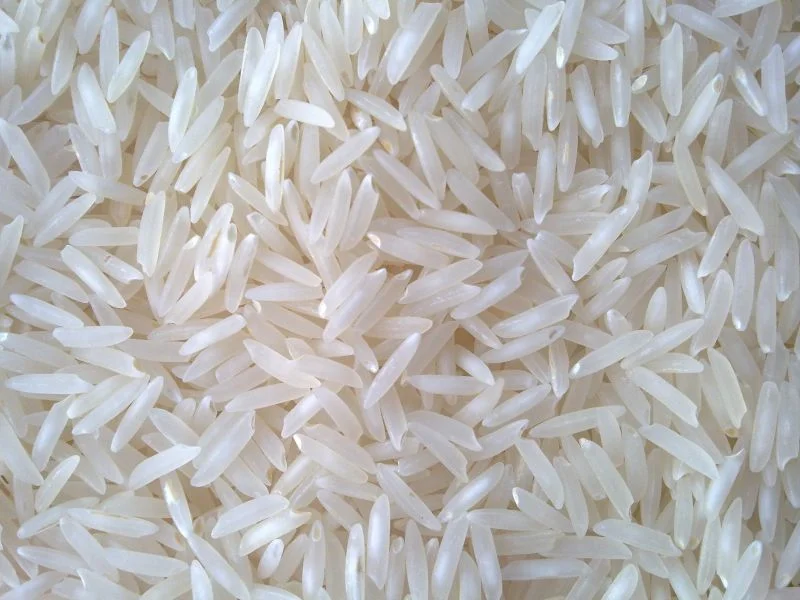
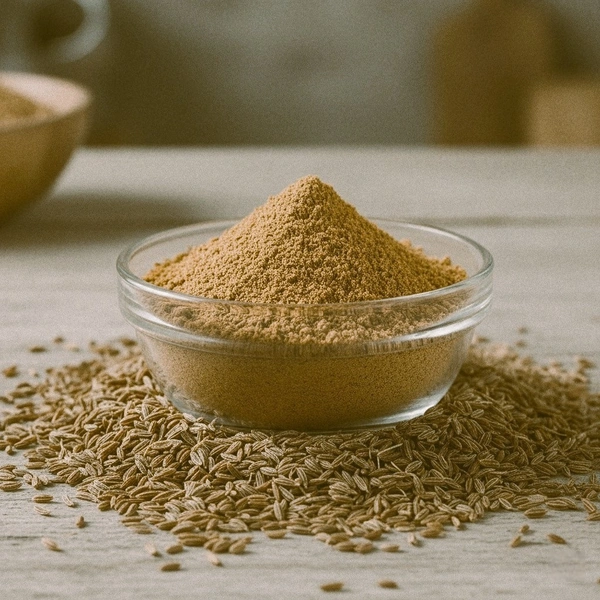
The catalogue covers three core food groups: ground and whole spices (Red Chilli, Cumin, Cardamom, Fennel Seeds, and mixed masala blends), pulses and rice, plus a small apparel line. In the spice segment, buyers usually encounter grades such as SCAR‑5 for Red Chilli with moisture ≤ 12 % and aflatoxin ≤ 10 ppb, or ISO‑9001‑compliant Cumin with oil content ≥ 1 % and foreign matter ≤ 0.5 %. Masala blends like Puliyogare, Sambar and Bisi Belebath are typically standardized to contain 10‑15 % of each constituent spice, with total moisture ≤ 8 % and no added preservatives. Pulses are graded by size, moisture ≤ 13 % and impurity ≤ 1 %, while Indian rice exports often meet the IRRI standard of broken grain ≤ 5 % and moisture ≤ 14 %. The garment items fall within the 6101‑6109 HS range for knitted or crocheted tops, generally made from cotton‑polyester blends of 150‑250 gsm, sewn to standard European sizing.

Trade and Export Information - Oasis Exports And Imports

Indian spice exporters primarily serve the European Union, United States, Middle East and Southeast Asian markets, where HS chapter 09 (0901‑0906) governs customs duties. Pulses and rice fall under HS 0713 and 1006 respectively, with typical importers in Africa, the Gulf Cooperation Council and South Asia. Buyers often request ISO 22000, FSSC 22000 or HACCP certifications for food safety, and SGS or Bureau Veritas audit reports for compliance with EU pesticide residue limits (e.g., maximum 15 mg kg⁻¹ for capsaicin in chilli). Textile shipments use HS 6101‑6109, and importers frequently ask for compliance with OEKO‑Tex Standard 100 or ISO 9001 for garment production. Standard logistics involve 20‑foot or 40‑foot containers, with bulk spices and grains loaded in bulk bags, while apparel is palletized in Euro‑pallet configurations.

Sourcing from Oasis Exports And Imports - Buyer Guidance

When sourcing spices, request a recent Certificate of Analysis covering moisture, ash, pungency (Scoville units for chilli), pesticide residues and aflatoxin levels. For pulses and rice, obtain a moisture test report and a phytosanitary certificate confirming freedom from pests. Garment buyers should verify fabric composition, GSM, stitch count and request an OEKO‑Tex or ISO 9001 compliance statement. Samples are typically shipped in 1 kg sealed bags for spices and a single garment piece for textiles, allowing laboratory verification before full‑scale orders. Confirm that the supplier can provide the required certificates on request and that packaging meets the buyer’s shelf‑life and handling specifications.

Frequently Asked Questions About Oasis Exports And Imports

What spice grades does Oasis Exports And Imports list for Red Chilli?

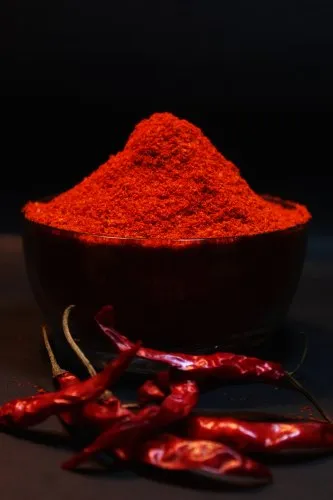
The catalogue mentions Red Chilli as a ground powder; buyers normally verify SCAR‑5 grade, moisture ≤ 12 %, and aflatoxin ≤ 10 ppb via a Certificate of Analysis.

Are the masala blends standardized?

Puliyogare, Sambar and Bisi Belebath Masala are offered as blended powders. Industry practice expects a defined spice ratio (10‑15 % each) and total moisture ≤ 8 % with a laboratory test report.

What packaging is used for pulses and rice?

Both pulses and rice are typically packed in 20 kg polypropylene bulk bags, suitable for container loading and compliance with phytosanitary requirements.

Which certifications are commonly required for Indian spices?

Importers generally request ISO 22000, HACCP or FSSC 22000 food‑safety certificates, plus SGS or Bureau Veritas audit reports for pesticide residue limits.

What fabric specifications apply to the Hoodies and T‑shirts?

The garments fall under HS 6101‑6109 and are usually made from cotton‑polyester blends of 150‑250 gsm, with standard EU sizing and stitched according to ISO 9001 quality guidelines.

How are shipments typically arranged for these products?

Spices, pulses and rice are loaded in 20‑ft or 40‑ft containers using bulk bags, while apparel is palletized on Euro‑pallets and shipped in cartons of 50 units per box. Incoterms such as FOB or CIF are commonly used.

What documentation should a buyer request before placing an order?

A buyer should ask for a recent Certificate of Analysis, phytosanitary certificate for food items, any ISO or HACCP certifications claimed, and for garments, an OEKO‑Tex or ISO 9001 compliance statement.

Is a sample available for quality verification?

Yes, suppliers typically provide 1 kg sealed sample bags for spices and a single garment piece for textiles, enabling laboratory testing and fit assessment before larger orders.


Featured Products from this Supplier

Other Suppliers in Primary Category

Top Trusted Suppliers

Related Products

Trending in Parent Category

More Suppliers in Category

Related Products

Other Suppliers

EximNext
58.4K+ live requirements
Register Free🎁 5 free buy-lead credits
Post Requirement
🌍 Trusted by 224.4K+ businesses in 200+ countries|
58.4K+ active requirements right now
✉️ [email protected]
|
Sell on EximNextPost Requirement
EximNext
AgricultureApparelConstructionElectronicFoodHomeIndustrialMineralsMiscellaneous
🔥 Deals|✨ AI Match|🏭 Suppliers|📋 Buy Leads|💰 Trade Finance|⭐ Upgrade
58.4K+ live RFQs·194.5K+ suppliers
🎁 5 free credits →
EximNext
EximNext
Register Free
🎁 5 free buy-lead credits
Sign In
📋Post Requirement💬Get QuotesAI Match📋RFQ Marketplace
All Categories
Services & Tools
🏭Supplier Directory🔥Today's Deals💰Trade FinanceMembership
Sell on EximNext
AboutContactBlogHelp
🏭

Oasis Exports And Imports

Harbor
Country flag , India
🛡️
55/100
Trust Score

Oasis Exports And Imports Product Catalog

Showing 11 of 11 products
View all products →
Rice
Harbor
Rice
Contact
MOQ: 1 Unit
Puliyogare Masala
Harbor
Puliyogare Masala
Contact
MOQ: 1 Unit
Sambar Masala
Harbor
Sambar Masala
Contact
MOQ: 1 Unit
Bisi Belebath Masala
Harbor
Bisi Belebath Masala
Contact
MOQ: 1 Unit
Hoodies, Tshirts
Harbor
Hoodies, Tshirts
Contact
MOQ: 1 Unit
Red Chilli
Harbor
Red Chilli
Contact
MOQ: 1 Unit
Apparel
Harbor
Apparel
Contact
MOQ: 1 Unit
Cumin
Harbor
Cumin
Contact
MOQ: 1 Unit
Cardamom
Harbor
Cardamom
Contact
MOQ: 1 Unit
Fennel Seeds
Harbor
Fennel Seeds
Contact
MOQ: 1 Unit
Pulses
Harbor
Pulses
Contact
MOQ: 1 Unit

About Oasis Exports And Imports - Spices Powder Supplier in India

India‑based Oasis Exports And Imports lists eleven distinct products across spice powders, pulses, rice and knitted garments. The catalogue includes Red Chilli, Cumin, Cardamom, Fennel Seeds, Puliyogare Masala, Sambar Masala, Bisi Belebath Masala, Pulses, Rice, as well as Apparel items such as Hoodies and T‑shirts. Each entry aligns with the supplier’s top categories of Spices Powder, Red Chilli, Cumin Seeds, Black Cardamom, Fennel Seeds, Pulses, Rice and Knitted & Woven Garments. The product set reflects both whole and ground spice forms, bulk grain commodities and ready‑to‑wear textile items, all sourced from India.

The listed spices are offered as whole seeds or ground powders, often packaged in 25 kg polypropylene bags or 1 kg retail packs. Pulses and rice are typically supplied in 20 kg polypropylene bags suitable for bulk shipment. Garment items are presented as finished hoodies and T‑shirts, commonly packed in cardboard cartons of 50 units each. No HS‑code details are provided in the source data, but the product mix follows standard export practices for Indian food commodities and textile goods.

Product Range and Specialties of Oasis Exports And Imports

The catalogue covers three core food groups: ground and whole spices (Red Chilli, Cumin, Cardamom, Fennel Seeds, and mixed masala blends), pulses and rice, plus a small apparel line. In the spice segment, buyers usually encounter grades such as SCAR‑5 for Red Chilli with moisture ≤ 12 % and aflatoxin ≤ 10 ppb, or ISO‑9001‑compliant Cumin with oil content ≥ 1 % and foreign matter ≤ 0.5 %. Masala blends like Puliyogare, Sambar and Bisi Belebath are typically standardized to contain 10‑15 % of each constituent spice, with total moisture ≤ 8 % and no added preservatives. Pulses are graded by size, moisture ≤ 13 % and impurity ≤ 1 %, while Indian rice exports often meet the IRRI standard of broken grain ≤ 5 % and moisture ≤ 14 %. The garment items fall within the 6101‑6109 HS range for knitted or crocheted tops, generally made from cotton‑polyester blends of 150‑250 gsm, sewn to standard European sizing.

Trade and Export Information - Oasis Exports And Imports

Indian spice exporters primarily serve the European Union, United States, Middle East and Southeast Asian markets, where HS chapter 09 (0901‑0906) governs customs duties. Pulses and rice fall under HS 0713 and 1006 respectively, with typical importers in Africa, the Gulf Cooperation Council and South Asia. Buyers often request ISO 22000, FSSC 22000 or HACCP certifications for food safety, and SGS or Bureau Veritas audit reports for compliance with EU pesticide residue limits (e.g., maximum 15 mg kg⁻¹ for capsaicin in chilli). Textile shipments use HS 6101‑6109, and importers frequently ask for compliance with OEKO‑Tex Standard 100 or ISO 9001 for garment production. Standard logistics involve 20‑foot or 40‑foot containers, with bulk spices and grains loaded in bulk bags, while apparel is palletized in Euro‑pallet configurations.

Sourcing from Oasis Exports And Imports - Buyer Guidance

When sourcing spices, request a recent Certificate of Analysis covering moisture, ash, pungency (Scoville units for chilli), pesticide residues and aflatoxin levels. For pulses and rice, obtain a moisture test report and a phytosanitary certificate confirming freedom from pests. Garment buyers should verify fabric composition, GSM, stitch count and request an OEKO‑Tex or ISO 9001 compliance statement. Samples are typically shipped in 1 kg sealed bags for spices and a single garment piece for textiles, allowing laboratory verification before full‑scale orders. Confirm that the supplier can provide the required certificates on request and that packaging meets the buyer’s shelf‑life and handling specifications.

Frequently Asked Questions About Oasis Exports And Imports

What spice grades does Oasis Exports And Imports list for Red Chilli?

The catalogue mentions Red Chilli as a ground powder; buyers normally verify SCAR‑5 grade, moisture ≤ 12 %, and aflatoxin ≤ 10 ppb via a Certificate of Analysis.

Are the masala blends standardized?

Puliyogare, Sambar and Bisi Belebath Masala are offered as blended powders. Industry practice expects a defined spice ratio (10‑15 % each) and total moisture ≤ 8 % with a laboratory test report.

What packaging is used for pulses and rice?

Both pulses and rice are typically packed in 20 kg polypropylene bulk bags, suitable for container loading and compliance with phytosanitary requirements.

Which certifications are commonly required for Indian spices?

Importers generally request ISO 22000, HACCP or FSSC 22000 food‑safety certificates, plus SGS or Bureau Veritas audit reports for pesticide residue limits.

What fabric specifications apply to the Hoodies and T‑shirts?

The garments fall under HS 6101‑6109 and are usually made from cotton‑polyester blends of 150‑250 gsm, with standard EU sizing and stitched according to ISO 9001 quality guidelines.

How are shipments typically arranged for these products?

Spices, pulses and rice are loaded in 20‑ft or 40‑ft containers using bulk bags, while apparel is palletized on Euro‑pallets and shipped in cartons of 50 units per box. Incoterms such as FOB or CIF are commonly used.

What documentation should a buyer request before placing an order?

A buyer should ask for a recent Certificate of Analysis, phytosanitary certificate for food items, any ISO or HACCP certifications claimed, and for garments, an OEKO‑Tex or ISO 9001 compliance statement.

Is a sample available for quality verification?

Yes, suppliers typically provide 1 kg sealed sample bags for spices and a single garment piece for textiles, enabling laboratory testing and fit assessment before larger orders.

About Oasis Exports And Imports - Spices Powder Supplier in India

India‑based Oasis Exports And Imports lists eleven distinct products across spice powders, pulses, rice and knitted garments. The catalogue includes Red Chilli, Cumin, Cardamom, Fennel Seeds, Puliyogare Masala, Sambar Masala, Bisi Belebath Masala, Pulses, Rice, as well as Apparel items such as Hoodies and T‑shirts. Each entry aligns with the supplier’s top categories of Spices Powder, Red Chilli, Cumin Seeds, Black Cardamom, Fennel Seeds, Pulses, Rice and Knitted & Woven Garments. The product set reflects both whole and ground spice forms, bulk grain commodities and ready‑to‑wear textile items, all sourced from India.

The listed spices are offered as whole seeds or ground powders, often packaged in 25 kg polypropylene bags or 1 kg retail packs. Pulses and rice are typically supplied in 20 kg polypropylene bags suitable for bulk shipment. Garment items are presented as finished hoodies and T‑shirts, commonly packed in cardboard cartons of 50 units each. No HS‑code details are provided in the source data, but the product mix follows standard export practices for Indian food commodities and textile goods.

Product Range and Specialties of Oasis Exports And Imports

The catalogue covers three core food groups: ground and whole spices (Red Chilli, Cumin, Cardamom, Fennel Seeds, and mixed masala blends), pulses and rice, plus a small apparel line. In the spice segment, buyers usually encounter grades such as SCAR‑5 for Red Chilli with moisture ≤ 12 % and aflatoxin ≤ 10 ppb, or ISO‑9001‑compliant Cumin with oil content ≥ 1 % and foreign matter ≤ 0.5 %. Masala blends like Puliyogare, Sambar and Bisi Belebath are typically standardized to contain 10‑15 % of each constituent spice, with total moisture ≤ 8 % and no added preservatives. Pulses are graded by size, moisture ≤ 13 % and impurity ≤ 1 %, while Indian rice exports often meet the IRRI standard of broken grain ≤ 5 % and moisture ≤ 14 %. The garment items fall within the 6101‑6109 HS range for knitted or crocheted tops, generally made from cotton‑polyester blends of 150‑250 gsm, sewn to standard European sizing.

Trade and Export Information - Oasis Exports And Imports

Indian spice exporters primarily serve the European Union, United States, Middle East and Southeast Asian markets, where HS chapter 09 (0901‑0906) governs customs duties. Pulses and rice fall under HS 0713 and 1006 respectively, with typical importers in Africa, the Gulf Cooperation Council and South Asia. Buyers often request ISO 22000, FSSC 22000 or HACCP certifications for food safety, and SGS or Bureau Veritas audit reports for compliance with EU pesticide residue limits (e.g., maximum 15 mg kg⁻¹ for capsaicin in chilli). Textile shipments use HS 6101‑6109, and importers frequently ask for compliance with OEKO‑Tex Standard 100 or ISO 9001 for garment production. Standard logistics involve 20‑foot or 40‑foot containers, with bulk spices and grains loaded in bulk bags, while apparel is palletized in Euro‑pallet configurations.

Sourcing from Oasis Exports And Imports - Buyer Guidance

When sourcing spices, request a recent Certificate of Analysis covering moisture, ash, pungency (Scoville units for chilli), pesticide residues and aflatoxin levels. For pulses and rice, obtain a moisture test report and a phytosanitary certificate confirming freedom from pests. Garment buyers should verify fabric composition, GSM, stitch count and request an OEKO‑Tex or ISO 9001 compliance statement. Samples are typically shipped in 1 kg sealed bags for spices and a single garment piece for textiles, allowing laboratory verification before full‑scale orders. Confirm that the supplier can provide the required certificates on request and that packaging meets the buyer’s shelf‑life and handling specifications.

Frequently Asked Questions About Oasis Exports And Imports
What spice grades does Oasis Exports And Imports list for Red Chilli?
The catalogue mentions Red Chilli as a ground powder; buyers normally verify SCAR‑5 grade, moisture ≤ 12 %, and aflatoxin ≤ 10 ppb via a Certificate of Analysis.
Are the masala blends standardized?
Puliyogare, Sambar and Bisi Belebath Masala are offered as blended powders. Industry practice expects a defined spice ratio (10‑15 % each) and total moisture ≤ 8 % with a laboratory test report.
What packaging is used for pulses and rice?
Both pulses and rice are typically packed in 20 kg polypropylene bulk bags, suitable for container loading and compliance with phytosanitary requirements.
Which certifications are commonly required for Indian spices?
Importers generally request ISO 22000, HACCP or FSSC 22000 food‑safety certificates, plus SGS or Bureau Veritas audit reports for pesticide residue limits.
What fabric specifications apply to the Hoodies and T‑shirts?
The garments fall under HS 6101‑6109 and are usually made from cotton‑polyester blends of 150‑250 gsm, with standard EU sizing and stitched according to ISO 9001 quality guidelines.
How are shipments typically arranged for these products?
Spices, pulses and rice are loaded in 20‑ft or 40‑ft containers using bulk bags, while apparel is palletized on Euro‑pallets and shipped in cartons of 50 units per box. Incoterms such as FOB or CIF are commonly used.
What documentation should a buyer request before placing an order?
A buyer should ask for a recent Certificate of Analysis, phytosanitary certificate for food items, any ISO or HACCP certifications claimed, and for garments, an OEKO‑Tex or ISO 9001 compliance statement.
Is a sample available for quality verification?
Yes, suppliers typically provide 1 kg sealed sample bags for spices and a single garment piece for textiles, enabling laboratory testing and fit assessment before larger orders.

🏭
Oasis Exports And Imports
Country flag , India
Harbor
55/100
Trust Score
📦
11
Products
Free to contact — no commission
Escrow payment available
Verified business identity
Compare more suppliers
Post a requirement — get 10 quotes free
Let verified suppliers compete for your business. Free, fast, no commitment.
EximNext Verified Supplier
Business identity verified
Physical address confirmed
Financial history checked
Certifications authenticated
Trade references validated
Due Diligence
Verify this supplier's real shipping history.
Every shipment, every buyer, every port. Trade data that can't be faked.
Run due diligence →
Discover More

Related Suppliers & Products

Explore similar suppliers, related products and trending categories

Featured Products from this Supplier

Other Suppliers in Primary Category

Top Trusted Suppliers

Related Products

Trending in Parent Category

More Suppliers in Category

Stay ahead in global trade
Weekly market insights & new supplier alerts.
EximNext
Exim Next is a leading global B2B marketplace, connecting over 205,000 verified suppliers and buyers across 200+ countries. As a trusted import export marketplace, it serves as the essential B2B portal for businesses worldwide, empowering them to expand their international reach. With Exim Next, businesses can trade smarter and grow faster.
SECURE PAYMENTS
VISAMastercardPayPalSWIFTL/CEscrow
Follow us
© 2026 EximNext