Nuvisrael Tas Co., Ltd — Verified Supplier
About Nuvisrael Tas Co., Ltd - Black Cardamom Supplier in Viet Nam
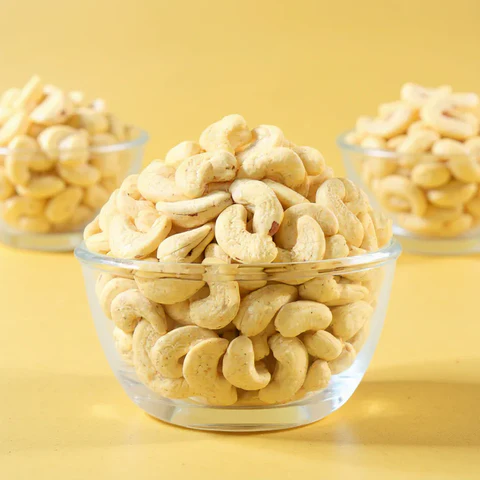
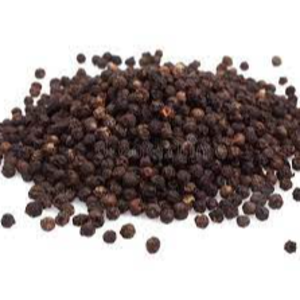
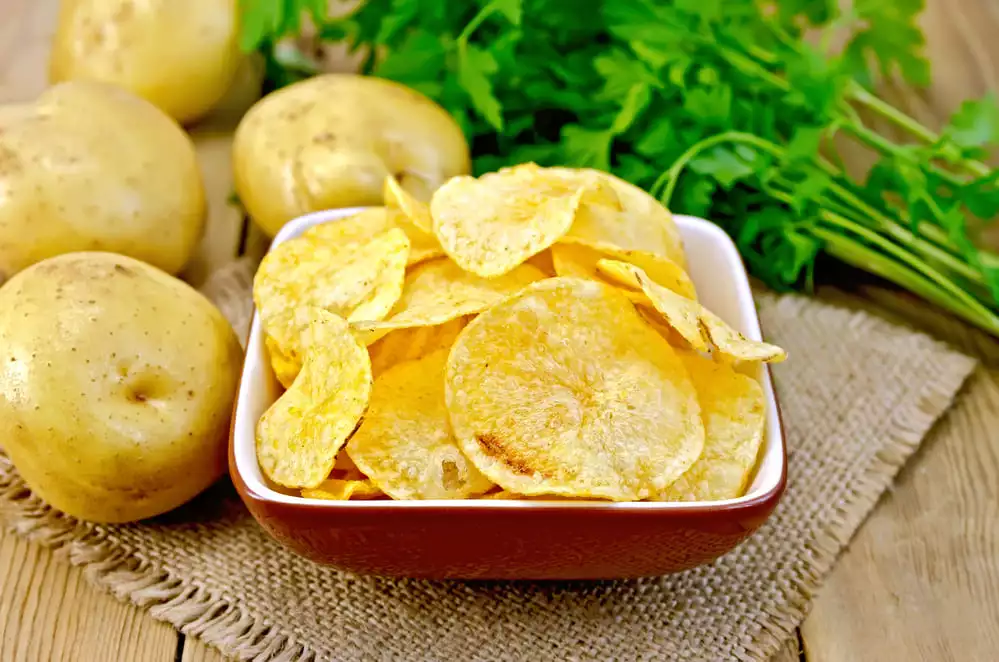
Vietnam hosts Nuvisrael Tas Co., Ltd, which currently lists 33 distinct products across several food and agricultural categories. The catalogue includes items such as canned tuna, a variety of dried and fresh fruits, multiple grades of palm olein, a full line of spices including star anise and cassia, as well as hydroponic growing media and a few textile OEM services. Each entry follows the standard HS‑code families where applicable, for example canned tuna is recorded under HS 1604.14 and canned sweet corn under HS 2008.99. The supplier’s top‑level categories feature Black Cardamom, Chips, Palm Oil, Dehydrated Fruits, Cashew Nuts, Star Anise, Dry Fruits & Nuts and Canned Pineapple, reflecting a broad agricultural product mix.
Product Range and Specialties of Nuvisrael Tas Co., Ltd
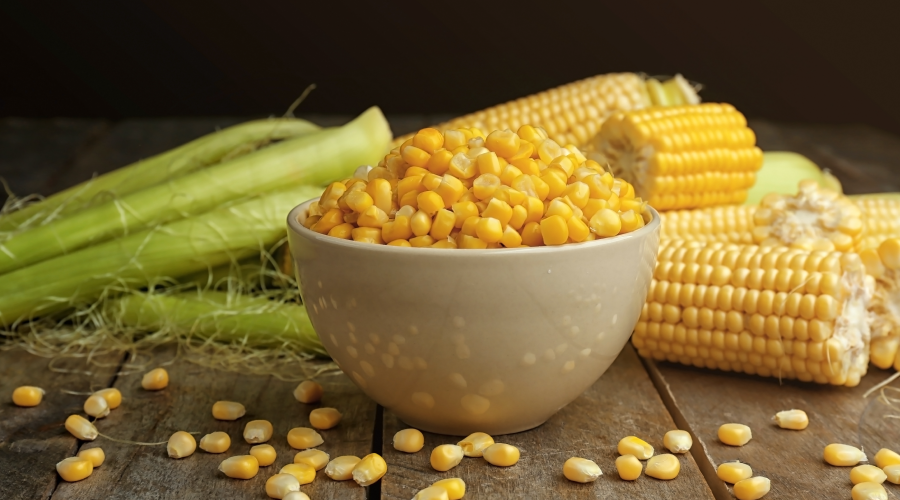
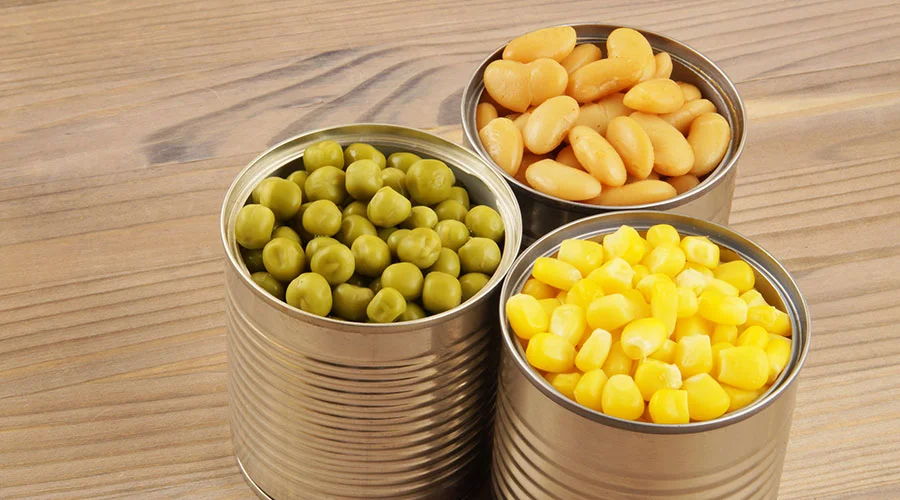
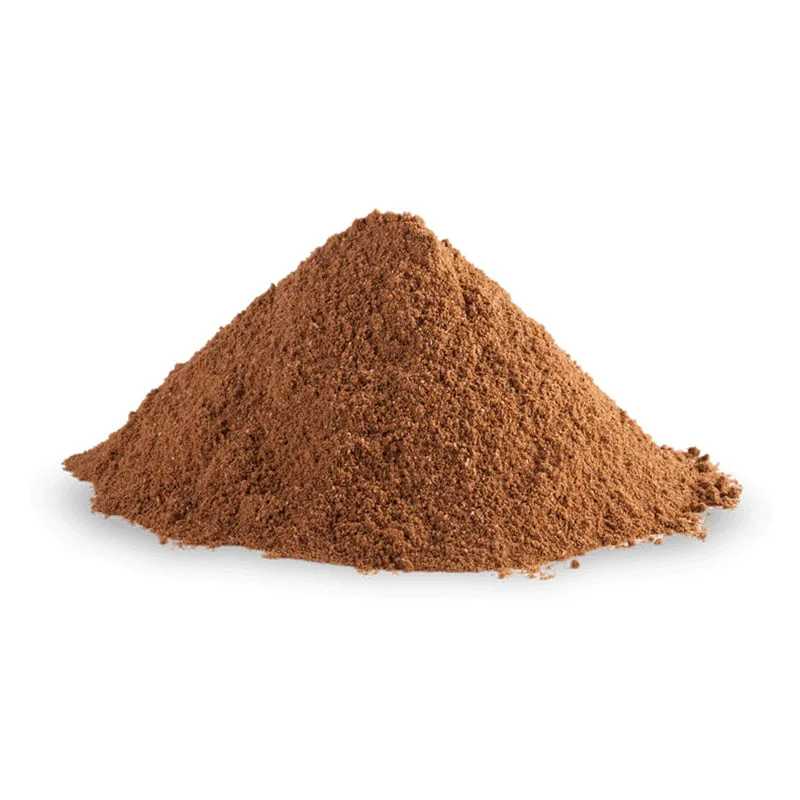
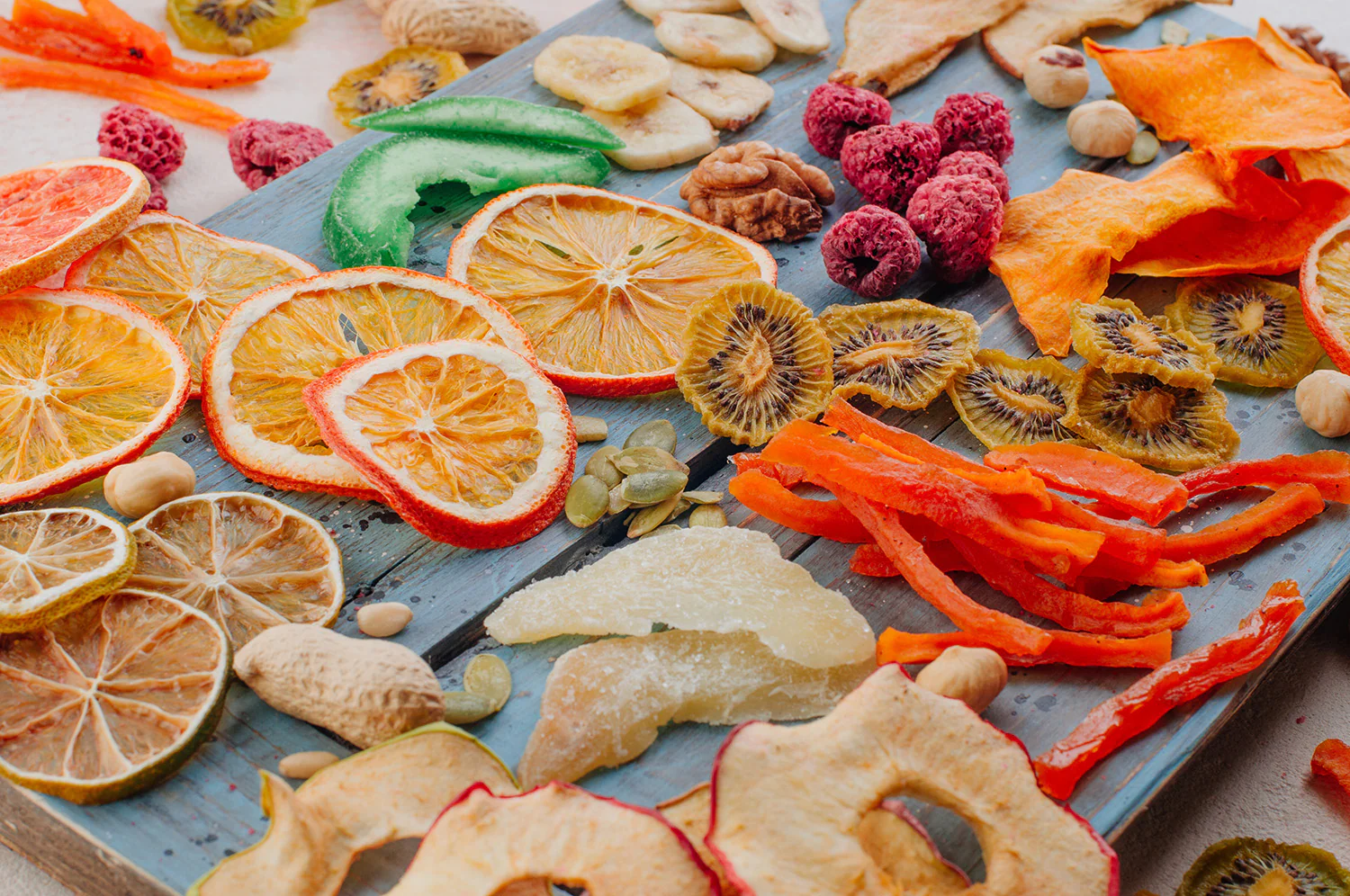
The product list comprises canned seafood (Skipjack tuna in brine or oil, HS 1604.14), canned vegetables (sweet corn, HS 2008.99), a set of dried tropical fruits (mango HS 0804.50, jackfruit HS 2008.19, banana, papaya, pineapple), and three RBD palm olein grades (CP6, CP8, CP10). In the spice segment the supplier offers whole and broken star anise, whole and broken cassia/cinnamon, as well as powdered forms. Industry practice for these categories includes moisture limits of ≤12 % for dried fruits, oil purity ≥99 % with free fatty acid (FFA) ≤0.1 % for RBD palm olein, and canned fish compliance with a moisture content of 65‑70 % and a total ash ≤2 %. Typical packaging is metal cans (400‑560 g for tuna, 300‑400 g for corn), bulk bags for dried fruits (25 kg) and 200 L drums for palm oil.
Trade and Export Information - Nuvisrael Tas Co., Ltd
Vietnam is a major exporter of tropical fruits, spices and palm oil, with the EU, the United States and China representing the largest import markets for these commodities. HS 1604.14 (canned tuna) and HS 2008.99 (canned vegetables) are routinely inspected under the EU’s Rapid Alert System for Food and the US FDA’s Food Safety Modernization Act, requiring HACCP or ISO 22000 certification and a Certificate of Origin. Palm olein (HS 1511) shipments often need a phytosanitary certificate and may be subject to EU REACH registration for traceability of residues. Dried fruits classified under HS 0804 - 0805 are commonly shipped in 25 kg polypropylene bags, containerised in 20‑ft or 40‑ft units, and buyers usually request a laboratory analysis confirming moisture, aflatoxin and pesticide limits. The supplier’s target markets are not listed, so buyers should anticipate standard Vietnamese export documentation: commercial invoice, packing list, bill of lading, and any required phytosanitary or health certificates.
Sourcing from Nuvisrael Tas Co., Ltd - Buyer Guidance
When sourcing from Nuvisrael Tas Co., Ltd, buyers should request a recent laboratory COA covering moisture, FFA (for palm oil), pesticide residues (for dried fruits) and microbiological results (for canned products). For spices, a verification of ISO 9001 or HACCP compliance is typical, together with a sample analysis for essential oil content and foreign matter. Confirm the HS code on the commercial invoice matches the product description to avoid customs delays; the supplier lists HS 1604.14 for tuna, HS 2008.99 for sweet corn, HS 0804.50 for mango and HS 2008.19 for jackfruit. Verify packaging details (can size, bag weight, drum volume) and agree on Incoterms such as CIF or FOB before finalising the order.
Frequently Asked Questions About Nuvisrael Tas Co., Ltd
What HS codes does Nuvisrael Tas Co., Ltd use for its canned seafood and vegetables?
The supplier lists HS 1604.14 for canned Skipjack tuna and HS 2008.99 for canned sweet corn. These codes correspond to the standard international classification for canned fish and canned vegetables.
Which palm oil grades are offered and how are they identified?
Three refined, bleached and deodorised (RBD) palm olein grades are offered: CP6, CP8 and CP10. The grades differ mainly in their iodine value and oxidative stability, with CP6 being the highest grade.
What quality specifications apply to the dried fruit range?
Typical industry specifications for the listed dried mango, jackfruit, banana and papaya include moisture ≤12 %, aflatoxin < 10 ppb, and no detectable pesticide residues above Codex MRLs.
Are certifications such as HACCP or ISO required for the spice products?
Buyers should request HACCP or ISO 22000 certification for star anise and cassia products, as these are common requirements for spices entering EU and US markets.
What packaging formats are used for the palm oil shipments?
Palm olein is usually packed in 200 L steel drums or 25 kg HDPE bulk bags, suitable for container loading on 20‑ft or 40‑ft vessels.
How can I obtain a sample of the canned tuna before placing a larger order?
The supplier can provide a single‑can sample upon request, typically shipped under FOB terms. Buyers should ask for a recent COA with moisture, protein and microbial test results attached to the sample.
What documents should I verify before importing the dried fruits?
Standard documents include a commercial invoice, packing list, bill of lading, phytosanitary certificate, and a laboratory analysis report confirming moisture and pesticide limits.
Which markets commonly import the supplier’s palm oil and dried fruit products?
European Union countries, the United States and several Asian markets (Japan, South Korea, China) are the main importers of Vietnamese palm oil and dried tropical fruits, following standard HS‑code and regulatory procedures.




 , Viet Nam