Agriculture›
 Apparel and fashion accessories›
 Construction & real estate›💡Electronic & Electrical›🍎Food & Beverages›🛋️Home furnishing & supplies›⚗️Industrial goods & chemical›🪨Minerals & metals›📦Miscellaneous›Agriculture›Apparel and fashion accessories›Construction & real estate›💡Electronic & Electrical›🍎Food & Beverages›🛋️Home furnishing & supplies›⚗️Industrial goods & chemical›🪨Minerals & metals›📦Miscellaneous›
Nurani Export Import Corporation
⚓ Harbor , BangladeshNew supplier / no reviews yet
Nurani Export Import Corporation Product Catalog


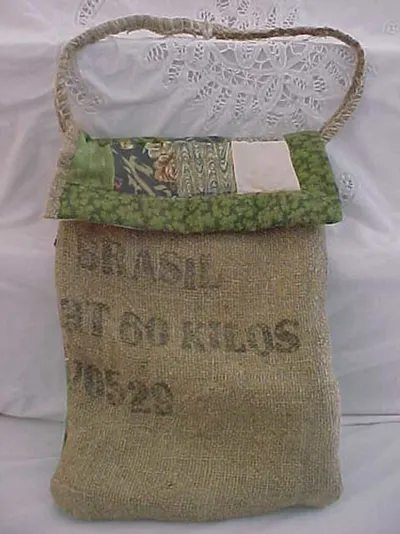


About Nurani Export Import Corporation - Jute Products Supplier in Bangladesh
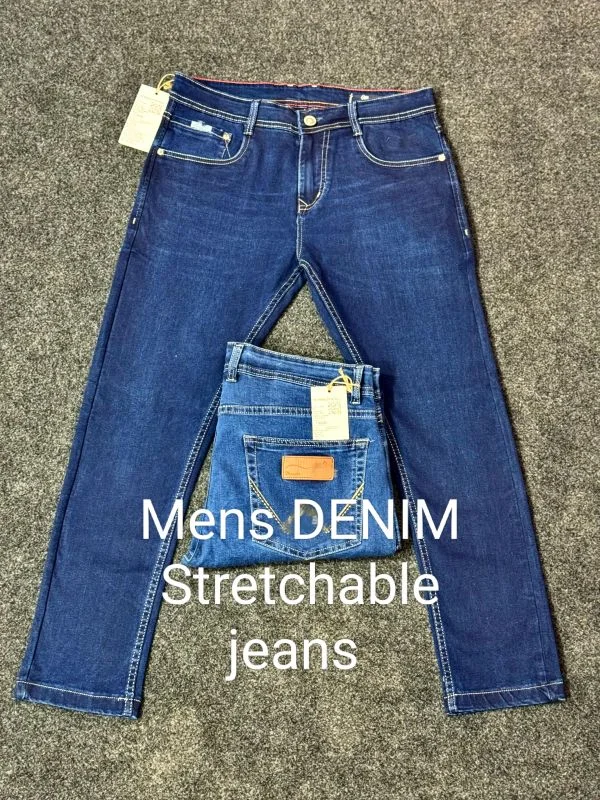
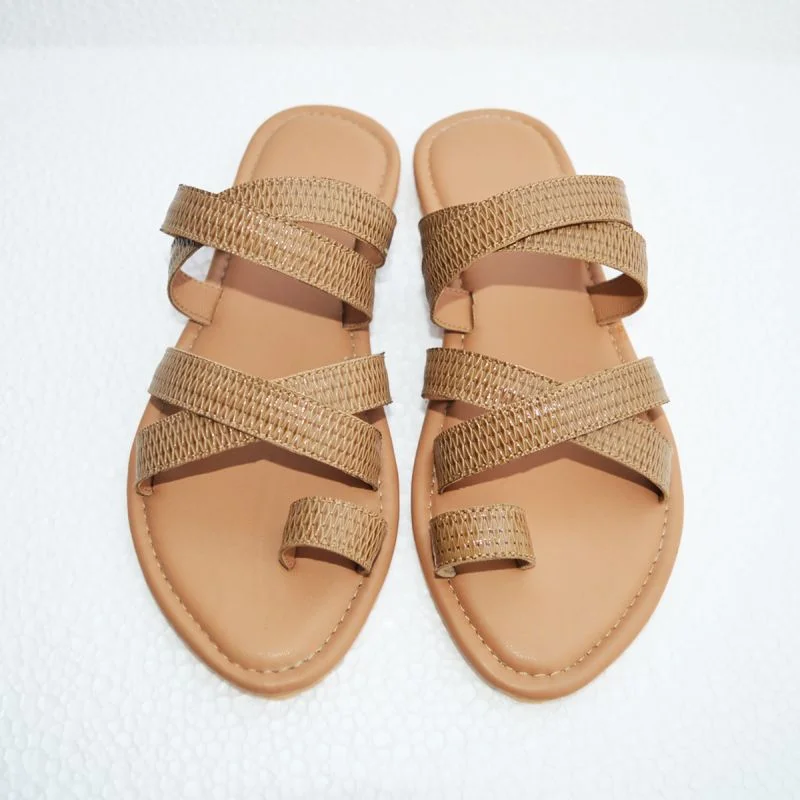
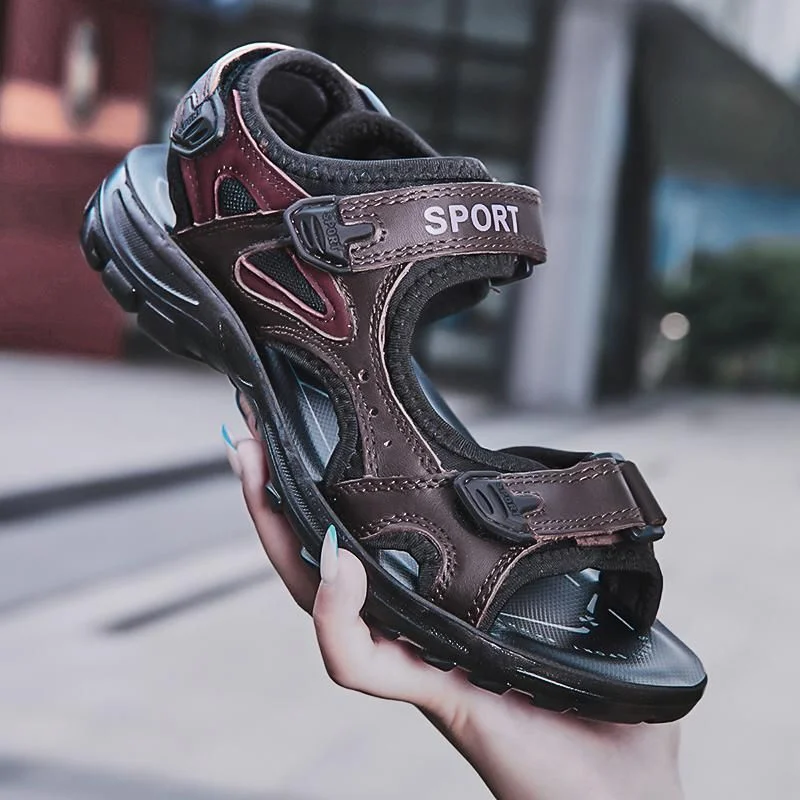
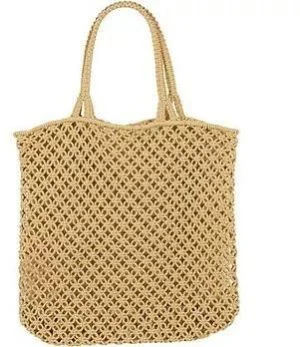
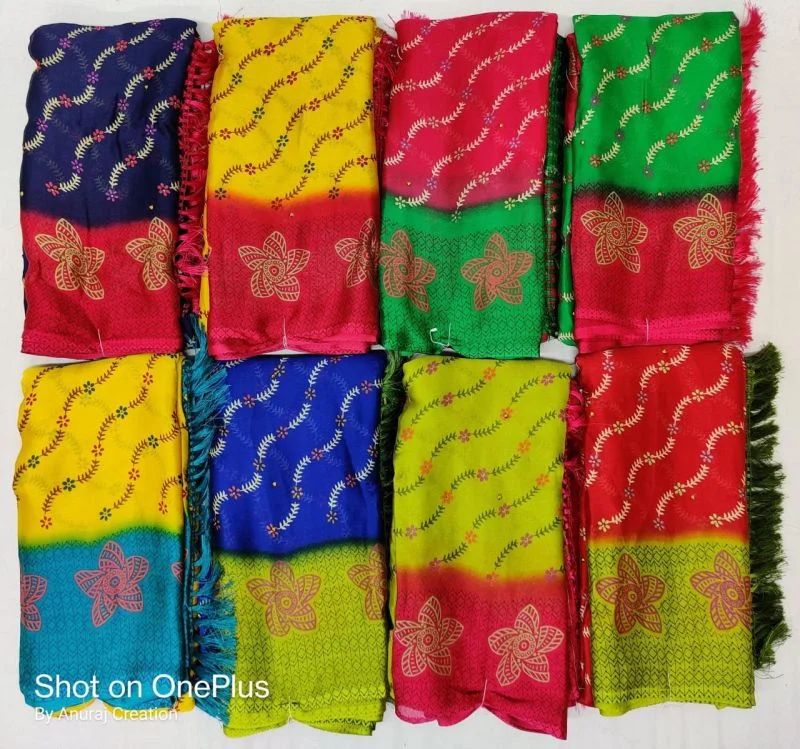
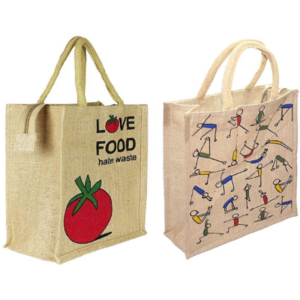
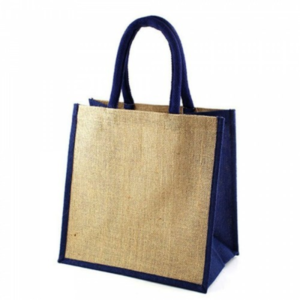
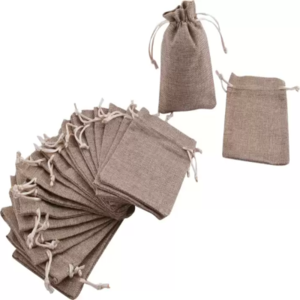
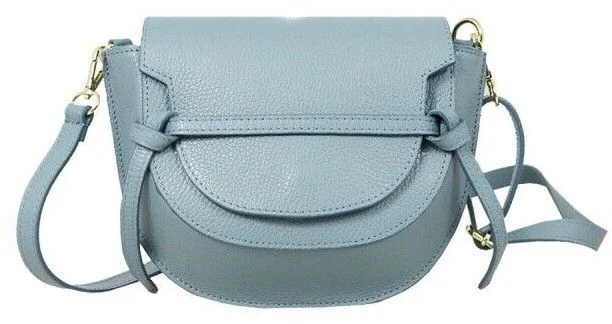
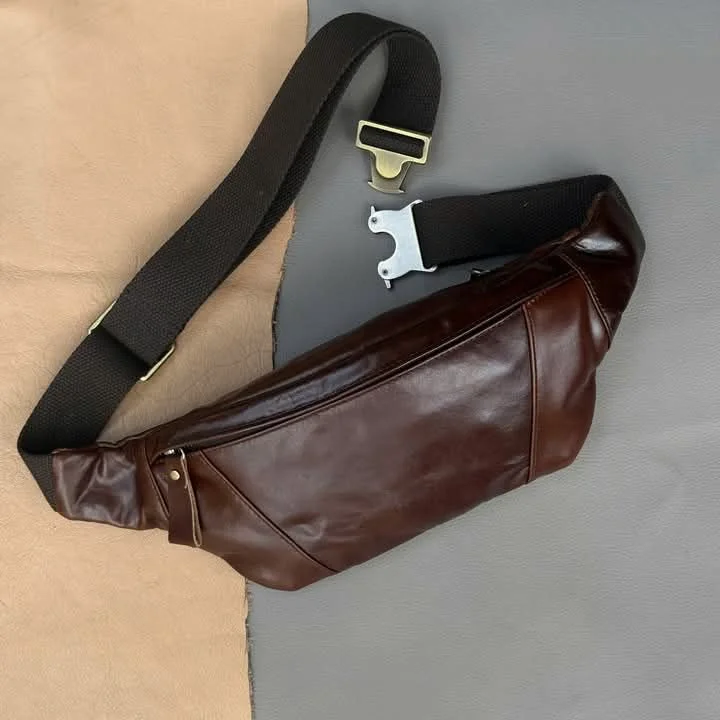
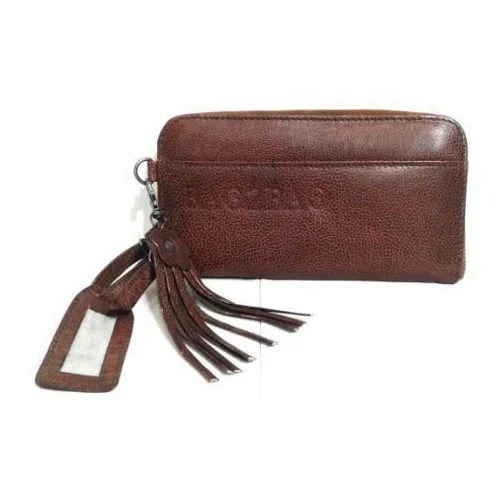
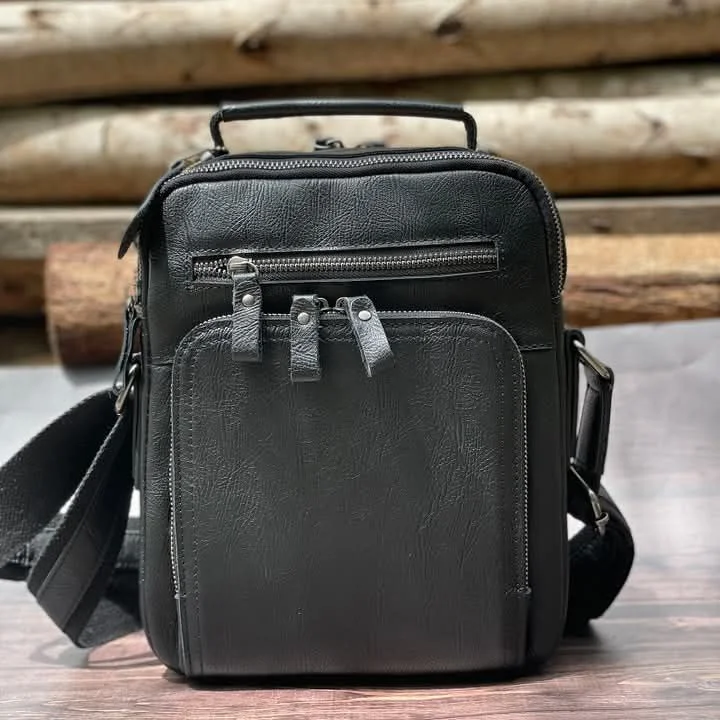
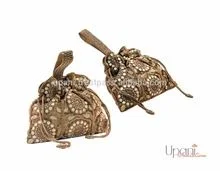
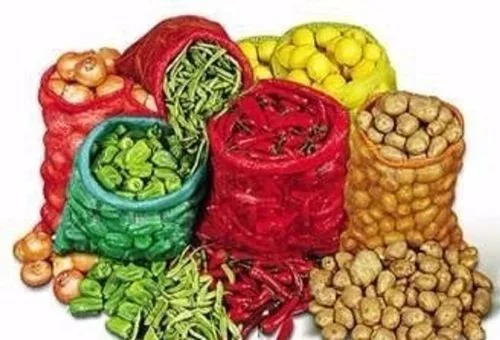
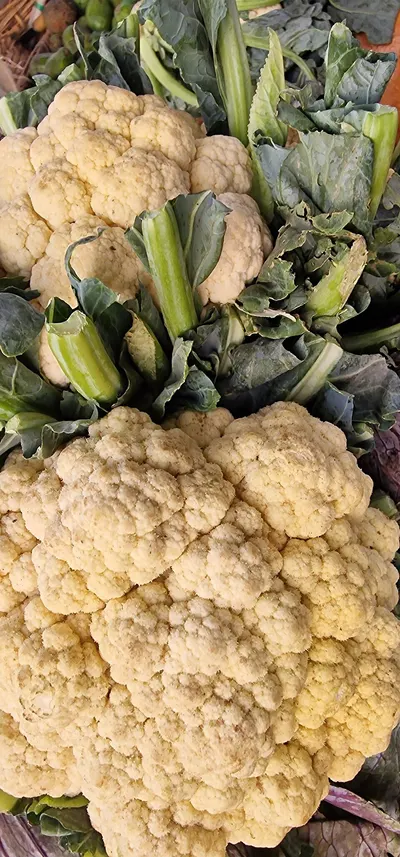
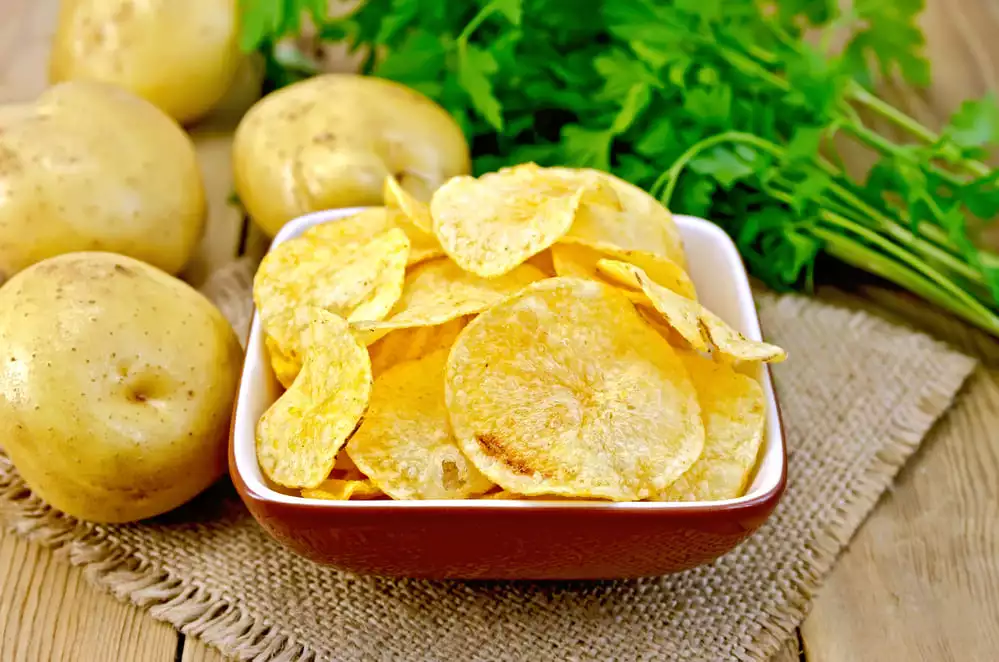
Bangladesh‑based Nurani Export Import Corporation lists eleven active products across agricultural and textile categories. The catalogue includes fresh vegetables such as cauliflower and potato, tropical fruit (mango), garment items (jeans, T‑shirts, ladies kurti, saree), and a suite of jute‑derived goods including bags, sandals, footwear and handbags. Each product group aligns with standard HS‑code families used for global trade, for example fresh cauliflower and potato fall under HS chapter 07, mango under HS 0804, denim and T‑shirts under HS 6203/6109, and jute products under HS 6305 and 6403.
The supplier’s product list reflects common export classifications: fresh cauliflower and potato are typically declared under HS 0701, mango under HS 0804, jeans under HS 6203, T‑shirts under HS 6109, and jute bags, sandals and other hand‑crafted items under HS 6305 (jute bags) and HS 6403 (jute footwear). No additional certifications are recorded for the company, so buyers should verify standard export documents such as phytosanitary certificates for produce and textile compliance certificates for garment and jute items.
Product Range and Specialties of Nurani Export Import Corporation
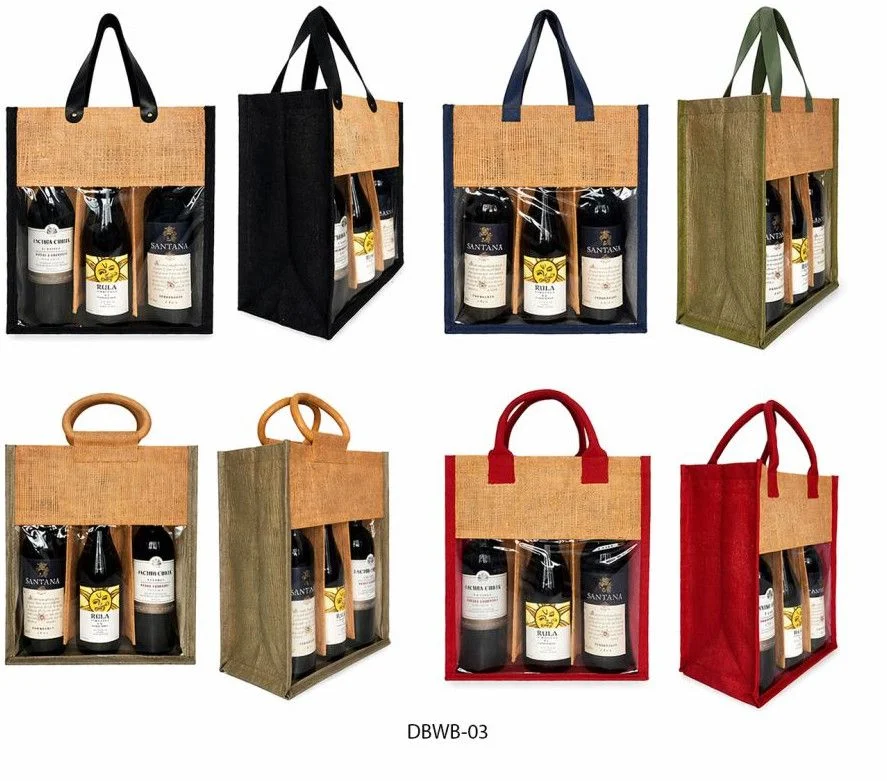
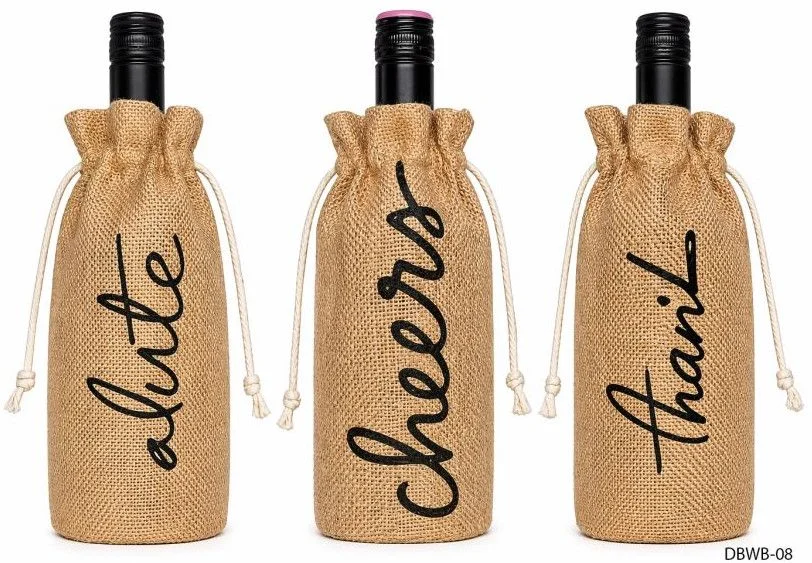
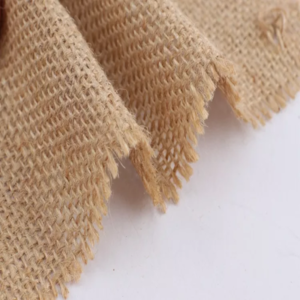
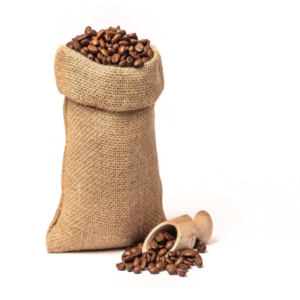
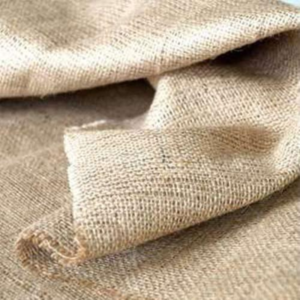
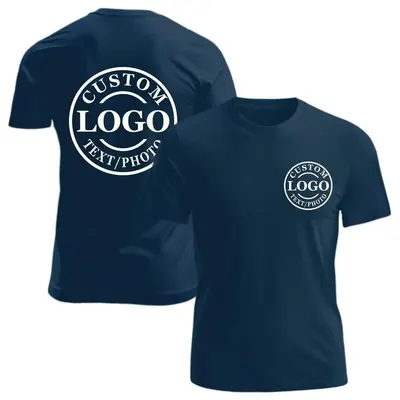
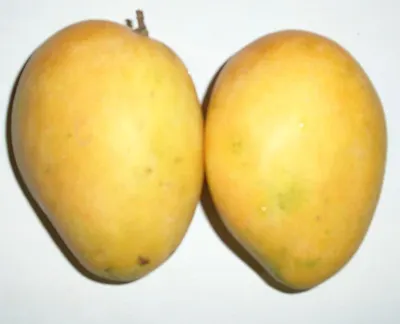
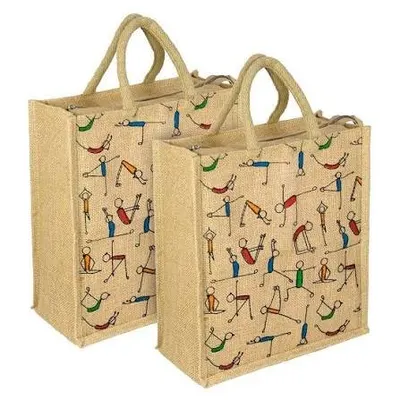
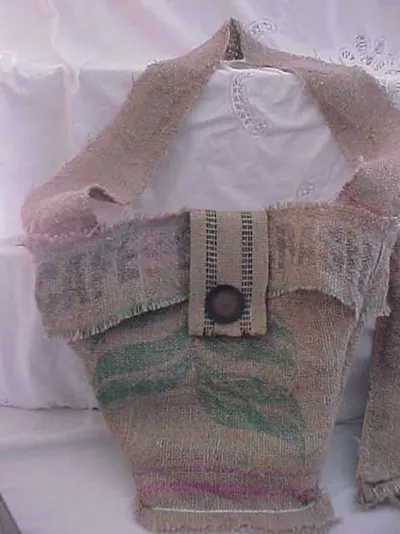
Nurani Export Import Corporation offers fresh cauliflower, fresh potato and mango that meet typical export quality grades - for example cauliflower grade A with heads 10‑15 cm in diameter and moisture below 92 %, potato grade A with dry matter around 20 % and minimal bruising, and mango with Brix values above 12 % and uniform coloration. The textile line includes 100 % cotton T‑shirts (150‑180 gsm), denim jeans of 12‑16 oz/yd² weight, and traditional women’s wear such as ladies kurti and saree, all generally classified under HS 6109‑6203. Jute products comprise bags, sandals, footwear and handbags, usually made from 100 % natural jute fibre with a basis weight of 200‑300 gsm for bags and 150‑250 gsm for sandals, falling under HS 6305‑6403. Typical packaging includes ventilated cartons for fresh produce, polyethylene‑lined boxes for mango, and kraft paper or woven jute wrappers for the jute items.
Frequently Asked Questions About Nurani Export Import Corporation
What HS codes are used for Nurani Export Import Corporation’s fresh produce?
Fresh cauliflower and potato are usually declared under HS 0701, while mango is classified under HS 0804. Buyers should verify the exact sub‑heading on the commercial invoice.
Which certifications should a buyer request for the jute products?
Buyers typically request a tensile strength test report (minimum 30 MPa), a fabric weight specification (200‑300 gsm), and, if required by the destination market, an Oeko‑Tex or ISO 9001 compliance certificate.
What is the standard packaging for the fresh vegetables?
Cauliflower and potato are packed in ventilated corrugated cartons with internal cushioning, sealed with breathable film. Mangoes are shipped in polyethylene‑lined boxes to maintain humidity.
How are the denim jeans and T‑shirts documented for export?
Export documentation normally includes a fabric composition certificate, a weight per garment specification (e.g., 12‑16 oz/yd² for denim), and an Oeko‑Tex Standard 100 test report for harmful substances.
What are the typical container sizes and quantities for jute bags?
Jute bags are usually loaded in 20‑ft containers at a density of about 2 000 pcs per container, or 40‑ft containers at roughly 4 000 pcs, depending on bag size and weight.
BangladeshRelated Suppliers & Products
Explore similar suppliers, related products and trending categories