Nox India Corporation — Supplier
About Nox India Corporation - Ophthalmic Equipment Supplier in India
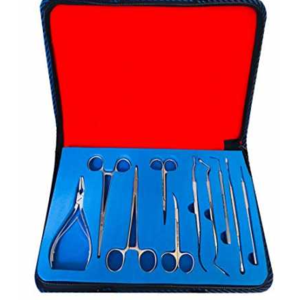
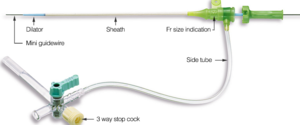
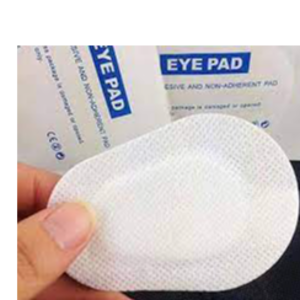
India‑based Nox India Corporation lists five active products in its online catalogue. The supplier focuses on ophthalmic equipment, offering items that span diagnostic devices, surgical tools, and testing apparatus. The product titles include Diagnox, an ophthalmic surgical instrument, a micro surgical instrument, a vision testing drum, and a bimanual system. Each entry falls under the broader category of medical instruments used in eye care, and the catalogue does not provide additional sub‑categories or HS codes.
The five listed items represent a mix of diagnostic and operative solutions for eye health professionals. Diagnox is positioned as a diagnostic aid, while the surgical and micro‑surgical instruments are intended for precision procedures. The vision testing drum serves functional testing, and the bimanual system supports dual‑handed surgical techniques. No further quantitative details such as dimensions or material composition are supplied in the catalogue.
Product Range and Specialties of Nox India Corporation
The catalogue’s five products cover the main segments of ophthalmic hardware. Diagnostic devices such as Diagnox typically conform to IEC 60601‑1 safety standards and may incorporate optical sensors calibrated to ±0.5 diopters. Surgical instruments and micro‑surgical tools are generally fabricated from medical‑grade stainless steel (AISI 316L) and are supplied in lengths ranging from 100 mm to 250 mm, with tip diameters of 0.2 mm to 1.0 mm for micro‑applications. Vision testing drums are usually made of high‑density polymer or metal frames with graduated scales for visual acuity assessment, often meeting ISO 8596 specifications. Bimanual systems combine dual instrument handles and are designed for coordinated use in procedures such as cataract extraction, adhering to ISO 13485 quality management requirements for medical devices.
Trade and Export Information - Nox India Corporation
Ophthalmic instruments from India are commonly classified under HS Chapter 90, specifically heading 9018 for instruments and appliances used in ophthalmology. Export shipments typically target markets in North America, the European Union, and the Middle East, where regulatory compliance with CE marking or FDA 510(k) clearance is a prerequisite. Buyers often require proof of ISO 13485 certification, sterilization validation reports (e.g., EtO or gamma radiation), and material safety data sheets. Packaging for these devices follows sterile barrier systems, usually in medical‑grade double‑layer pouches, and shipments are frequently arranged on 20‑ft or 40‑ft containers under CIF or FOB terms, with temperature‑controlled handling for sensitive optical components.
Sourcing from Nox India Corporation - Buyer Guidance
When sourcing from Nox India Corporation, buyers should request the latest CE certificates or FDA registration documents for each ophthalmic device, as well as ISO 13485 compliance evidence. Material certificates confirming surgical‑grade stainless steel or polymer grades, together with sterilization validation reports, help verify product safety. It is advisable to obtain a functional sample of the Diagnox unit and a representative micro‑surgical instrument before confirming bulk orders, and to review dimensional drawings or CAD files for the bimanual system to ensure compatibility with existing surgical suites.
Frequently Asked Questions About Nox India Corporation
What ophthalmic products does Nox India Corporation list in its catalogue?
The catalogue includes Diagnox, an ophthalmic surgical instrument, a micro surgical instrument, a vision testing drum, and a bimanual system, totaling five distinct items.
Which HS code is typically used for these ophthalmic instruments?
India‑exported ophthalmic equipment is usually classified under HS heading 9018, which covers instruments and appliances used in ophthalmology.
What certifications should a buyer request for these devices?
Buyers should ask for CE marking documentation, FDA 510(k) clearance where applicable, ISO 13485 quality system certification, and material safety data sheets for the metal or polymer components.
Are there standard material specifications for the surgical instruments?
Medical‑grade stainless steel (AISI 316L) is the standard material for ophthalmic surgical tools, with typical instrument lengths of 100 mm - 250 mm and tip diameters ranging from 0.2 mm to 1.0 mm.
What are typical packaging and shipping methods for these products?
The devices are usually supplied in sterile barrier packaging, placed in sealed medical‑grade pouches, and shipped in 20‑ft or 40‑ft containers under CIF or FOB terms, often with temperature‑controlled handling for optical components.
What minimum order quantities (MOQ) and lead times are common for these items?
MOQs vary by product; diagnostic devices like Diagnox often start at 10 units, while surgical instruments may have MOQs of 500 pieces. Lead times generally range from 30 to 60 days after order confirmation, depending on the specific item and required sterilization processes.
How can a buyer verify the quality of the vision testing drum?
Buyers should request compliance with ISO 8596, a calibration certificate for the visual acuity scale, and a sample unit for functional testing before finalizing the purchase.
Is it possible to obtain technical drawings for the bimanual system?
Technical drawings or CAD files can be requested from the supplier to confirm dimensions, handle ergonomics, and compatibility with existing surgical equipment before placing a bulk order.




 , India