Nature Choice — Verified Supplier
About Nature Choice - Herbal Extracts Supplier in China
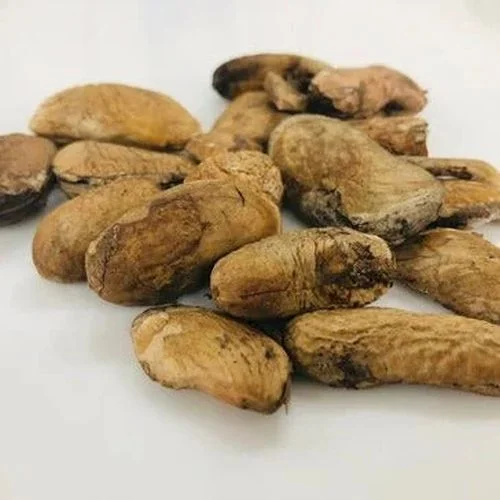
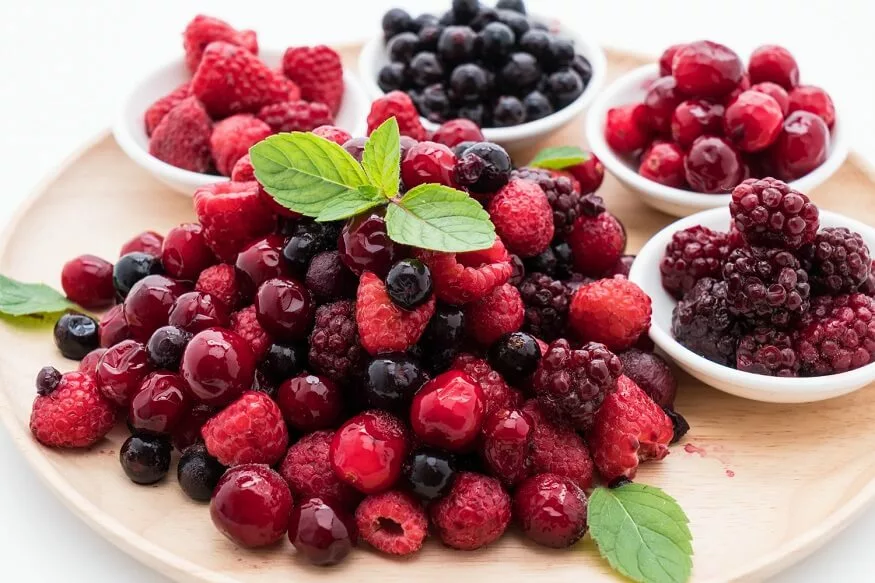
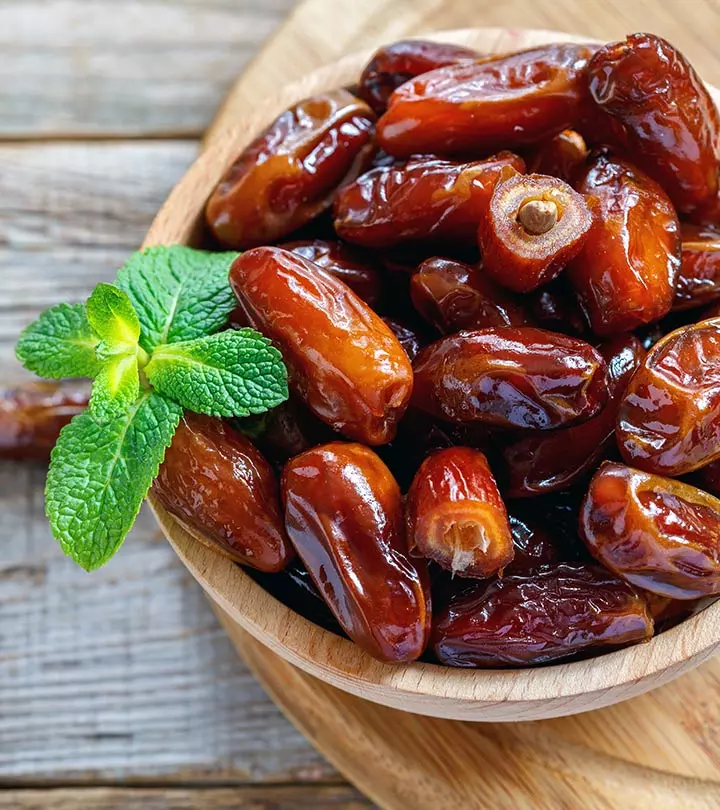
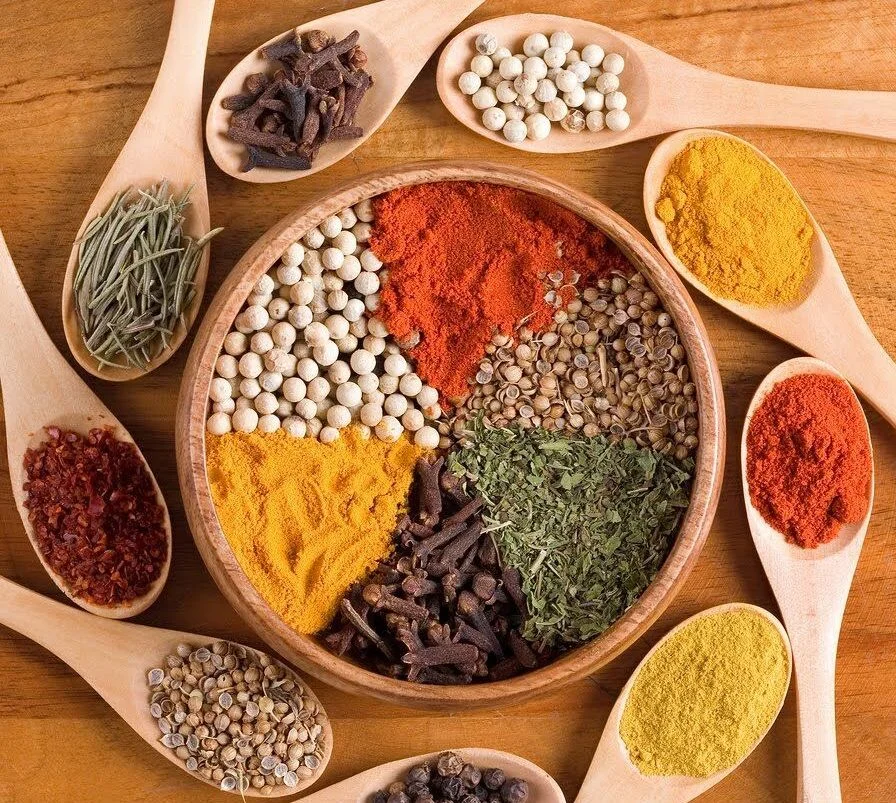
Nature Choice, located in China, offers a diverse range of 10 products, including Herbal Extracts, Plants & Plant Extracts, Spices, Berries, Dates, Dehydrated Fruits, Fruit Seeds, and Oil Seeds. The company's catalogue features products such as Best Organic Cassia Seeds, Organic Schisandra Berries, and 100% Organic Dried Red Dates. Buyers can expect to find products with HS codes like 0813.40 for the Organic Schisandra Berries, which is classified as a dried fruit product. The company's products are sourced from various regions, with a focus on natural and organic ingredients.
The Herbal Extracts and Plants & Plant Extracts categories are popular among buyers looking for natural ingredients for pharmaceutical, food, and cosmetic applications. The Spices and Berries categories are also in demand, particularly among food and beverage manufacturers. Nature Choice's products are exported to various regions, including Asia, Europe, and North America, where they are used in a range of industries, including food, pharmaceuticals, and cosmetics.
Product Range and Specialties of Nature Choice
Nature Choice's product range includes a variety of herbal extracts, plants, and plant extracts, which are commonly used in the pharmaceutical, food, and cosmetic industries. The company's Organic Schisandra Berries, for example, are made from dried Schisandra chinensis Berries and are classified under the HS code 0813.40. Buyers can expect to find products with varying levels of purity and quality, with some products certified as organic or all-natural. The typical grades and standard specifications for these products include moisture content, purity, and heavy metal testing.
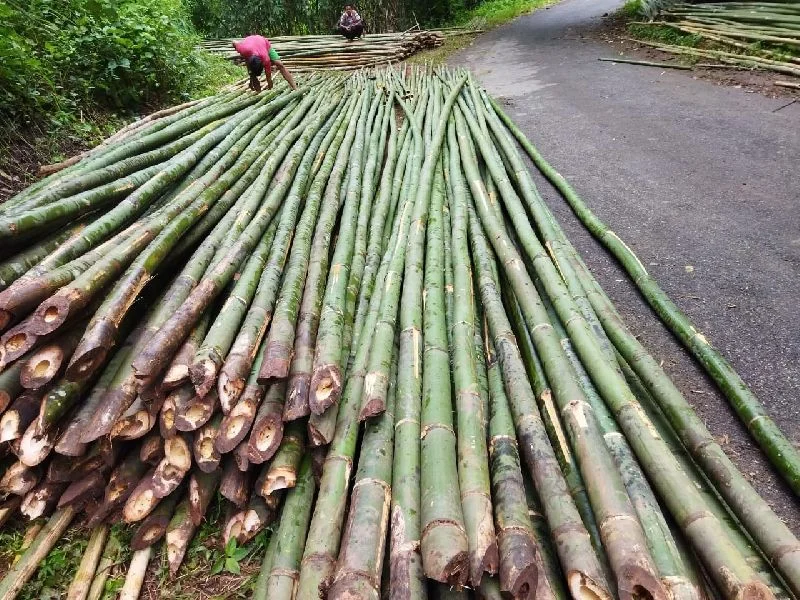
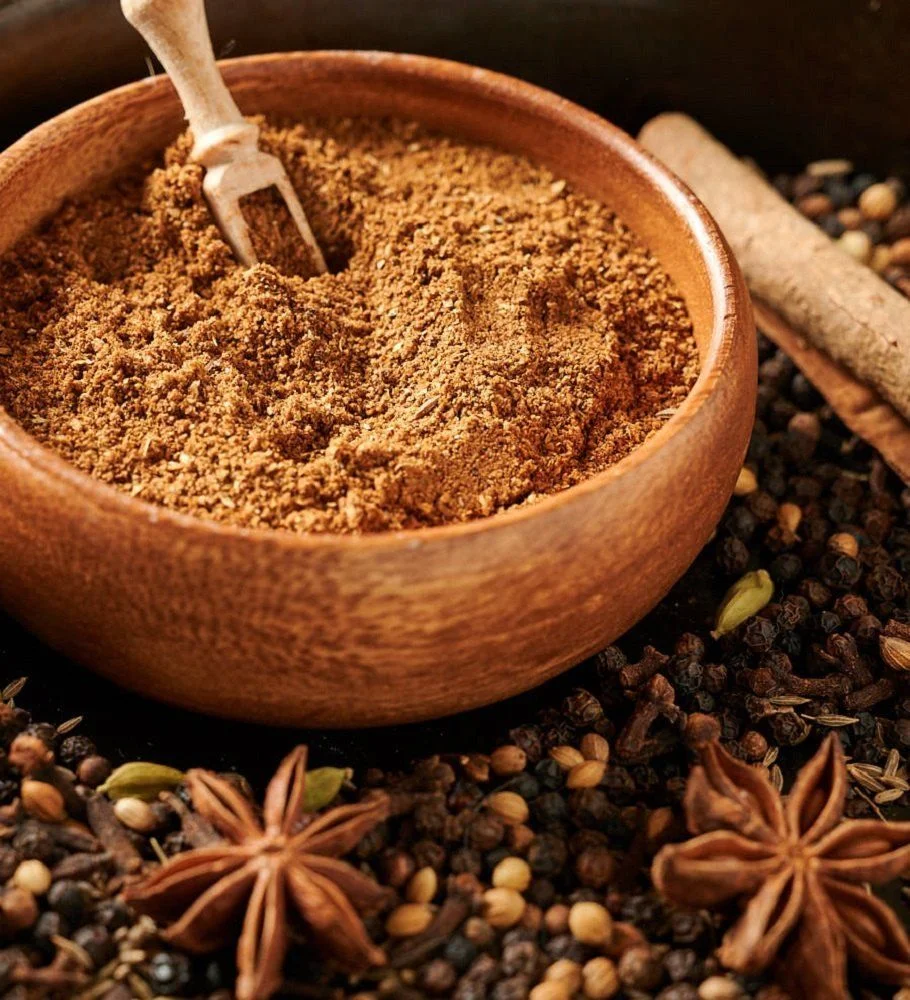
In the Herbal Extracts category, buyers can expect to find products with varying levels of extraction, including solvent-based and solvent-free extracts. The Plants & Plant Extracts category includes products like Bamboo Leaf and Tomorrow's Leaf, which are commonly used in traditional medicine and food applications. The Spices category includes products like Coprinus Comatus Slice, which is commonly used in culinary applications.
Trade and Export Information - Nature Choice
Exporters of herbal extracts and plants like Nature Choice typically require certifications like ISO 9001 and GMP to ensure quality and compliance with regulatory requirements. Buyers of these products usually require test reports, certificates of origin, and phytosanitary certificates to ensure the products meet their quality and safety standards. The HS code families involved in the trade of these products include 0813 for dried fruits and 1211 for plants and plant extracts.
The typical regions that import these goods include Asia, Europe, and North America, where they are used in a range of industries, including food, pharmaceuticals, and cosmetics. The logistics and packaging norms for these products typically involve shipping in 20 ft or 40 ft containers, with packaging materials like paper bags or plastic bags. Incoterms like CIF or FOB are commonly used in the trade of these products.
Sourcing from Nature Choice - Buyer Guidance
When sourcing from Nature Choice, buyers should request specifications, samples, and test reports to verify the quality and purity of the products. Buyers should also verify the certifications and documents required for the products, such as organic or all-natural certifications. It is also important to confirm the MOQ and lead time for the products to ensure timely delivery.
Buyers should be aware of the typical quality parameters and tests required for these products, including moisture content, purity, and heavy metal testing. They should also be aware of the common variants and grades available in the market, including different levels of extraction and purity. By requesting the right specifications and certifications, buyers can ensure they receive quality products that meet their requirements.
Frequently Asked Questions About Nature Choice
What is the typical moisture content of Nature Choice's herbal extracts?
The typical moisture content of herbal extracts can range from 5-10%, depending on the product and extraction method. Buyers should request the specifications and test reports to confirm the moisture content of the products.
What certifications should I request from Nature Choice?
Buyers should request certifications like ISO 9001 and GMP to ensure quality and compliance with regulatory requirements. They should also request organic or all-natural certifications, if required.
What is the typical packaging material used by Nature Choice?
The typical packaging materials used by Nature Choice include paper bags or plastic bags, depending on the product and shipping requirements. Buyers should confirm the packaging materials with the supplier to ensure compliance with regulatory requirements.
What is the MOQ for Nature Choice's products?
The MOQ for Nature Choice's products can vary depending on the product and production capacity. Buyers should confirm the MOQ with the supplier to ensure timely delivery.
How can I request a sample from Nature Choice?
Buyers can request a sample from Nature Choice by contacting the supplier directly and providing their product requirements and specifications. The supplier will provide a sample based on the buyer's requirements.
What is the typical lead time for Nature Choice's products?
The typical lead time for Nature Choice's products can range from 7-30 days, depending on the product and production capacity. Buyers should confirm the lead time with the supplier to ensure timely delivery.
What are the common variants and grades available in the market for herbal extracts?
The common variants and grades available in the market for herbal extracts include different levels of extraction, purity, and quality. Buyers should be aware of these variants and grades to ensure they receive products that meet their requirements.
How can I verify the quality and purity of Nature Choice's products?
Buyers can verify the quality and purity of Nature Choice's products by requesting test reports, certificates of origin, and phytosanitary certificates. They should also request specifications and samples to confirm the products meet their requirements.




 , China