Agriculture›
 Apparel and fashion accessories›
 Construction & real estate›💡Electronic & Electrical›🍎Food & Beverages›🛋️Home furnishing & supplies›⚗️Industrial goods & chemical›🪨Minerals & metals›📦Miscellaneous›Agriculture›Apparel and fashion accessories›Construction & real estate›💡Electronic & Electrical›🍎Food & Beverages›🛋️Home furnishing & supplies›⚗️Industrial goods & chemical›🪨Minerals & metals›📦Miscellaneous›
Nasty Spices Indonesia
⚓ Harbor , IndonesiaNew supplier / no reviews yet
Nasty Spices Indonesia Product Catalog
About Nasty Spices Indonesia - Coffee Beans Supplier in Indonesia
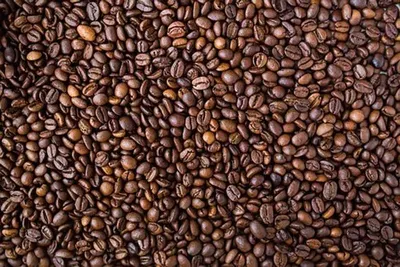
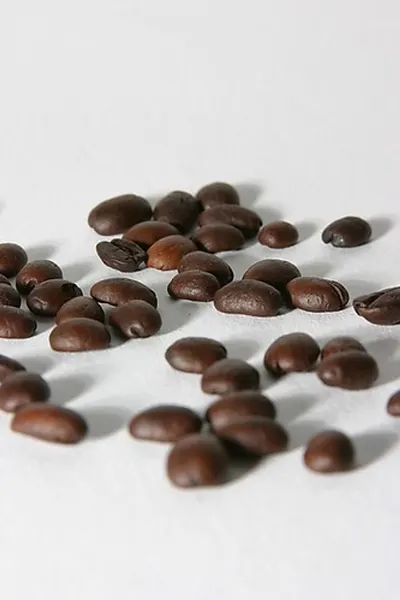
Indonesia is the origin country for Nasty Spices Indonesia, which currently lists five active products in its catalogue. The catalogue is divided between two primary categories: Coffee Beans and Vanilla, each represented by multiple product entries. The coffee segment includes Robusta, Arabica, and an Organic Robusta variant, while the vanilla segment lists Bourbon (Planifolia) and Tahitensis beans. No HS codes are provided in the source data, so the description relies on the product names and categories alone. The supplier is classified in the “harbor” trust tier, indicating a moderate level of verification in the platform’s risk model.
The five products are presented without additional specifications such as bean grade, moisture content, or packaging details. Nasty Spices Indonesia does not disclose any certifications, revenue figures, or client references in the supplied facts. Consequently, the overview remains limited to the factual product count, category split, and origin information, without extrapolating any unverified company attributes.
Product Range and Specialties of Nasty Spices Indonesia
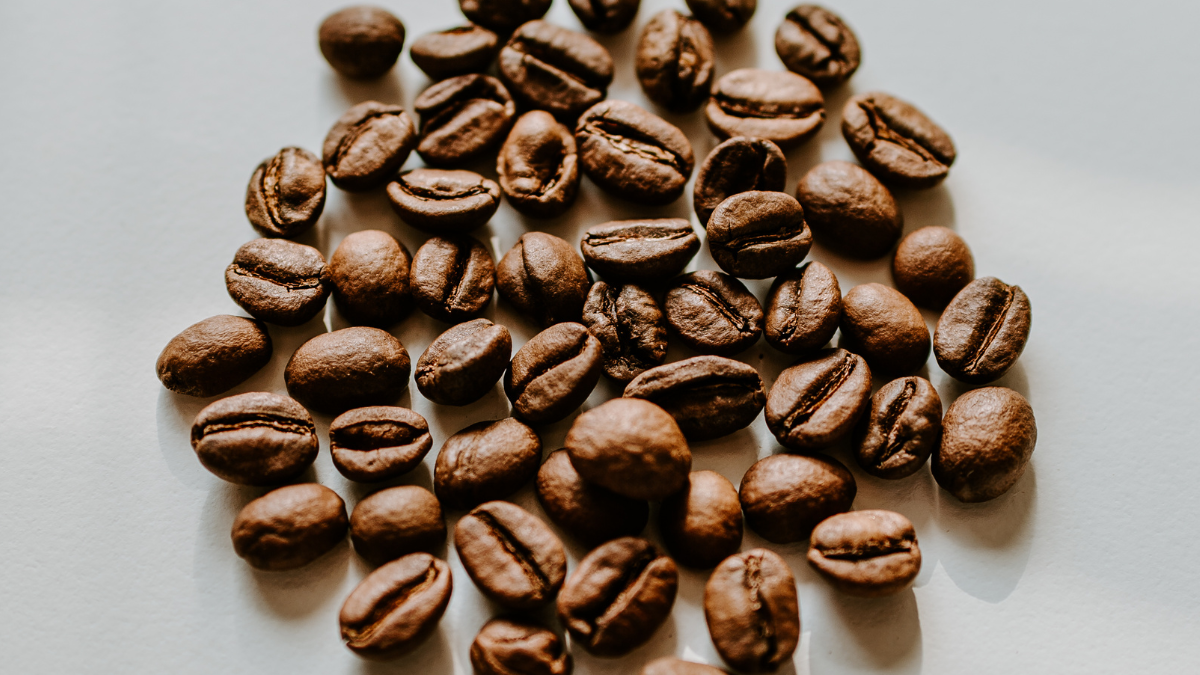
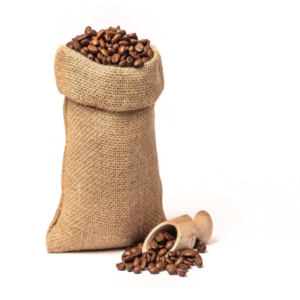
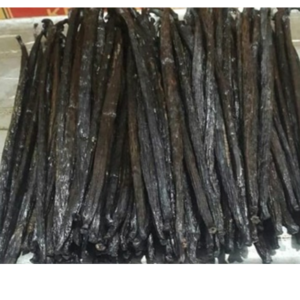
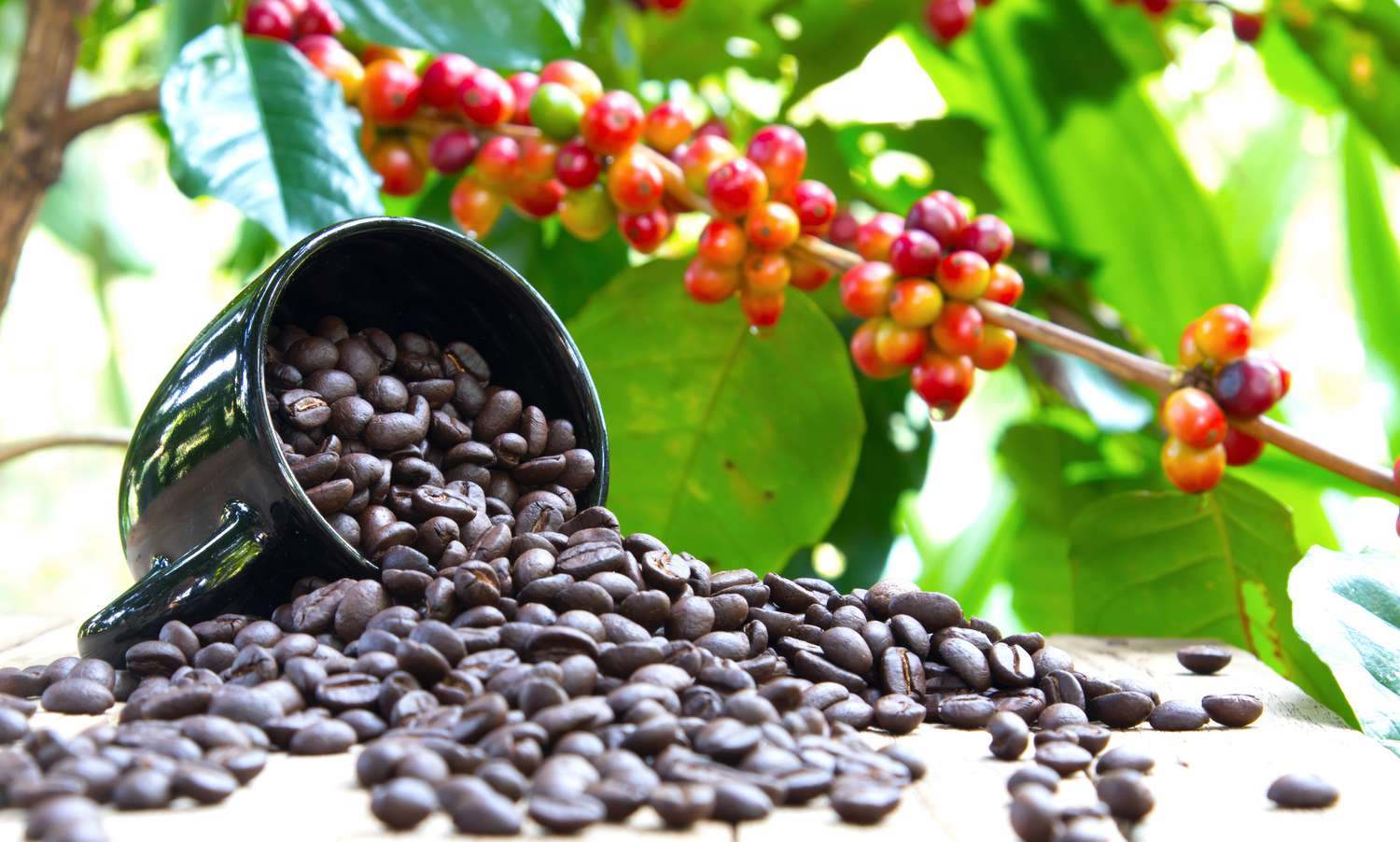
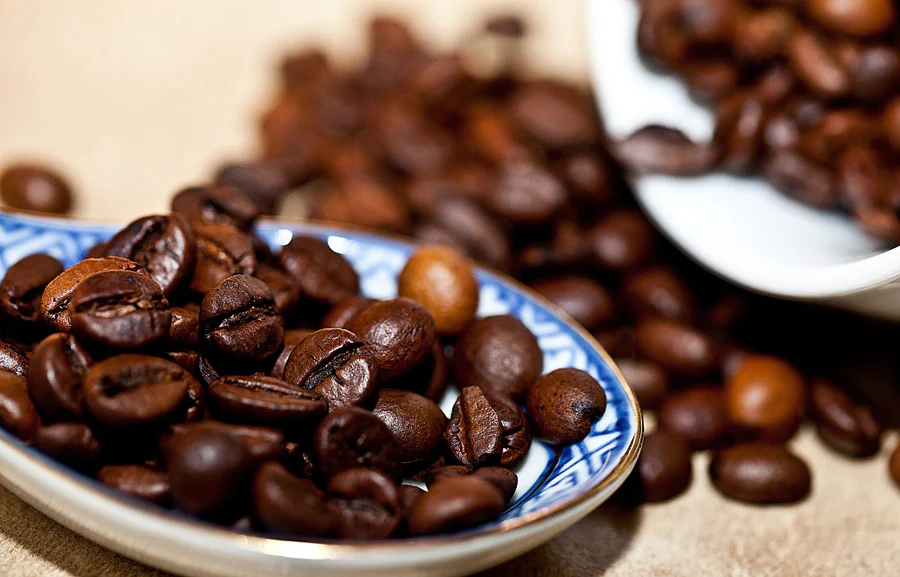
The catalogue offers two vanilla varieties - Vanilla Beans Planifolia/Bourbon and Vanilla Beans Tahitensis - both commonly graded by vanillin content (typically 2‑3 % for Bourbon and 0.5‑1 % for Tahitian) and moisture level (around 25‑30 %). Coffee offerings include standard Robusta beans, Arabica beans, and an Organic Robusta line, which in the industry are usually classified by cup score (Robusta 60‑70, Arabica 80‑90) and moisture (10‑12 %). Buyers often request information on bean size (screen size for Arabica, typically 15‑18) and certifications such as organic or fair‑trade for the organic variant. Typical packaging for coffee beans from Indonesia is 60 kg jute bags or 25 kg bulk bags, while vanilla beans are shipped in 5 kg cartons or 25 kg sealed bags.
Industry standards for these commodities include ISO 9001 quality management, HACCP food safety plans, and, where applicable, organic certification under EU‑EU or USDA standards. Exporters of Indonesian coffee and vanilla frequently provide third‑party lab reports confirming moisture, bean size, and defect percentages, which help buyers compare against benchmark grades used in the global market.
Frequently Asked Questions About Nasty Spices Indonesia
What coffee bean varieties does Nasty Spices Indonesia offer?
The supplier lists three coffee products: standard Robusta beans, Arabica beans, and an Organic Robusta variant. Each is presented without additional grade details, so buyers should request screen size, cup score, and moisture data.
Which vanilla bean types are available?
Two vanilla types are catalogued: Vanilla Beans Planifolia/Bourbon and Vanilla Beans Tahitensis. Typical industry specifications include vanillin content (2‑3 % for Bourbon, 0.5‑1 % for Tahitian) and moisture around 25‑30 %.
Are any certifications provided by the supplier?
The supplied facts do not list any certifications held by Nasty Spices Indonesia. Buyers should ask for ISO 9001, HACCP, organic, or fair‑trade certificates as appropriate to the product.
What are the common HS codes for these products?
Indonesian coffee beans fall under HS 0901, while vanilla beans are classified under HS 0905. These codes are used by customs authorities to assess duties and regulatory requirements.
What is the typical packaging for coffee and vanilla beans?
Industry practice for Indonesian coffee is 60 kg jute bags or bulk bags, whereas vanilla beans are usually packed in sealed cartons ranging from 5 kg to 25 kg. Confirm the exact packaging format with the supplier before ordering.
IndonesiaRelated Suppliers & Products
Explore similar suppliers, related products and trending categories