Agriculture›
 Apparel and fashion accessories›
 Construction & real estate›💡Electronic & Electrical›🍎Food & Beverages›🛋️Home furnishing & supplies›⚗️Industrial goods & chemical›🪨Minerals & metals›📦Miscellaneous›Agriculture›Apparel and fashion accessories›Construction & real estate›💡Electronic & Electrical›🍎Food & Beverages›🛋️Home furnishing & supplies›⚗️Industrial goods & chemical›🪨Minerals & metals›📦Miscellaneous›
Mrm Concrete Batching Plants Co.
⚓ Harbor , TurkeyNew supplier / no reviews yet
Mrm Concrete Batching Plants Co. Product Catalog




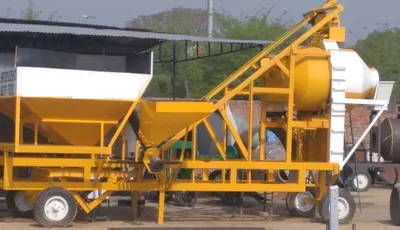

About Mrm Concrete Batching Plants Co. - Concrete Mixer, Concrete Pump Supplier in Turkey
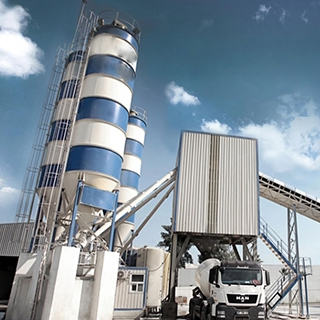
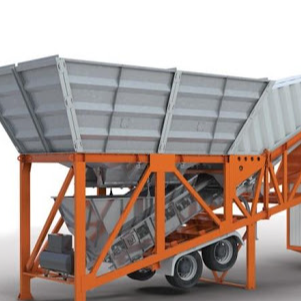
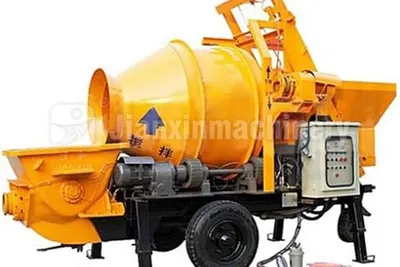
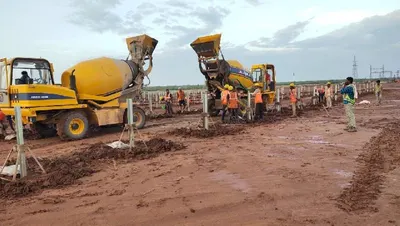
Based in Turkey, Mrm Concrete Batching Plants Co. lists ten active products across concrete mixing and batching equipment. The catalogue includes mobile plants such as the Mrm 120-135m and 90m models, compact units like the Mrm 60C and 100C, stationary plants including the Mrm 100s, 150S and 180S, as well as planetary mixers and twin‑shaft concrete mixers. All items fall under the broader concrete mixer and concrete pump categories.
Three of the listed products carry the HS code 8474.31, which classifies machinery for mixing concrete. The Mrm 150S and 180S stationary plants are described with carbon‑steel structural frames combined with wear‑resistant alloy or steel plate components, while the twin‑shaft mixers use high‑grade structural steel with abrasion‑resistant liner plates. These material specifications align with typical industry requirements for durability in high‑throughput batching operations.
Product Range and Specialties of Mrm Concrete Batching Plants Co.
The product range comprises five mobile concrete batching plants (120‑135 m³/h, 90 m³/h, 100 m z, 60 C compact, 100 C compact), two stationary plants (100 s, 150S, 180S) and two mixer types (planetary mixers and twin‑shaft mixers). Capacities for mobile units generally span 60 to 135 m³ per hour, while stationary plants are rated from 100 to 180 m³ per hour, matching common project scales from small contractors to large infrastructure works.
In the concrete equipment sector, mobile batching plants are typically built to EN 206 standards and use carbon‑steel frames with corrosion‑resistant coatings. Stationary plants often feature modular steel structures, wear‑resistant plates, and power ratings between 150 kW and 300 kW. Buyers frequently request CE marking, ISO 9001 quality‑management certification, and performance test reports that confirm mixing homogeneity, slump range, and energy consumption.
Frequently Asked Questions About Mrm Concrete Batching Plants Co.
What concrete batching plant models does Mrm Concrete Batching Plants Co. offer?
The catalogue lists ten models, including the mobile Mrm 120‑135m, Mrm 90m, Mrm 100 m z, compact Mrm 60C and 100C, as well as the stationary Mrm 100s, 150S and 180S plants. In addition, the company provides Mrm Planetary Concrete Mixers and Mrm Twin Shaft Concrete Mixers for specialized mixing tasks.
Which HS code is assigned to the Mrm 150S stationary concrete batching plant?
The Mrm 150S is classified under HS code 8474.31, which covers concrete mixing machinery. Buyers should verify that the export documentation cites this code correctly for customs clearance.
What material specifications are highlighted for the twin‑shaft concrete mixers?
The twin‑shaft mixers are built from high‑grade structural steel with abrasion‑resistant liner plates, a common specification for high‑volume mixing equipment. This construction is intended to minimise wear and maintain mixing efficiency over long service periods.
Which certifications are typically required for Turkish concrete batching plants?
Buyers usually request CE marking for safety compliance, ISO 9001 for quality‑management systems, and ISO 14001 when environmental management is a concern. These certificates should be provided by the supplier before shipment.
What are the usual lead times for a mobile concrete batching plant from Turkey?
Lead times commonly range from eight to twelve weeks after receipt of a confirmed order and required documentation. The exact schedule depends on model size, optional features and any customisation requested by the buyer.
TurkeyRelated Suppliers & Products
Explore similar suppliers, related products and trending categories





.jpg.png)