Minh & Nao Co., Ltd — Supplier
About Minh & Nao Co., Ltd - Charcoal Supplier in Viet Nam
Vietnam is the source of Minh & Nao Co., Ltd, which currently lists five active charcoal products in its catalogue. The company focuses on various types of white charcoal derived from hardwood and agricultural residues. Its product set includes three hardwood‑based white charcoals and two variants produced from sawdust and fruit‑tree waste. All items fall under the broad commodity group of charcoal, commonly classified under HS chapter 44 for wood charcoal. The supplier’s active product count of five reflects a narrow but defined range within the charcoal market.
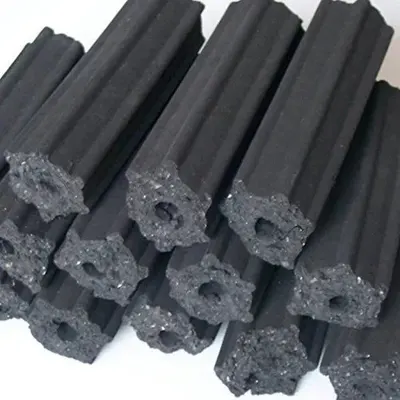
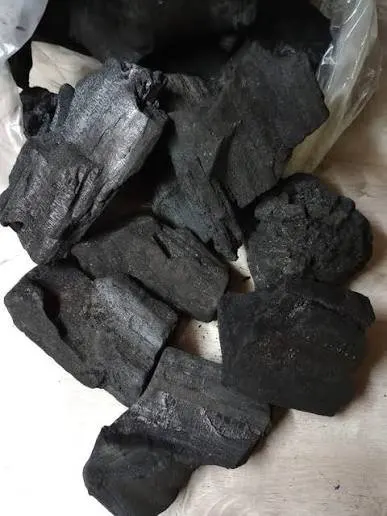
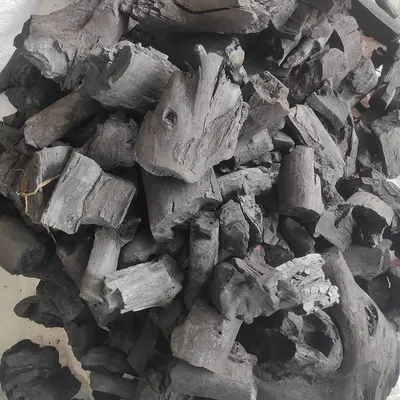
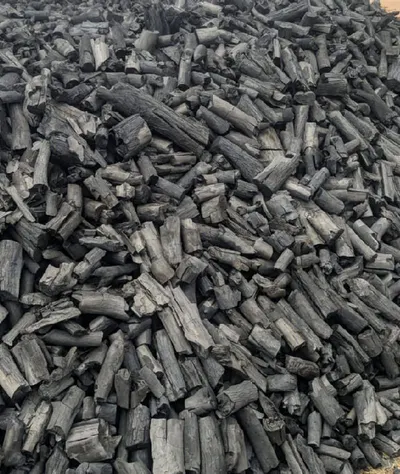
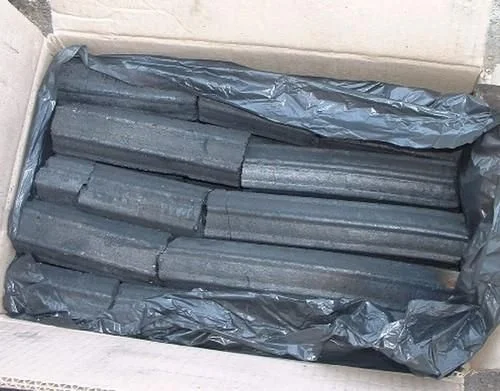
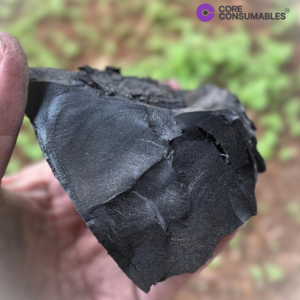
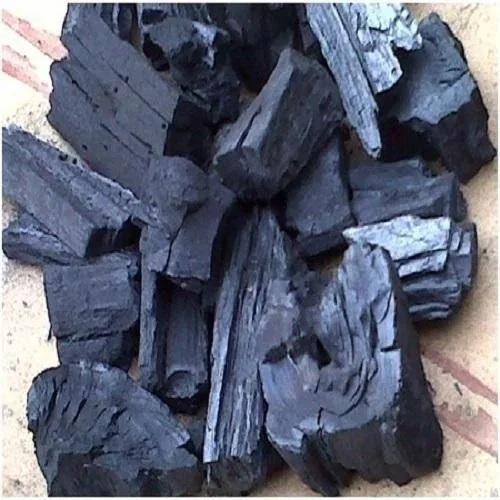
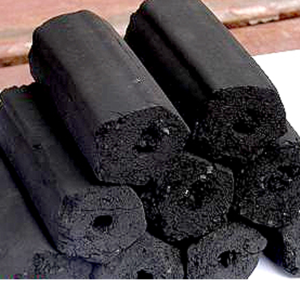
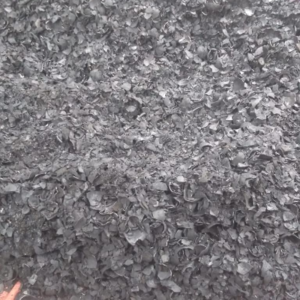
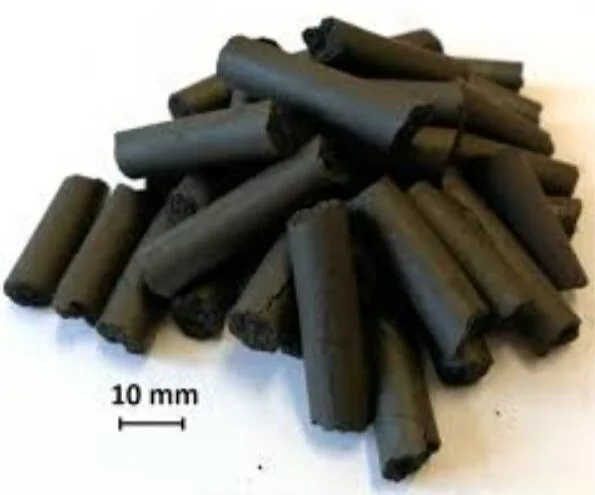
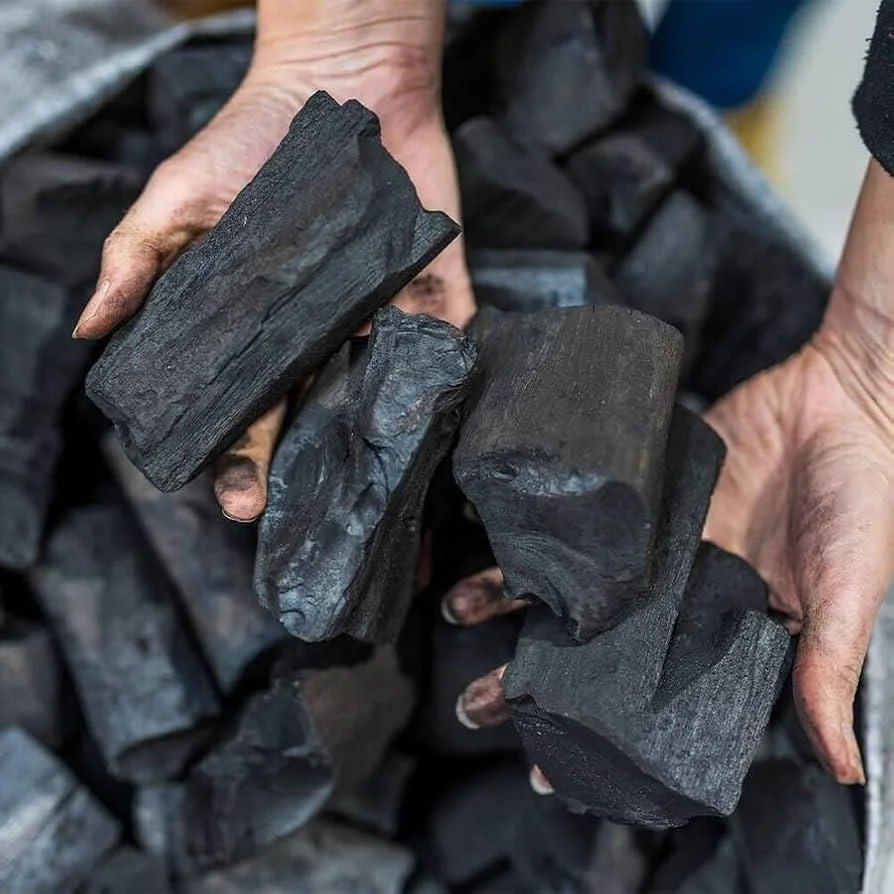
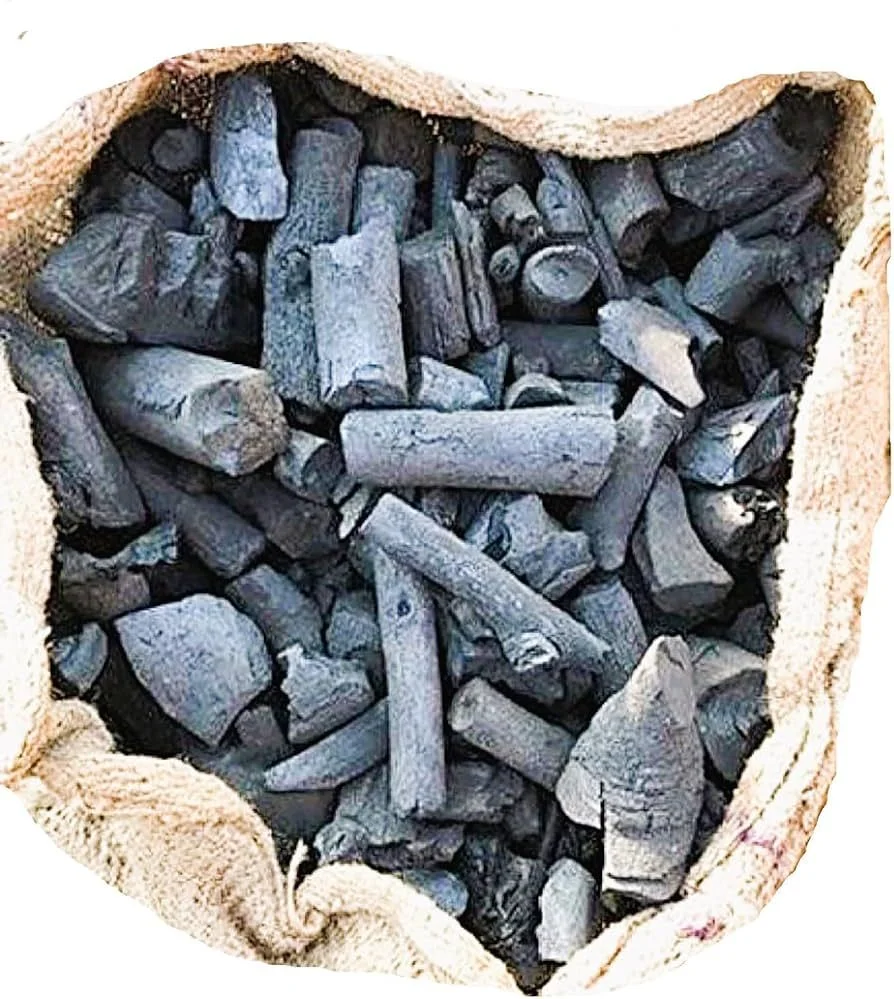
The catalogue specifies Eucalyptus White Charcoal, Konia White Charcoal, Maitiew White Charcoal, Sawdust Charcoal, and Lychee White Charcoal. Each product is described by its feedstock - eucalyptus, konia, maitiew, sawdust, and lychee wood respectively - and is marketed as a white (low‑ash) charcoal suitable for grilling, metal processing, or briquette production. No additional specifications such as dimensions or moisture content are listed in the supplied data.
Product Range and Specialties of Minh & Nao Co., Ltd
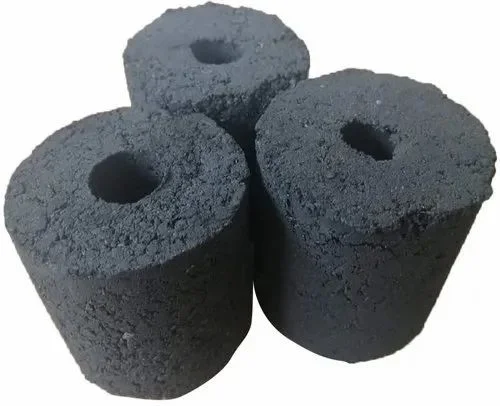
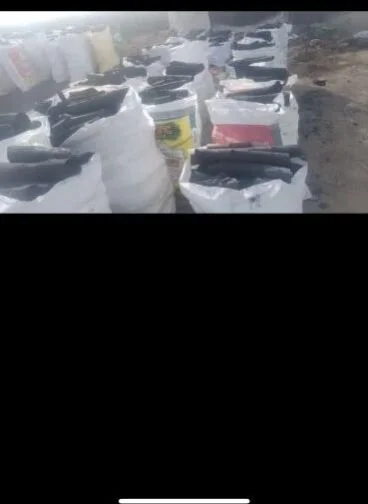
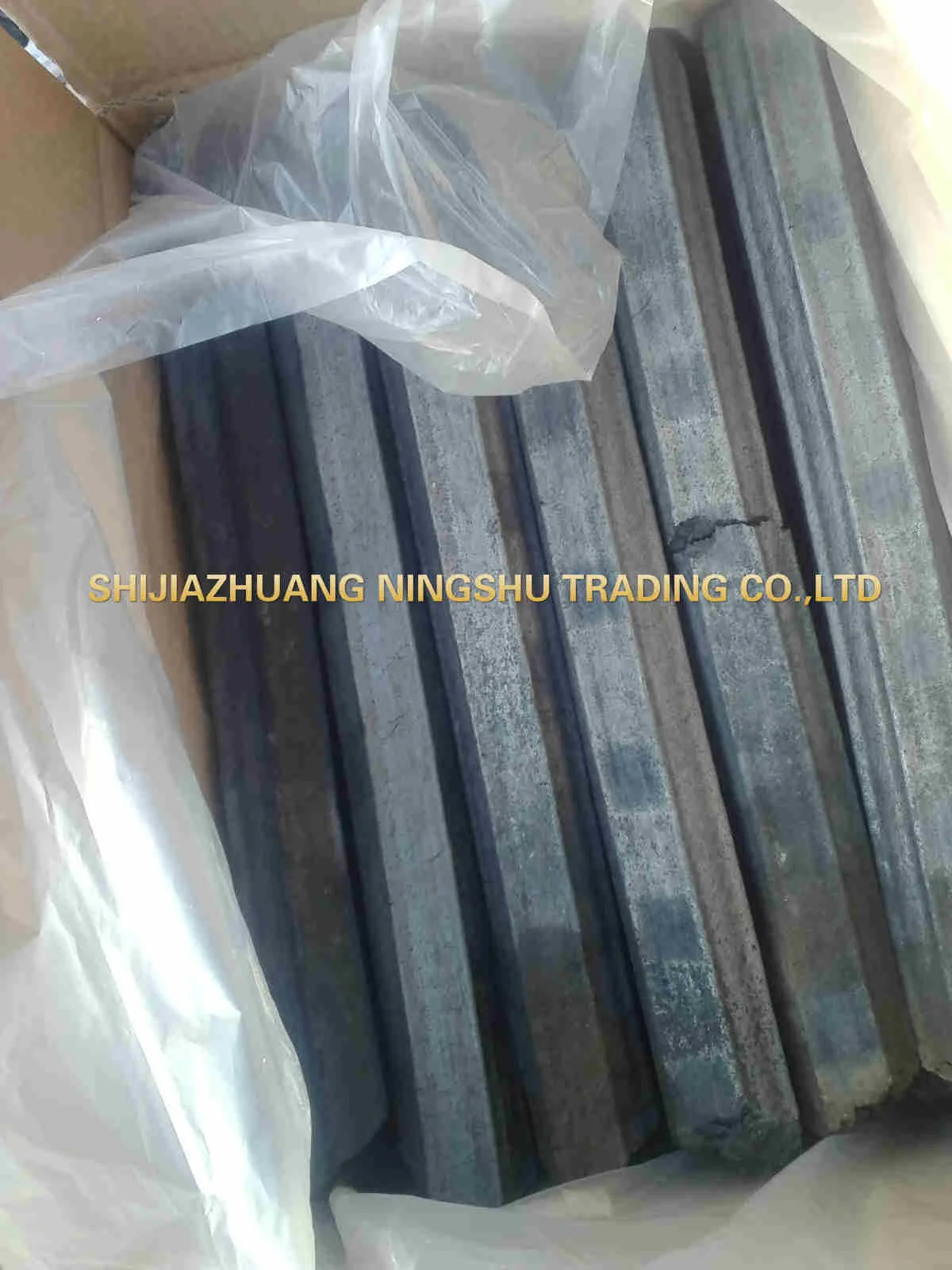
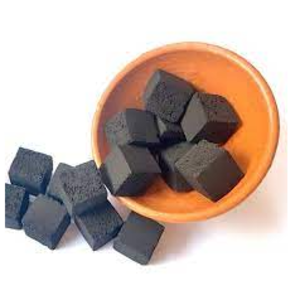
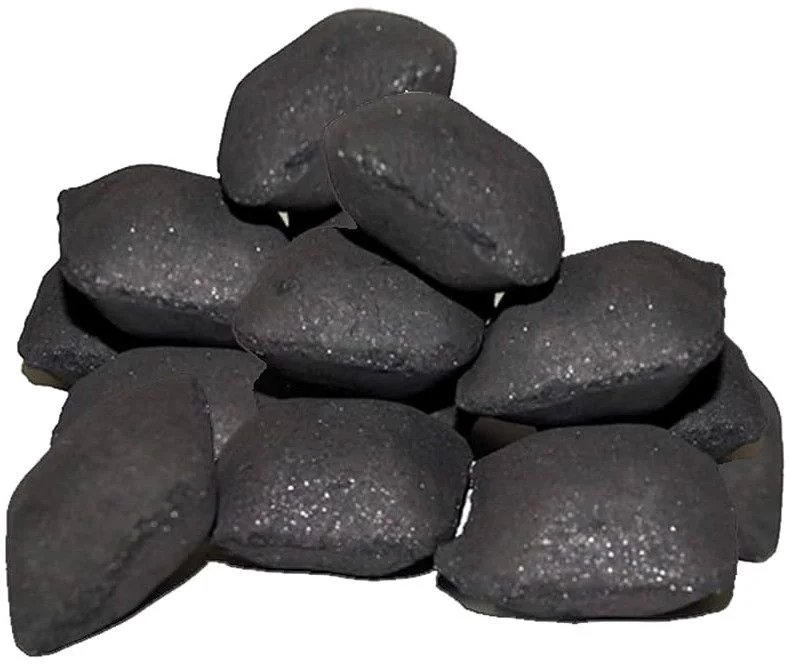
Eucalyptus, Konia and Maitiew white charcoals are hardwood‑derived products that typically meet IC 30‑40 grade, with moisture below 10 % and ash content under 5 %. Standard dimensions for briquette‑type charcoal are 6 × 6 × 6 cm, weighing around 300 g each, and a calorific value of 30 - 35 MJ kg⁻¹. Sawdust charcoal, produced from agricultural residues, often falls into the same low‑ash range but may have a slightly lower calorific value (28 - 32 MJ kg⁻¹) and higher bulk density, commonly supplied in 25 kg polypropylene bags. Lychee white charcoal, made from fruit‑tree wood, shares the hardwood profile and is used where a fine, uniform burn is required. Buyers commonly request certifications such as ISO 9001 for quality management and test reports confirming moisture, ash, and calorific values.
Trade and Export Information - Minh & Nao Co., Ltd
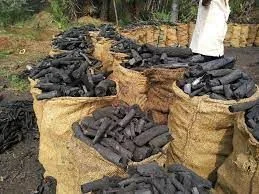
Vietnamese charcoal exporters generally ship to markets in Southeast Asia, the Middle East, Europe, and North America, where the product is used in food‑service grilling, metallurgical fuel, and briquette manufacturing. The relevant HS code for most of these products is 4401 90 (Other charcoal). Export shipments are typically packed in 25 kg bags placed in 20‑ft or 40‑ft containers, achieving a loading density of about 1,200 kg per cubic meter. Common Incoterms include FOB Ho Chi Minh City or CIF destination ports, depending on buyer preference.
Importing countries often require compliance with food‑safety standards such as ISO 22000 or HACCP for charcoal intended for culinary use, and with environmental certifications like FSC or PEFC when the feedstock is sourced from sustainably managed forests. Customs inspections frequently verify moisture and ash content against the declared specifications. Buyers should be prepared to provide a phytosanitary certificate for wood‑based products and a material safety data sheet (MSDS) for handling.
Sourcing from Minh & Nao Co., Ltd - Buyer Guidance
When sourcing from Minh & Nao Co., Ltd, buyers should request laboratory analysis reports that detail moisture percentage, ash content, volatile matter, and calorific value for each charcoal type. Confirmation of the feedstock origin and any sustainability certification (e.g., FSC) helps verify compliance with import regulations in many jurisdictions.
Samples are typically supplied in 5 kg quantities and should be evaluated for burn quality, ash residue, and size uniformity before confirming bulk orders. Verify that packaging meets the buyer’s logistics requirements - standard 25 kg polypropylene bags sealed for moisture protection - and clarify the preferred Incoterm and container loading plan. Ensure that the supplier can provide the necessary test certificates and that any requested third‑party inspection can be arranged prior to shipment.
Frequently Asked Questions About Minh & Nao Co., Ltd
What types of charcoal does Minh & Nao Co., Ltd offer?
The supplier lists five products - Eucalyptus White Charcoal, Konia White Charcoal, Maitiew White Charcoal, Sawdust Charcoal and Lychee White Charcoal - all marketed as low‑ash white charcoal derived from hardwood or agricultural residues.
Under which HS code are these charcoal products classified for export?
Most of the listed items fall under HS heading 4401 90, which covers other wood charcoal not elsewhere specified.
What typical quality specifications should buyers verify for these charcoals?
Buyers usually check moisture content below 10 %, ash content under 5 %, and a calorific value of 30 ± 5 MJ kg⁻¹; briquette dimensions are often 6 × 6 × 6 cm.
Which certifications are commonly required for Vietnamese charcoal intended for food‑service use?
Importers often request ISO 22000 or HACCP compliance, a phytosanitary certificate, and optionally FSC or PEFC sustainability certification.
What are the standard packaging and container options for bulk orders?
Charcoal is typically packed in 25 kg polypropylene bags, which are loaded into 20‑ft or 40‑ft containers, allowing a loading weight of roughly 20‑22 tonnes per 20‑ft container.
What is the usual lead time and minimum order quantity for new buyers?
Suppliers in Vietnam generally require a lead time of 30‑45 days from order confirmation and a minimum order of one 20‑ft container, though exact figures should be confirmed with the seller.
How can a buyer obtain a sample before placing a larger order?
Samples are normally offered in 5 kg bags; the buyer should request a sample quote and specify the desired certification documents to accompany the sample.
Which Incoterms are typically used for shipping charcoal from Vietnam?
Common Incoterms include FOB Ho Chi Minh City and CIF destination port, allowing the buyer to choose the level of shipping responsibility.




 , Viet Nam