Minerals Processing Industry — Verified Supplier

About Minerals Processing Industry - Other Ores & Minerals Supplier in India

India hosts Minerals Processing Industry with a catalogue that lists ten distinct mineral products. The supplier groups these under broader categories such as Other Ores & Minerals, Quartz, Carbon, Stone Pebbles, Dolomite and Silica Sand, reflecting the diversity of its offering. Each product entry aligns with a specific HS‑code family, for example Quartz under HS 2506.10 and Dolomite under HS 2518.10. The catalogue also includes materials without explicit HS codes, indicating a broader raw‑material scope. This factual snapshot avoids any marketing language and focuses on the concrete product count and classification.

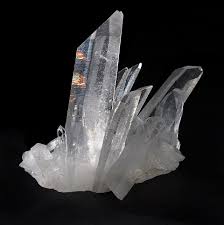
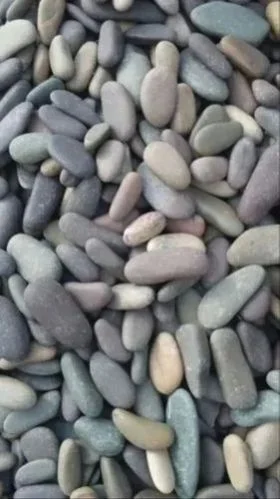
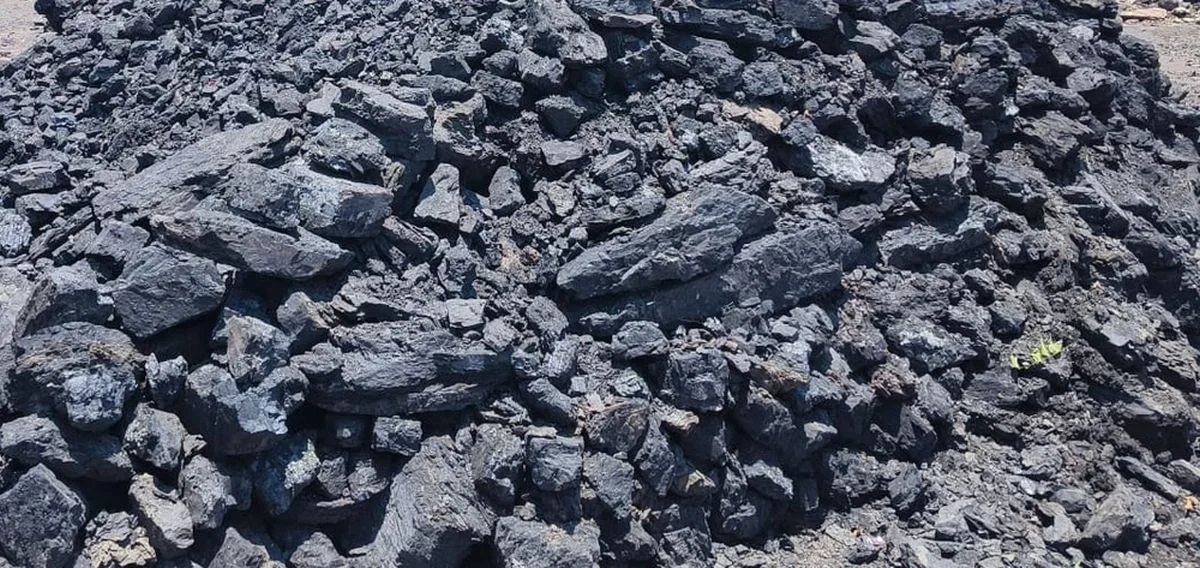
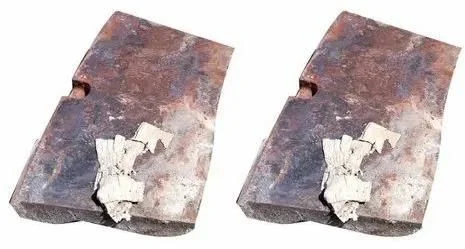
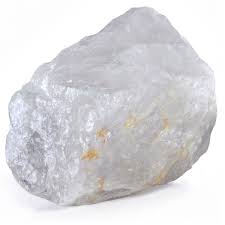
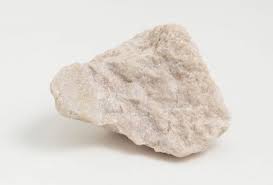
The active product list includes Quartz (HS 2506.10, SiO2 natural mineral), Kyanite (HS 2528.00, Al2SiO5), Pebbles (no HS code provided), Fused silica (HS 7020.00, amorphous glass ≥99.9 % purity), Felsite (HS 2515.90, natural igneous rock), Coal‑based activated carbon (no HS code), Coconut‑based activated carbon (no HS code), Dolomite (HS 2518.10, CaMg(CO3)2), Calcite (HS 2517.49, CaCO3) and Silica Ramming Mass (HS 6903.90, silica sand ≥99 % SiO2). These entries give buyers clear reference points for customs classification and material composition.

Product Range and Specialties of Minerals Processing Industry

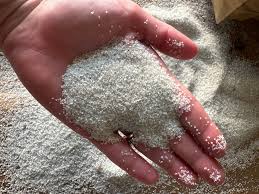
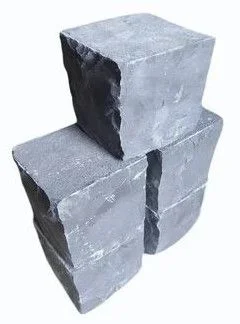
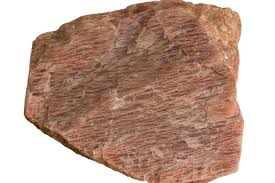
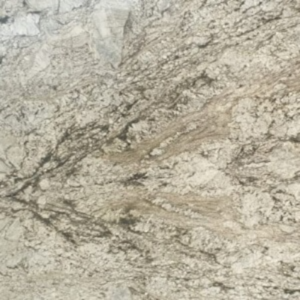
The catalogue covers a spectrum of industrial minerals. Quartz is typically supplied in 99.5 % - 99.9 % SiO2 purity and graded by particle size from 0‑75 µm to 0‑150 µm for glass and electronics. Kyanite is usually classified by Al2O3 content (≥95 %) and fiber length for refractory applications. Pebbles are offered in size ranges such as 5‑10 mm, 10‑20 mm and are used in landscaping and drainage. Fused silica, with ≥99.9 % purity, is standard for optical lenses and semiconductor wafers, often shipped in 20 ft containers with moisture barriers. Felsite is a feldspar‑rich igneous rock employed in ceramics, commonly graded by bulk density (2.5‑2.7 g/cm³). Activated carbon, whether coal‑ or coconut‑based, is measured by iodine number (≥800 mg/g) and BET surface area (≥800 m²/g). Dolomite and Calcite are supplied with CaCO3 equivalent purity of 95 %‑99 % and are sized for steelmaking or filler uses. Silica Ramming Mass, a high‑purity silica sand, meets specifications of grain size 0‑2 mm and moisture ≤0.5 % for foundry molds.

Trade and Export Information - Minerals Processing Industry

India is a major exporter of industrial minerals, shipping bulk or containerised loads to Southeast Asia, the Middle East, Europe and North America. Buyers in glass manufacturing, ceramics, steel refining, water treatment and electronics typically import the HS‑code families represented here (2506, 2528, 7020, 2515, 2518, 2517, 6903). Standard export documentation includes the commercial invoice, packing list, certificate of origin and, where required, REACH compliance statements. Common buyer‑required certifications are ISO 9001 quality management, SGS inspection reports and, for activated carbon, ISO 16528 adsorption test results. Packaging follows industry norms: bulk minerals are often packed in 20 ft or 40 ft containers on wooden pallets, while finer powders such as fused silica may be bagged in 25 kg multi‑wall bags with desiccant. Typical Incoterms are FOB Indian ports (e.g., Mumbai, Chennai) or CIF to the buyer’s destination, with lead times of 30‑45 days after order confirmation.

Sourcing from Minerals Processing Industry - Buyer Guidance

When sourcing from Minerals Processing Industry, request a current Material Safety Data Sheet (MSDS) and a Certificate of Analysis for each mineral to verify purity, particle size distribution and moisture content. For quartz and silica products, buyers often ask for bulk density and loss on ignition (LOI) test results; for activated carbon, request iodine number and BET surface area data. Verify that the HS code on the commercial invoice matches the product description and that any required certifications (ISO 9001, REACH, SGS) are provided before shipment. Minimum order quantities for bulk minerals generally start at 5 metric tonnes, with larger orders benefiting from economies of scale in container loading. Confirm packaging details - such as 25 kg bags for powders or bulk bagging for stones - and ensure that the supplier can meet the buyer’s preferred Incoterm (FOB or CIF).

Frequently Asked Questions About Minerals Processing Industry

What HS codes apply to the minerals offered by Minerals Processing Industry?

The catalogue lists HS 2506.10 for Quartz, 2528.00 for Kyanite, 7020.00 for Fused silica, 2515.90 for Felsite, 2518.10 for Dolomite, 2517.49 for Calcite and 6903.90 for Silica Ramming Mass. Products without a listed code, such as Pebbles or activated carbon, fall under broader headings like 2505 (Other ores) or 3804 (Activated carbon) depending on the final classification.

Which quality specifications are typical for the quartz product?

Industrial quartz is usually supplied with SiO2 purity between 99.5 % and 99.9 %, bulk density around 2.6 g/cm³ and a particle‑size distribution that meets the buyer’s grade (e.g., 0‑75 µm for glass). Test reports often include loss on ignition (LOI) and moisture content below 0.2 %.

How is activated carbon graded and what tests should a buyer request?

Activated carbon is graded by iodine number (≥800 mg/g) and BET surface area (≥800 m²/g). Buyers should ask for ISO 16528 adsorption capacity data, an MSDS and a certificate confirming the source material (coal or coconut).

What packaging options are available for bulk silica sand?

Silica sand such as the Silica Ramming Mass is commonly shipped in 20 ft or 40 ft containers on wooden pallets, or in bulk bags (1‑2 tonne capacity) with moisture‑proof liners. The supplier can also provide loose‑bulk loading for dedicated bulk carriers upon request.

Which certifications are typically required for Indian mineral exporters?

International buyers usually require ISO 9001 quality‑management certification, SGS or Bureau Veritas inspection reports, and compliance with REACH or EU Regulation 1907/2006 for hazardous substances. Specific products like activated carbon may also need ISO 16528 certification.

What are the common lead times and Incoterms for these mineral shipments?

Lead times from order confirmation to shipment are generally 30‑45 days, depending on product preparation and container availability. Standard Incoterms used are FOB from major Indian ports (e.g., Mumbai, Chennai) or CIF to the buyer’s destination port.

How should a buyer verify the purity of dolomite and calcite deliveries?

Request a Certificate of Analysis that includes CaCO3 and MgCO3 content, bulk density, moisture level (<0.5 %) and particle‑size distribution. Independent third‑party testing (e.g., SGS) can be stipulated in the purchase contract for additional verification.

Are there any import restrictions for these minerals in the EU or US markets?

The EU and US typically require compliance with REACH (EU) or TSCA (US) for mineral imports, along with documentation proving that the material does not contain prohibited substances. Importers should also ensure that the HS code matches the product and that any required safety data sheets are provided.


Featured Products from this Supplier

Other Suppliers in Primary Category

Top Trusted Suppliers

Related Products

Trending in Parent Category

More Suppliers in Category

Related Products

Other Suppliers

EximNext
58.5K+ live requirements
Register Free🎁 Reach verified global buyers
Post Requirement
🌍 Trusted by 224.6K+ businesses in 200+ countries|
58.5K+ active requirements right now
✉️ [email protected]
|
Sell on EximNextPost Requirement
EximNext
AgricultureApparelConstructionElectronicFoodHomeIndustrialMineralsMiscellaneous
🔥 Deals|✨ AI Match|🏭 Suppliers|📋 Buy Leads|💰 Trade Finance
58.5K+ live RFQs·194.6K+ suppliers
🎁 Reach global buyers →
EximNext
EximNext
Register Free
🎁 Reach verified global buyers
Sign In
📋Post Requirement💬Get QuotesAI Match📋RFQ Marketplace
All Categories
Services & Tools
🏭Supplier Directory🔥Today's Deals💰Trade Finance
Sell on EximNext
AboutContactBlogHelp
🏭

Minerals Processing Industry

Harbor
Country flag , India
🛡️
55/100
Trust Score

Minerals Processing Industry Product Catalog

Showing 10 of 10 products
View all products →
Quartz
Harbor
Quartz
Contact
MOQ: 1 Unit
Kyanite
Harbor
Kyanite
Contact
MOQ: 1 Unit
Pebbles
Harbor
Pebbles
Contact
MOQ: 1 Unit
Fused silica
Harbor
Fused silica
Contact
MOQ: 1 Unit
Felsite
Harbor
Felsite
Contact
MOQ: 1 Unit
Coal based activated carbon
Harbor
Coal based activated carbon
Contact
MOQ: 1 Unit
Coconut based activated carbon
Harbor
Coconut based activated carbon
Contact
MOQ: 1 Unit
Dolomite
Harbor
Dolomite
Contact
MOQ: 1 Unit
Calcite
Harbor
Calcite
Contact
MOQ: 1 Unit
Silica Ramming Mass
Harbor
Silica Ramming Mass
Contact
MOQ: 1 Unit

About Minerals Processing Industry - Other Ores & Minerals Supplier in India

India hosts Minerals Processing Industry with a catalogue that lists ten distinct mineral products. The supplier groups these under broader categories such as Other Ores & Minerals, Quartz, Carbon, Stone Pebbles, Dolomite and Silica Sand, reflecting the diversity of its offering. Each product entry aligns with a specific HS‑code family, for example Quartz under HS 2506.10 and Dolomite under HS 2518.10. The catalogue also includes materials without explicit HS codes, indicating a broader raw‑material scope. This factual snapshot avoids any marketing language and focuses on the concrete product count and classification.

The active product list includes Quartz (HS 2506.10, SiO2 natural mineral), Kyanite (HS 2528.00, Al2SiO5), Pebbles (no HS code provided), Fused silica (HS 7020.00, amorphous glass ≥99.9 % purity), Felsite (HS 2515.90, natural igneous rock), Coal‑based activated carbon (no HS code), Coconut‑based activated carbon (no HS code), Dolomite (HS 2518.10, CaMg(CO3)2), Calcite (HS 2517.49, CaCO3) and Silica Ramming Mass (HS 6903.90, silica sand ≥99 % SiO2). These entries give buyers clear reference points for customs classification and material composition.

Product Range and Specialties of Minerals Processing Industry

The catalogue covers a spectrum of industrial minerals. Quartz is typically supplied in 99.5 % - 99.9 % SiO2 purity and graded by particle size from 0‑75 µm to 0‑150 µm for glass and electronics. Kyanite is usually classified by Al2O3 content (≥95 %) and fiber length for refractory applications. Pebbles are offered in size ranges such as 5‑10 mm, 10‑20 mm and are used in landscaping and drainage. Fused silica, with ≥99.9 % purity, is standard for optical lenses and semiconductor wafers, often shipped in 20 ft containers with moisture barriers. Felsite is a feldspar‑rich igneous rock employed in ceramics, commonly graded by bulk density (2.5‑2.7 g/cm³). Activated carbon, whether coal‑ or coconut‑based, is measured by iodine number (≥800 mg/g) and BET surface area (≥800 m²/g). Dolomite and Calcite are supplied with CaCO3 equivalent purity of 95 %‑99 % and are sized for steelmaking or filler uses. Silica Ramming Mass, a high‑purity silica sand, meets specifications of grain size 0‑2 mm and moisture ≤0.5 % for foundry molds.

Trade and Export Information - Minerals Processing Industry

India is a major exporter of industrial minerals, shipping bulk or containerised loads to Southeast Asia, the Middle East, Europe and North America. Buyers in glass manufacturing, ceramics, steel refining, water treatment and electronics typically import the HS‑code families represented here (2506, 2528, 7020, 2515, 2518, 2517, 6903). Standard export documentation includes the commercial invoice, packing list, certificate of origin and, where required, REACH compliance statements. Common buyer‑required certifications are ISO 9001 quality management, SGS inspection reports and, for activated carbon, ISO 16528 adsorption test results. Packaging follows industry norms: bulk minerals are often packed in 20 ft or 40 ft containers on wooden pallets, while finer powders such as fused silica may be bagged in 25 kg multi‑wall bags with desiccant. Typical Incoterms are FOB Indian ports (e.g., Mumbai, Chennai) or CIF to the buyer’s destination, with lead times of 30‑45 days after order confirmation.

Sourcing from Minerals Processing Industry - Buyer Guidance

When sourcing from Minerals Processing Industry, request a current Material Safety Data Sheet (MSDS) and a Certificate of Analysis for each mineral to verify purity, particle size distribution and moisture content. For quartz and silica products, buyers often ask for bulk density and loss on ignition (LOI) test results; for activated carbon, request iodine number and BET surface area data. Verify that the HS code on the commercial invoice matches the product description and that any required certifications (ISO 9001, REACH, SGS) are provided before shipment. Minimum order quantities for bulk minerals generally start at 5 metric tonnes, with larger orders benefiting from economies of scale in container loading. Confirm packaging details - such as 25 kg bags for powders or bulk bagging for stones - and ensure that the supplier can meet the buyer’s preferred Incoterm (FOB or CIF).

Frequently Asked Questions About Minerals Processing Industry

What HS codes apply to the minerals offered by Minerals Processing Industry?

The catalogue lists HS 2506.10 for Quartz, 2528.00 for Kyanite, 7020.00 for Fused silica, 2515.90 for Felsite, 2518.10 for Dolomite, 2517.49 for Calcite and 6903.90 for Silica Ramming Mass. Products without a listed code, such as Pebbles or activated carbon, fall under broader headings like 2505 (Other ores) or 3804 (Activated carbon) depending on the final classification.

Which quality specifications are typical for the quartz product?

Industrial quartz is usually supplied with SiO2 purity between 99.5 % and 99.9 %, bulk density around 2.6 g/cm³ and a particle‑size distribution that meets the buyer’s grade (e.g., 0‑75 µm for glass). Test reports often include loss on ignition (LOI) and moisture content below 0.2 %.

How is activated carbon graded and what tests should a buyer request?

Activated carbon is graded by iodine number (≥800 mg/g) and BET surface area (≥800 m²/g). Buyers should ask for ISO 16528 adsorption capacity data, an MSDS and a certificate confirming the source material (coal or coconut).

What packaging options are available for bulk silica sand?

Silica sand such as the Silica Ramming Mass is commonly shipped in 20 ft or 40 ft containers on wooden pallets, or in bulk bags (1‑2 tonne capacity) with moisture‑proof liners. The supplier can also provide loose‑bulk loading for dedicated bulk carriers upon request.

Which certifications are typically required for Indian mineral exporters?

International buyers usually require ISO 9001 quality‑management certification, SGS or Bureau Veritas inspection reports, and compliance with REACH or EU Regulation 1907/2006 for hazardous substances. Specific products like activated carbon may also need ISO 16528 certification.

What are the common lead times and Incoterms for these mineral shipments?

Lead times from order confirmation to shipment are generally 30‑45 days, depending on product preparation and container availability. Standard Incoterms used are FOB from major Indian ports (e.g., Mumbai, Chennai) or CIF to the buyer’s destination port.

How should a buyer verify the purity of dolomite and calcite deliveries?

Request a Certificate of Analysis that includes CaCO3 and MgCO3 content, bulk density, moisture level (<0.5 %) and particle‑size distribution. Independent third‑party testing (e.g., SGS) can be stipulated in the purchase contract for additional verification.

Are there any import restrictions for these minerals in the EU or US markets?

The EU and US typically require compliance with REACH (EU) or TSCA (US) for mineral imports, along with documentation proving that the material does not contain prohibited substances. Importers should also ensure that the HS code matches the product and that any required safety data sheets are provided.

About Minerals Processing Industry - Other Ores & Minerals Supplier in India

India hosts Minerals Processing Industry with a catalogue that lists ten distinct mineral products. The supplier groups these under broader categories such as Other Ores & Minerals, Quartz, Carbon, Stone Pebbles, Dolomite and Silica Sand, reflecting the diversity of its offering. Each product entry aligns with a specific HS‑code family, for example Quartz under HS 2506.10 and Dolomite under HS 2518.10. The catalogue also includes materials without explicit HS codes, indicating a broader raw‑material scope. This factual snapshot avoids any marketing language and focuses on the concrete product count and classification.

The active product list includes Quartz (HS 2506.10, SiO2 natural mineral), Kyanite (HS 2528.00, Al2SiO5), Pebbles (no HS code provided), Fused silica (HS 7020.00, amorphous glass ≥99.9 % purity), Felsite (HS 2515.90, natural igneous rock), Coal‑based activated carbon (no HS code), Coconut‑based activated carbon (no HS code), Dolomite (HS 2518.10, CaMg(CO3)2), Calcite (HS 2517.49, CaCO3) and Silica Ramming Mass (HS 6903.90, silica sand ≥99 % SiO2). These entries give buyers clear reference points for customs classification and material composition.

Product Range and Specialties of Minerals Processing Industry

The catalogue covers a spectrum of industrial minerals. Quartz is typically supplied in 99.5 % - 99.9 % SiO2 purity and graded by particle size from 0‑75 µm to 0‑150 µm for glass and electronics. Kyanite is usually classified by Al2O3 content (≥95 %) and fiber length for refractory applications. Pebbles are offered in size ranges such as 5‑10 mm, 10‑20 mm and are used in landscaping and drainage. Fused silica, with ≥99.9 % purity, is standard for optical lenses and semiconductor wafers, often shipped in 20 ft containers with moisture barriers. Felsite is a feldspar‑rich igneous rock employed in ceramics, commonly graded by bulk density (2.5‑2.7 g/cm³). Activated carbon, whether coal‑ or coconut‑based, is measured by iodine number (≥800 mg/g) and BET surface area (≥800 m²/g). Dolomite and Calcite are supplied with CaCO3 equivalent purity of 95 %‑99 % and are sized for steelmaking or filler uses. Silica Ramming Mass, a high‑purity silica sand, meets specifications of grain size 0‑2 mm and moisture ≤0.5 % for foundry molds.

Trade and Export Information - Minerals Processing Industry

India is a major exporter of industrial minerals, shipping bulk or containerised loads to Southeast Asia, the Middle East, Europe and North America. Buyers in glass manufacturing, ceramics, steel refining, water treatment and electronics typically import the HS‑code families represented here (2506, 2528, 7020, 2515, 2518, 2517, 6903). Standard export documentation includes the commercial invoice, packing list, certificate of origin and, where required, REACH compliance statements. Common buyer‑required certifications are ISO 9001 quality management, SGS inspection reports and, for activated carbon, ISO 16528 adsorption test results. Packaging follows industry norms: bulk minerals are often packed in 20 ft or 40 ft containers on wooden pallets, while finer powders such as fused silica may be bagged in 25 kg multi‑wall bags with desiccant. Typical Incoterms are FOB Indian ports (e.g., Mumbai, Chennai) or CIF to the buyer’s destination, with lead times of 30‑45 days after order confirmation.

Sourcing from Minerals Processing Industry - Buyer Guidance

When sourcing from Minerals Processing Industry, request a current Material Safety Data Sheet (MSDS) and a Certificate of Analysis for each mineral to verify purity, particle size distribution and moisture content. For quartz and silica products, buyers often ask for bulk density and loss on ignition (LOI) test results; for activated carbon, request iodine number and BET surface area data. Verify that the HS code on the commercial invoice matches the product description and that any required certifications (ISO 9001, REACH, SGS) are provided before shipment. Minimum order quantities for bulk minerals generally start at 5 metric tonnes, with larger orders benefiting from economies of scale in container loading. Confirm packaging details - such as 25 kg bags for powders or bulk bagging for stones - and ensure that the supplier can meet the buyer’s preferred Incoterm (FOB or CIF).

Frequently Asked Questions About Minerals Processing Industry
What HS codes apply to the minerals offered by Minerals Processing Industry?
The catalogue lists HS 2506.10 for Quartz, 2528.00 for Kyanite, 7020.00 for Fused silica, 2515.90 for Felsite, 2518.10 for Dolomite, 2517.49 for Calcite and 6903.90 for Silica Ramming Mass. Products without a listed code, such as Pebbles or activated carbon, fall under broader headings like 2505 (Other ores) or 3804 (Activated carbon) depending on the final classification.
Which quality specifications are typical for the quartz product?
Industrial quartz is usually supplied with SiO2 purity between 99.5 % and 99.9 %, bulk density around 2.6 g/cm³ and a particle‑size distribution that meets the buyer’s grade (e.g., 0‑75 µm for glass). Test reports often include loss on ignition (LOI) and moisture content below 0.2 %.
How is activated carbon graded and what tests should a buyer request?
Activated carbon is graded by iodine number (≥800 mg/g) and BET surface area (≥800 m²/g). Buyers should ask for ISO 16528 adsorption capacity data, an MSDS and a certificate confirming the source material (coal or coconut).
What packaging options are available for bulk silica sand?
Silica sand such as the Silica Ramming Mass is commonly shipped in 20 ft or 40 ft containers on wooden pallets, or in bulk bags (1‑2 tonne capacity) with moisture‑proof liners. The supplier can also provide loose‑bulk loading for dedicated bulk carriers upon request.
Which certifications are typically required for Indian mineral exporters?
International buyers usually require ISO 9001 quality‑management certification, SGS or Bureau Veritas inspection reports, and compliance with REACH or EU Regulation 1907/2006 for hazardous substances. Specific products like activated carbon may also need ISO 16528 certification.
What are the common lead times and Incoterms for these mineral shipments?
Lead times from order confirmation to shipment are generally 30‑45 days, depending on product preparation and container availability. Standard Incoterms used are FOB from major Indian ports (e.g., Mumbai, Chennai) or CIF to the buyer’s destination port.
How should a buyer verify the purity of dolomite and calcite deliveries?
Request a Certificate of Analysis that includes CaCO3 and MgCO3 content, bulk density, moisture level (<0.5 %) and particle‑size distribution. Independent third‑party testing (e.g., SGS) can be stipulated in the purchase contract for additional verification.
Are there any import restrictions for these minerals in the EU or US markets?
The EU and US typically require compliance with REACH (EU) or TSCA (US) for mineral imports, along with documentation proving that the material does not contain prohibited substances. Importers should also ensure that the HS code matches the product and that any required safety data sheets are provided.

🏭
Minerals Processing Industry
Country flag , India
Harbor
55/100
Trust Score
📦
10
Products
Free to contact — no commission
Escrow payment available
Verified business identity
Compare more suppliers
Post a requirement — get 10 quotes free
Let verified suppliers compete for your business. Free, fast, no commitment.
EximNext Verified Supplier
Business identity verified
Physical address confirmed
Financial history checked
Certifications authenticated
Trade references validated
Due Diligence
Verify this supplier's real shipping history.
Every shipment, every buyer, every port. Trade data that can't be faked.
Run due diligence →
Discover More

Related Suppliers & Products

Explore similar suppliers, related products and trending categories

Featured Products from this Supplier

Other Suppliers in Primary Category

Top Trusted Suppliers

Related Products

Trending in Parent Category

More Suppliers in Category

Stay ahead in global trade
Weekly market insights & new supplier alerts.
EximNext
Exim Next is a leading global B2B marketplace, connecting over 205,000 verified suppliers and buyers across 200+ countries. As a trusted import export marketplace, it serves as the essential B2B portal for businesses worldwide, empowering them to expand their international reach. With Exim Next, businesses can trade smarter and grow faster.
SECURE PAYMENTS
VISAMastercardPayPalSWIFTL/CEscrow
Follow us
© 2026 EximNext