Mina Rahayu — Supplier
About Mina Rahayu - Frozen Mackerel Fish Supplier in Indonesia
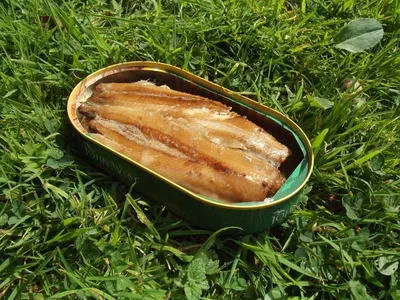
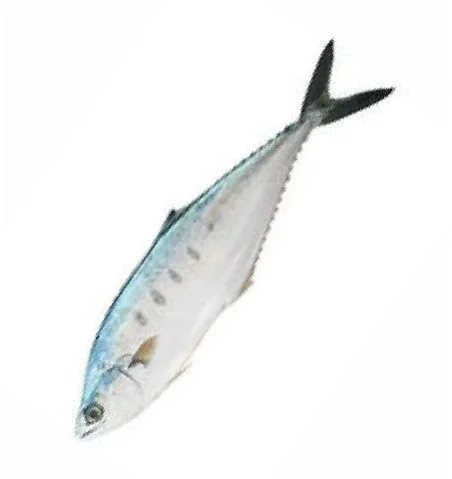
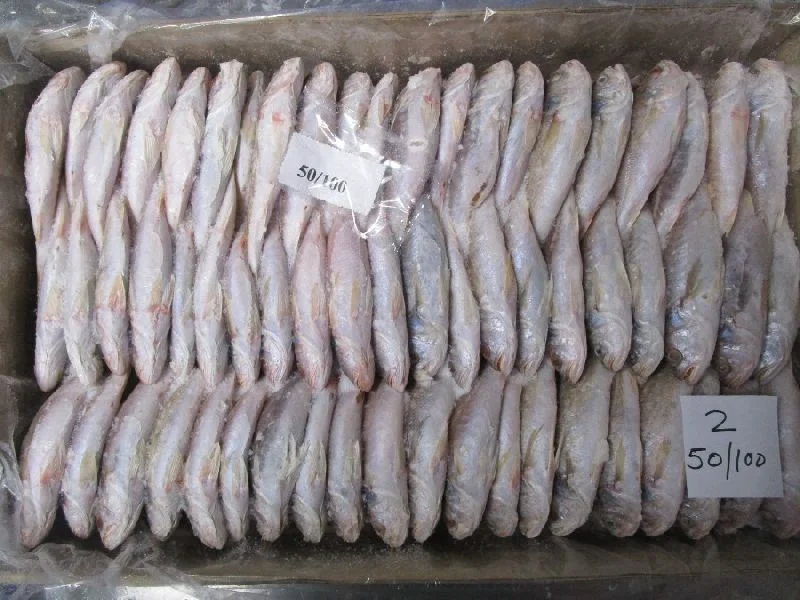
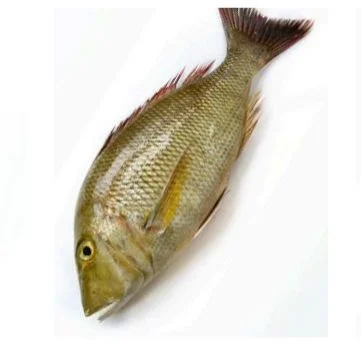
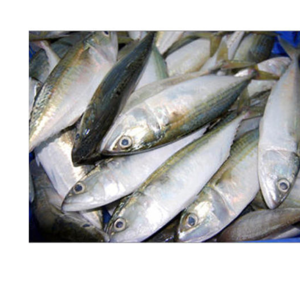
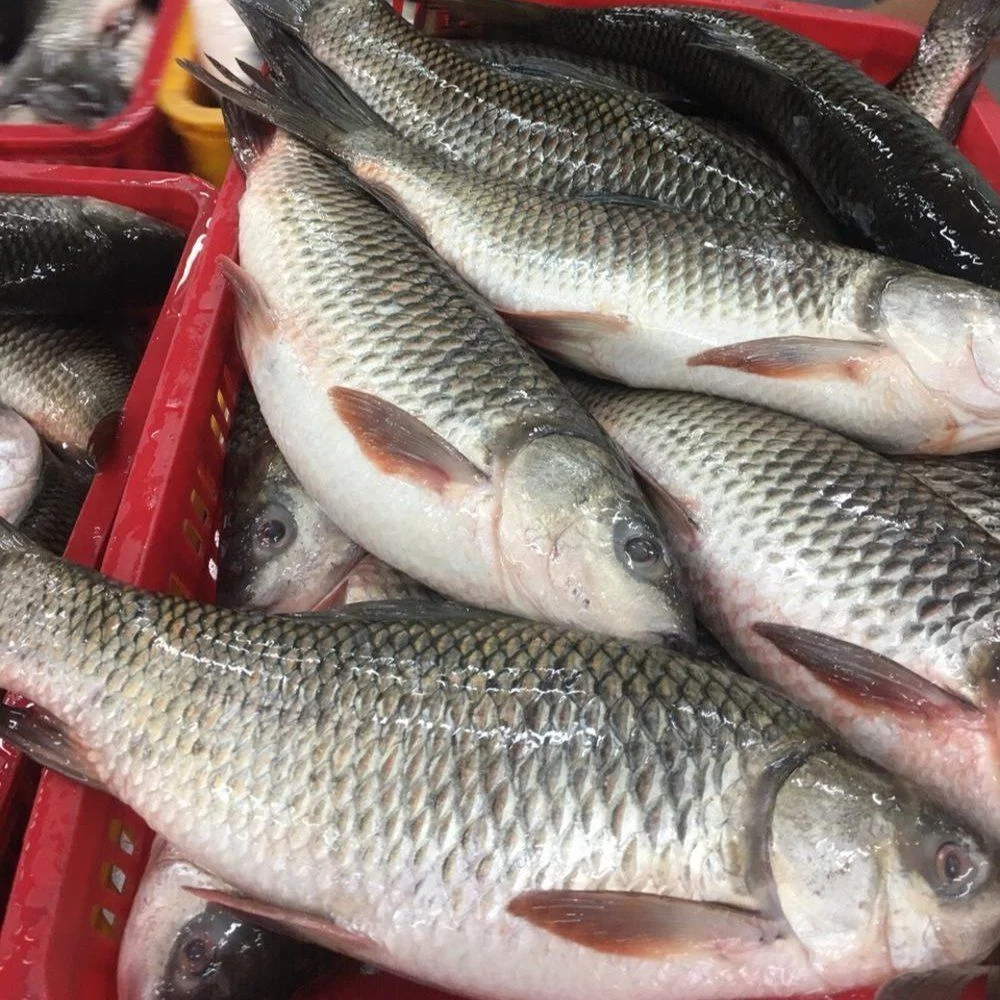
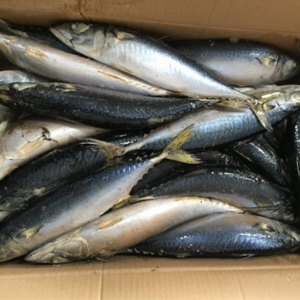
Indonesia is the origin country for Mina Rahayu, a supplier located in Indonesia. The catalogue lists six active products. The product list includes frozen mackerel scad, frozen whole squid, frozen milk fish, frozen torani/flying fish, frozen Indian mackerel, and canned skip jack and yellow fin tuna. The canned tuna entry is recorded under HS code 1604.14 and specifies skip jack and yellow fin tuna packed in sunflower oil. These items fall under HS chapter 03 for frozen fish and HS chapter 16 for canned fish.
The supplier’s top categories cover frozen mackerel fish, frozen squid, other frozen fishes, canned fish, and agriculture. Frozen products are typically shipped as whole or gutted fillets, commonly packed in insulated boxes of 10 kg or 20 kg. Canned tuna is usually offered in 80 g or 120 g metal cans, sealed with oil to preserve moisture. Indonesian seafood exporters generally meet HACCP and BRC guidelines, although no specific certifications are listed for this supplier. Buyers can expect standard export documentation such as health certificates and certificates of origin.
Product Range and Specialties of Mina Rahayu
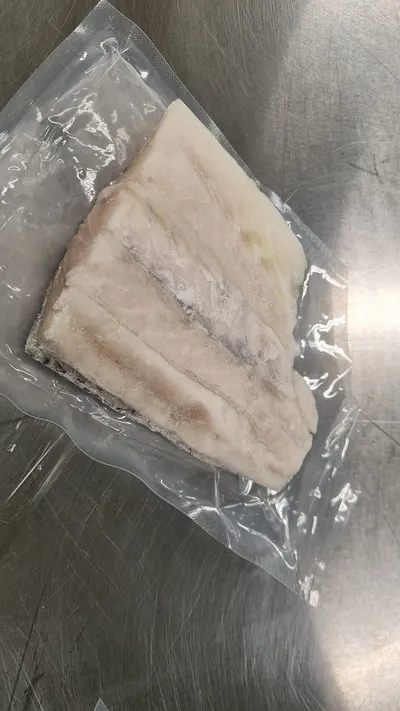
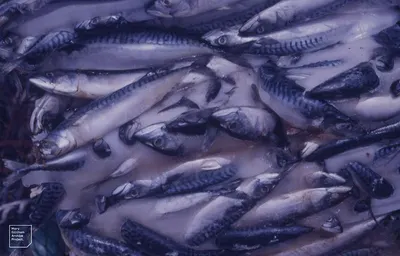
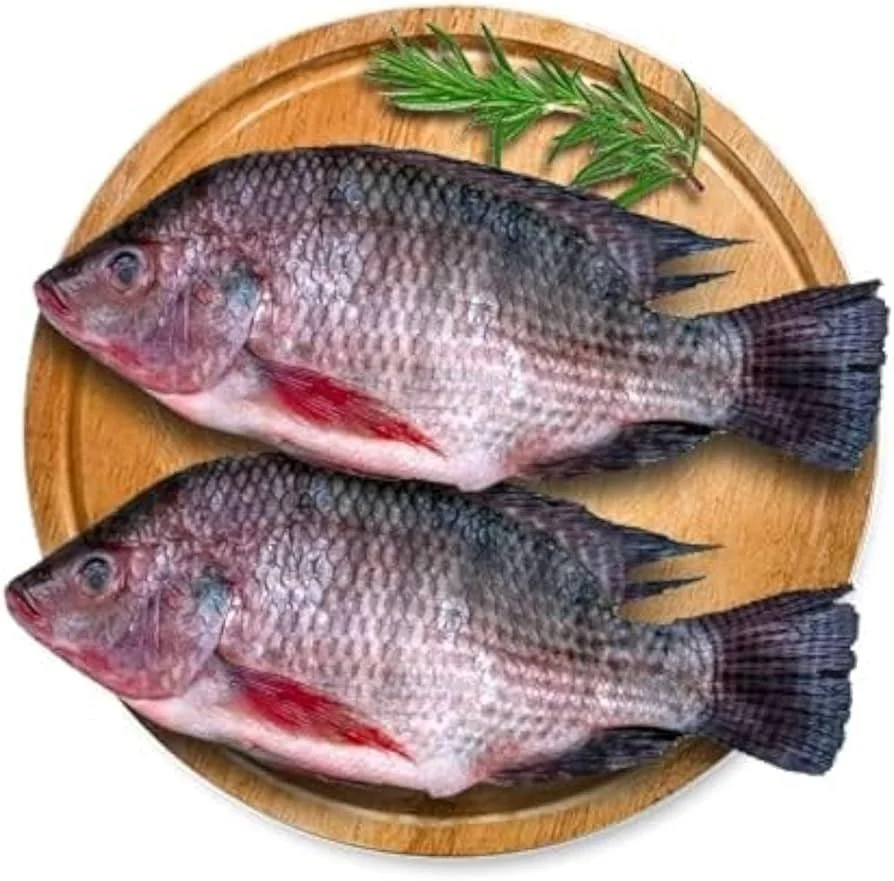
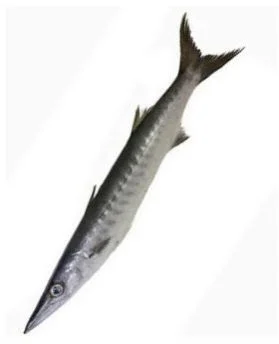
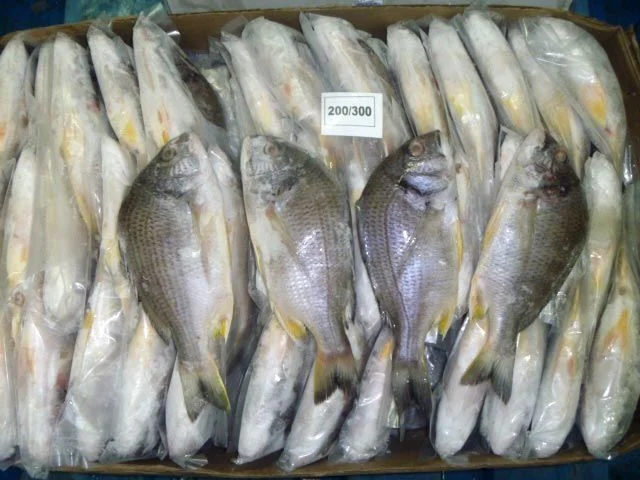
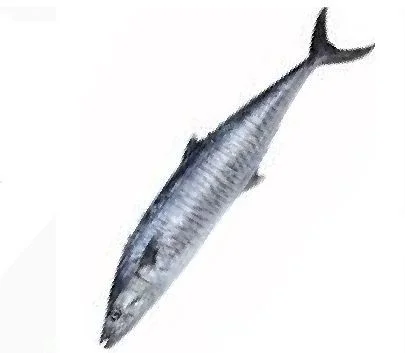
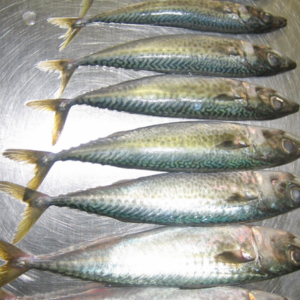
Mina Rahayu’s catalogue includes frozen mackerel scad, frozen whole squid, frozen milk fish, frozen torani/flying fish, frozen Indian mackerel, and canned skip jack and yellow fin tuna. Frozen fish products are commonly classified under HS code 0304.90 for other frozen fish, while the canned tuna is listed under HS code 1604.14. In the frozen segment, typical grades are "A" quality with flesh firmness, moisture content below 70 % and an ice glaze of 2 mm to maintain freshness. Canned tuna is usually supplied in 80 g or 120 g tins, packed in oil with a moisture level under 60 % and complying with Codex Alimentarius standards. Buyers often request specifications such as fish length (20‑30 cm for mackerel scad), weight per whole squid (5‑7 kg), and oil composition for canned products.
Trade and Export Information - Mina Rahayu
Indonesia ranks among the world’s top exporters of frozen fish and canned tuna, supplying primarily the European Union, United States, Japan, and the Middle East. Frozen fish shipments fall under HS chapter 03, especially heading 0304 for frozen finfish, and are typically transported in refrigerated containers (reefers) of 20 ft or 40 ft, with a gross weight around 18 tons per container. Canned tuna uses HS heading 1604, with standard packaging in metal cans stacked on pallets for dry cargo. Importers commonly require HACCP, BRC, ISO 22000 certifications, along with health certificates, certificates of origin, and laboratory analysis reports for mercury and histamine levels. Standard Incoterms such as FOB Jakarta or CIF Dubai are frequently used, and exporters must adhere to Indonesian Ministry of Trade export licensing procedures.
Sourcing from Mina Rahayu - Buyer Guidance
When sourcing frozen fish from Mina Rahayu, buyers should request a recent HACCP or BRC certificate, an ISO 22000 compliance statement, and a phytosanitary health certificate that confirms compliance with Codex limits for contaminants. A detailed product specification sheet should include fish size, weight range, moisture content, ice glaze thickness, and packaging dimensions. For canned tuna, buyers should also obtain a laboratory analysis report covering oil content, mercury (≤0.5 ppm), and histamine levels. Verifying the supplier’s cold‑chain handling procedures and requesting a 5 kg sample before full shipment can help confirm product quality.
Frequently Asked Questions About Mina Rahayu
What are the typical specifications for the frozen mackerel scad offered by Mina Rahayu?
The frozen mackerel scad is usually supplied as whole fish with a length of 20‑30 cm, total weight of 200‑300 g, moisture content below 70 %, and an ice glaze of approximately 2 mm. It is packed in insulated cartons of 10 kg or 20 kg and labeled with HS code 0304.90.
Which certifications should a buyer request for the canned tuna products?
Buyers should request HACCP, BRC Global Standard for Food Safety, and ISO 22000 certificates, as well as a recent health certificate confirming compliance with Codex limits for mercury and histamine. The canned tuna also carries HS code 1604.14.
What packaging formats are used for the frozen whole squid?
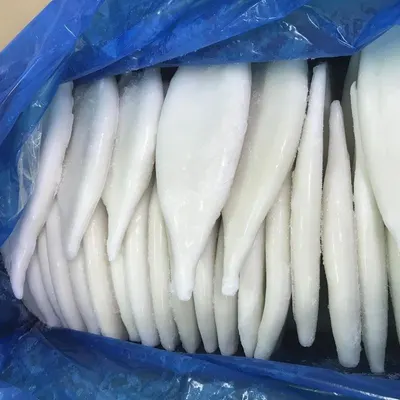
Frozen whole squid are typically packed in vacuum‑sealed poly‑bags placed inside 10 kg insulated boxes, with a standard ice coating of 1‑2 mm. The shipment is usually consolidated in a 20 ft container with a gross weight around 18 tons.
Which markets import Indonesian frozen fish and canned tuna most frequently?
The main import destinations are the European Union, the United States, Japan, and the Middle East, where retailers and food service operators source these products. Trade data shows steady growth in demand for sustainably sourced tuna in these regions.
What documentation is required for customs clearance of the frozen fish products?
Required documents typically include a phytosanitary/health certificate, a certificate of origin, the commercial invoice, and a packing list. For canned tuna, an additional analysis report for oil content and heavy metals is commonly requested.
What is the usual minimum order quantity (MOQ) for a container load of frozen fish?
Suppliers often set the MOQ at one 20 ft container, which can hold approximately 18 tons of frozen fish, or at least 1,800 kg for smaller shipments. The exact MOQ may vary based on product type and packaging.
What lead time can a buyer expect from order confirmation to shipment for these seafood products?
Lead times generally range from 15 to 30 days after order confirmation, depending on product availability, processing, and cold‑chain logistics. Seasonal variations may affect the timing for specific species such as mackerel or squid.
How can a buyer request a sample of the frozen milk fish?
A buyer can request a small sample, typically 5 kg, by contacting the supplier through the trade platform’s messaging system. The sample is shipped in a refrigerated pack with a temporary ice gel pack to maintain temperature during transit.




 , Indonesia