Microsys International (S) Pte Ltd. — Verified Supplier

About Microsys International (S) Pte Ltd. - Solar Cells Supplier in Singapore

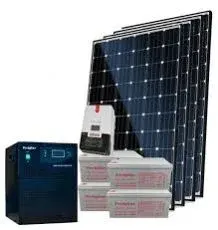
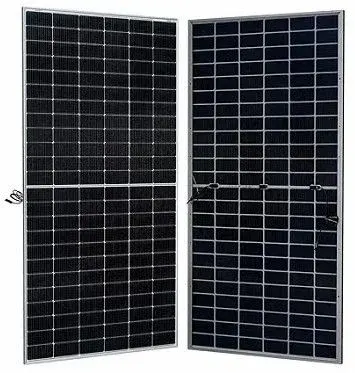
Microsys International (S) Pte Ltd. is based in Singapore and currently lists seven active products. The catalogue includes solar cells, a multi‑solar wafer classified as B grade, solar panels, a solar battery, a solar‑panel aluminum frame, 156 mm mono and multi‑crystalline silicon solar modules, and 156 mm mono and multi‑crystalline silicon wafers. Each entry corresponds to the supplier’s stated top categories of solar cells, solar panels and solar batteries, with silicon sealants also noted among its focus areas.

The seven products cover the main components of photovoltaic systems: raw silicon wafers for cell production, finished solar cells, assembled panels, balance‑of‑system aluminum framing, and energy storage units. The listing reflects a focus on both crystalline silicon technologies (mono‑ and multi‑crystalline) and ancillary hardware that supports module integration and battery‑based storage solutions.

Product Range and Specialties of Microsys International (S) Pte Ltd.

The catalogue shows Microsys offering 156 mm mono and multi‑crystalline silicon wafers and solar cells, which are standard dimensions for utility‑scale PV manufacturing. In the industry, B‑grade wafers typically have thicknesses between 180‑210 µm, resistivity around 1‑4 Ω·cm, and are used for mid‑range efficiency cells (15‑18 %). Solar panels built from these wafers usually target power outputs of 300‑350 W per 1.6 m² module, with IEC 61215 and IEC 61730 certifications being the common quality benchmarks. Solar batteries listed are often lead‑acid or lithium‑based units that comply with IEC 62933 and UL 1973 standards, while aluminum frames are fabricated to meet IEC 61730 mechanical tolerance and corrosion‑resistance requirements.

Trade and Export Information - Microsys International (S) Pte Ltd.

Singapore functions as a regional hub for photovoltaic component trade, re‑exporting to ASEAN markets, the Middle East, Europe and North America. Products such as silicon wafers and solar cells fall under HS Chapter 85 (electrical machinery) and are routinely inspected for compliance with IEC safety and performance standards before shipment. Solar panels and batteries are typically shipped on 20‑ft or 40‑ft containers with moisture‑barrier packaging and secured on wooden pallets, often under FOB Singapore or CIF terms. Export documentation commonly includes a commercial invoice, packing list, certificate of origin, IEC test report and, where required, a material safety data sheet for battery chemistries.

Sourcing from Microsys International (S) Pte Ltd. - Buyer Guidance

Buyers should request the latest IEC 61215 and IEC 61730 test reports for solar cells and panels, as well as wafer‑specific data sheets indicating thickness, resistivity and doping levels for B‑grade material. For solar batteries, a UL 1973 compliance certificate and a performance test report covering cycle life, depth‑of‑discharge and safety cut‑offs are standard. Verify packaging details (e.g., double‑wall cardboard boxes with anti‑static liners for wafers, wooden pallets with corner protectors for panels) and confirm the supplier can provide a certificate of origin for customs clearance. Typical minimum order quantities range from 1,000 wafers or 10 panels to a single battery unit, with lead times of four to eight weeks depending on product complexity and shipping method.

Frequently Asked Questions About Microsys International (S) Pte Ltd.

What solar products does Microsys International list in its catalogue?

The supplier lists solar cells, B‑grade multi‑solar wafers, 156 mm mono and multi‑crystalline silicon wafers, assembled solar panels, a solar‑panel aluminum frame, and a solar battery.

What does the "B grade" designation mean for the wafers?

B‑grade wafers are commonly defined by thickness of 180‑210 µm and resistivity between 1‑4 Ω·cm, suitable for mid‑range efficiency cells of about 15‑18 %.

Which industry certifications are typically required for these solar components?

Buyers usually ask for IEC 61215 and IEC 61730 test reports for cells and panels, IEC 62933 or UL 1973 for batteries, and IEC 61730 mechanical compliance for aluminum frames.

What packaging is standard for shipping silicon wafers and panels?

Wafers are packed in anti‑static, moisture‑barrier trays within double‑wall cardboard boxes; panels are palletised on wood with corner protectors and wrapped in shrink film.

What are common lead times and minimum order quantities for these products?

Lead times typically range from four to eight weeks. Minimum orders are often 1,000 wafers, 10 panels, or a single battery unit, depending on the item.

How should a buyer request a sample from Microsys International?

A buyer should ask for a small batch (e.g., 10 wafers or one panel) accompanied by the relevant IEC test report and a product data sheet to evaluate performance before placing a larger order.

What documentation is needed for customs clearance of solar batteries?

Customs usually require a commercial invoice, packing list, certificate of origin, and a safety data sheet or UL 1973 compliance certificate for the battery chemistry.

Are there any specific import restrictions for solar components from Singapore?

Importers generally need to ensure the products meet the destination country’s IEC safety standards and may be subject to anti‑dumping duties under HS Chapter 85, but Singapore itself does not impose export restrictions on photovoltaic hardware.


Other Suppliers in Silicon Sealants

Top Trusted Suppliers

Related Products in Silicon Sealants

Trending in Parent Category

More Suppliers in Parent Category

Related Products

Other Suppliers

EximNext
58.4K+ live requirements
Register Free🎁 5 free buy-lead credits
Post Requirement
🌍 Trusted by 224.4K+ businesses in 200+ countries|
58.4K+ active requirements right now
✉️ [email protected]
|
Sell on EximNextPost Requirement
EximNext
AgricultureApparelConstructionElectronicFoodHomeIndustrialMineralsMiscellaneous
🔥 Deals|✨ AI Match|🏭 Suppliers|📋 Buy Leads|💰 Trade Finance|⭐ Upgrade
58.4K+ live RFQs·194.4K+ suppliers
🎁 5 free credits →
EximNext
EximNext
Register Free
🎁 5 free buy-lead credits
Sign In
📋Post Requirement💬Get QuotesAI Match📋RFQ Marketplace
All Categories
Services & Tools
🏭Supplier Directory🔥Today's Deals💰Trade FinanceMembership
Sell on EximNext
AboutContactBlogHelp
🏭

Microsys International (S) Pte Ltd.

Harbor
Country flag , Singapore
🛡️
56/100
Trust Score

Microsys International (S) Pte Ltd. Product Catalog

Showing 7 of 7 products
View all products →
156 mm mono and multi crystalline silicon solar
Harbor
156 mm mono and multi crystalline silicon solar
Contact
MOQ: 1 Unit
156 mm mono and multi crystalline silicon wafers
Harbor
156 mm mono and multi crystalline silicon wafers
Contact
MOQ: 1 Unit
Solar panel aluminum frame
Harbor
Solar panel aluminum frame
Contact
MOQ: 1 Unit
Solar battery
Harbor
Solar battery
Contact
MOQ: 1 Unit
Solar panels
Harbor
Solar panels
Contact
MOQ: 1 Unit
Multi solar wafer (B grade)
Harbor
Multi solar wafer (B grade)
Contact
MOQ: 1 Unit
Solar cells
Harbor
Solar cells
Contact
MOQ: 1 Unit

About Microsys International (S) Pte Ltd. - Solar Cells Supplier in Singapore

Microsys International (S) Pte Ltd. is based in Singapore and currently lists seven active products. The catalogue includes solar cells, a multi‑solar wafer classified as B grade, solar panels, a solar battery, a solar‑panel aluminum frame, 156 mm mono and multi‑crystalline silicon solar modules, and 156 mm mono and multi‑crystalline silicon wafers. Each entry corresponds to the supplier’s stated top categories of solar cells, solar panels and solar batteries, with silicon sealants also noted among its focus areas.

The seven products cover the main components of photovoltaic systems: raw silicon wafers for cell production, finished solar cells, assembled panels, balance‑of‑system aluminum framing, and energy storage units. The listing reflects a focus on both crystalline silicon technologies (mono‑ and multi‑crystalline) and ancillary hardware that supports module integration and battery‑based storage solutions.

Product Range and Specialties of Microsys International (S) Pte Ltd.

The catalogue shows Microsys offering 156 mm mono and multi‑crystalline silicon wafers and solar cells, which are standard dimensions for utility‑scale PV manufacturing. In the industry, B‑grade wafers typically have thicknesses between 180‑210 µm, resistivity around 1‑4 Ω·cm, and are used for mid‑range efficiency cells (15‑18 %). Solar panels built from these wafers usually target power outputs of 300‑350 W per 1.6 m² module, with IEC 61215 and IEC 61730 certifications being the common quality benchmarks. Solar batteries listed are often lead‑acid or lithium‑based units that comply with IEC 62933 and UL 1973 standards, while aluminum frames are fabricated to meet IEC 61730 mechanical tolerance and corrosion‑resistance requirements.

Trade and Export Information - Microsys International (S) Pte Ltd.

Singapore functions as a regional hub for photovoltaic component trade, re‑exporting to ASEAN markets, the Middle East, Europe and North America. Products such as silicon wafers and solar cells fall under HS Chapter 85 (electrical machinery) and are routinely inspected for compliance with IEC safety and performance standards before shipment. Solar panels and batteries are typically shipped on 20‑ft or 40‑ft containers with moisture‑barrier packaging and secured on wooden pallets, often under FOB Singapore or CIF terms. Export documentation commonly includes a commercial invoice, packing list, certificate of origin, IEC test report and, where required, a material safety data sheet for battery chemistries.

Sourcing from Microsys International (S) Pte Ltd. - Buyer Guidance

Buyers should request the latest IEC 61215 and IEC 61730 test reports for solar cells and panels, as well as wafer‑specific data sheets indicating thickness, resistivity and doping levels for B‑grade material. For solar batteries, a UL 1973 compliance certificate and a performance test report covering cycle life, depth‑of‑discharge and safety cut‑offs are standard. Verify packaging details (e.g., double‑wall cardboard boxes with anti‑static liners for wafers, wooden pallets with corner protectors for panels) and confirm the supplier can provide a certificate of origin for customs clearance. Typical minimum order quantities range from 1,000 wafers or 10 panels to a single battery unit, with lead times of four to eight weeks depending on product complexity and shipping method.

Frequently Asked Questions About Microsys International (S) Pte Ltd.

What solar products does Microsys International list in its catalogue?

The supplier lists solar cells, B‑grade multi‑solar wafers, 156 mm mono and multi‑crystalline silicon wafers, assembled solar panels, a solar‑panel aluminum frame, and a solar battery.

What does the "B grade" designation mean for the wafers?

B‑grade wafers are commonly defined by thickness of 180‑210 µm and resistivity between 1‑4 Ω·cm, suitable for mid‑range efficiency cells of about 15‑18 %.

Which industry certifications are typically required for these solar components?

Buyers usually ask for IEC 61215 and IEC 61730 test reports for cells and panels, IEC 62933 or UL 1973 for batteries, and IEC 61730 mechanical compliance for aluminum frames.

What packaging is standard for shipping silicon wafers and panels?

Wafers are packed in anti‑static, moisture‑barrier trays within double‑wall cardboard boxes; panels are palletised on wood with corner protectors and wrapped in shrink film.

What are common lead times and minimum order quantities for these products?

Lead times typically range from four to eight weeks. Minimum orders are often 1,000 wafers, 10 panels, or a single battery unit, depending on the item.

How should a buyer request a sample from Microsys International?

A buyer should ask for a small batch (e.g., 10 wafers or one panel) accompanied by the relevant IEC test report and a product data sheet to evaluate performance before placing a larger order.

What documentation is needed for customs clearance of solar batteries?

Customs usually require a commercial invoice, packing list, certificate of origin, and a safety data sheet or UL 1973 compliance certificate for the battery chemistry.

Are there any specific import restrictions for solar components from Singapore?

Importers generally need to ensure the products meet the destination country’s IEC safety standards and may be subject to anti‑dumping duties under HS Chapter 85, but Singapore itself does not impose export restrictions on photovoltaic hardware.

About Microsys International (S) Pte Ltd. - Solar Cells Supplier in Singapore

Microsys International (S) Pte Ltd. is based in Singapore and currently lists seven active products. The catalogue includes solar cells, a multi‑solar wafer classified as B grade, solar panels, a solar battery, a solar‑panel aluminum frame, 156 mm mono and multi‑crystalline silicon solar modules, and 156 mm mono and multi‑crystalline silicon wafers. Each entry corresponds to the supplier’s stated top categories of solar cells, solar panels and solar batteries, with silicon sealants also noted among its focus areas.

The seven products cover the main components of photovoltaic systems: raw silicon wafers for cell production, finished solar cells, assembled panels, balance‑of‑system aluminum framing, and energy storage units. The listing reflects a focus on both crystalline silicon technologies (mono‑ and multi‑crystalline) and ancillary hardware that supports module integration and battery‑based storage solutions.

Product Range and Specialties of Microsys International (S) Pte Ltd.

The catalogue shows Microsys offering 156 mm mono and multi‑crystalline silicon wafers and solar cells, which are standard dimensions for utility‑scale PV manufacturing. In the industry, B‑grade wafers typically have thicknesses between 180‑210 µm, resistivity around 1‑4 Ω·cm, and are used for mid‑range efficiency cells (15‑18 %). Solar panels built from these wafers usually target power outputs of 300‑350 W per 1.6 m² module, with IEC 61215 and IEC 61730 certifications being the common quality benchmarks. Solar batteries listed are often lead‑acid or lithium‑based units that comply with IEC 62933 and UL 1973 standards, while aluminum frames are fabricated to meet IEC 61730 mechanical tolerance and corrosion‑resistance requirements.

Trade and Export Information - Microsys International (S) Pte Ltd.

Singapore functions as a regional hub for photovoltaic component trade, re‑exporting to ASEAN markets, the Middle East, Europe and North America. Products such as silicon wafers and solar cells fall under HS Chapter 85 (electrical machinery) and are routinely inspected for compliance with IEC safety and performance standards before shipment. Solar panels and batteries are typically shipped on 20‑ft or 40‑ft containers with moisture‑barrier packaging and secured on wooden pallets, often under FOB Singapore or CIF terms. Export documentation commonly includes a commercial invoice, packing list, certificate of origin, IEC test report and, where required, a material safety data sheet for battery chemistries.

Sourcing from Microsys International (S) Pte Ltd. - Buyer Guidance

Buyers should request the latest IEC 61215 and IEC 61730 test reports for solar cells and panels, as well as wafer‑specific data sheets indicating thickness, resistivity and doping levels for B‑grade material. For solar batteries, a UL 1973 compliance certificate and a performance test report covering cycle life, depth‑of‑discharge and safety cut‑offs are standard. Verify packaging details (e.g., double‑wall cardboard boxes with anti‑static liners for wafers, wooden pallets with corner protectors for panels) and confirm the supplier can provide a certificate of origin for customs clearance. Typical minimum order quantities range from 1,000 wafers or 10 panels to a single battery unit, with lead times of four to eight weeks depending on product complexity and shipping method.

Frequently Asked Questions About Microsys International (S) Pte Ltd.
What solar products does Microsys International list in its catalogue?
The supplier lists solar cells, B‑grade multi‑solar wafers, 156 mm mono and multi‑crystalline silicon wafers, assembled solar panels, a solar‑panel aluminum frame, and a solar battery.
What does the "B grade" designation mean for the wafers?
B‑grade wafers are commonly defined by thickness of 180‑210 µm and resistivity between 1‑4 Ω·cm, suitable for mid‑range efficiency cells of about 15‑18 %.
Which industry certifications are typically required for these solar components?
Buyers usually ask for IEC 61215 and IEC 61730 test reports for cells and panels, IEC 62933 or UL 1973 for batteries, and IEC 61730 mechanical compliance for aluminum frames.
What packaging is standard for shipping silicon wafers and panels?
Wafers are packed in anti‑static, moisture‑barrier trays within double‑wall cardboard boxes; panels are palletised on wood with corner protectors and wrapped in shrink film.
What are common lead times and minimum order quantities for these products?
Lead times typically range from four to eight weeks. Minimum orders are often 1,000 wafers, 10 panels, or a single battery unit, depending on the item.
How should a buyer request a sample from Microsys International?
A buyer should ask for a small batch (e.g., 10 wafers or one panel) accompanied by the relevant IEC test report and a product data sheet to evaluate performance before placing a larger order.
What documentation is needed for customs clearance of solar batteries?
Customs usually require a commercial invoice, packing list, certificate of origin, and a safety data sheet or UL 1973 compliance certificate for the battery chemistry.
Are there any specific import restrictions for solar components from Singapore?
Importers generally need to ensure the products meet the destination country’s IEC safety standards and may be subject to anti‑dumping duties under HS Chapter 85, but Singapore itself does not impose export restrictions on photovoltaic hardware.

🏭
Microsys International (S) Pte Ltd.
Country flag , Singapore

Harbor
56/100
Trust Score
📦
7
Products
Free to contact — no commission
Escrow payment available
Verified business identity
Compare more suppliers
Post a requirement — get 10 quotes free
Let verified suppliers compete for your business. Free, fast, no commitment.
EximNext Verified Supplier
Business identity verified
Physical address confirmed
Financial history checked
Certifications authenticated
Trade references validated
Due Diligence
Verify this supplier's real shipping history.
Every shipment, every buyer, every port. Trade data that can't be faked.
Run due diligence →
Discover More

Related Suppliers & Products

Explore similar suppliers, related products and trending categories

Other Suppliers in Silicon Sealants

Top Trusted Suppliers

Related Products in Silicon Sealants

Trending in Parent Category

More Suppliers in Parent Category

Stay ahead in global trade
Weekly market insights & new supplier alerts.
EximNext
Exim Next is a leading global B2B marketplace, connecting over 205,000 verified suppliers and buyers across 200+ countries. As a trusted import export marketplace, it serves as the essential B2B portal for businesses worldwide, empowering them to expand their international reach. With Exim Next, businesses can trade smarter and grow faster.
SECURE PAYMENTS
VISAMastercardPayPalSWIFTL/CEscrow
Follow us
© 2026 EximNext