Mermaid Fragrance — Verified Wholesaler & Wholesale Supplier
About Mermaid Fragrance - Dried Seaweed Supplier in Portugal
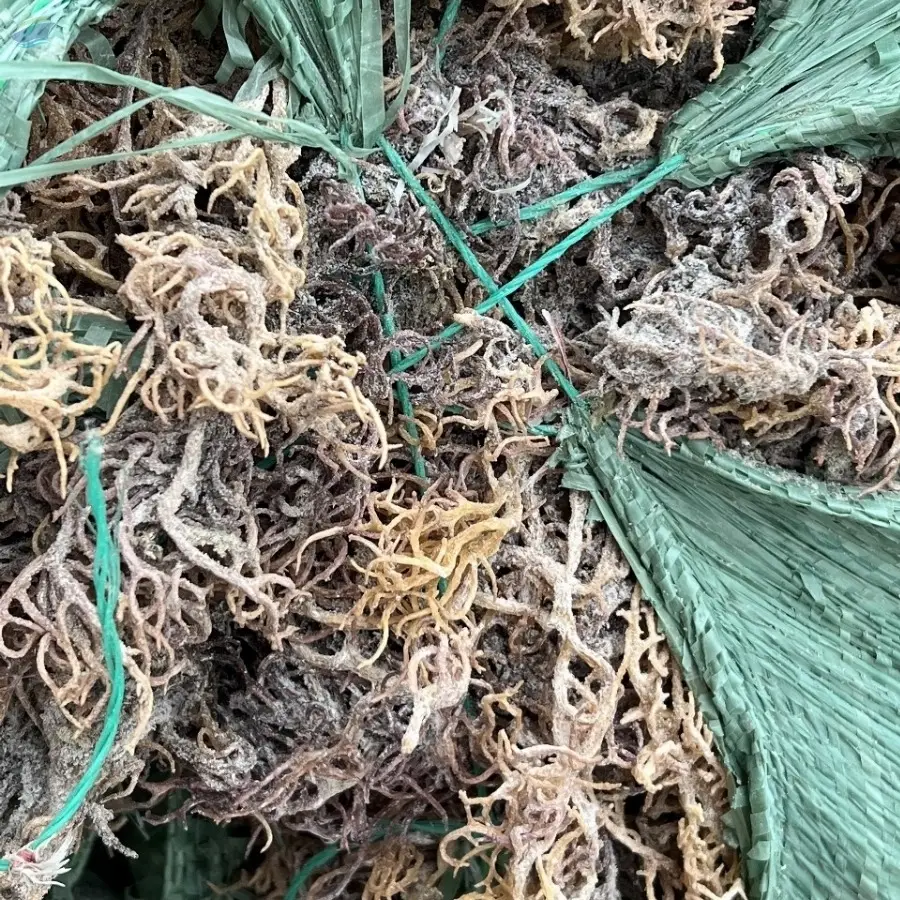
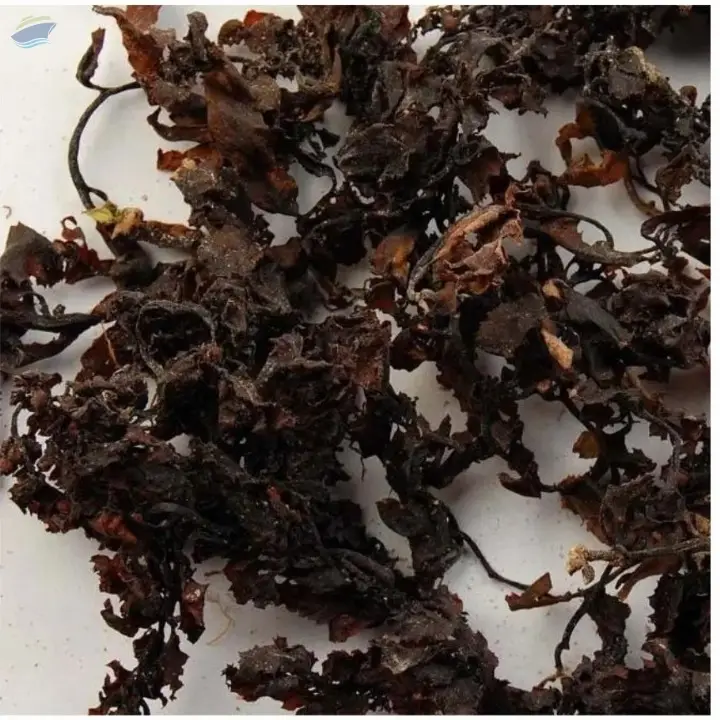
Mermaid Fragrance is based in Portugal and lists eight active products in its catalogue. All eight items are dried seaweed species that fall under HS chapter 12, specifically HS code 1212.21 for dried seaweed and algae. The catalogue includes wild‑harvested red and brown marine algae such as Asparagopsis armata, Ascophyllum nodosum, Bifurcaria bifurcata, Chondrus crispus, Fucus vesiculosus, Gracilaria spp, Laminaria ochroleuca and Halopteris scoparia. Each entry specifies the material type and confirms that the products are dried and milled for downstream use.
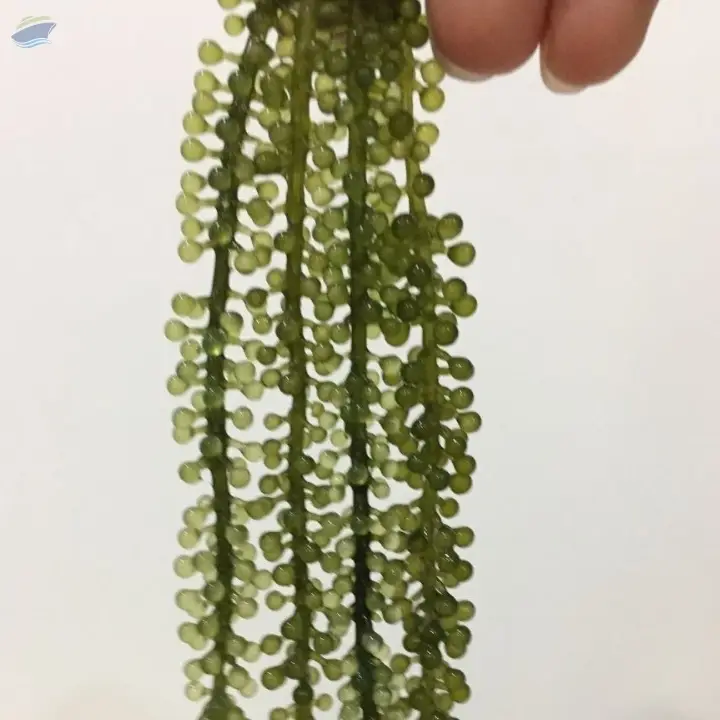
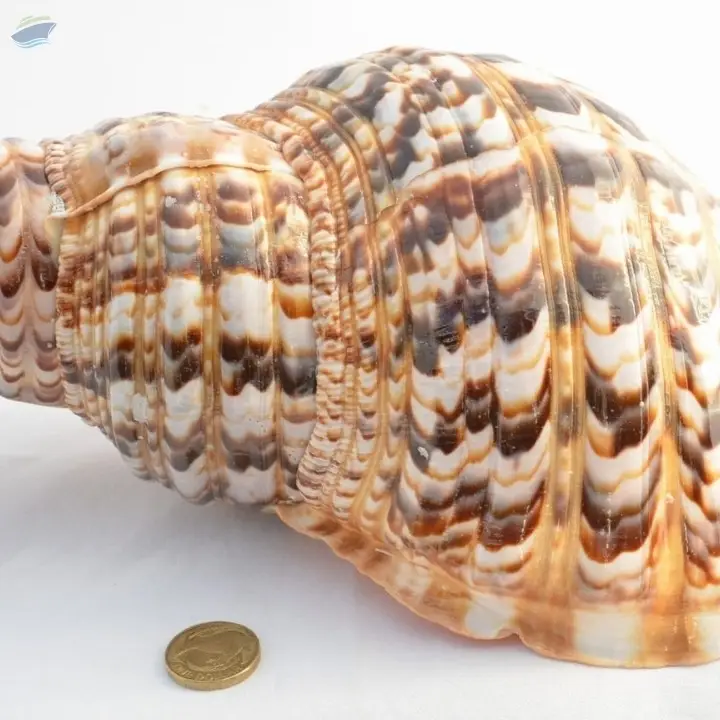
The supplier also lists broader categories such as Dried Shellfish, Fresh Seaweed, Frozen Seaweed, Seaweeds, Seashells, Dried Seafood, Fresh Sea Cucumber, Herbal Plants and Dried Fish, indicating a focus on marine and botanical raw materials. No additional product types or processing methods are mentioned beyond the dried seaweed range, and no certifications are claimed in the supplied data.
Product Range and Specialties of Mermaid Fragrance
The eight catalogue items are all dried seaweed varieties identified by scientific name and harvested from the wild. They are classified under HS code 1212.21, which covers dried seaweed and algae. In the global market, dried seaweed is typically graded by moisture content (often below 12 %), ash content, colour, and particle size. Common specifications include a moisture range of 8‑12 %, ash 20‑30 %, and a particle size of 0.5‑2 mm for food‑grade material.
Industry practice for dried seaweed also involves testing for microbial limits (e.g., total plate count ≤10⁴ CFU/g, coliforms absent) and heavy metals (arsenic, lead, mercury below regulatory thresholds). Buyers frequently request organic certification (e.g., EU organic, USDA‑NOP) when the seaweed is cultivated without synthetic inputs, although Mermaid Fragrance does not list any certifications.
Trade and Export Information - Mermaid Fragrance
Portugal exports dried seaweed primarily to the European Union, the United States, Japan and South Korea, where the material is used in food additives, animal feed, nutraceuticals and cosmetics. Under HS 1212.21, shipments are usually packed in 20 kg polypropylene bags, stacked in 20‑ft or 40‑ft containers with a typical gross weight of 22‑24 tonnes per container. Export logistics often follow FOB Lisbon or CIF Mediterranean ports, with phytosanitary certificates required for EU entry and optional third‑party inspection for other markets.
Typical import requirements include compliance with EU Regulation 2017/625 for food safety, the U.S. FDA Food Safety Modernization Act (FSMA) for food‑grade seaweed, and Japan’s Food Sanitation Act. Buyers commonly request ISO 9001 quality‑management documentation, HACCP plans and, where applicable, organic certification certificates. Customs authorities may also request a Certificate of Origin to benefit from preferential duty rates under EU‑Portugal trade agreements.
Sourcing from Mermaid Fragrance - Buyer Guidance
When sourcing from Mermaid Fragrance, buyers should request a detailed product specification sheet that lists moisture, ash, particle size, and microbial limits for each seaweed species. A recent laboratory analysis report covering heavy metals (arsenic, lead, mercury) and pesticide residues is also standard practice for food‑grade imports.
Buyers are advised to verify the supplier’s ability to provide a phytosanitary certificate and, if organic status is required, an accredited organic certification document. Typical minimum order quantities for dried seaweed range from 500 kg to 1 tonne, with lead times of 30‑45 days after order confirmation, depending on harvest season and processing capacity. Packaging is normally in sealed 20 kg bags, suitable for bulk container loading.
Frequently Asked Questions About Mermaid Fragrance
What seaweed species does Mermaid Fragrance supply in dried form?
The catalogue lists eight species: Asparagopsis armata, Ascophyllum nodosum, Bifurcaria bifurcata, Chondrus crispus (Irish moss), Fucus vesiculosus (bladderwrack), Gracilaria spp, Laminaria ochroleuca and Halopteris scoparia, all under HS code 1212.21.
Which HS code applies to the dried seaweed products?
All listed dried seaweed items are classified under HS code 1212.21, which covers dried seaweed and algae.
What typical quality specifications should I request for these dried seaweeds?
Ask for moisture content below 12 %, ash content between 20‑30 %, particle size 0.5‑2 mm, total plate count ≤10⁴ CFU/g, and absence of coliforms. Heavy‑metal analysis should show arsenic, lead and mercury below the limits set by EU or FDA regulations.
Are any certifications required for importing dried seaweed from Portugal?
Importers usually require a phytosanitary certificate, and may request ISO 9001, HACCP documentation, and organic certification if the product is marketed as organic. These are not claimed by the supplier and should be confirmed.
What packaging and container sizes are used for shipment?
Products are commonly packed in 20 kg polypropylene bags, which are loaded into 20‑ft or 40‑ft containers. A full 40‑ft container typically holds 22‑24 tonnes of dried seaweed.
What are the typical lead times and minimum order quantities?
Lead times are generally 30‑45 days after order confirmation, with minimum order quantities ranging from 500 kg to 1 tonne, depending on the species and seasonal availability.
How can I obtain a sample before placing a full order?
Request a small sample (e.g., 5 kg) sealed in a protective bag, accompanied by a certificate of analysis that includes the key quality parameters listed above.
Which markets commonly import Portuguese dried seaweed?
Key import markets include EU member states, the United States, Japan and South Korea, where the seaweed is used in food additives, animal feed, nutraceuticals and cosmetic formulations.




 , Portugal