MB Biomica — Verified Supplier
About MB Biomica - Briquette Supplier in Lithuania
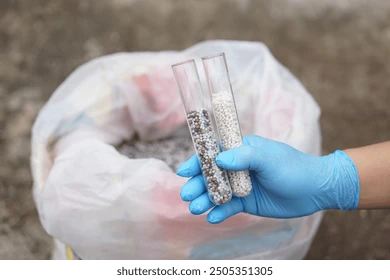
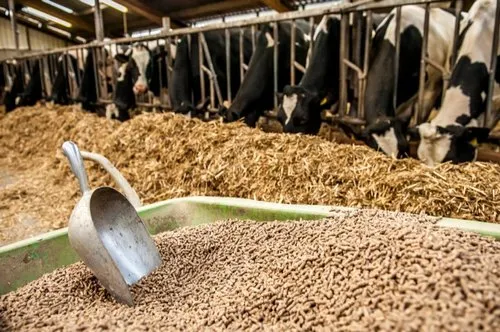
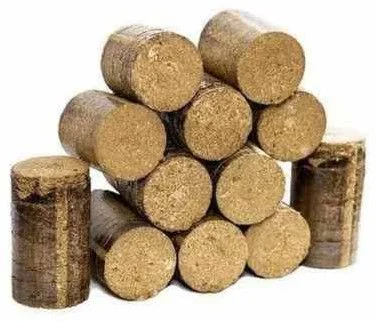
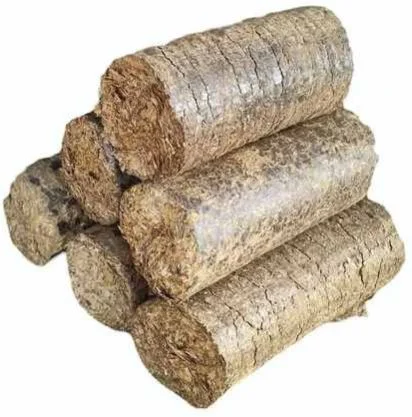
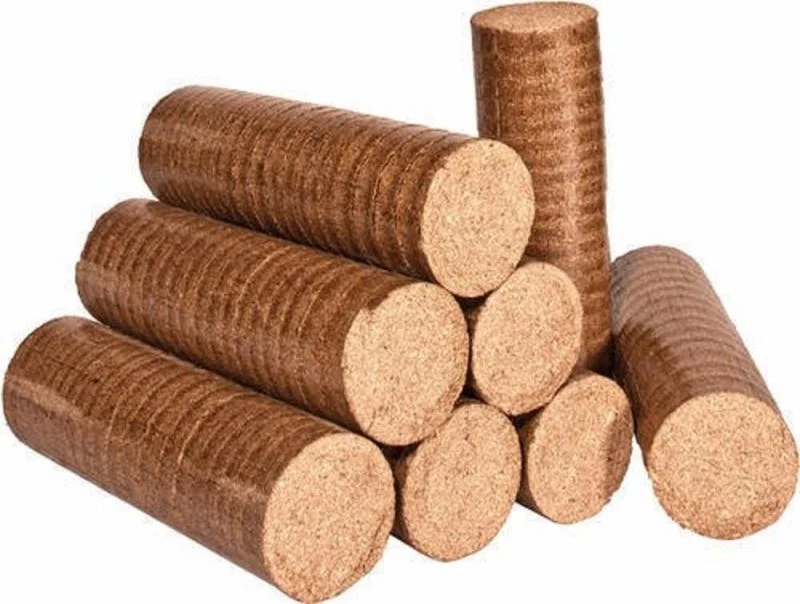
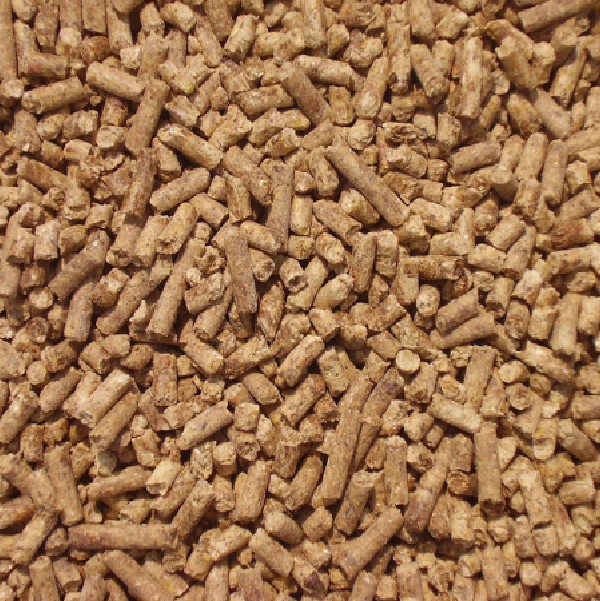
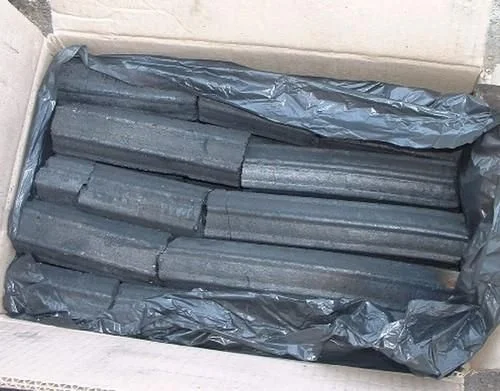
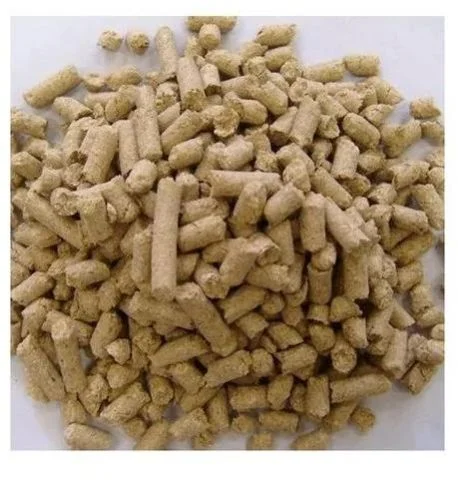
Lithuania‑based MB Biomica lists twelve active products across three top categories: briquette, animal & cattle feed, and fertilizers. The catalogue includes straw and rape straw pellets, crushed straw pellets, wood pellets classified as A1 and A2, horse bedding, hay pellets for animals, animal feed pellets, sugar beet pellets, humic‑acid fertilizers, manure pellets, compost pellets, industrial wood pellets and generic fertilizers. Each product falls under the broader HS‑code families for biomass pellets (4401), animal feed (2301) and fertilizers (3105), which are the standard customs classifications for these goods. The supplier’s portfolio therefore spans renewable fuel pellets, livestock bedding and feed, and organic‑based fertilisers, all produced in Lithuania.
The product list shows a focus on compressed biomass forms such as straw, wood and sugar‑beet residues, which are commonly processed into 6 mm to 25 mm pellets for easy handling and transport. Animal‑related items include horse bedding and hay pellets that meet typical bulk density specifications of 600‑750 kg m‑3. Fertiliser entries comprise humic‑acid blends and composted manure pellets that are marketed for soil amendment in the EU market. No additional company history, employee numbers or revenue figures are provided beyond the stated active product count.
Product Range and Specialties of MB Biomica
MB Biomica’s catalogue groups products by raw material and end‑use. Biomass pellets are offered as straw and rape‑straw pellets, crushed straw pellets and wood pellets designated A1 and A2, which in the European market correspond to ENplus grades A1 (≤10 % moisture, ≤0.7 % ash) and A2 (≤10 % moisture, ≤1.5 % ash). Animal feed pellets and hay pellets typically target a crude protein range of 12‑18 % and a bulk density of 650‑750 kg m‑3, while horse bedding is supplied as low‑dust, high‑absorbency pellets meeting EU bedding standards. Fertiliser products such as humic‑acid pellets and compost pellets generally contain 10‑30 % organic matter and are formulated to a nitrogen‑phosphorus‑potassium (NPK) profile that complies with EU fertilizer regulations. The generic “Fertilizers” entry likely covers blended mineral formulations within the HS 3105 range, where common grades include NPK 12‑12‑12 or slow‑release variants.
Trade and Export Information - MB Biomica
Lithuania exports biomass pellets primarily to the EU, the United Kingdom and the Nordic region, where wood‑based fuels are used for residential heating and industrial co‑generation. HS 4401 covers wood and biomass pellets, and shipments are frequently dispatched in 20‑ft or 40‑ft containers with bulk loading or palletised packaging, often on FOB or CIF terms. Animal feed and bedding products fall under HS 2301 and are commonly shipped to Eastern Europe, the Middle East and Central Asia, where livestock operations source bulk feed. Fertiliser exports use HS 3105 and are subject to the EU Fertilising Products Regulation, requiring conformity with CE marking and a product‑specific safety data sheet. Buyers typically request ENplus certification for wood pellets, ISO 9001 quality management documentation, and EU‑compliant fertilizer registration numbers.
Sourcing from MB Biomica - Buyer Guidance
When sourcing pellets from MB Biomica, buyers should request a Certificate of Analysis that details moisture content, ash level, calorific value (kWh kg‑1) and the ENplus grade for wood pellets, or the corresponding EU standards for straw‑based pellets. For animal feed and bedding, a sample test for crude protein, fiber, and dust content, together with a material safety data sheet, is standard practice before confirming bulk orders. Fertiliser purchases normally require a product registration certificate, a detailed NPK analysis, and a compliance statement with the EU Fertilising Products Regulation. Verifying these documents helps confirm that the shipment meets the buyer’s regulatory and quality requirements and reduces the risk of customs delays.
Frequently Asked Questions About MB Biomica
What types of biomass pellets does MB Biomica produce?
The supplier lists straw and rape‑straw pellets, crushed straw pellets, and wood pellets classified as A1 and A2, which align with ENplus grade specifications for moisture and ash content.
Are the animal feed pellets suitable for cattle?
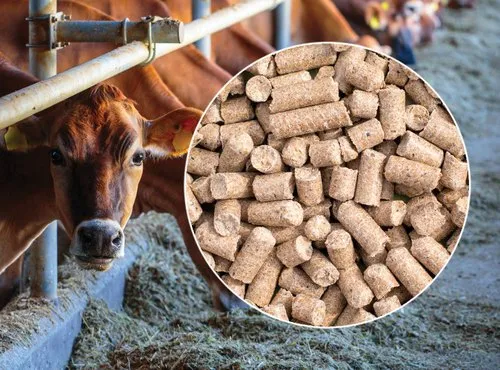
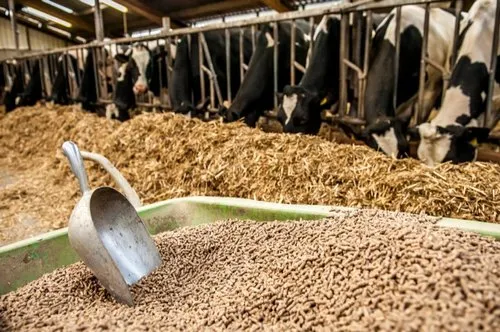
The catalogue includes animal feed pellets and hay pellets that meet typical crude protein levels of 12‑18 % and bulk densities of 650‑750 kg m‑3, which are common requirements for cattle nutrition.
What documentation should a buyer request for wood pellets?
Buyers should ask for an ENplus certification, a Certificate of Analysis showing moisture (<10 %), ash (<0.7 % for A1), and calorific value, plus any ISO 9001 quality management records.
Which HS codes apply to MB Biomica’s products?
Biomass pellets fall under HS 4401, animal feed and bedding under HS 2301, and fertiliser products under HS 3105, which are the standard customs classifications for these categories.
What certifications are typically required for the fertiliser range?
Fertiliser exports from the EU generally need a CE‑marked product registration, a safety data sheet, and compliance with the EU Fertilising Products Regulation.
How are the pellets usually packed for export?
Pellets are commonly packed in bulk bags (800‑1000 kg) or palletised in 20‑ft or 40‑ft containers, with moisture‑resistant liners to preserve quality during transit.
What are typical lead times for bulk orders?
Lead times for biomass pellets and feed pellets usually range from 4 to 6 weeks after order confirmation, depending on production scheduling and container availability.
What quality tests are standard for humic‑acid fertilisers?
Humic‑acid fertilisers are typically tested for organic carbon content (10‑30 %), pH (4.5‑7.0), and heavy‑metal limits in accordance with EU fertiliser standards before shipment.




 , Lithuania