Marhaba Overseas — Supplier
About Marhaba Overseas - Basmati Rice Supplier in India
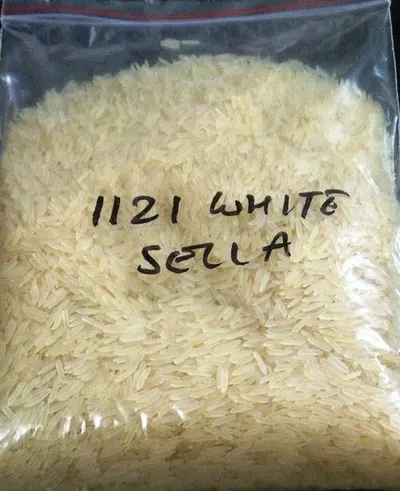
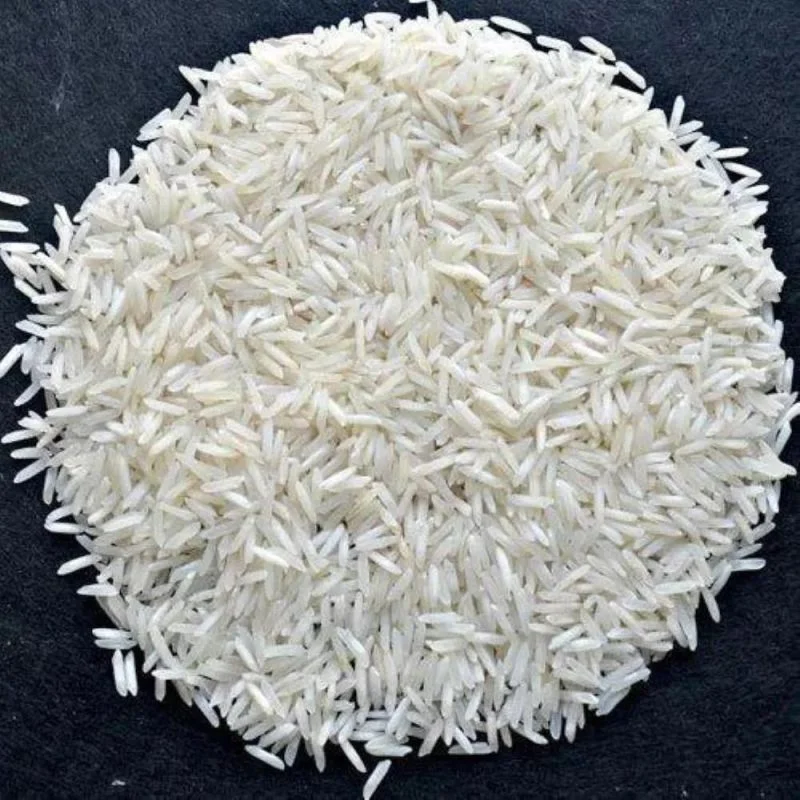
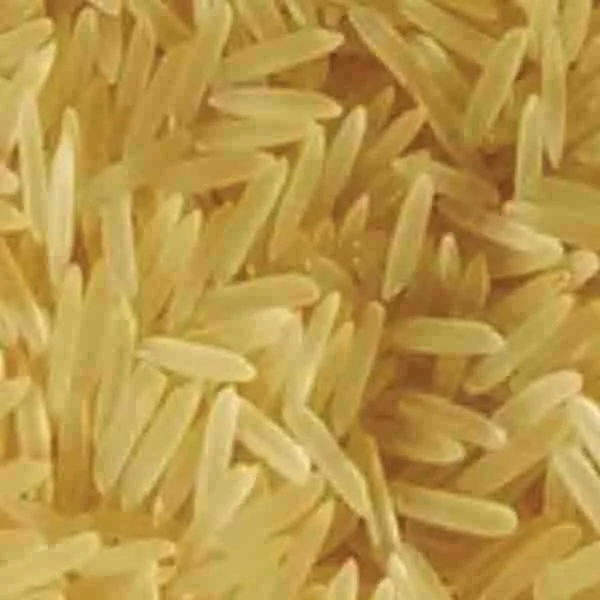
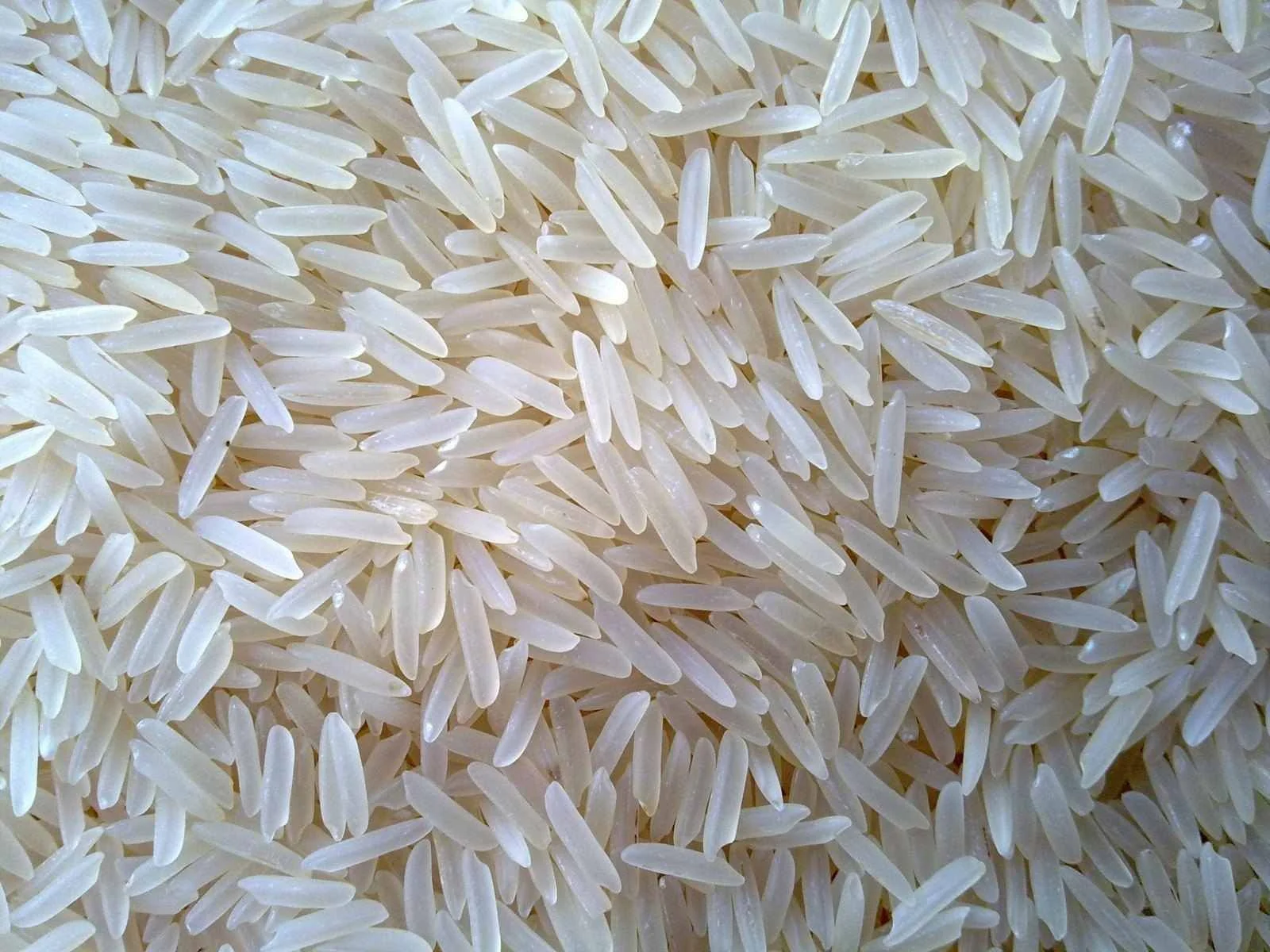
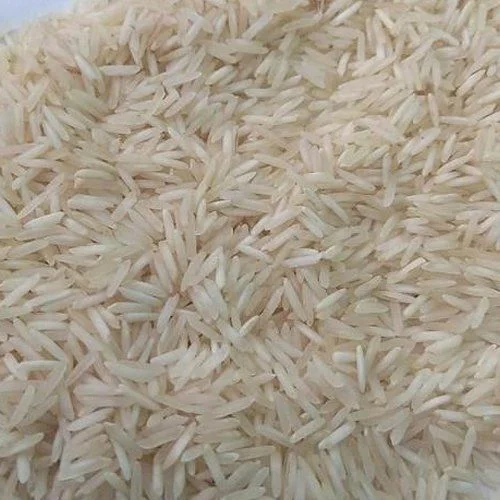
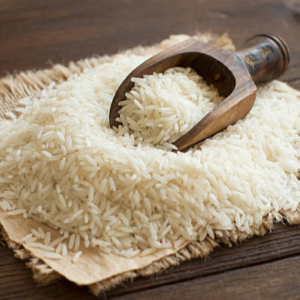
Marhaba Overseas is located in India and has an active product count of 15. The company lists a range of products, including Traditional Basmati Rice, Pusa Basmati Rice, 1401 Basmati Rice, 1121 Basmati Rice, 1509 Basmati Rice, Sugandha Basmati Rice, Sharbati Basmati Rice, PR 11, Parmal / PR47, PR14 Non Basmati Rice, Non Pesticides 1121 Sella Rice On European Norms, Non Pesticides 1509 Sella Rice on European Norms, Non Pesticides Sugandha Sella Rice, and Non Pesticides Sharbati Sella Rice. These products fall under the categories of Basmati Rice, Rice, and Printing Paper, with HS codes ranging from 1006.10 to 1006.30.
The products are made from materials such as Traditional Basmati Rice, Oryza sativa, Milled Long Grain Rice, and Extra Long Grain Rice, with purity levels of 95% and natural admixture of 5%. The company's products are exported from India, with the majority of the products having an HS code of 1006.30. Buyers of Basmati Rice typically look for products with high purity levels, specific grain lengths, and low moisture content. Exporters of Rice typically require certifications such as ISO 9001 and HACCP, and must comply with regulations such as those set by the European Union and the United States.
Product Range and Specialties of Marhaba Overseas
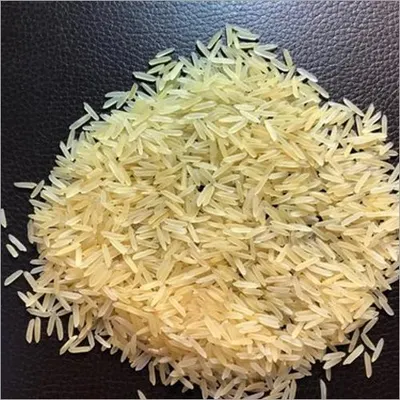
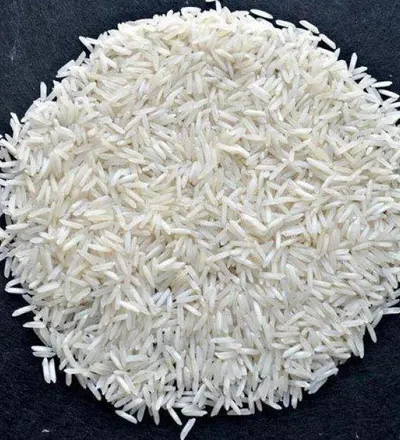
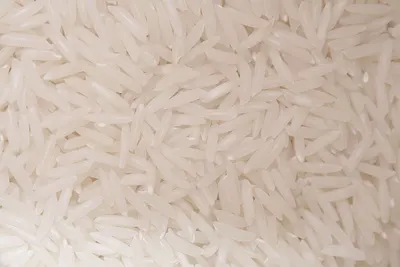
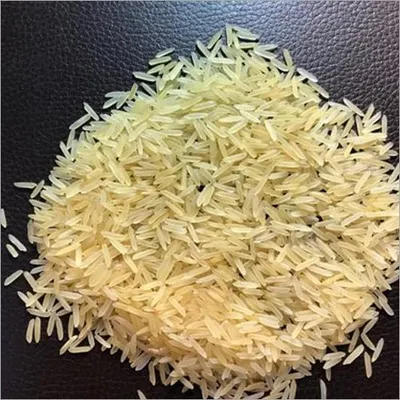
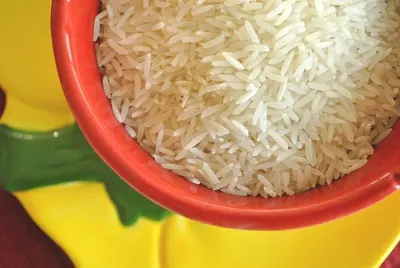
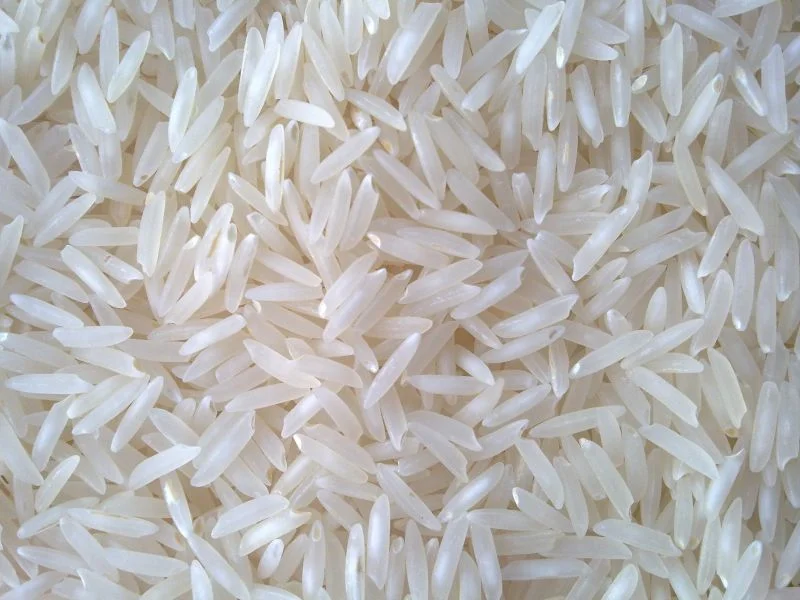
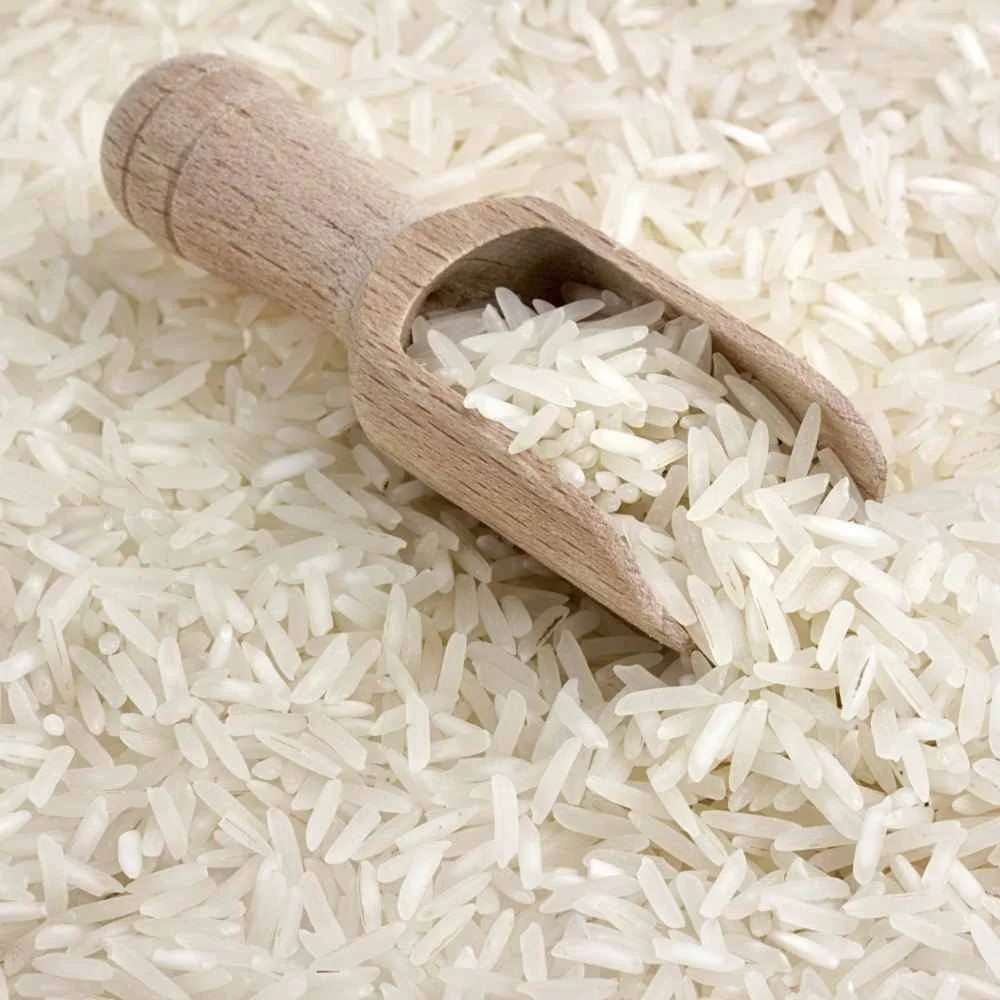
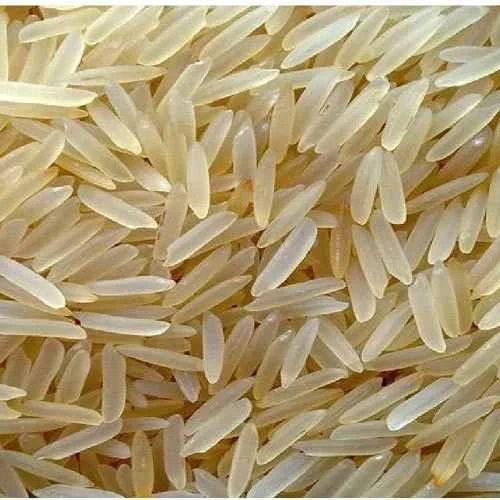
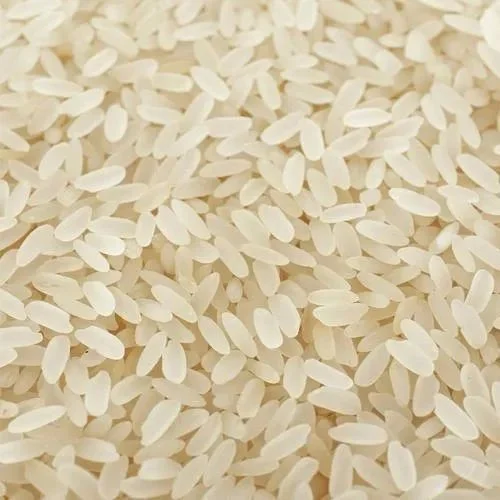
Marhaba Overseas' product range includes various types of Basmati Rice, such as Traditional Basmati Rice, Pusa Basmati Rice, and 1401 Basmati Rice. These products are typically made from quality materials and are known for their distinctive taste and aroma. Buyers of Basmati Rice usually require products that meet specific standards, such as ICUMSA 45 for sugar, and have a moisture content of less than 15%. The company's products are enriched with industry knowledge, with typical grades and standard specifications including 95% purity, 5% natural admixture, and extra long grain length.
Trade and Export Information - Marhaba Overseas
Exporters of Basmati Rice from India, such as Marhaba Overseas, typically export their products to regions such as the Middle East, Europe, and North America. The HS code families involved in the export of Basmati Rice include 1006.10 and 1006.30. Certifications such as ISO 9001 and HACCP are commonly required for the export of food products, including Basmati Rice. The regulatory context for the export of Basmati Rice includes compliance with regulations set by the European Union and the United States, such as those related to food safety and labeling. Logistics and packaging norms for the export of Basmati Rice typically involve the use of 20 ft or 40 ft containers, with packaging materials such as jute bags or polypropylene bags.
Sourcing from Marhaba Overseas - Buyer Guidance
Buyers sourcing from Marhaba Overseas should request specifications, samples, and test reports to verify the quality of the products. Documents such as certificates of origin, phytosanitary certificates, and commercial invoices should also be requested. The buyer should verify the product's purity level, grain length, and moisture content before ordering. A tier of verification and response from the supplier can signal the quality of the product and the reliability of the supplier. Buyers should also be aware of the typical quality parameters and tests for Basmati Rice, such as the 1000 grain weight and the length of the grains.
Frequently Asked Questions About Marhaba Overseas
What is the product range of Marhaba Overseas?
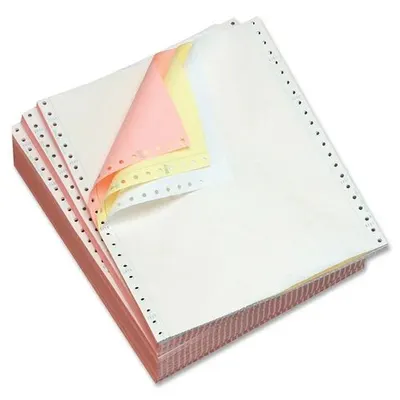
Marhaba Overseas has a product range that includes various types of Basmati Rice, such as Traditional Basmati Rice, Pusa Basmati Rice, and 1401 Basmati Rice, as well as other products such as Sublimation Paper and Printing Paper.
What are the typical grades and standard specifications for Basmati Rice?
Typical grades and standard specifications for Basmati Rice include 95% purity, 5% natural admixture, and extra long grain length. Buyers usually require products that meet specific standards, such as ICUMSA 45 for sugar, and have a moisture content of less than 15%.
What certifications are commonly required for the export of Basmati Rice?
Certifications such as ISO 9001 and HACCP are commonly required for the export of food products, including Basmati Rice. Buyers should request these certifications from the supplier to ensure compliance with regulations.
What is the regulatory context for the export of Basmati Rice from India?
The regulatory context for the export of Basmati Rice from India includes compliance with regulations set by the European Union and the United States, such as those related to food safety and labeling. Exporters must comply with these regulations to ensure the safe export of their products.
What are the logistics and packaging norms for the export of Basmati Rice?
Logistics and packaging norms for the export of Basmati Rice typically involve the use of 20 ft or 40 ft containers, with packaging materials such as jute bags or polypropylene bags. Buyers should verify the packaging and logistics arrangements with the supplier to ensure compliance with regulations and to prevent damage to the products during transportation.
How can buyers verify the quality of the products from Marhaba Overseas?
Buyers can verify the quality of the products from Marhaba Overseas by requesting specifications, samples, and test reports, and by verifying the product's purity level, grain length, and moisture content before ordering. A tier of verification and response from the supplier can signal the quality of the product and the reliability of the supplier.
What documents should buyers request from Marhaba Overseas?
Buyers should request documents such as certificates of origin, phytosanitary certificates, and commercial invoices from Marhaba Overseas to ensure compliance with regulations and to verify the authenticity of the products.
What are the typical quality parameters and tests for Basmati Rice?
Typical quality parameters and tests for Basmati Rice include the 1000 grain weight and the length of the grains. Buyers should be aware of these parameters and tests to ensure that they are sourcing quality products.




 , India