Agriculture›
 Apparel and fashion accessories›
 Construction & real estate›💡Electronic & Electrical›🍎Food & Beverages›🛋️Home furnishing & supplies›⚗️Industrial goods & chemical›🪨Minerals & metals›📦Miscellaneous›Agriculture›Apparel and fashion accessories›Construction & real estate›💡Electronic & Electrical›🍎Food & Beverages›🛋️Home furnishing & supplies›⚗️Industrial goods & chemical›🪨Minerals & metals›📦Miscellaneous›
Manjula Trading Co. Pvt. Ltd.
⚓ Harbor , IndiaNew supplier / no reviews yet
Manjula Trading Co. Pvt. Ltd. Product Catalog
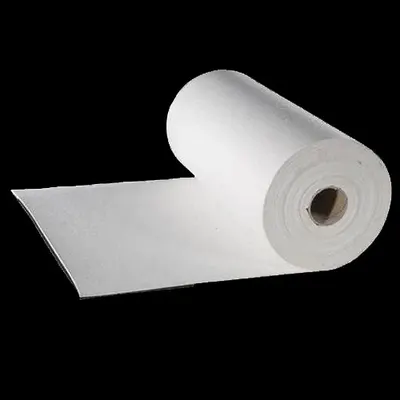
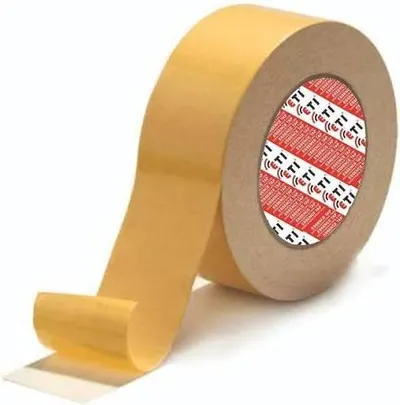
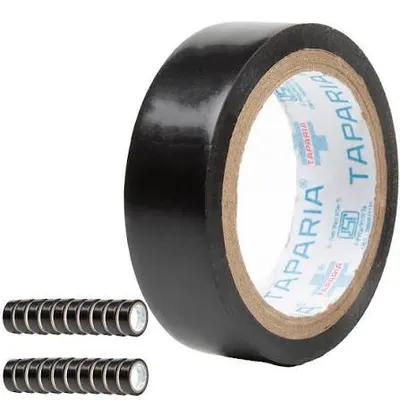
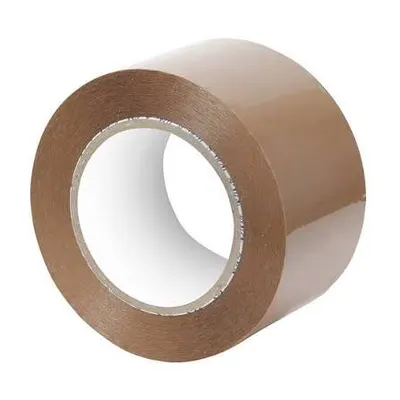
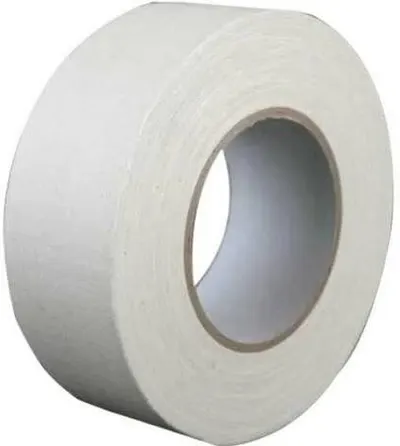

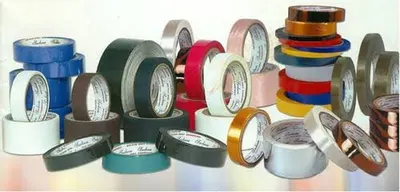
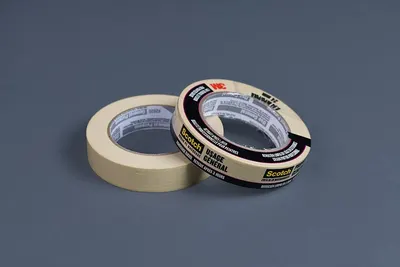
About Manjula Trading Co. Pvt. Ltd. - Tapes Supplier in India
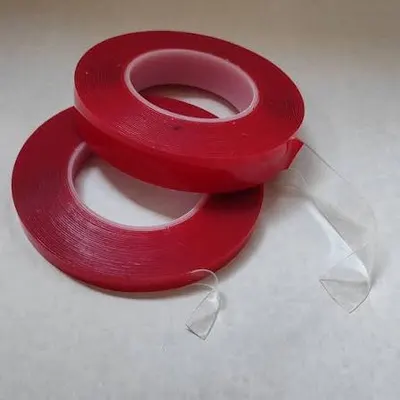
Manjula Trading Co. Pvt. Ltd. is based in India and lists 17 active products across several tape families. The catalogue covers self‑amalgamating EPR tape, butyl sealing tape, semi‑conductive tape, silicone fusing tape, PVC electrical tape, heat‑shrink busbar insulation, shielding tape, heavy‑duty mining tape, polyimide silicone adhesive tape, armor‑wrap, glass‑cloth, non‑adhesive PVC, cloth insulation, rubber mastic, fiberglass cloth, and a butyl rubber insulation putty. The only product with a disclosed HS code is the Jacobs 29 Electrical Insulation Putty (HS 6807.90) made from a butyl rubber mastic compound. The remaining items fall under common HS chapters for polymer tapes such as 3919 (self‑adhesive tapes) and 3915‑3917 (other plastic tapes).
The product titles reference the Jacobs brand and specify temperature ratings (e.g., 25 HT, 40 A, 70) or functional attributes (self‑fusing, semi‑conductive, heavy‑duty). These indicate typical industry classifications like high‑temperature (HT) EPR, high‑voltage (HV) silicone, and electrically conductive tapes. The list also includes specialty construction materials such as armor‑wrap and glass‑cloth tape, which are often used for reinforcement in harsh environments. Together the catalogue reflects a broad spectrum of industrial adhesive and insulation tapes that Indian manufacturers commonly produce for global markets.
Product Range and Specialties of Manjula Trading Co. Pvt. Ltd.
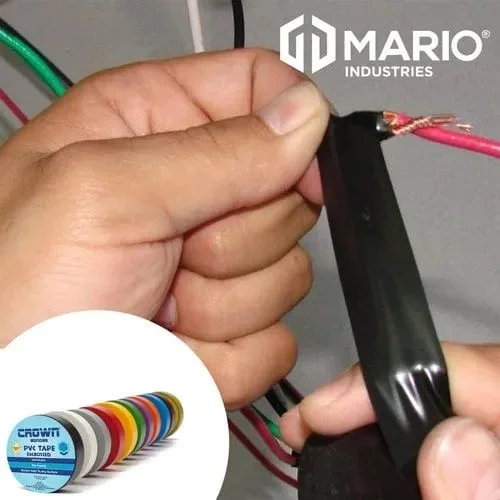
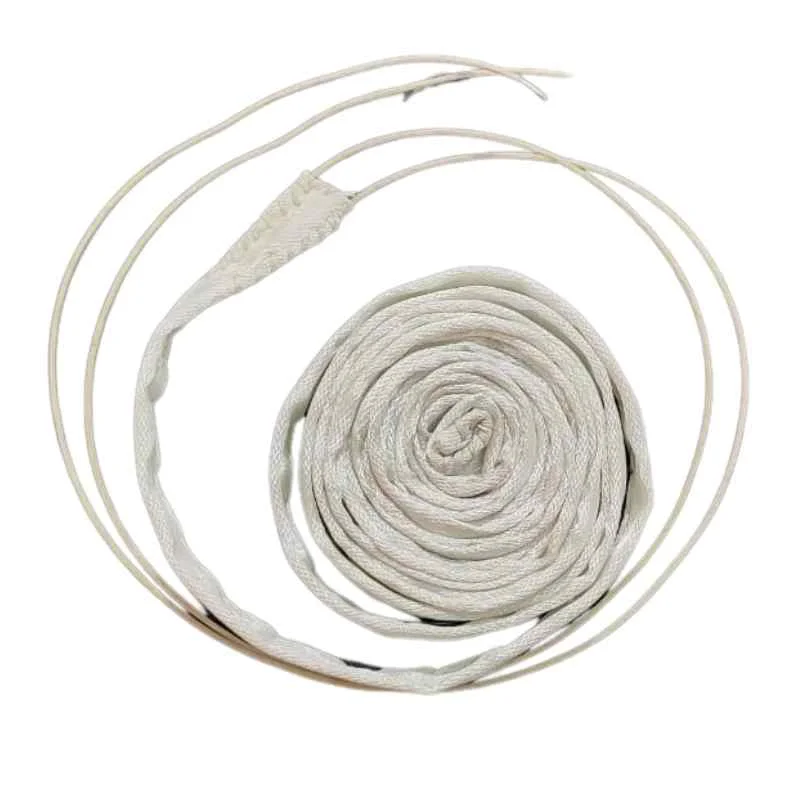
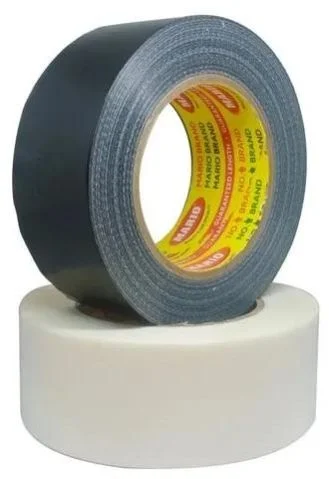
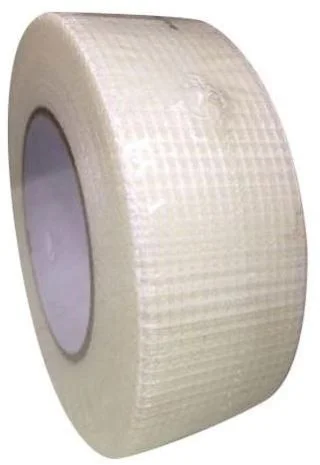
The catalogue enumerates 17 distinct tape products, each identified by a Jacobs code and a functional description. Items include self‑amalgamating EPR tape (25 HT), butyl sealing tape (10), semi‑conductive tape (40A), silicone self‑fusing tape (70), PVC electrical tape (160Z), heat‑shrink busbar insulation (20), electrical shielding tape (42), heavy‑duty mining tape (31), premium HT EPR insulation (52), polyimide silicone adhesive tape (18), armor‑wrap tape (37), glass‑cloth tape (69), non‑adhesive PVC tape (72), cloth insulation tape (KE30F), rubber mastic tape (KE28), fiberglass cloth tape (261H), and a butyl rubber insulation putty (29). Typical industry grades for these categories include temperature ranges from - 60 °C to +260 °C for EPR, dielectric strength of 500 V/mil for PVC, and tensile strength of 30 - 50 MPa for fiberglass cloth. Standards such as ASTM D1000 (tape thickness), IEC 60278 (electrical insulation tape), and UL 1685 (PVC electrical tape) are frequently referenced. Buyers normally receive data sheets that list width, thickness, elongation at break, dielectric constant, and fire‑rating (e.g., UL‑94 V‑0).
Frequently Asked Questions About Manjula Trading Co. Pvt. Ltd.
What temperature range does the Jacobs 25 HT EPR Self Amalgamating Tape cover?
The 25 HT EPR tape is rated from - 60 °C up to +260 °C, matching typical high‑temperature polymer tape specifications used in power cable jointing.
Does the Jacobs 10 Butyl Sealing Tape meet UL fire‑rating standards?
The supplier does not list UL certification; buyers should request a UL‑94 V‑0 or V‑1 test report to confirm fire performance.
Which HS code applies to the Jacobs 70 Self Fusing Silicone Tape?
Self‑fusing silicone tape generally falls under HS 3919 (self‑adhesive polymer tapes), unless a specific national sub‑heading is used.
What dielectric strength should be expected from the Jacobs 160Z PVC Electrical Tape?
Standard PVC electrical tape meets a dielectric strength of approximately 500 V/mil (20 kV/mm) as per IEC 60278.
Is the Jacobs 29 Electrical Insulation Putty compliant with REACH regulations?
The product is listed with HS 6807.90 and a butyl rubber composition; buyers should request a REACH compliance statement and safety data sheet.
IndiaRelated Suppliers & Products
Explore similar suppliers, related products and trending categories