Magdel Ltd. — Verified Supplier

About Magdel Ltd. - Cassava Supplier in Fiji

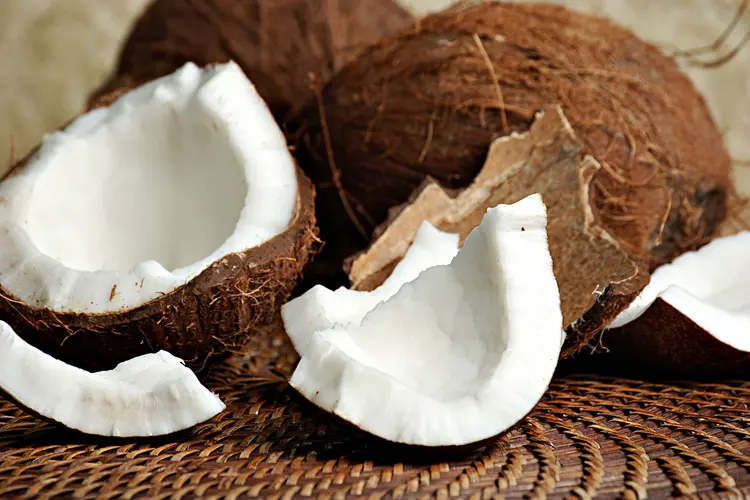
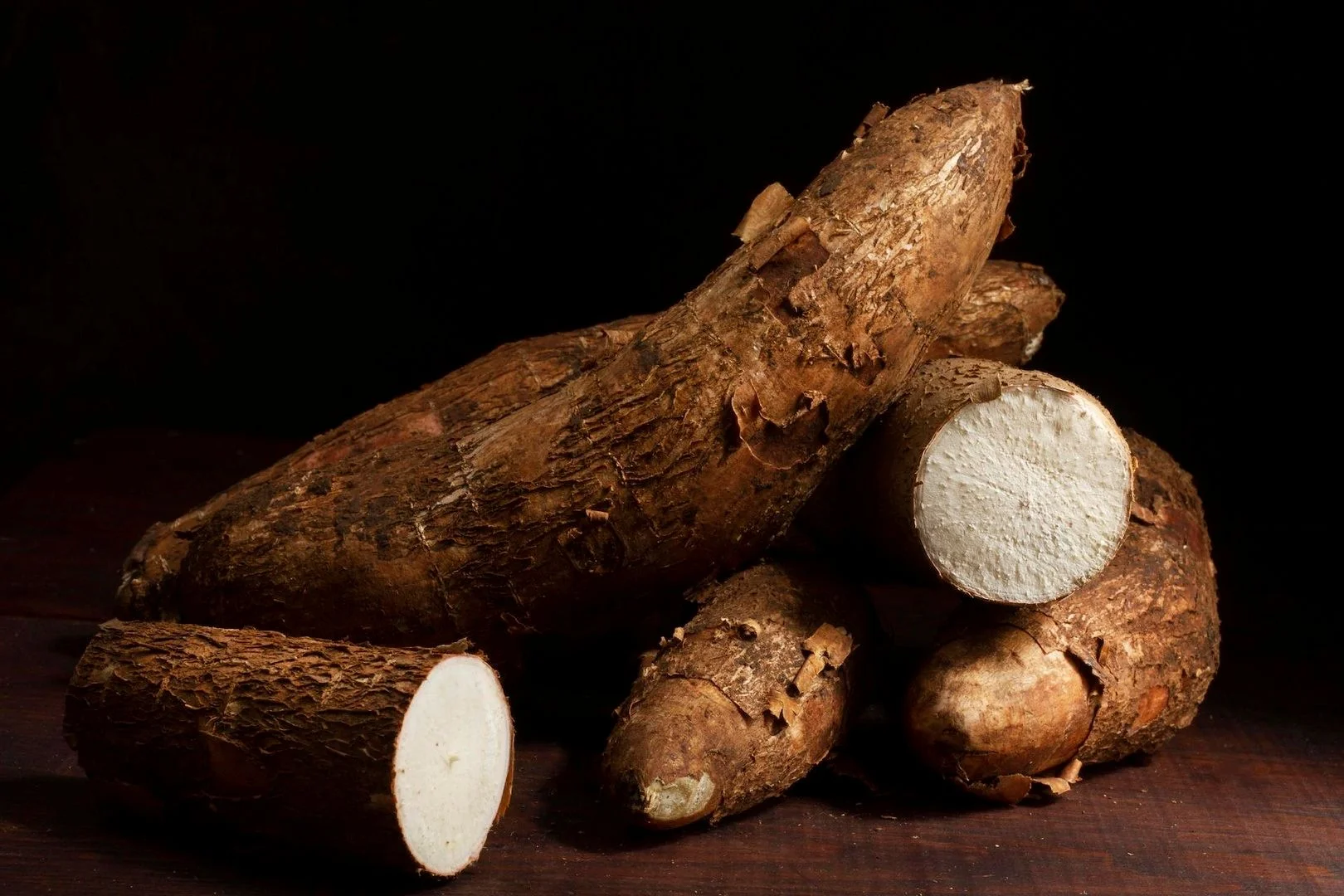
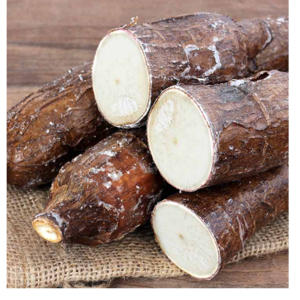
Magdel Ltd. is based in Fiji and lists six active products across agricultural and handicraft categories. The catalogue includes Kava root, raw Cassava tubers, Taro corms, Copra (dried coconut meat), Coconut Shells, and Handmade Jewellery made from local materials. Each product is identified by its generic category rather than specific grade or certification, reflecting the supplier’s current public listing. Fiji’s tropical climate supports the cultivation of kava, cassava, and taro, which are exported in bulk or bagged forms depending on buyer specifications. The company’s imported supplier tier places it within the broader Pacific trade network that services regional and overseas buyers.

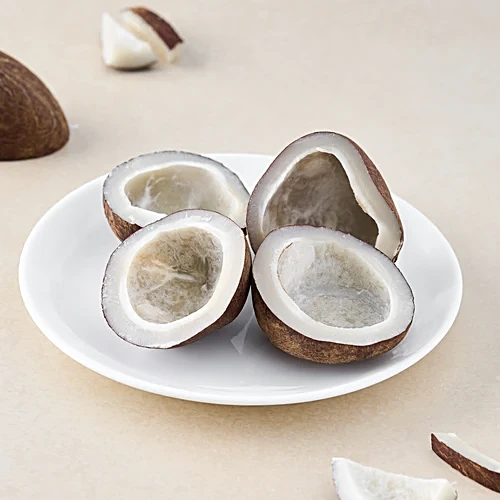
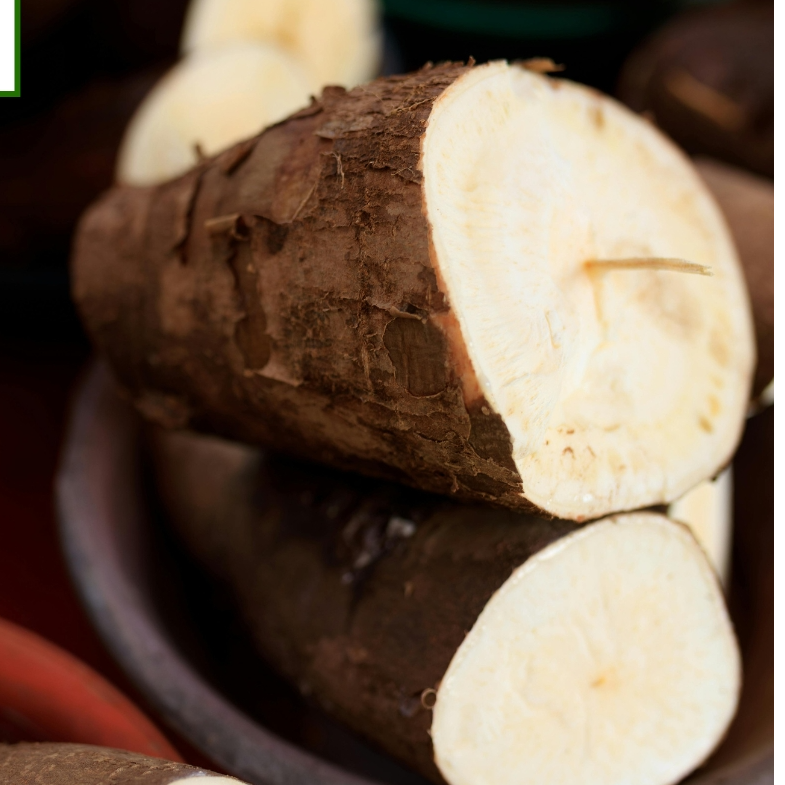
The product list shows a focus on staple root crops and coconut derivatives, with an additional line of decorative handicrafts. Kava is offered as dried root pieces, Cassava as clean, peeled tubers, and Taro as whole corms ready for processing. Copra is presented as sun‑dried or mechanically dried kernels, while Coconut Shells are supplied as cleaned, split shells for crafts or industrial use. Handmade Jewellery is described only as a product type, indicating artisanal pieces rather than mass‑produced items. No HS‑code information is provided in the source data, so the description remains limited to the product names and categories supplied.

Product Range and Specialties of Magdel Ltd.

The catalogue covers three root crops - Kava, Cassava and Taro - each of which is typically graded by moisture content, size and purity. In the global market, Kava is often classified by kavalactone concentration (e.g., 3‑5 % dry weight) and must meet a moisture level below 12 % for long‑term storage. Cassava exports are usually sorted into fresh (≤ 10 % moisture) or dried chips (≤ 8 % moisture) and may be subject to cyanogenic glycoside limits of 10 mg kg⁻¹. Taro is generally shipped as whole corms with a minimum weight of 1 kg per piece and a moisture range of 70‑80 % for fresh supply. Copra is graded by oil content (typically 60‑70 % by weight) and kernel size (e.g., 10‑15 mm), while Coconut Shells are measured by thickness (2‑5 mm) and cleanliness for use in activated carbon or handicraft. Handmade Jewellery is a category of decorative items where material composition (e.g., shell, wood, metal) and craftsmanship are the primary quality indicators. Buyers usually request sample photographs, material composition sheets and, where applicable, test reports for moisture, purity or oil content.

Trade and Export Information - Magdel Ltd.

Fiji exports kava primarily to Australia, New Zealand, the United States and parts of Europe, where it is used in traditional and wellness products. Copra and other coconut by‑products are major export items for the Pacific region, feeding the edible‑oil, cosmetics and industrial sectors in Asia and the Middle East. Root crops such as cassava and taro are shipped to neighboring Pacific islands and to niche markets in North America and Europe that require tropical tubers for food processing. Typical HS‑code chapters for these goods are 1212 for kava, 0704 for fresh vegetables (including cassava and taro), 1202 for copra, and 4420 for coconut shells; however, no specific HS codes were supplied for Magdel Ltd.’s listings. Export logistics from Fiji usually involve containerised shipping from Suva or Lautoka ports, with 20‑ft or 40‑ft containers used for bulk agricultural products and smaller parcels for handicrafts. Buyers commonly request phytosanitary certificates, origin declarations and, where relevant, compliance with HACCP or ISO 22000 food‑safety standards.

Sourcing from Magdel Ltd. - Buyer Guidance

When sourcing Kava from Magdel Ltd., request a laboratory analysis that confirms kavalactone content and moisture level, as well as a phytosanitary certificate confirming the product is free of pests. For Cassava and Taro, ask for moisture analysis, size grading and a cyanogenic glycoside test report to ensure safety for food‑processing customers. Copra shipments should be accompanied by oil‑content test results and a declaration of any residual moisture, together with a certificate of origin for customs clearance. Coconut Shells buyers typically verify shell thickness, cleanliness and any prior treatment (e.g., heat‑treatment) through a sample inspection or a third‑party test report. Handcrafted jewellery requires material composition documentation and, if metal components are used, a declaration of alloy content to meet import regulations. In all cases, request a copy of the supplier’s export licence and, where applicable, evidence of compliance with HACCP, ISO 9001 or other relevant quality‑management systems before confirming orders.

Frequently Asked Questions About Magdel Ltd.

What root crops does Magdel Ltd. export from Fiji?

The supplier lists Kava, Cassava and Taro as its agricultural products, each harvested in Fiji’s tropical climate and offered as raw, unprocessed root material.

Are there any certifications listed for Magdel Ltd.?

No certifications are provided in the source data; buyers should request copies of any food‑safety or quality‑management certificates the supplier holds, such as HACCP or ISO 22000, before purchasing.

Which markets typically import Fiji’s Copra?

Copra from Fiji is commonly shipped to Asian edible‑oil processors, Middle‑East cosmetic manufacturers, and European industrial buyers that use coconut oil or derivatives.

What documentation is needed for importing Kava?

Importers usually require a phytosanitary certificate, a laboratory report showing kavalactone concentration, and a certificate of origin to satisfy customs and regulatory authorities.

How are Coconut Shells used by buyers?

Coconut shells are often supplied for activated‑carbon production, bio‑char, or decorative crafts; buyers check shell thickness, cleanliness and any heat‑treatment records.

Can I obtain samples of the handmade jewellery?

Samples can be requested by contacting the supplier directly; buyers should ask for high‑resolution photographs, material composition details and, if metal is involved, an assay report.

What are typical packaging methods for the root crops?

Root crops such as Cassava and Taro are usually packed in breathable burlap or polypropylene bags of 20‑25 kg, sealed in 20‑ft containers for bulk shipments.

What HS‑code families are associated with these products?

While the supplier’s data does not list HS codes, the usual chapters are 1212 for Kava, 0704 for fresh vegetables (including cassava and taro), 1202 for Copra and 4420 for coconut shells; buyers should verify the exact code during customs filing.


Other Suppliers in Cassava

Top Trusted Suppliers

Related Products in Cassava

Trending in Parent Category

More Suppliers in Parent Category

Related Products

Other Suppliers

EximNext
58.7K+ live requirements
Register Free🎁 Reach verified global buyers
Post Requirement
🌍 Trusted by 224.9K+ businesses in 200+ countries|
58.7K+ active requirements right now
✉️ [email protected]
|
Sell on EximNextPost Requirement
EximNext
AgricultureApparelConstructionElectronicFoodHomeIndustrialMineralsMiscellaneous
🔥 Deals|✨ AI Match|🏭 Suppliers|📋 Buy Leads|💰 Trade Finance
58.7K+ live RFQs·194.8K+ suppliers
🎁 Reach global buyers →
EximNext
EximNext
Register Free
🎁 Reach verified global buyers
Sign In
📋Post Requirement💬Get Quotes✨AI Match📋RFQ Marketplace
All Categories
Services & Tools
🏭Supplier Directory🔥Today's Deals💰Trade Finance
Sell on EximNext →
AboutContactBlogHelp
Global Trade  ·  Fiji
6
products listed

Magdel Ltd.

⚓ Harbor
Country flag , Fiji
🛡️
55/100
Trust Score

Magdel Ltd. Product Catalog

Showing 6 of 6 products
View all products →
Coconut Shells
⚓ Harbor
Coconut Shells
Contact
MOQ: 1 Unit
Cassava
⚓ Harbor
Cassava
Contact
MOQ: 1 Unit
Taro
⚓ Harbor
Taro
Contact
MOQ: 1 Unit
Handmade Jewellries
⚓ Harbor
Handmade Jewellries
Contact
MOQ: 1 Unit
Copra
⚓ Harbor
Copra
Contact
MOQ: 1 Unit
Kava
⚓ Harbor
Kava
Contact
MOQ: 1 Unit

About Magdel Ltd. - Cassava Supplier in Fiji

Magdel Ltd. is based in Fiji and lists six active products across agricultural and handicraft categories. The catalogue includes Kava root, raw Cassava tubers, Taro corms, Copra (dried coconut meat), Coconut Shells, and Handmade Jewellery made from local materials. Each product is identified by its generic category rather than specific grade or certification, reflecting the supplier’s current public listing. Fiji’s tropical climate supports the cultivation of kava, cassava, and taro, which are exported in bulk or bagged forms depending on buyer specifications. The company’s imported supplier tier places it within the broader Pacific trade network that services regional and overseas buyers.

The product list shows a focus on staple root crops and coconut derivatives, with an additional line of decorative handicrafts. Kava is offered as dried root pieces, Cassava as clean, peeled tubers, and Taro as whole corms ready for processing. Copra is presented as sun‑dried or mechanically dried kernels, while Coconut Shells are supplied as cleaned, split shells for crafts or industrial use. Handmade Jewellery is described only as a product type, indicating artisanal pieces rather than mass‑produced items. No HS‑code information is provided in the source data, so the description remains limited to the product names and categories supplied.

Product Range and Specialties of Magdel Ltd.

The catalogue covers three root crops - Kava, Cassava and Taro - each of which is typically graded by moisture content, size and purity. In the global market, Kava is often classified by kavalactone concentration (e.g., 3‑5 % dry weight) and must meet a moisture level below 12 % for long‑term storage. Cassava exports are usually sorted into fresh (≤ 10 % moisture) or dried chips (≤ 8 % moisture) and may be subject to cyanogenic glycoside limits of 10 mg kg⁻¹. Taro is generally shipped as whole corms with a minimum weight of 1 kg per piece and a moisture range of 70‑80 % for fresh supply. Copra is graded by oil content (typically 60‑70 % by weight) and kernel size (e.g., 10‑15 mm), while Coconut Shells are measured by thickness (2‑5 mm) and cleanliness for use in activated carbon or handicraft. Handmade Jewellery is a category of decorative items where material composition (e.g., shell, wood, metal) and craftsmanship are the primary quality indicators. Buyers usually request sample photographs, material composition sheets and, where applicable, test reports for moisture, purity or oil content.

Trade and Export Information - Magdel Ltd.

Fiji exports kava primarily to Australia, New Zealand, the United States and parts of Europe, where it is used in traditional and wellness products. Copra and other coconut by‑products are major export items for the Pacific region, feeding the edible‑oil, cosmetics and industrial sectors in Asia and the Middle East. Root crops such as cassava and taro are shipped to neighboring Pacific islands and to niche markets in North America and Europe that require tropical tubers for food processing. Typical HS‑code chapters for these goods are 1212 for kava, 0704 for fresh vegetables (including cassava and taro), 1202 for copra, and 4420 for coconut shells; however, no specific HS codes were supplied for Magdel Ltd.’s listings. Export logistics from Fiji usually involve containerised shipping from Suva or Lautoka ports, with 20‑ft or 40‑ft containers used for bulk agricultural products and smaller parcels for handicrafts. Buyers commonly request phytosanitary certificates, origin declarations and, where relevant, compliance with HACCP or ISO 22000 food‑safety standards.

Sourcing from Magdel Ltd. - Buyer Guidance

When sourcing Kava from Magdel Ltd., request a laboratory analysis that confirms kavalactone content and moisture level, as well as a phytosanitary certificate confirming the product is free of pests. For Cassava and Taro, ask for moisture analysis, size grading and a cyanogenic glycoside test report to ensure safety for food‑processing customers. Copra shipments should be accompanied by oil‑content test results and a declaration of any residual moisture, together with a certificate of origin for customs clearance. Coconut Shells buyers typically verify shell thickness, cleanliness and any prior treatment (e.g., heat‑treatment) through a sample inspection or a third‑party test report. Handcrafted jewellery requires material composition documentation and, if metal components are used, a declaration of alloy content to meet import regulations. In all cases, request a copy of the supplier’s export licence and, where applicable, evidence of compliance with HACCP, ISO 9001 or other relevant quality‑management systems before confirming orders.

Frequently Asked Questions About Magdel Ltd.

What root crops does Magdel Ltd. export from Fiji?

The supplier lists Kava, Cassava and Taro as its agricultural products, each harvested in Fiji’s tropical climate and offered as raw, unprocessed root material.

Are there any certifications listed for Magdel Ltd.?

No certifications are provided in the source data; buyers should request copies of any food‑safety or quality‑management certificates the supplier holds, such as HACCP or ISO 22000, before purchasing.

Which markets typically import Fiji’s Copra?

Copra from Fiji is commonly shipped to Asian edible‑oil processors, Middle‑East cosmetic manufacturers, and European industrial buyers that use coconut oil or derivatives.

What documentation is needed for importing Kava?

Importers usually require a phytosanitary certificate, a laboratory report showing kavalactone concentration, and a certificate of origin to satisfy customs and regulatory authorities.

How are Coconut Shells used by buyers?

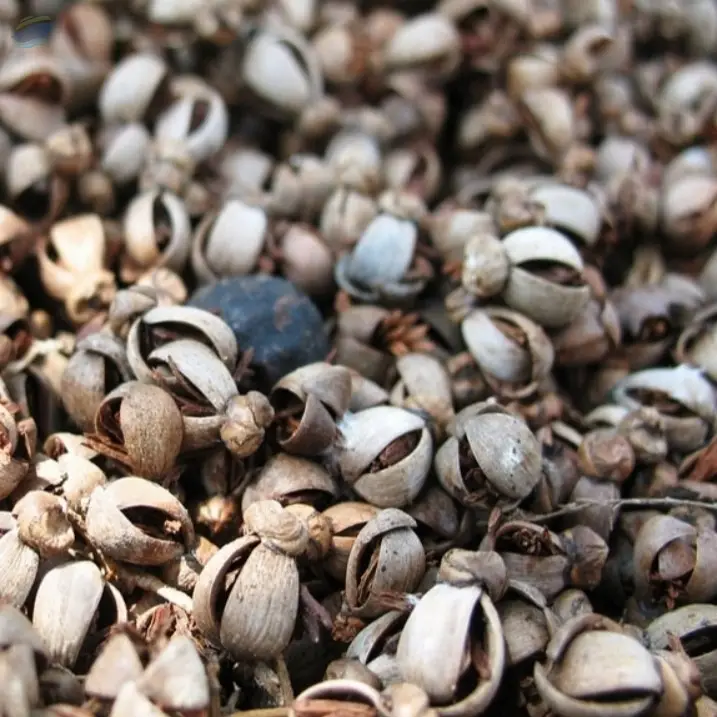
Coconut shells are often supplied for activated‑carbon production, bio‑char, or decorative crafts; buyers check shell thickness, cleanliness and any heat‑treatment records.

Can I obtain samples of the handmade jewellery?

Samples can be requested by contacting the supplier directly; buyers should ask for high‑resolution photographs, material composition details and, if metal is involved, an assay report.

What are typical packaging methods for the root crops?

Root crops such as Cassava and Taro are usually packed in breathable burlap or polypropylene bags of 20‑25 kg, sealed in 20‑ft containers for bulk shipments.

What HS‑code families are associated with these products?

While the supplier’s data does not list HS codes, the usual chapters are 1212 for Kava, 0704 for fresh vegetables (including cassava and taro), 1202 for Copra and 4420 for coconut shells; buyers should verify the exact code during customs filing.

About Magdel Ltd. - Cassava Supplier in Fiji

Magdel Ltd. is based in Fiji and lists six active products across agricultural and handicraft categories. The catalogue includes Kava root, raw Cassava tubers, Taro corms, Copra (dried coconut meat), Coconut Shells, and Handmade Jewellery made from local materials. Each product is identified by its generic category rather than specific grade or certification, reflecting the supplier’s current public listing. Fiji’s tropical climate supports the cultivation of kava, cassava, and taro, which are exported in bulk or bagged forms depending on buyer specifications. The company’s imported supplier tier places it within the broader Pacific trade network that services regional and overseas buyers.

The product list shows a focus on staple root crops and coconut derivatives, with an additional line of decorative handicrafts. Kava is offered as dried root pieces, Cassava as clean, peeled tubers, and Taro as whole corms ready for processing. Copra is presented as sun‑dried or mechanically dried kernels, while Coconut Shells are supplied as cleaned, split shells for crafts or industrial use. Handmade Jewellery is described only as a product type, indicating artisanal pieces rather than mass‑produced items. No HS‑code information is provided in the source data, so the description remains limited to the product names and categories supplied.

Product Range and Specialties of Magdel Ltd.

The catalogue covers three root crops - Kava, Cassava and Taro - each of which is typically graded by moisture content, size and purity. In the global market, Kava is often classified by kavalactone concentration (e.g., 3‑5 % dry weight) and must meet a moisture level below 12 % for long‑term storage. Cassava exports are usually sorted into fresh (≤ 10 % moisture) or dried chips (≤ 8 % moisture) and may be subject to cyanogenic glycoside limits of 10 mg kg⁻¹. Taro is generally shipped as whole corms with a minimum weight of 1 kg per piece and a moisture range of 70‑80 % for fresh supply. Copra is graded by oil content (typically 60‑70 % by weight) and kernel size (e.g., 10‑15 mm), while Coconut Shells are measured by thickness (2‑5 mm) and cleanliness for use in activated carbon or handicraft. Handmade Jewellery is a category of decorative items where material composition (e.g., shell, wood, metal) and craftsmanship are the primary quality indicators. Buyers usually request sample photographs, material composition sheets and, where applicable, test reports for moisture, purity or oil content.

Trade and Export Information - Magdel Ltd.

Fiji exports kava primarily to Australia, New Zealand, the United States and parts of Europe, where it is used in traditional and wellness products. Copra and other coconut by‑products are major export items for the Pacific region, feeding the edible‑oil, cosmetics and industrial sectors in Asia and the Middle East. Root crops such as cassava and taro are shipped to neighboring Pacific islands and to niche markets in North America and Europe that require tropical tubers for food processing. Typical HS‑code chapters for these goods are 1212 for kava, 0704 for fresh vegetables (including cassava and taro), 1202 for copra, and 4420 for coconut shells; however, no specific HS codes were supplied for Magdel Ltd.’s listings. Export logistics from Fiji usually involve containerised shipping from Suva or Lautoka ports, with 20‑ft or 40‑ft containers used for bulk agricultural products and smaller parcels for handicrafts. Buyers commonly request phytosanitary certificates, origin declarations and, where relevant, compliance with HACCP or ISO 22000 food‑safety standards.

Sourcing from Magdel Ltd. - Buyer Guidance

When sourcing Kava from Magdel Ltd., request a laboratory analysis that confirms kavalactone content and moisture level, as well as a phytosanitary certificate confirming the product is free of pests. For Cassava and Taro, ask for moisture analysis, size grading and a cyanogenic glycoside test report to ensure safety for food‑processing customers. Copra shipments should be accompanied by oil‑content test results and a declaration of any residual moisture, together with a certificate of origin for customs clearance. Coconut Shells buyers typically verify shell thickness, cleanliness and any prior treatment (e.g., heat‑treatment) through a sample inspection or a third‑party test report. Handcrafted jewellery requires material composition documentation and, if metal components are used, a declaration of alloy content to meet import regulations. In all cases, request a copy of the supplier’s export licence and, where applicable, evidence of compliance with HACCP, ISO 9001 or other relevant quality‑management systems before confirming orders.

Frequently Asked Questions About Magdel Ltd.
What root crops does Magdel Ltd. export from Fiji?
The supplier lists Kava, Cassava and Taro as its agricultural products, each harvested in Fiji’s tropical climate and offered as raw, unprocessed root material.
Are there any certifications listed for Magdel Ltd.?
No certifications are provided in the source data; buyers should request copies of any food‑safety or quality‑management certificates the supplier holds, such as HACCP or ISO 22000, before purchasing.
Which markets typically import Fiji’s Copra?
Copra from Fiji is commonly shipped to Asian edible‑oil processors, Middle‑East cosmetic manufacturers, and European industrial buyers that use coconut oil or derivatives.
What documentation is needed for importing Kava?
Importers usually require a phytosanitary certificate, a laboratory report showing kavalactone concentration, and a certificate of origin to satisfy customs and regulatory authorities.
How are Coconut Shells used by buyers?
Coconut shells are often supplied for activated‑carbon production, bio‑char, or decorative crafts; buyers check shell thickness, cleanliness and any heat‑treatment records.
Can I obtain samples of the handmade jewellery?
Samples can be requested by contacting the supplier directly; buyers should ask for high‑resolution photographs, material composition details and, if metal is involved, an assay report.
What are typical packaging methods for the root crops?
Root crops such as Cassava and Taro are usually packed in breathable burlap or polypropylene bags of 20‑25 kg, sealed in 20‑ft containers for bulk shipments.
What HS‑code families are associated with these products?
While the supplier’s data does not list HS codes, the usual chapters are 1212 for Kava, 0704 for fresh vegetables (including cassava and taro), 1202 for Copra and 4420 for coconut shells; buyers should verify the exact code during customs filing.

Magdel Ltd.
Country flag Fiji
⚓ HarborGlobal Trade
55/100
Trust Score
6
Products
✓ Free to contact — no commission
✓ Escrow payment available
✓ Verified business identity
Compare more suppliers
Post a requirement — get 10 quotes free
Let verified suppliers compete for your business. Free, fast, no commitment.
EximNext Verified Supplier
Business identity verified
Physical address confirmed
Financial history checked
Certifications authenticated
Trade references validated
Due Diligence
Verify this supplier's real shipping history.
Every shipment, every buyer, every port. Trade data that can't be faked.
Run due diligence →
Discover More

Related Suppliers & Products

Explore similar suppliers, related products and trending categories

Other Suppliers in Cassava

Top Trusted Suppliers

Related Products in Cassava

Trending in Parent Category

More Suppliers in Parent Category

Stay ahead in global trade
Weekly market insights & new supplier alerts.
EximNext
Exim Next is a leading global B2B marketplace, connecting over 205,000 verified suppliers and buyers across 200+ countries. As a trusted import export marketplace, it serves as the essential B2B portal for businesses worldwide, empowering them to expand their international reach. With Exim Next, businesses can trade smarter and grow faster.
SECURE PAYMENTS
VISAMastercardPayPalSWIFTL/CEscrow
Follow us
© 2026 EximNext