Longmold Technology Co., Ltd. — Verified Supplier

About Longmold Technology Co., Ltd. - Injection Moulded Products Supplier in China

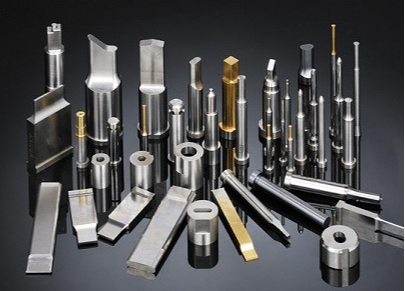
Longmold Technology Co., Ltd. is based in China and currently lists six active products in its catalogue. The supplier focuses on injection moulded products and plastic processing machinery, as indicated by its top categories. Its product portfolio includes blow molds, plastic injection molds, gas‑assisted molds, die‑casting molds, precise molds and hot‑runner molds. These items are presented without accompanying HS codes in the supplied data. The active product count of six aligns with the six distinct mold types enumerated. The catalogue does not disclose additional accessories or auxiliary equipment.

Each listed mold type serves a specific manufacturing process within the broader plastic and metal forming industries. Blow molds are used for extrusion blow‑forming of hollow parts, while plastic injection molds shape molten polymer under high pressure. Gas‑assisted molds introduce nitrogen to reduce material usage and improve surface finish, and die‑casting molds are employed for high‑pressure metal casting. Precise molds target tight dimensional tolerances for medical or electronic components, and hot‑runner molds incorporate heated runner systems to reduce waste. Although the facts omit HS‑code numbers, such tooling is generally classified under the machinery and equipment chapters of the customs tariff. The supplier’s catalogue does not specify material grades or surface‑finish specifications, leaving those details to be confirmed during the sourcing process.

Product Range and Specialties of Longmold Technology Co., Ltd.

The catalogue’s six mold types cover the main segments of tooling required for high‑volume plastic and metal part production. In the injection moulding sector, standard molds are commonly fabricated from P20 or H13 tool steel with a hardness of 30‑35 HRC and a surface roughness of Ra 0.8 µm. Blow moulds for PET bottles often use aluminum or steel cores with a cavity tolerance of ±0.05 mm, while gas‑assisted molds add nitrogen channels to achieve similar tolerances with reduced material. Die‑casting molds typically employ high‑strength steel such as H11 and are designed for cycle times under 30 seconds. Precise molds for medical devices may require stainless‑steel grades (e.g., 304) and tighter tolerances of ±0.01 mm, and hot‑runner systems are built with temperature‑controlled manifolds to maintain melt temperature within ±2 °C. Buyers generally expect documentation of material grade, heat‑treatment reports, and dimensional inspection certificates for each mold type.

Trade and Export Information - Longmold Technology Co., Ltd.

Chinese mold manufacturers like Longmold Technology Co., Ltd. export tooling primarily to automotive, consumer‑goods, and electronics producers in Europe, North America, and Southeast Asia. The typical HS chapters for these products are 84 (machinery) and 85 (electrical equipment), and customs authorities often request a commercial invoice, packing list, and certificate of origin. Buyers frequently require ISO 9001 quality‑management certification, CE marking for EU markets, and, where applicable, UL or CSA approval for North American applications. Standard export packaging includes wooden crates with internal cushioning, sized to fit 20‑ft or 40‑ft containers, and moisture‑resistant barriers are used for steel tooling to prevent corrosion. Freight terms such as FOB Shanghai or CIF destination port are common, with lead times ranging from 30 to 90 days depending on mold complexity and material certification.

Sourcing from Longmold Technology Co., Ltd. - Buyer Guidance

Prospective buyers should request detailed engineering drawings and a bill of materials before confirming an order, as these documents reveal the proposed steel grade, heat‑treatment cycle, and cavity dimensions. Sample molds or prototype runs are useful to verify dimensional accuracy, surface finish, and cooling performance, and test reports such as hardness (Rockwell) and tensile strength should be supplied. It is advisable to obtain the supplier’s ISO 9001 certificate and, where required, CE or UL compliance documents, and to verify that the export packaging meets the buyer’s logistics specifications. Clarifying the minimum order quantity, expected lead time, and the preferred Incoterm early in the negotiation helps prevent delays, especially for complex hot‑runner or gas‑assisted systems.

Frequently Asked Questions About Longmold Technology Co., Ltd.

What types of molds does Longmold Technology Co., Ltd. offer?

The supplier lists six mold types: blow mould, plastic injection mould, gas‑assisted mould, die‑casting mould, precise mould and hot‑runner mould. Each corresponds to a distinct manufacturing process within plastic or metal forming.

Which certifications should a buyer request from this supplier?

Buyers should ask for the supplier’s ISO 9001 quality‑management certificate, and, if the molds are destined for the EU, a CE conformity declaration. For North American markets, UL or CSA approval may also be required.

What technical documents are typically needed before placing an order?

Standard documentation includes CAD drawings, a bill of materials, material‑grade certificates, heat‑treatment reports, and dimensional inspection reports such as CMM data. Hardness test results (Rockwell) are also common for steel tooling.

What are the usual lead times for the listed mold types?

Lead times depend on complexity; simple blow or injection molds may require 30‑45 days, while gas‑assisted, precise or hot‑runner systems often need 60‑90 days to complete tooling and testing.

Is there a minimum order quantity for molds from this supplier?

Most Chinese mold makers set a minimum order of one complete mold, but the buyer should confirm any tooling‑specific MOQ, especially for large die‑casting molds that may involve higher material volumes.

How are the molds packaged for international shipment?

Molds are typically crated in reinforced wooden boxes with internal foam or wooden pallets, and the crates are sized to fit standard 20‑ft or 40‑ft containers. Moisture‑resistant liners are added to protect steel surfaces during sea freight.

Which Incoterms are commonly used for shipments from Longmold Technology Co., Ltd.?

Exporters in China frequently use FOB Shanghai or CIF destination port, allowing the buyer to choose between arranging their own freight forwarder or receiving a cost‑included shipment.


Other Suppliers in Injection Moulded Products

Top Trusted Suppliers

Related Products in Injection Moulded Products

Trending in Parent Category

More Suppliers in Parent Category

Related Products

Other Suppliers

EximNext
58.5K+ live requirements
Register Free🎁 Reach verified global buyers
Post Requirement
🌍 Trusted by 224.6K+ businesses in 200+ countries|
58.5K+ active requirements right now
✉️ [email protected]
|
Sell on EximNextPost Requirement
EximNext
AgricultureApparelConstructionElectronicFoodHomeIndustrialMineralsMiscellaneous
🔥 Deals|✨ AI Match|🏭 Suppliers|📋 Buy Leads|💰 Trade Finance
58.5K+ live RFQs·194.6K+ suppliers
🎁 Reach global buyers →
EximNext
EximNext
Register Free
🎁 Reach verified global buyers
Sign In
📋Post Requirement💬Get QuotesAI Match📋RFQ Marketplace
All Categories
Services & Tools
🏭Supplier Directory🔥Today's Deals💰Trade Finance
Sell on EximNext
AboutContactBlogHelp
🏭

Longmold Technology Co., Ltd.

Harbor
Country flag , China
🛡️
56/100
Trust Score

Longmold Technology Co., Ltd. Product Catalog

Showing 6 of 6 products
View all products →
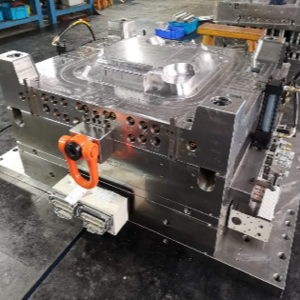
Die casting mold
Harbor
Die casting mold
Contact
MOQ: 1 Unit
Precise mold
Harbor
Precise mold
Contact
MOQ: 1 Unit
Hotrunner mold
Harbor
Hotrunner mold
Contact
MOQ: 1 Unit
Gas-assisted mold
Harbor
Gas-assisted mold
Contact
MOQ: 1 Unit
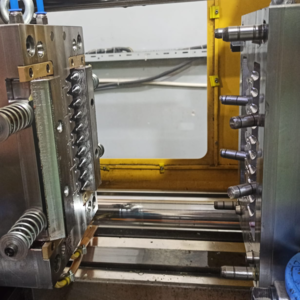
Plastic injection mold
Harbor
Plastic injection mold
Contact
MOQ: 1 Unit
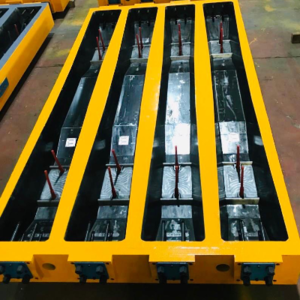
Blow Mold
Harbor
Blow Mold
Contact
MOQ: 1 Unit

About Longmold Technology Co., Ltd. - Injection Moulded Products Supplier in China

Longmold Technology Co., Ltd. is based in China and currently lists six active products in its catalogue. The supplier focuses on injection moulded products and plastic processing machinery, as indicated by its top categories. Its product portfolio includes blow molds, plastic injection molds, gas‑assisted molds, die‑casting molds, precise molds and hot‑runner molds. These items are presented without accompanying HS codes in the supplied data. The active product count of six aligns with the six distinct mold types enumerated. The catalogue does not disclose additional accessories or auxiliary equipment.

Each listed mold type serves a specific manufacturing process within the broader plastic and metal forming industries. Blow molds are used for extrusion blow‑forming of hollow parts, while plastic injection molds shape molten polymer under high pressure. Gas‑assisted molds introduce nitrogen to reduce material usage and improve surface finish, and die‑casting molds are employed for high‑pressure metal casting. Precise molds target tight dimensional tolerances for medical or electronic components, and hot‑runner molds incorporate heated runner systems to reduce waste. Although the facts omit HS‑code numbers, such tooling is generally classified under the machinery and equipment chapters of the customs tariff. The supplier’s catalogue does not specify material grades or surface‑finish specifications, leaving those details to be confirmed during the sourcing process.

Product Range and Specialties of Longmold Technology Co., Ltd.

The catalogue’s six mold types cover the main segments of tooling required for high‑volume plastic and metal part production. In the injection moulding sector, standard molds are commonly fabricated from P20 or H13 tool steel with a hardness of 30‑35 HRC and a surface roughness of Ra 0.8 µm. Blow moulds for PET bottles often use aluminum or steel cores with a cavity tolerance of ±0.05 mm, while gas‑assisted molds add nitrogen channels to achieve similar tolerances with reduced material. Die‑casting molds typically employ high‑strength steel such as H11 and are designed for cycle times under 30 seconds. Precise molds for medical devices may require stainless‑steel grades (e.g., 304) and tighter tolerances of ±0.01 mm, and hot‑runner systems are built with temperature‑controlled manifolds to maintain melt temperature within ±2 °C. Buyers generally expect documentation of material grade, heat‑treatment reports, and dimensional inspection certificates for each mold type.

Trade and Export Information - Longmold Technology Co., Ltd.

Chinese mold manufacturers like Longmold Technology Co., Ltd. export tooling primarily to automotive, consumer‑goods, and electronics producers in Europe, North America, and Southeast Asia. The typical HS chapters for these products are 84 (machinery) and 85 (electrical equipment), and customs authorities often request a commercial invoice, packing list, and certificate of origin. Buyers frequently require ISO 9001 quality‑management certification, CE marking for EU markets, and, where applicable, UL or CSA approval for North American applications. Standard export packaging includes wooden crates with internal cushioning, sized to fit 20‑ft or 40‑ft containers, and moisture‑resistant barriers are used for steel tooling to prevent corrosion. Freight terms such as FOB Shanghai or CIF destination port are common, with lead times ranging from 30 to 90 days depending on mold complexity and material certification.

Sourcing from Longmold Technology Co., Ltd. - Buyer Guidance

Prospective buyers should request detailed engineering drawings and a bill of materials before confirming an order, as these documents reveal the proposed steel grade, heat‑treatment cycle, and cavity dimensions. Sample molds or prototype runs are useful to verify dimensional accuracy, surface finish, and cooling performance, and test reports such as hardness (Rockwell) and tensile strength should be supplied. It is advisable to obtain the supplier’s ISO 9001 certificate and, where required, CE or UL compliance documents, and to verify that the export packaging meets the buyer’s logistics specifications. Clarifying the minimum order quantity, expected lead time, and the preferred Incoterm early in the negotiation helps prevent delays, especially for complex hot‑runner or gas‑assisted systems.

Frequently Asked Questions About Longmold Technology Co., Ltd.

What types of molds does Longmold Technology Co., Ltd. offer?

The supplier lists six mold types: blow mould, plastic injection mould, gas‑assisted mould, die‑casting mould, precise mould and hot‑runner mould. Each corresponds to a distinct manufacturing process within plastic or metal forming.

Which certifications should a buyer request from this supplier?

Buyers should ask for the supplier’s ISO 9001 quality‑management certificate, and, if the molds are destined for the EU, a CE conformity declaration. For North American markets, UL or CSA approval may also be required.

What technical documents are typically needed before placing an order?

Standard documentation includes CAD drawings, a bill of materials, material‑grade certificates, heat‑treatment reports, and dimensional inspection reports such as CMM data. Hardness test results (Rockwell) are also common for steel tooling.

What are the usual lead times for the listed mold types?

Lead times depend on complexity; simple blow or injection molds may require 30‑45 days, while gas‑assisted, precise or hot‑runner systems often need 60‑90 days to complete tooling and testing.

Is there a minimum order quantity for molds from this supplier?

Most Chinese mold makers set a minimum order of one complete mold, but the buyer should confirm any tooling‑specific MOQ, especially for large die‑casting molds that may involve higher material volumes.

How are the molds packaged for international shipment?

Molds are typically crated in reinforced wooden boxes with internal foam or wooden pallets, and the crates are sized to fit standard 20‑ft or 40‑ft containers. Moisture‑resistant liners are added to protect steel surfaces during sea freight.

Which Incoterms are commonly used for shipments from Longmold Technology Co., Ltd.?

Exporters in China frequently use FOB Shanghai or CIF destination port, allowing the buyer to choose between arranging their own freight forwarder or receiving a cost‑included shipment.

About Longmold Technology Co., Ltd. - Injection Moulded Products Supplier in China

Longmold Technology Co., Ltd. is based in China and currently lists six active products in its catalogue. The supplier focuses on injection moulded products and plastic processing machinery, as indicated by its top categories. Its product portfolio includes blow molds, plastic injection molds, gas‑assisted molds, die‑casting molds, precise molds and hot‑runner molds. These items are presented without accompanying HS codes in the supplied data. The active product count of six aligns with the six distinct mold types enumerated. The catalogue does not disclose additional accessories or auxiliary equipment.

Each listed mold type serves a specific manufacturing process within the broader plastic and metal forming industries. Blow molds are used for extrusion blow‑forming of hollow parts, while plastic injection molds shape molten polymer under high pressure. Gas‑assisted molds introduce nitrogen to reduce material usage and improve surface finish, and die‑casting molds are employed for high‑pressure metal casting. Precise molds target tight dimensional tolerances for medical or electronic components, and hot‑runner molds incorporate heated runner systems to reduce waste. Although the facts omit HS‑code numbers, such tooling is generally classified under the machinery and equipment chapters of the customs tariff. The supplier’s catalogue does not specify material grades or surface‑finish specifications, leaving those details to be confirmed during the sourcing process.

Product Range and Specialties of Longmold Technology Co., Ltd.

The catalogue’s six mold types cover the main segments of tooling required for high‑volume plastic and metal part production. In the injection moulding sector, standard molds are commonly fabricated from P20 or H13 tool steel with a hardness of 30‑35 HRC and a surface roughness of Ra 0.8 µm. Blow moulds for PET bottles often use aluminum or steel cores with a cavity tolerance of ±0.05 mm, while gas‑assisted molds add nitrogen channels to achieve similar tolerances with reduced material. Die‑casting molds typically employ high‑strength steel such as H11 and are designed for cycle times under 30 seconds. Precise molds for medical devices may require stainless‑steel grades (e.g., 304) and tighter tolerances of ±0.01 mm, and hot‑runner systems are built with temperature‑controlled manifolds to maintain melt temperature within ±2 °C. Buyers generally expect documentation of material grade, heat‑treatment reports, and dimensional inspection certificates for each mold type.

Trade and Export Information - Longmold Technology Co., Ltd.

Chinese mold manufacturers like Longmold Technology Co., Ltd. export tooling primarily to automotive, consumer‑goods, and electronics producers in Europe, North America, and Southeast Asia. The typical HS chapters for these products are 84 (machinery) and 85 (electrical equipment), and customs authorities often request a commercial invoice, packing list, and certificate of origin. Buyers frequently require ISO 9001 quality‑management certification, CE marking for EU markets, and, where applicable, UL or CSA approval for North American applications. Standard export packaging includes wooden crates with internal cushioning, sized to fit 20‑ft or 40‑ft containers, and moisture‑resistant barriers are used for steel tooling to prevent corrosion. Freight terms such as FOB Shanghai or CIF destination port are common, with lead times ranging from 30 to 90 days depending on mold complexity and material certification.

Sourcing from Longmold Technology Co., Ltd. - Buyer Guidance

Prospective buyers should request detailed engineering drawings and a bill of materials before confirming an order, as these documents reveal the proposed steel grade, heat‑treatment cycle, and cavity dimensions. Sample molds or prototype runs are useful to verify dimensional accuracy, surface finish, and cooling performance, and test reports such as hardness (Rockwell) and tensile strength should be supplied. It is advisable to obtain the supplier’s ISO 9001 certificate and, where required, CE or UL compliance documents, and to verify that the export packaging meets the buyer’s logistics specifications. Clarifying the minimum order quantity, expected lead time, and the preferred Incoterm early in the negotiation helps prevent delays, especially for complex hot‑runner or gas‑assisted systems.

Frequently Asked Questions About Longmold Technology Co., Ltd.
What types of molds does Longmold Technology Co., Ltd. offer?
The supplier lists six mold types: blow mould, plastic injection mould, gas‑assisted mould, die‑casting mould, precise mould and hot‑runner mould. Each corresponds to a distinct manufacturing process within plastic or metal forming.
Which certifications should a buyer request from this supplier?
Buyers should ask for the supplier’s ISO 9001 quality‑management certificate, and, if the molds are destined for the EU, a CE conformity declaration. For North American markets, UL or CSA approval may also be required.
What technical documents are typically needed before placing an order?
Standard documentation includes CAD drawings, a bill of materials, material‑grade certificates, heat‑treatment reports, and dimensional inspection reports such as CMM data. Hardness test results (Rockwell) are also common for steel tooling.
What are the usual lead times for the listed mold types?
Lead times depend on complexity; simple blow or injection molds may require 30‑45 days, while gas‑assisted, precise or hot‑runner systems often need 60‑90 days to complete tooling and testing.
Is there a minimum order quantity for molds from this supplier?
Most Chinese mold makers set a minimum order of one complete mold, but the buyer should confirm any tooling‑specific MOQ, especially for large die‑casting molds that may involve higher material volumes.
How are the molds packaged for international shipment?
Molds are typically crated in reinforced wooden boxes with internal foam or wooden pallets, and the crates are sized to fit standard 20‑ft or 40‑ft containers. Moisture‑resistant liners are added to protect steel surfaces during sea freight.
Which Incoterms are commonly used for shipments from Longmold Technology Co., Ltd.?
Exporters in China frequently use FOB Shanghai or CIF destination port, allowing the buyer to choose between arranging their own freight forwarder or receiving a cost‑included shipment.

🏭
Longmold Technology Co., Ltd.
Country flag , China
Harbor
56/100
Trust Score
📦
6
Products
Free to contact — no commission
Escrow payment available
Verified business identity
Compare more suppliers
Post a requirement — get 10 quotes free
Let verified suppliers compete for your business. Free, fast, no commitment.
EximNext Verified Supplier
Business identity verified
Physical address confirmed
Financial history checked
Certifications authenticated
Trade references validated
Due Diligence
Verify this supplier's real shipping history.
Every shipment, every buyer, every port. Trade data that can't be faked.
Run due diligence →
Discover More

Related Suppliers & Products

Explore similar suppliers, related products and trending categories

Other Suppliers in Injection Moulded Products

Top Trusted Suppliers

Related Products in Injection Moulded Products

Trending in Parent Category

More Suppliers in Parent Category

Stay ahead in global trade
Weekly market insights & new supplier alerts.
EximNext
Exim Next is a leading global B2B marketplace, connecting over 205,000 verified suppliers and buyers across 200+ countries. As a trusted import export marketplace, it serves as the essential B2B portal for businesses worldwide, empowering them to expand their international reach. With Exim Next, businesses can trade smarter and grow faster.
SECURE PAYMENTS
VISAMastercardPayPalSWIFTL/CEscrow
Follow us
© 2026 EximNext