Lifesun Marketing — Supplier
About Lifesun Marketing - Fresh Fruits Supplier in Canada
Canada‑based Lifesun Marketing lists thirteen active products across several categories, including fresh fruits, bamboo products, castor seed oil, honey and food additives. The catalogue records items such as Bamboo Poles, Jamaican Breadfruits, Castor Oil (HS 1515.30, 100 % pure Ricinus communis oil), Green Banana (HS 0803.90, fresh Musa spp.), Honey (Jamaican), Nutmeg, Amaranth (Callaloo) (HS 1209.99, Amaranthus seed variety), Sour Sop and its leaves, Maple Syrup, Pimento Seeds, Portland Cement Mix, Sea Moss and Pimento Sticks. The product set reflects both agricultural produce and industrial materials sourced for export. Each entry aligns with its HS‑code family where specified, indicating the tariff classification used for customs. The supplier’s trust tier is listed as “harbor”, denoting a mid‑level verification status.
Product Range and Specialties of Lifesun Marketing
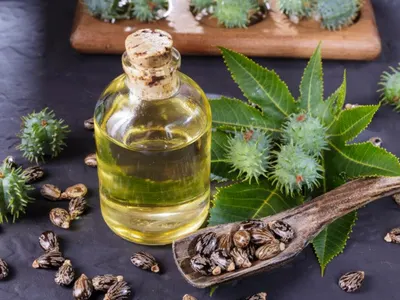
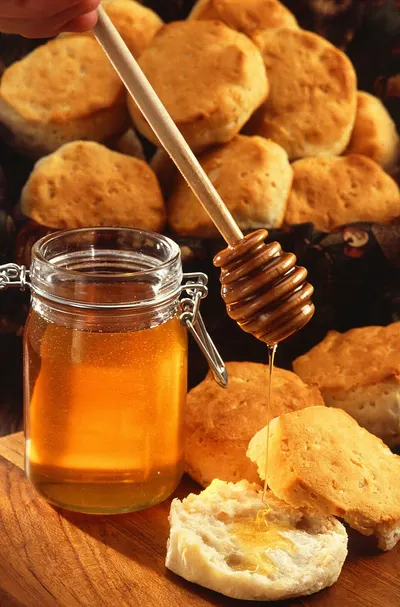
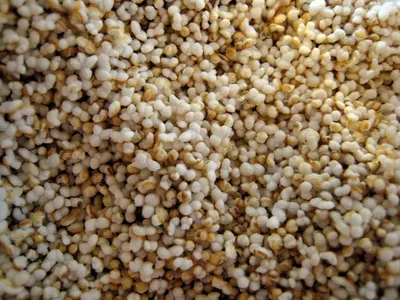
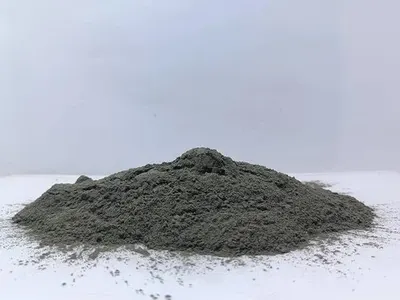
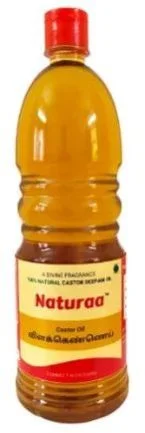
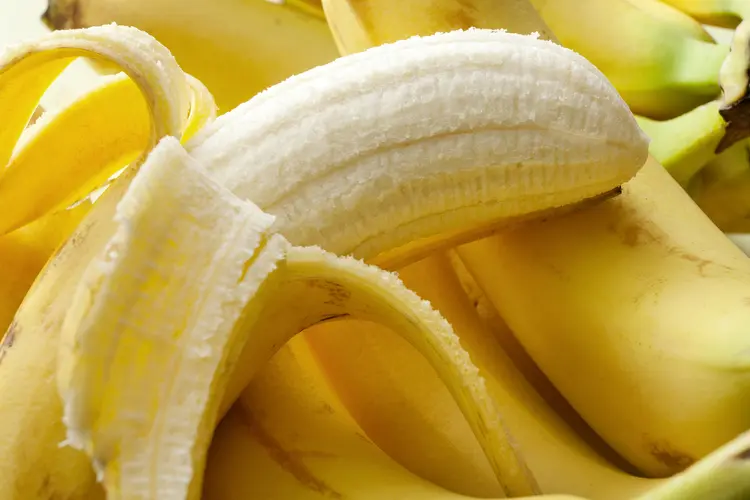
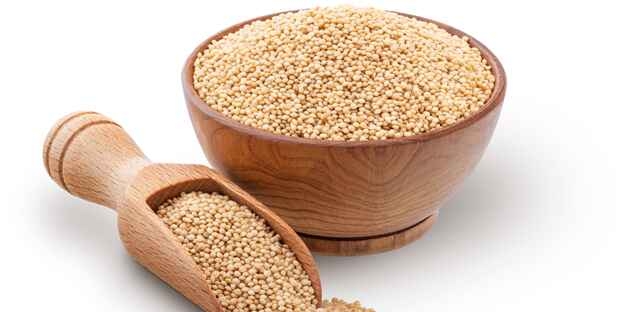
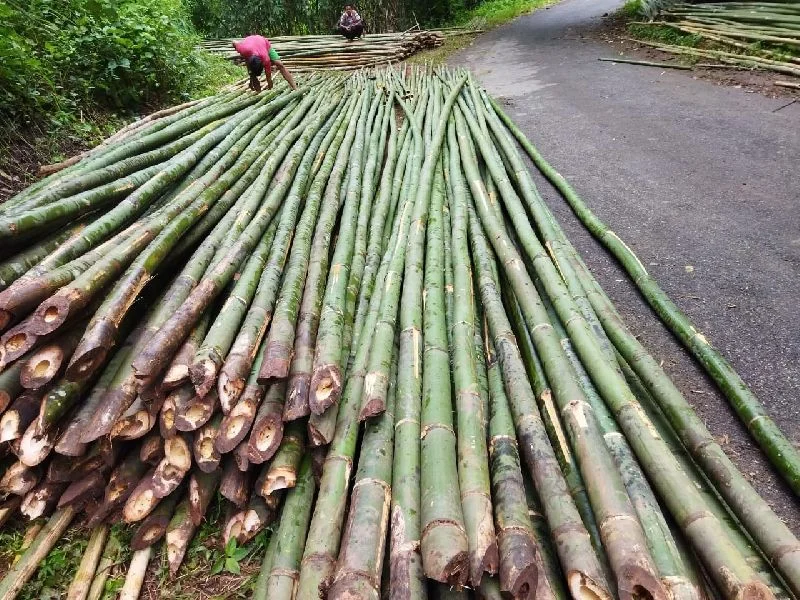
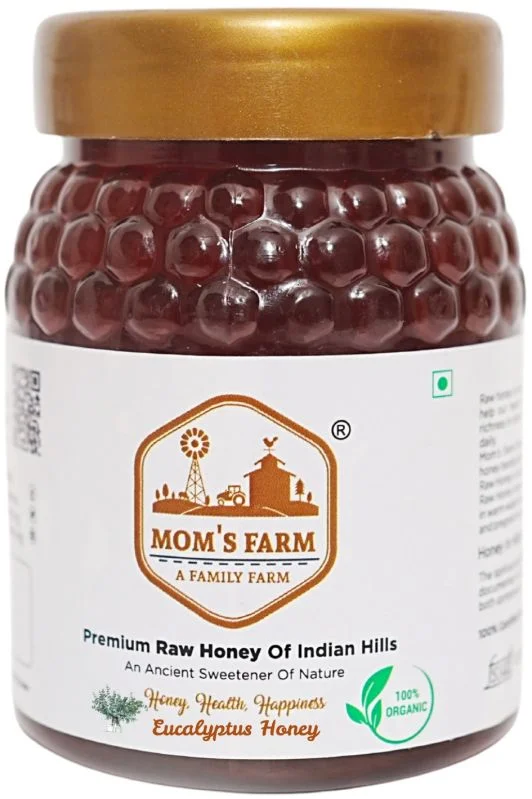
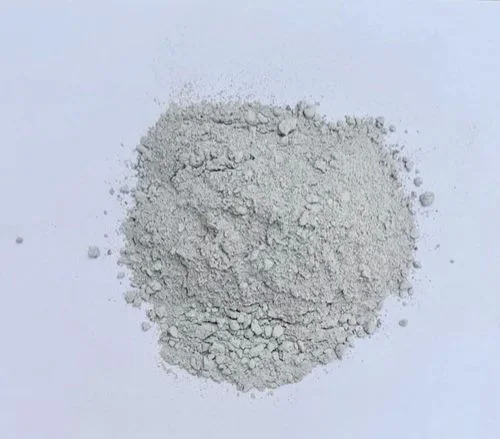
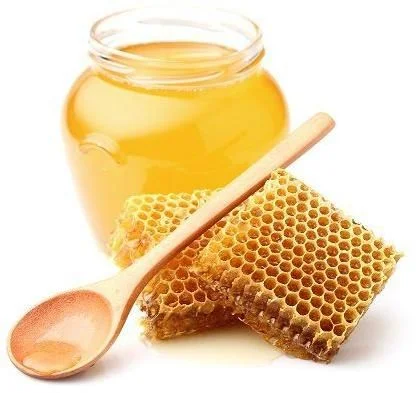
Bamboo Poles are commonly supplied in diameters ranging from 30 mm to 120 mm, with a minimum compressive strength of 30 MPa and are usually graded to ISO 22156 for durability. Jamaican Breadfruit is exported as whole fruit meeting Codex standard for size (average length 12 - 15 cm) and low moisture content (<75 %). Castor Oil classified under HS 1515.30 is typically refined to a free‑fatty‑acid level below 0.5 % and an iodine value of 85 - 95, meeting food‑grade specifications such as ISO 660. Green Banana (HS 0803.90) is graded by size (10 - 15 cm) and firmness, with a typical Brix of 5 - 7 % for fresh market use. Honey from Jamaica is usually a monofloral product with moisture ≤ 20 % and complies with Codex Standard 12‑2001. Nutmeg kernels are dried to a moisture content of 10 - 12 % and sorted by size (large, medium, small). Amaranth seeds are evaluated for protein content (≈ 15 %) and oil content (≈ 7 %). Sea Moss is dried to ≤ 12 % moisture and packed in bulk or 25 kg bags. Portland Cement Mix follows ASTM C150 Type I specifications, and Pimento Seeds and Sticks are graded by seed viability and stick length respectively.
Typical export packaging includes 20‑ft or 40‑ft containers with inner cartons for fresh fruit, sealed polyethylene bags for oils and seeds, and bulk drums for cement mix. Temperature‑controlled containers are used for perishable items such as banana and honey to preserve quality during trans‑Atlantic voyages. Documentation generally includes a commercial invoice, packing list, Certificate of Origin, and where required, a Phytosanitary Certificate for plant products.
Trade and Export Information - Lifesun Marketing
Canada’s agricultural export profile emphasizes fresh tropical fruits, specialty honey, maple syrup and niche oil products, with primary destinations in the United States, European Union, and Middle‑East markets. HS‑code 0803 (fresh bananas) and 0805 (other fresh fruit) are routinely inspected under the USDA’s Import Inspection Program and EU’s Rapid Alert System, requiring phytosanitary certificates and, for organic consignments, EU organic certification. Vegetable oils under HS 1515 are often subject to ISO 22000 or HACCP audit reports, while honey imports fall under Codex Standard 12‑2001 and may need a laboratory analysis of moisture and sucrose content. Cement mixes (HS 2523) are shipped as bulk cargo, complying with ASTM C150 and often require a Test Certificate of compressive strength. Canadian exporters typically negotiate FOB Vancouver or Halifax, with buyers arranging CIF to their destination ports.
Buyers importing these categories should verify that the supplier can provide the necessary certificates of analysis, phytosanitary certificates, and, where applicable, organic or non‑GMO attestations. Logistics for bulk items such as cement mix involve stevedoring considerations, while fresh produce benefits from container reefers set at 13 °C for bananas and 12 °C for breadfruit. Canadian export regulations require compliance with the Canada Border Services Agency’s Automated Export Declaration, and many importers request an ISO 9001 quality‑management certificate as a baseline assurance.
Sourcing from Lifesun Marketing - Buyer Guidance
When sourcing from Lifesun Marketing, buyers should request a recent Certificate of Analysis for Castor Oil, confirming free fatty acid and iodine values, and a moisture test report for honey and Sea Moss. For fresh fruit items, a phytosanitary certificate issued by the Canadian Food Inspection Agency is essential, along with a packing list showing fruit dimensions and weight per carton. Samples of bamboo poles and amaranth seeds can be requested in standard sizes to verify strength and purity before confirming bulk orders.
It is advisable to confirm the supplier’s ability to provide export documentation such as the Certificate of Origin and, where required, an ISO 22000 or HACCP audit report for food‑grade products. Buyers should also clarify the minimum order quantity (MOQ) - for example, cement mix is typically shipped in 20‑ton bulk loads, while honey may have a MOQ of 500 kg. Lead times for fresh produce are usually 2 - 3 weeks from harvest to shipment, whereas processed goods like castor oil may require 4 - 6 weeks for refinement and packaging.
Frequently Asked Questions About Lifesun Marketing
What product categories does Lifesun Marketing offer?
Lifesun Marketing lists thirteen products across fresh fruits (e.g., Jamaican Breadfruit, Green Banana, Sour Sop), bamboo products, castor seed oil, honey, nutmeg, amaranth seeds, maple syrup, pimento seeds and sticks, Portland cement mix, and sea moss.
Which HS codes are associated with Lifesun Marketing’s catalogue?
The catalogue includes HS 1515.30 for Castor Oil, HS 0803.90 for Green Banana, and HS 1209.99 for Amaranth seeds; the remaining items fall under the appropriate chapters for fresh fruit, bamboo, honey, spices, cement and marine algae.
What certifications should a buyer request for the food‑grade items?
Buyers typically request a Certificate of Analysis, a Phytosanitary Certificate for fresh produce, and compliance documents such as Codex Alimentarius standards, ISO 22000 or HACCP audit reports for oil, honey and spice products.
How are the fresh fruit products usually packaged for export?
Fresh fruits are packed in ventilated cartons of about 20 kg each, stacked inside a refrigerated 20‑ft or 40‑ft container set to 12 - 13 °C to maintain ripeness during transit.
What are the common minimum order quantities for the listed products?
Typical MOQs are 500 kg for honey, 1 ton for Castor Oil, 20 tons for Portland cement mix, and 10 tons for bulk sea moss; smaller quantities can be arranged for sample requests of bamboo poles or amaranth seeds.
Which markets commonly import the categories supplied by Lifesun Marketing?
Major importers include the United States, the European Union, the Middle East and Asian markets such as Japan and South Korea, which source tropical fruit, specialty honey and vegetable oils from Canada.
What documentation is required for customs clearance of the cement mix?
Cement mix shipments need a commercial invoice, packing list, Certificate of Origin, and a test certificate confirming compliance with ASTM C150 Type I specifications; a safety data sheet may also be requested.




 , Canada