Les Jardins D'inde — Supplier
About Les Jardins D'inde - Plants & Plant Extracts Supplier in India
India, a major horticultural exporter, is home to Les Jardins D'inde which currently lists five active products in its catalogue. The supplier focuses on the categories Plants & Plant Extracts and Herbal Plants, covering a range of ornamental and medicinal foliage. Each product is identified by its common name without detailed HS classification in the public data. The catalogue includes a mix of saplings, mature potted plants and specialty varieties that are typically handled as live plant shipments under HS chapter 06. The supplier’s trust tier is listed as harbor, indicating a moderate level of verification in trade platforms.
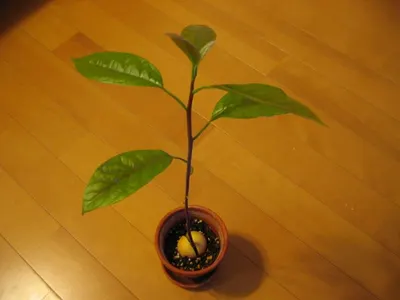
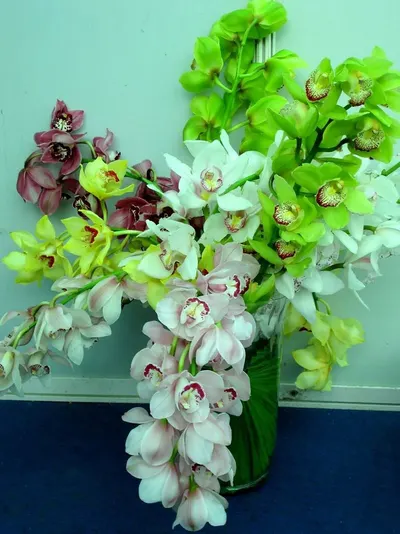
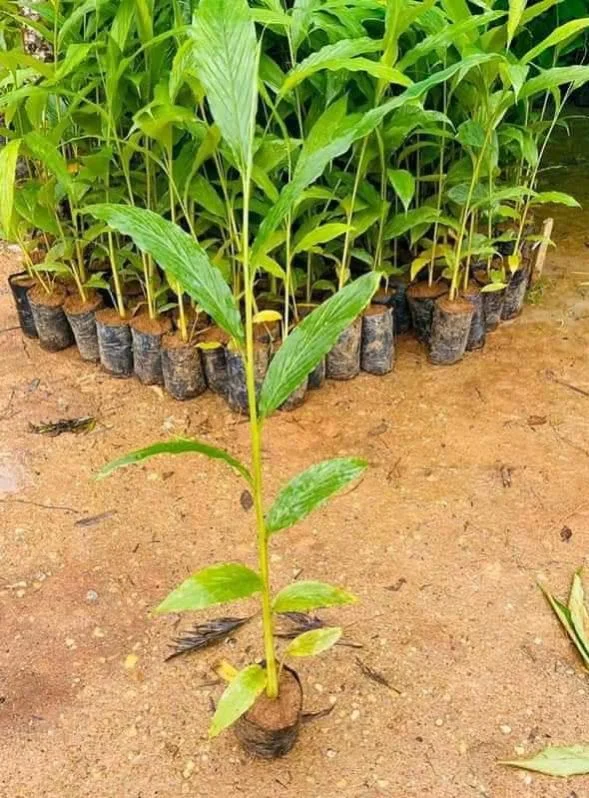
The five listed items are Orange Sapling, Bonsai, Orchid Plants, Oleander and Begonia Plant. These items represent a variety of growth forms - from young tree seedlings to compact ornamental shrubs - and are commonly cultivated in Indian nurseries for export. Orange Sapling refers to young Citrus sinensis trees, usually sold in 10‑15 cm pots. Bonsai denotes dwarf‑grown woody species, often presented in shallow ceramic containers. Orchid Plants cover tropical epiphytic species that require humidity‑controlled packaging. Oleander and Begonia Plant are typical garden shrubs and foliage plants, respectively, each packed to preserve root health during transit.
Product Range and Specialties of Les Jardins D'inde
The catalogue includes Orange Sapling, Bonsai, Orchid Plants, Oleander and Begonia Plant, all classified under the broad headings Plants & Plant Extracts and Herbal Plants. In the horticultural trade, orange saplings are usually graded by root ball size (e.g., 10 cm, 15 cm) and leaf development stage, with phytosanitary status being critical. Bonsai specimens are often measured by pot diameter (5‑10 cm) and height (15‑30 cm), and buyers look for species such as Ficus, Juniper or Zelkova that meet aesthetic standards. Orchid shipments are typically evaluated on flower count per plant, bloom stage, and temperature tolerance (15‑30 °C). Oleander plants are graded by height (30‑60 cm) and canopy spread, while Begonia plants are assessed for leaf size (5‑10 cm) and coloration. Common material for packaging includes peat‑based compost, breathable plastic pots, and moisture‑retaining wraps.
Industry standards for live plant exports require that each unit be free from pests, accompanied by a phytosanitary certificate, and packed to allow airflow while preventing desiccation. Buyers often request ISO 9001 quality management documentation for nursery practices, as well as compliance with CITES if any listed species are involved. Typical container loads range from 500 kg to 1 ton for mixed live‑plant consignments, with moisture content of the growing medium kept below 30 % to avoid fungal growth.
Trade and Export Information - Les Jardins D'inde
India ranks among the top global exporters of live ornamental plants, with major destinations in the European Union, the United States, the Middle East and Southeast Asia. Products such as saplings, bonsai and orchids fall under HS codes 0601 (bulbs, tubers, roots, cuttings) and 0602 (other live plants). Export shipments are usually handled as air freight for smaller orders or 20‑ft containers with ventilated liners for larger volumes. Importing countries typically require a phytosanitary certificate issued by the Indian Plant Quarantine authority, and may also request a certificate of origin and compliance with local quarantine regulations.
Buyers should confirm that the supplier can provide appropriate packaging - for example, insulated boxes with moisture‑retaining liners for orchids, and sturdy plastic pots with root‑ball supports for saplings. Common Incoterms used in Indian live‑plant trade are FOB (Port of Mumbai or Chennai) and CIF for European ports. Export documentation often includes the commercial invoice, packing list, phytosanitary certificate, and where relevant, a CITES permit for protected species. Seasonal factors such as monsoon timing can affect lead times, so forward planning is advisable.
Sourcing from Les Jardins D'inde - Buyer Guidance
When sourcing from Les Jardins D'inde, buyers should request recent phytosanitary certificates for each plant type and verify that the supplier follows recognized nursery hygiene protocols. It is advisable to obtain sample photographs of the actual plants, size measurements (pot diameter, plant height) and growth stage details before placing an order. Buyers should also ask for a copy of any ISO 9001 or similar quality management system documentation the supplier maintains, as this helps assess consistency of production.
Before confirming a shipment, verify that the packaging meets the target market’s quarantine requirements - for example, sealed moisture‑retaining bags for orchids or insulated crates for temperature‑sensitive saplings. Request a test report on root health or a germination rate if relevant, and confirm the agreed Incoterm (FOB or CIF) and the expected lead time, which typically ranges from 15 days for small air‑freight consignments to 45 days for full container loads.
Frequently Asked Questions About Les Jardins D'inde
What types of live plants does Les Jardins D'inde offer?
The supplier lists five items: Orange Sapling, Bonsai, Orchid Plants, Oleander and Begonia Plant, all classified under Plants & Plant Extracts and Herbal Plants.
Which HS codes are applicable to these products?
Live ornamental plants from India are generally classified under HS code 0601 for rooted cuttings and 0602 for other live plants; the supplier’s catalogue falls within these headings.
What certifications should a buyer request?
Buyers should request a phytosanitary certificate, a certificate of origin, and, if available, any ISO 9001 or similar quality management documentation the supplier can provide.
What are typical packaging methods for orange saplings and orchids?
Orange saplings are usually shipped in 10‑15 cm plastic pots with breathable sleeves, while orchids are packed in insulated boxes with moisture‑retaining wraps and protective supports to maintain humidity.
What are common minimum order quantities and lead times?
Small air‑freight orders may start at a few dozen plants with a lead time of about 15 days; full container loads of mixed live plants often require 30‑45 days from order confirmation.
Which markets commonly import these Indian live plants?
Key import markets include the European Union, the United States, the United Arab Emirates and Singapore, where horticultural retailers and landscape designers source ornamental and medicinal plants.
What import documentation is typically required?
Importers usually need a phytosanitary certificate, a commercial invoice, a packing list, a certificate of origin, and, for protected species, a CITES permit.
How should buyers verify plant health before shipment?
Buyers can ask for recent photos, root‑ball condition reports, and, where relevant, germination or growth‑rate test results to ensure the plants meet expected quality standards.




 , India