Ledergo Corporation — Verified Supplier
About Ledergo Corporation - Horns, Skins, Hides, Skulls, Feathers & Hairs Of Animals Supplier in Canada
Canada is the origin country for Ledergo Corporation and the supplier currently lists five distinct products in its catalogue. The listed items cover animal by‑products - wet blue cattle hides, wet salted horse hides, and chicken paws - a rendered fat product (beef tallow) and a construction material (Portland cement CEM I and CEM II). Each product falls under one of the three top categories supplied: animal skins and hides, meat & poultry, and fresh beef, reflecting a focus on raw material exports. The catalogue does not include any processed leather goods or finished cement products, only the raw or semi‑processed forms noted. All five products are presented without additional specifications such as grade codes or certifications in the supplied data.
Product Range and Specialties of Ledergo Corporation
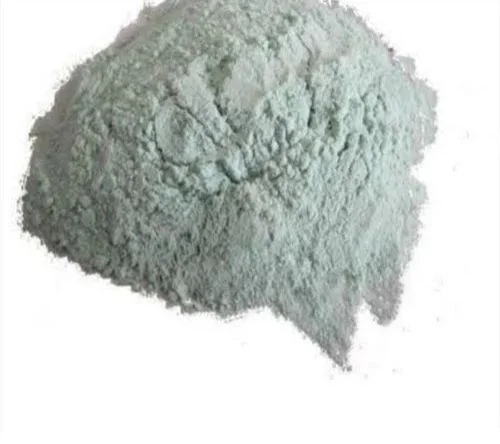
The catalogue shows wet blue cattle hides and wet salted horse hides, both of which are standard raw hide grades used by tannery processors. In the leather industry, wet blue hides typically have a chromium content of 2‑3 % and a moisture level below 12 %, while wet salted hides are preserved with sodium chloride at 5‑10 % salt concentration. Portland cement CEM I and CEM II are the two major cement types; CEM I is ordinary Portland cement with a minimum of 95 % clinker, and CEM II includes a blend of clinker with supplementary cementitious materials such as fly ash or slag. Chicken paws are a common ingredient in pet food and broth production, usually supplied in frozen form with a moisture content around 55 % and a protein level of 15‑20 %. Beef tallow is a rendered fat with typical acid value below 2 mg KOH/g and an iodine value under 30, used in soap and oleochemical manufacturing.
Trade and Export Information - Ledergo Corporation
Canada exports raw animal hides primarily to leather manufacturers in East Asia (China, Vietnam, Thailand) and to Europe where high‑grade hides are in demand for luxury leather goods. The typical HS chapter for raw hides is 41, and buyers often request ISO 9001 or ISO 14001 compliance for traceability and environmental management. Portland cement from Canada is shipped to North‑American construction markets and occasionally to Caribbean islands, with HS code 2523 covering cement clinkers and powders; standard export documentation includes a Certificate of Origin and compliance with ASTM C150 specifications. Chicken paws and beef tallow are directed to pet‑food processors and oleochemical plants in the United States and Mexico, falling under HS chapter 02 for meat products and HS chapter 15 for animal fats, where sanitary certificates and USDA/CFIA approvals are routine. Canadian exporters typically use FOB or CIF Incoterms, with container loads of 20 ft for hides and 40 ft for cement, and the goods are subject to phytosanitary or fumigation checks depending on the destination country.
Sourcing from Ledergo Corporation - Buyer Guidance
When sourcing wet blue or wet salted hides from Ledergo Corporation, buyers should request a recent laboratory analysis confirming chromium or salt content, thickness (usually 1.5‑2.5 mm), and a visual grade report. For Portland cement, a batch test report showing compliance with ASTM C150 (strength, setting time, and fineness) and a material safety data sheet are standard verification documents. Chicken paws buyers normally ask for a microbiological test sheet (pathogen‑free status) and a frozen‑packaging specification indicating cube size and temperature control. Beef tallow purchasers should obtain a free fatty acid (FFA) value, peroxide value, and a certificate of rendering process that meets food‑grade standards. In all cases, a Certificate of Origin, a commercial invoice, and any required phytosanitary or sanitary certificates should be reviewed before finalizing the order.
Frequently Asked Questions About Ledergo Corporation
What raw hide grades does Ledergo Corporation list in its catalogue?
The catalogue includes wet blue cattle hides and wet salted horse hides, which are standard raw hide grades used by tannery processors.
What specifications are typical for the Portland cement offered?
The cement is listed as CEM I and CEM II; CEM I contains at least 95 % clinker, while CEM II blends clinker with supplementary materials such as fly ash or slag, meeting ASTM C150 standards.
Which markets commonly import Canadian animal hides?
Canadian raw hides are most often exported to leather manufacturers in China, Vietnam, Thailand and to European countries that process luxury leather goods.
What documentation should a buyer request for chicken paws?
Buyers should ask for a microbiological test report, a frozen‑packaging specification (cube size and temperature), and a sanitary certificate from CFIA or USDA.
What quality parameters are used to assess beef tallow?
Typical parameters include free fatty acid (FFA) value below 2 mg KOH/g, peroxide value under 30 meq O₂/kg, and an iodine value below 30.
Are there any standard certifications buyers should verify for these products?
Buyers should verify ISO 9001 or ISO 14001 for traceability, a Certificate of Origin for customs, and any required sanitary or phytosanitary certificates depending on the product and destination.




 , Canada