Agriculture›
 Apparel and fashion accessories›
 Construction & real estate›💡Electronic & Electrical›🍎Food & Beverages›🛋️Home furnishing & supplies›⚗️Industrial goods & chemical›🪨Minerals & metals›📦Miscellaneous›Agriculture›Apparel and fashion accessories›Construction & real estate›💡Electronic & Electrical›🍎Food & Beverages›🛋️Home furnishing & supplies›⚗️Industrial goods & chemical›🪨Minerals & metals›📦Miscellaneous›
Lahoti Overseas Ltd. Product Catalog


About Lahoti Overseas Ltd. - Textile Yarn & Thread Supplier in India
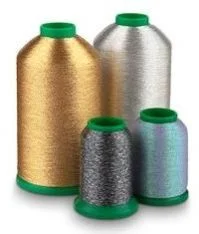
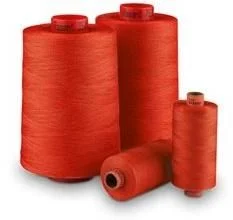
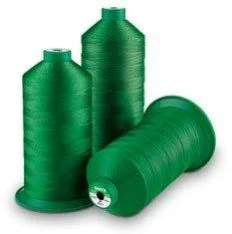
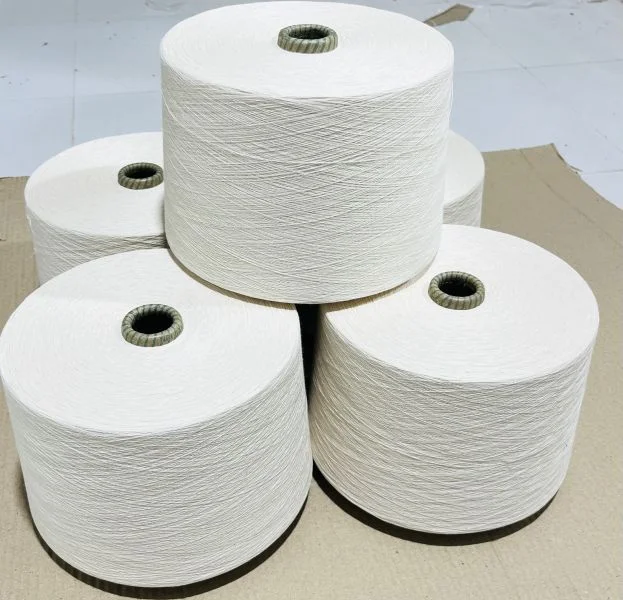
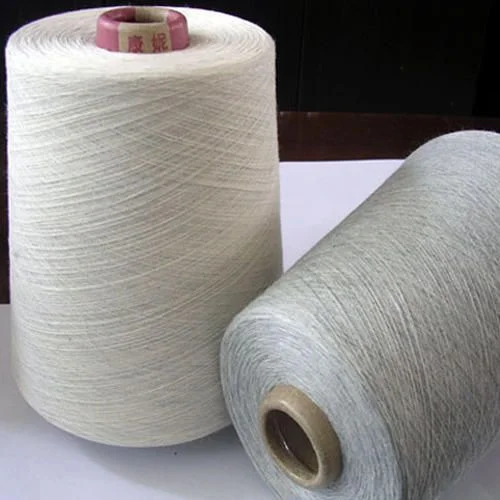
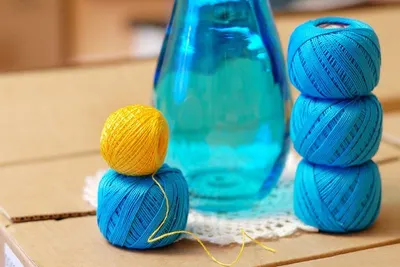
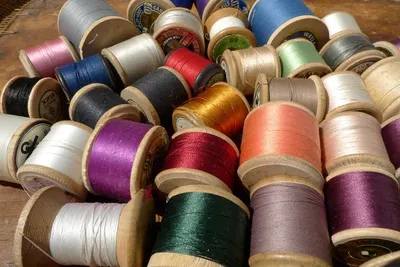
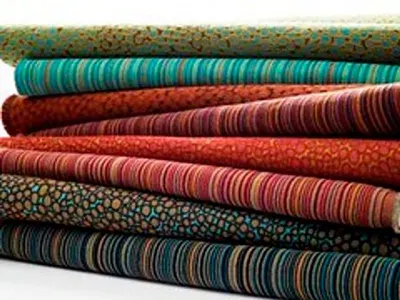
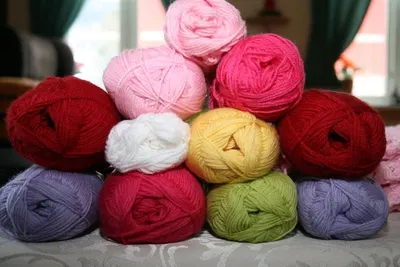
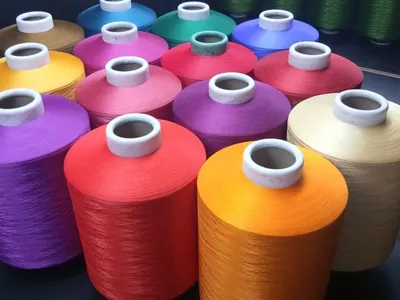
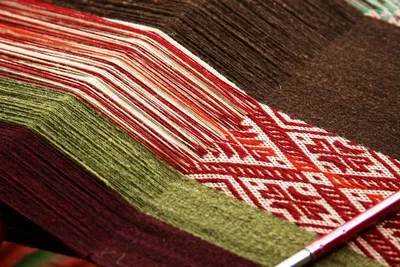
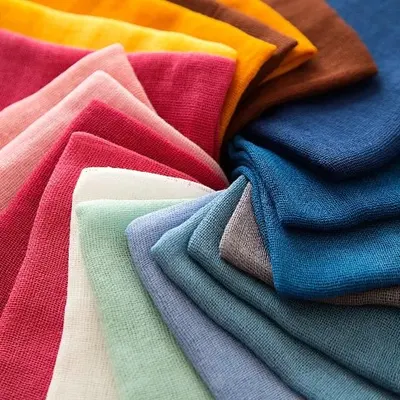
India‑based Lahoti Overseas Ltd. lists an active product count of 40 items across its catalogue. The company’s offerings fall under Textile Yarn & Thread, Cotton Yarn, Other Textile Yarns, Knitted & Woven Fabrics, Other Fabric and Raw Material, and Paper Products. The yarn portfolio includes various spun, carded, ring‑spun, compact, mercerized and organic cotton yarns as well as nylon and specialty flex yarns. Fabric entries cover cotton jersey knit, cotton‑spandex blends, poplin, duck, grey and polyester knit fabrics. The catalogue also references paper‑related products, although the primary focus is on textile yarns and fabrics.
The catalogue enumerates specific products such as Compact Spun Cotton Yarn, Cotton Carded Knitting Yarn, 100 % Mercerized Cotton Yarns, 100 % Organic Cotton Yarn, Cotton Jersey Knit Fabric, Polyester Knit Fabrics and a range of open‑end, ply and melange yarns. Several items indicate technical formats, for example “100 % Cotton NE 30/1 Combed” which denotes a Ne 30/1 count. The list contains 31 distinct product names, reflecting a breadth of yarn constructions (compact, ring‑spun, open‑end) and fabric constructions (knit, woven, duck). No HS codes are supplied, but the product families map to standard HS chapters for cotton yarns and fabrics.
Product Range and Specialties of Lahoti Overseas Ltd.
The yarn selection spans cotton carded, combed, compact and mercerized variants, each typically offered in counts ranging from Ne 30/1 up to Ne 60/1 (approximately 30‑60 tex). In the global market, cotton yarns are graded by micronaire (3.5‑5.0 for fine cotton), tensile strength (≥ 30 cN/tex) and twist per inch (TPI) specifications. Organic cotton yarns usually require GOTS certification and must meet the same physical standards while complying with pesticide‑free cultivation. Fabric entries such as cotton jersey knit and cotton‑spandex blends are commonly produced in weights between 150 g/m² and 250 g/m², with stretch yarns measured by % elongation at break (typically 10‑20 %). Polyester knit fabrics are usually identified by denier (e.g., 75 D) and a fabric weight of 180 g/m². Buyers often request Oeko‑Tex Standard 100 test reports for both yarns and fabrics to verify the absence of harmful substances.
Frequently Asked Questions About Lahoti Overseas Ltd.
What types of cotton yarn does Lahoti Overseas Ltd. list in its catalogue?
The catalogue includes compact spun cotton yarn, cotton carded knitting yarn, cotton carded raw yarn, ring‑spun yarn, mercerized cotton yarn, organic cotton yarn, open‑end yarn, ply yarn, melange yarn and specialty flex yarns.
Are any of the yarns certified for organic production?
The product list mentions a 100 % Organic Cotton Yarn. Buyers should request the GOTS or equivalent organic certification document to verify compliance.
Which HS codes are relevant for the yarn and fabric products?
Cotton yarns typically fall under HS 5205, while knitted fabrics such as cotton jersey or polyester knit are classified under HS 5407 and woven fabrics like duck fabric under HS 5607.
What quality tests are standard for cotton yarns?
Standard tests include micronaire measurement (3.5‑5.0), tensile strength (≥ 30 cN/tex), twist per inch, and Oeko‑Tex Standard 100 testing for harmful substances.
What are typical packaging formats for these products?
Yarns are usually packed in 25 kg polypropylene bags, and knit fabrics are shipped in sealed bales of up to 500 kg, allowing efficient container loading.
 India
Related Suppliers & Products
Explore similar suppliers, related products and trending categories