LA SFIDA for EXPORT — Verified Manufacturer & Wholesale Supplier
About LA SFIDA for EXPORT - Organic Supplier in Egypt
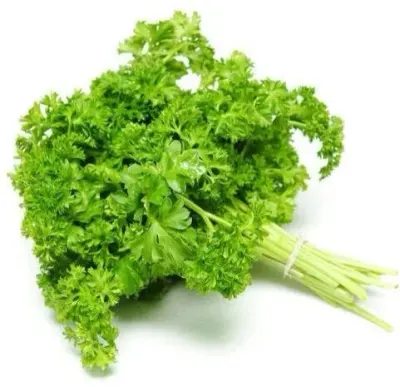
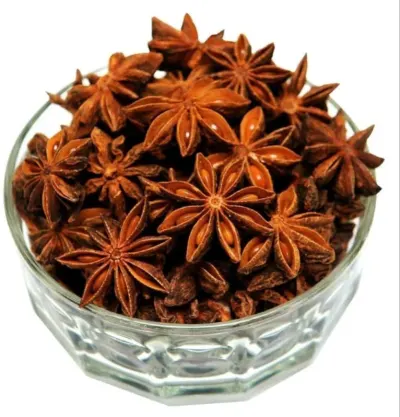
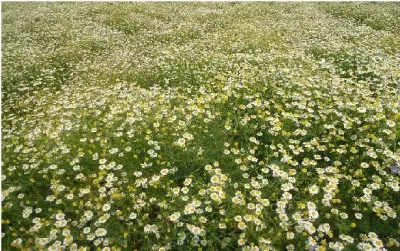
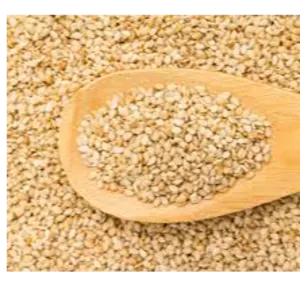
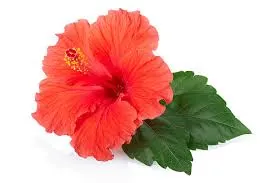
LA SFIDA for EXPORT is located in Cairo, Egypt and currently lists ten active products in its catalogue. The supplier is classified as an organic tier and offers items that fall under the herb, spice and seed families, each identified with a specific HS‑code as recorded in the catalogue. The product list includes hibiscus, sesame seed, paprika, dried black lemon, chamomile, fennel, sage leaves, dried dill, anise and dried parsley, with HS codes ranging from H i33 to 1211.90. The catalogue reflects a focus on dried herbs and spice seeds, which are commonly traded under HS chapter 09 for spices and chapter 07 for vegetables and herbs.
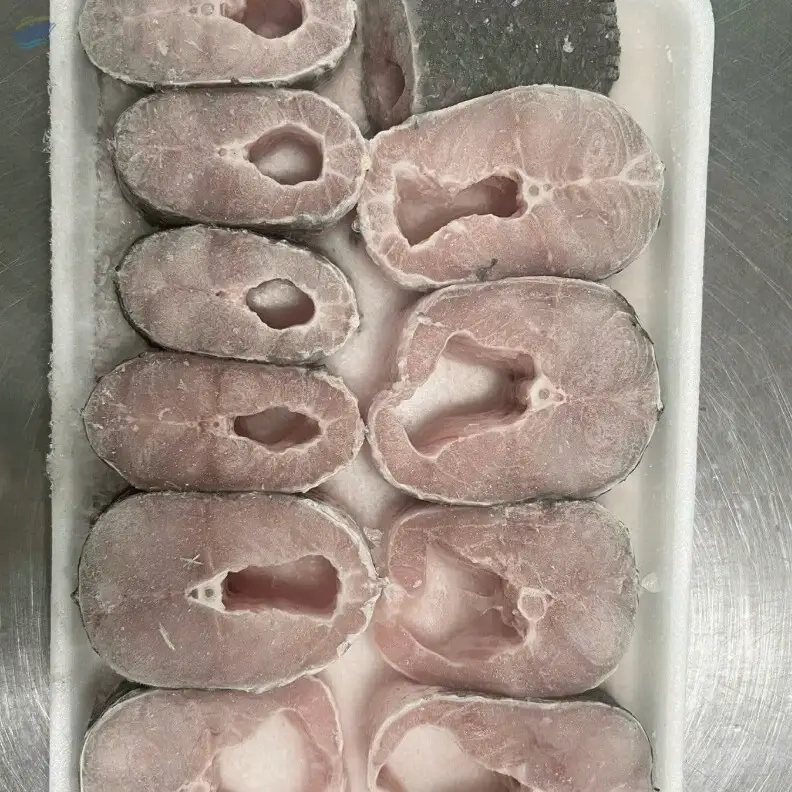
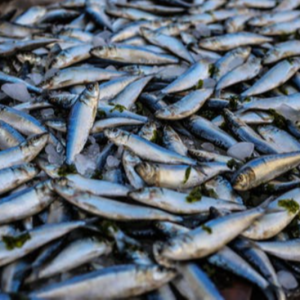
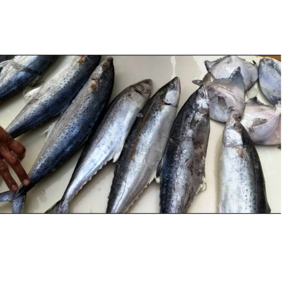
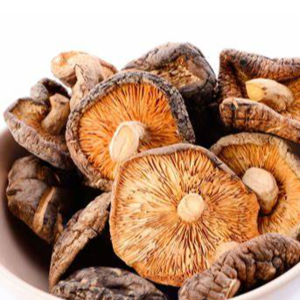
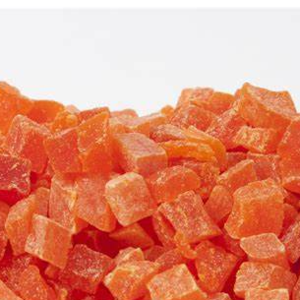
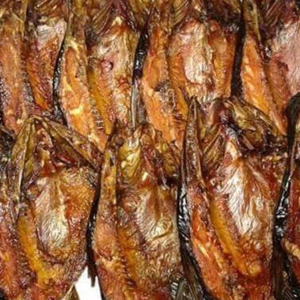
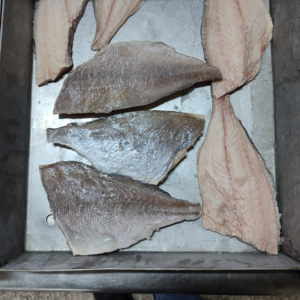
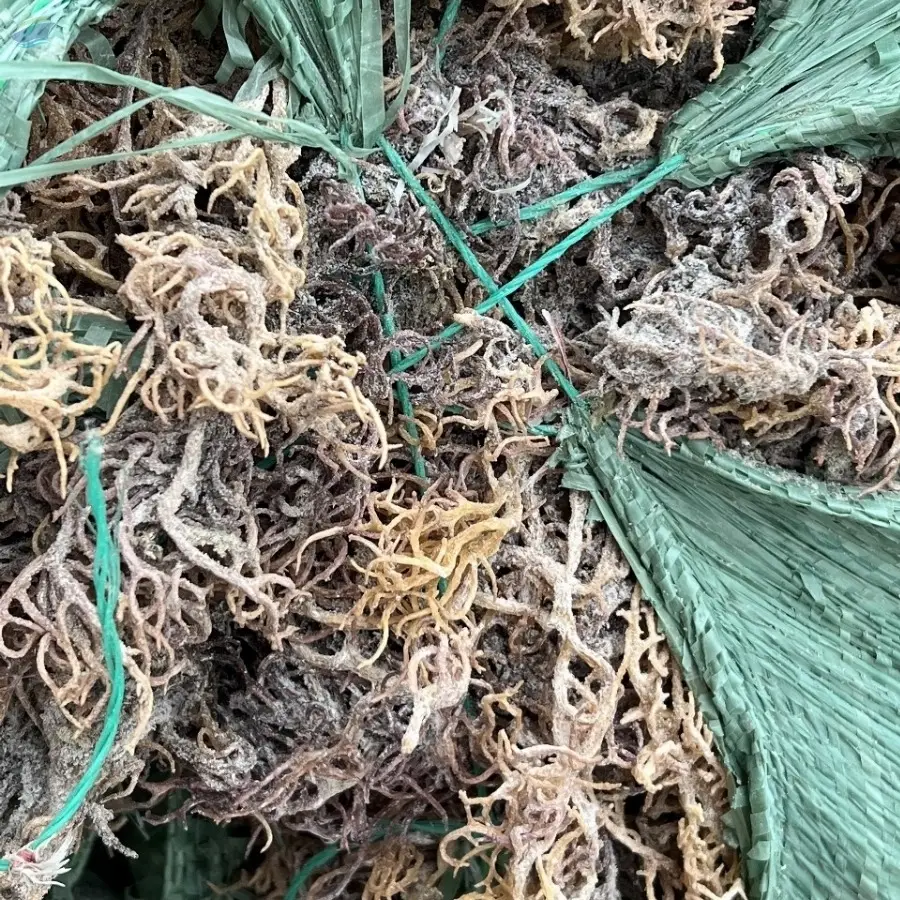
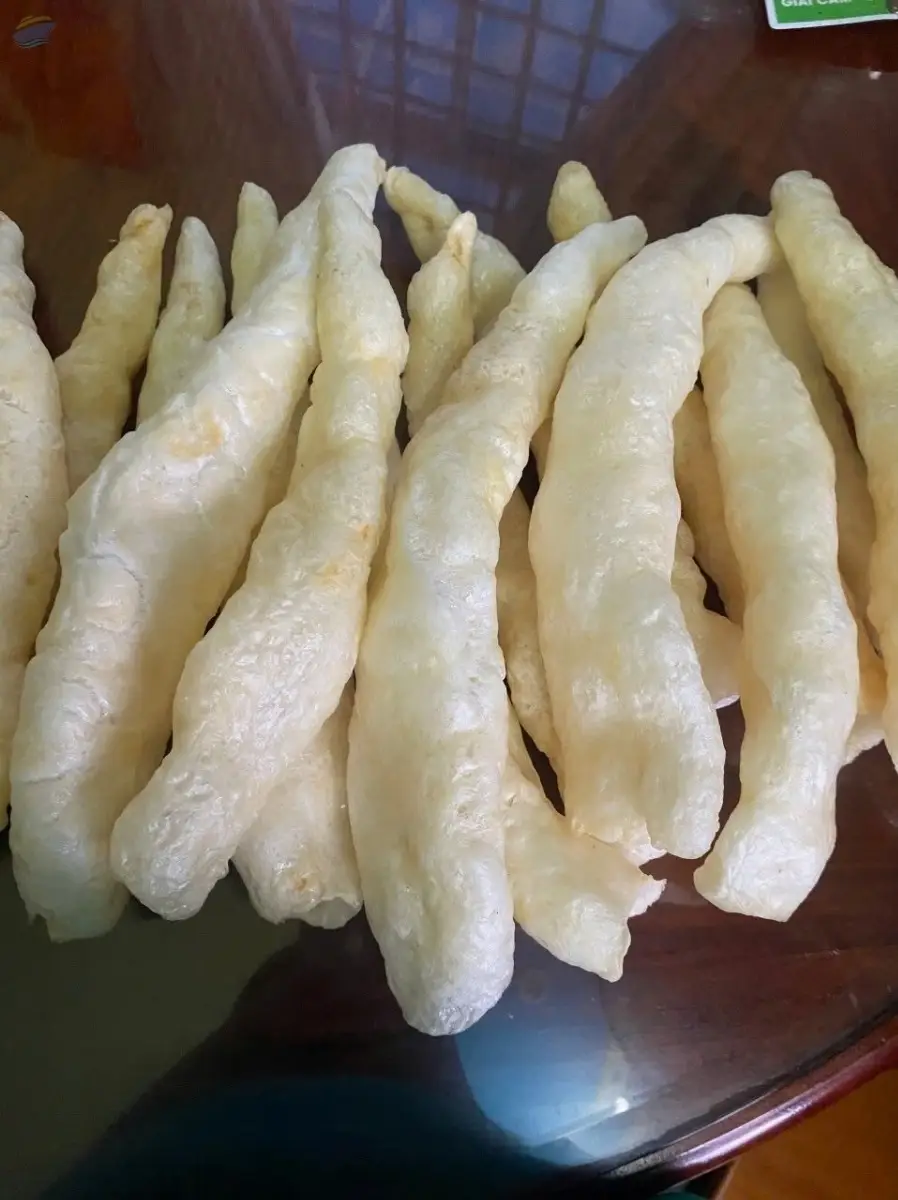
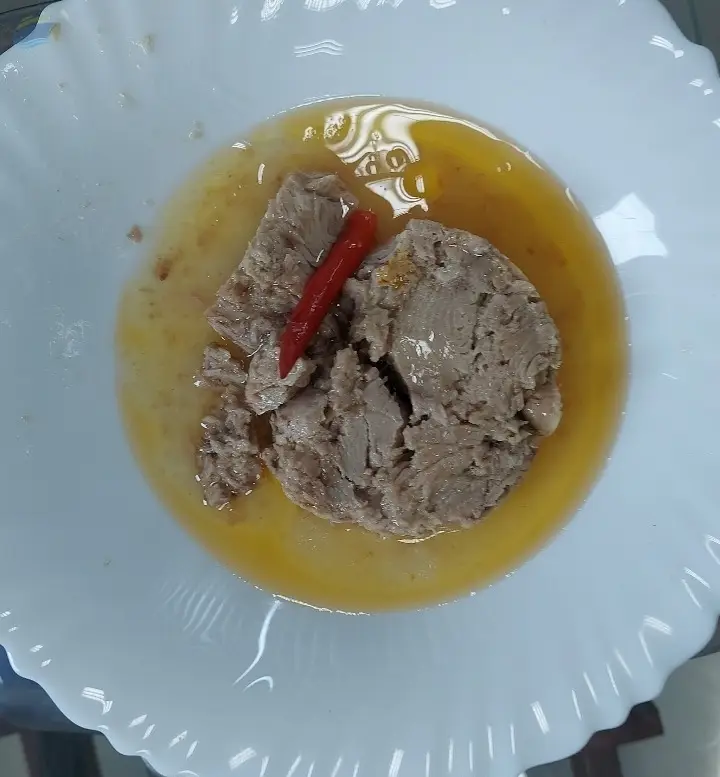
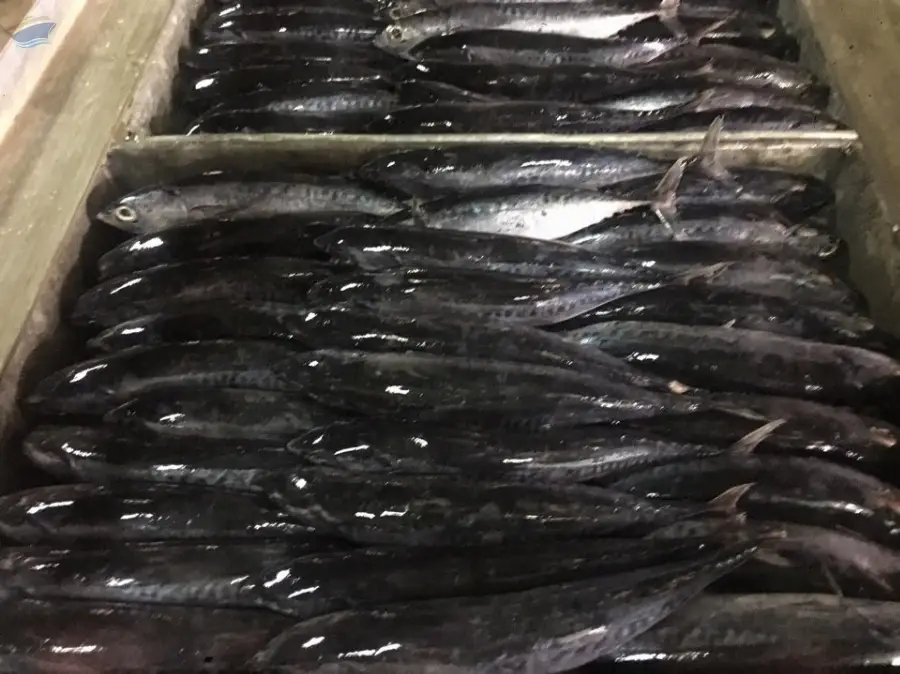
In addition to the detailed product entries, the supplier’s top‑level categories cover dried fish, dried vegetables, parsley, fresh mushroom, fresh flowers, fresh hibiscus, fruit seeds and spice seeds. While the current catalogue does not list fish or fresh produce, the presence of these categories indicates a broader sourcing capability. Each listed product is associated with a material descriptor such as HERBS or spices, aligning with standard international classification for dried botanical goods. The HS‑code family identifiers (e.g., 0909.61 for anise, 0712.30 for dried dill) provide a clear customs reference for importers.
Product Range and Specialties of LA SFIDA for EXPORT
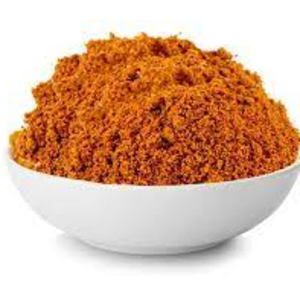
The catalogue presents ten dried botanical products, each falling within established herb and spice classifications. Paprika, for example, is typically graded by colour intensity (e.g., 3‑5 % capsaicin) and moisture content below 12 %, while sesame seeds are evaluated on oil content (45‑55 %) and aflatoxin limits not exceeding 5 µg kg⁻¹. Dried herbs such as chamomile, fennel, sage leaves and dried parsley are commonly inspected for residual moisture (≤10 %), foreign matter (≤2 %) and compliance with ISO 22000 or HACCP food safety standards. Typical packaging for these bulk herbs includes 25 kg polypropylene bags or 1 ton bulk containers, allowing 20 ft or 40 ft containers to hold 40‑80 tons depending on product density.
Trade and Export Information - LA SFIDA for EXPORT
Egypt is a long‑standing exporter of dried herbs, spices and seeds, with the EU, GCC states and the United States representing the largest import markets. HS chapter 09 (spices) and chapter 07 (vegetables, fruit, nuts) are the primary customs classifications used for the products listed, and importers often require a phytosanitary certificate, origin certificate and, where applicable, organic certification recognized by EU organic or USDA organic standards. Buyers typically request ISO 9001 or HACCP audit reports to verify food safety compliance, and many European importers also check for compliance with EU Regulation 2021/382 on pesticide residues. Shipping is commonly arranged on FOB Alexandria or CIF Mediterranean ports, with containerization in 20 ft or 40 ft units and moisture‑controlled storage to preserve herb quality during transit.
Sourcing from LA SFIDA for EXPORT - Buyer Guidance
When sourcing from LA SFIDA for EXPORT, buyers should obtain a recent laboratory analysis covering moisture, ash, essential oil content and pesticide residues for each herb or spice. Requesting an organic certification copy (e.g., EU organic logo or USDA NOP) is essential if the organic tier claim is to be validated. Verify the HS code on the commercial invoice matches the catalogue entry and ask for a phytosanitary certificate issued by the Egyptian Ministry of Agriculture. Typical minimum order quantities for bulk dried herbs range from 500 kg to 1 ton per product, with lead times of 30‑45 days after order confirmation, allowing time for quality testing and packaging.
Frequently Asked Questions About LA SFIDA for EXPORT
What product categories does LA SFIDA for EXPORT list in its catalogue?
The catalogue includes ten dried botanical items: hibiscus, sesame seed, paprika, dried black lemon, chamomile, fennel, sage leaves, dried dill, anise and dried parsley, each linked to a specific HS code.
Which HS codes are associated with the listed products?
HS codes in the catalogue are H i33 for hibiscus, se45 for sesame seed, PA24 for paprika, 0805.50 for dried black lemon, ch43 for chamomile, fe15 for fennel, sa34 for sage leaves, 0712.30 for dried dill, 0909.61 for anise and 1211.90 for dried parsley.
What certifications should a buyer request for these herbs and spices?
Buyers should request organic certification (EU organic or USDA NOP if applicable), a phytosanitary certificate, and food safety audit reports such as ISO 9001 or HACCP.
What are typical packaging formats for the dried herbs?
Bulk dried herbs are commonly packed in 25 kg polypropylene bags, stacked on pallets, or placed in 1 ton bulk containers suitable for loading into 20 ft or 40 ft shipping containers.
What is a common minimum order quantity and lead time?
Minimum order quantities usually start at 500 kg per product, with a lead time of approximately 30‑45 days from order confirmation to shipment.
How are shipments usually arranged from Egypt?
Export shipments are often organized on FOB Alexandria or CIF Mediterranean ports, using standard 20 ft or 40 ft containers with moisture‑controlled handling to protect herb quality.
What quality parameters are typically inspected for these products?
Key quality parameters include moisture content (≤12 % for herbs, ≤5 % for seeds), foreign matter limits (≤2 %), oil content for seeds, and compliance with pesticide residue limits set by importing jurisdictions.
How can a buyer obtain a sample before placing a full order?
Buyers can request a sample of up to 5 kg per product, with the supplier providing a pre‑shipment quality report and packaging details for the sample shipment.





 , Egypt