Khushi Minerals — Supplier
About Khushi Minerals - Gypsum Supplier in India
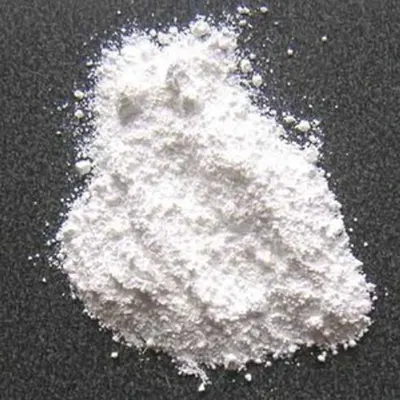
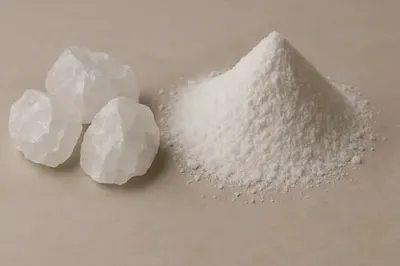
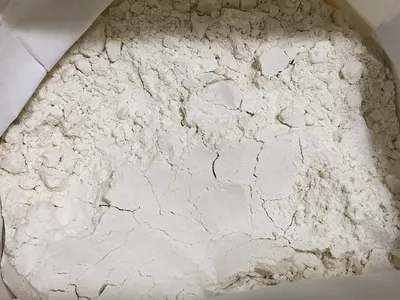
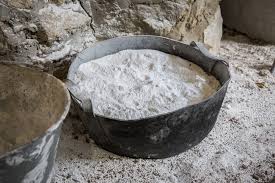
India, a leading producer of mineral powders in South Asia, is the base for Khushi Minerals. The supplier currently lists five distinct products across gypsum, calcium carbonate and related minerals, reflecting its focus on bulk mineral commodities. The catalogue includes Whiting Chalk Powder, Dustless Chalk Powder (HS 2520.20, calcium sulfate dihydrate), Calcite Powder (HS 2836.50, natural calcium carbonate), Gypsum Powder (HS 2520.10, calcium sulfate dihydrate) and Plaster of Paris (POP). Each entry aligns with the HS‑code families for processed gypsum and calcite, allowing buyers to match customs classifications directly.
The product set spans two primary mineral families: processed gypsum (whiting chalk, dustless chalk, gypsum powder and POP) and natural calcite. While the catalogue does not disclose certifications, the listed HS codes correspond to standard international tariff headings for calcium sulfate and calcium carbonate, facilitating straightforward import documentation.
Product Range and Specialties of Khushi Minerals
Khushi Minerals' catalogue offers five powdered mineral products. The gypsum‑related items - Whiting Chalk, Dustless Chalk (HS 2520.20) and Gypsum Powder (HS 2520.10) - are typically supplied with a particle size range of 10‑30 µm, moisture content below 0.5 % and purity levels of 99 % or higher, which are common specifications for construction and paint additives. The Plaster of Paris product follows the same gypsum chemistry but is formulated for rapid setting, usually achieving a compressive strength of 5‑7 MPa within 30 minutes. The Calcite Powder (HS 2836.50) is a natural calcium carbonate used in paper coating, plastics and agro‑chemicals, often graded at 95‑99 % CaCO₃ with a median particle size of 5‑25 µm. Buyers in these sectors normally request test reports covering loss on ignition, bulk density and heavy‑metal limits.
Industry practice for these minerals includes ISO 9001 quality management, SGS or Intertek test certificates, and compliance with REACH for European imports. Typical bulk packaging is 20‑ft or 40‑ft containers loaded with 1‑ton polypropylene bags or bulk bags (BB) of 1 000 kg, providing efficient handling for large‑scale projects.
Trade and Export Information - Khushi Minerals
India exports gypsum and calcium carbonate to regions such as the Middle East, North Africa, Southeast Asia and the European Union, where they are used in construction, cement, paper and paint manufacturing. Under HS chapter 25, gypsum (2520) and calcite (2836) are subject to standard customs duties, and many importers request a Certificate of Origin and a laboratory analysis report to satisfy quality and regulatory checks. Commonly required certifications for these minerals include ISO 9001, ISO 14001, and product‑specific safety data sheets (SDS) that address dust inhalation hazards and heavy‑metal limits. Packaging for international shipment typically follows ISPM 15 treatment for wooden pallets, and bulk shipments are often secured in 20‑ft containers with moisture‑resistant liners to preserve low humidity levels.
Indian exporters of processed gypsum usually operate through bonded warehouses in Gujarat or Tamil Nadu, leveraging established port facilities at Mundra and Chennai. Buyers should anticipate standard Incoterms such as FOB or CIF, and be prepared for pre‑shipment inspections by agencies like the Indian Directorate General of Foreign Trade (DGFT) when supplying to regulated markets.
Sourcing from Khushi Minerals - Buyer Guidance
When sourcing from Khushi Minerals, buyers should request a recent material safety data sheet (MSDS) and a third‑party test report confirming purity, moisture content and particle‑size distribution for each powder. For gypsum products, verify that the reported setting time and compressive strength meet the specifications of the intended application, and for calcite confirm loss on ignition and heavy‑metal limits in line with REACH or ASTM D 4236. Sample orders of 5‑10 kg are typical for laboratory evaluation before committing to bulk purchases.
Before placing a bulk order, confirm the packaging format (e.g., 1‑ton polypropylene bags or bulk bags), container loading plan and any required pre‑shipment inspection documents. Verify that the supplier can provide the HS code‑specific customs invoice and a Certificate of Origin, which are routinely required by customs authorities in the EU, GCC and ASEAN markets. Ensure that any requested certifications - ISO 9001, SGS test certificates or REACH compliance - are supplied as current copies rather than promotional statements.
Frequently Asked Questions About Khushi Minerals
What mineral powders does Khushi Minerals list in its catalogue?
The catalogue includes Whiting Chalk Powder, Dustless Chalk Powder (HS 2520.20, calcium sulfate dihydrate), Calcite Powder (HS 2836.50, natural calcium carbonate), Gypsum Powder (HS 2520.10) and Plaster of Paris (POP).
Which HS codes apply to the gypsum products?
Dustless Chalk Powder is classified under HS 2520.20 and Gypsum Powder under HS 2520.10, both falling within the calcium sulfate dihydrate chapter of the customs tariff.
What typical purity and moisture specifications should a buyer expect for the gypsum powders?
Gypsum powders from Indian suppliers are usually ≥99 % pure with moisture content below 0.5 % by weight, meeting the standards required for construction and paint additives.
What certifications are commonly required for importing calcite powder from India?
Importers typically request ISO 9001 quality management certification, a third‑party SGS or Intertek test report, and an REACH compliance statement for heavy‑metal limits.
What are the standard packaging options for bulk shipments?
Bulk shipments are commonly packed in 20‑ft or 40‑ft containers using 1‑ton polypropylene bags or 1 000 kg bulk bags, with moisture‑resistant liners to maintain product quality.
What documentation should a buyer obtain before finalizing an order?
Buyers should obtain an up‑to‑date MSDS, a laboratory test report covering purity, particle size and moisture, a Certificate of Origin and any relevant ISO or REACH certificates.
What are typical lead times and minimum order quantities for these powders?
Lead times for Indian mineral powders range from 15 to 30 days after order confirmation, with minimum order quantities usually set at one container load (≈20 tons) or as low as 5 tons for sample batches.
Which regions most frequently import gypsum and calcite from India?
Major import destinations include the Middle East (Gulf Cooperation Council), North Africa, Southeast Asian countries such as Vietnam and Thailand, and European Union members that require construction and paper industry inputs.




 , India