Kendi Craftive — Supplier
About Kendi Craftive - Multi‑Category Supplier in Indonesia
Indonesia, located in Southeast Asia, hosts Kendi Craftive with a catalogue of twelve active products across several categories such as fresh bananas, banana leaves, handloom textiles, bamboo and rattan items, and basic glassware. The supplier lists items that fall under the broader groups of fruit, natural fibers, disposable cutlery, and decorative home accessories, reflecting a diversified portfolio typical of Indonesian small‑to‑medium exporters.
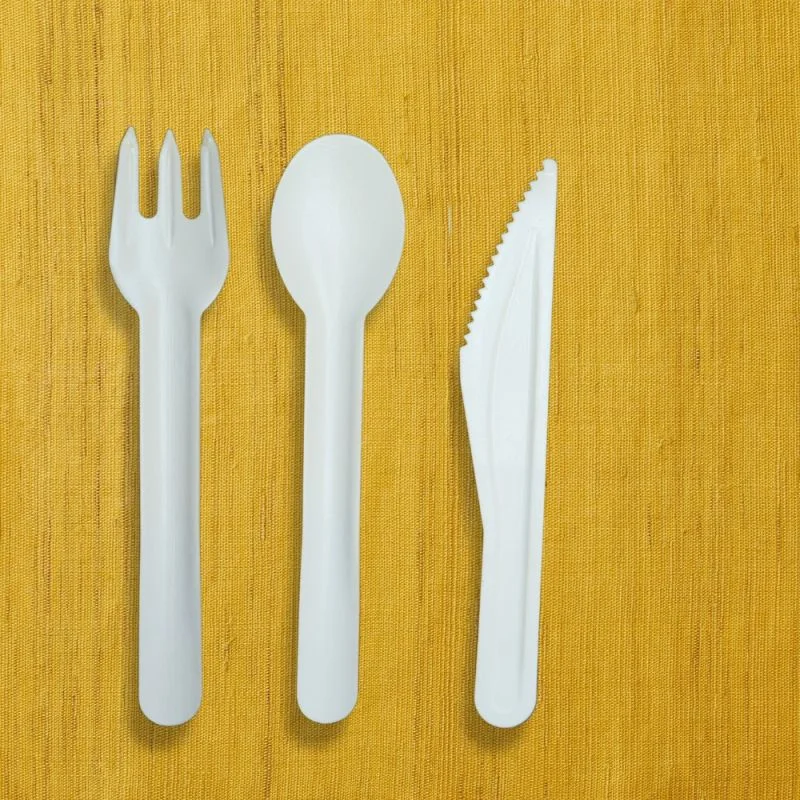
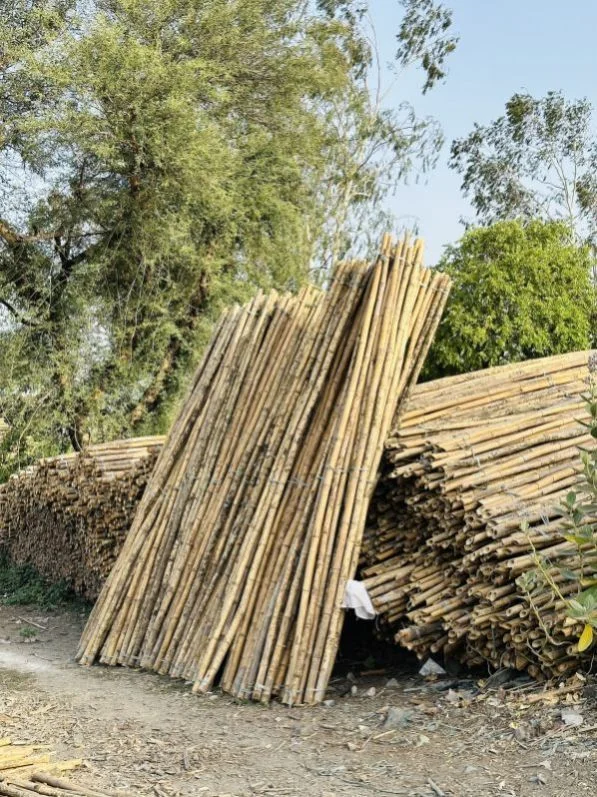
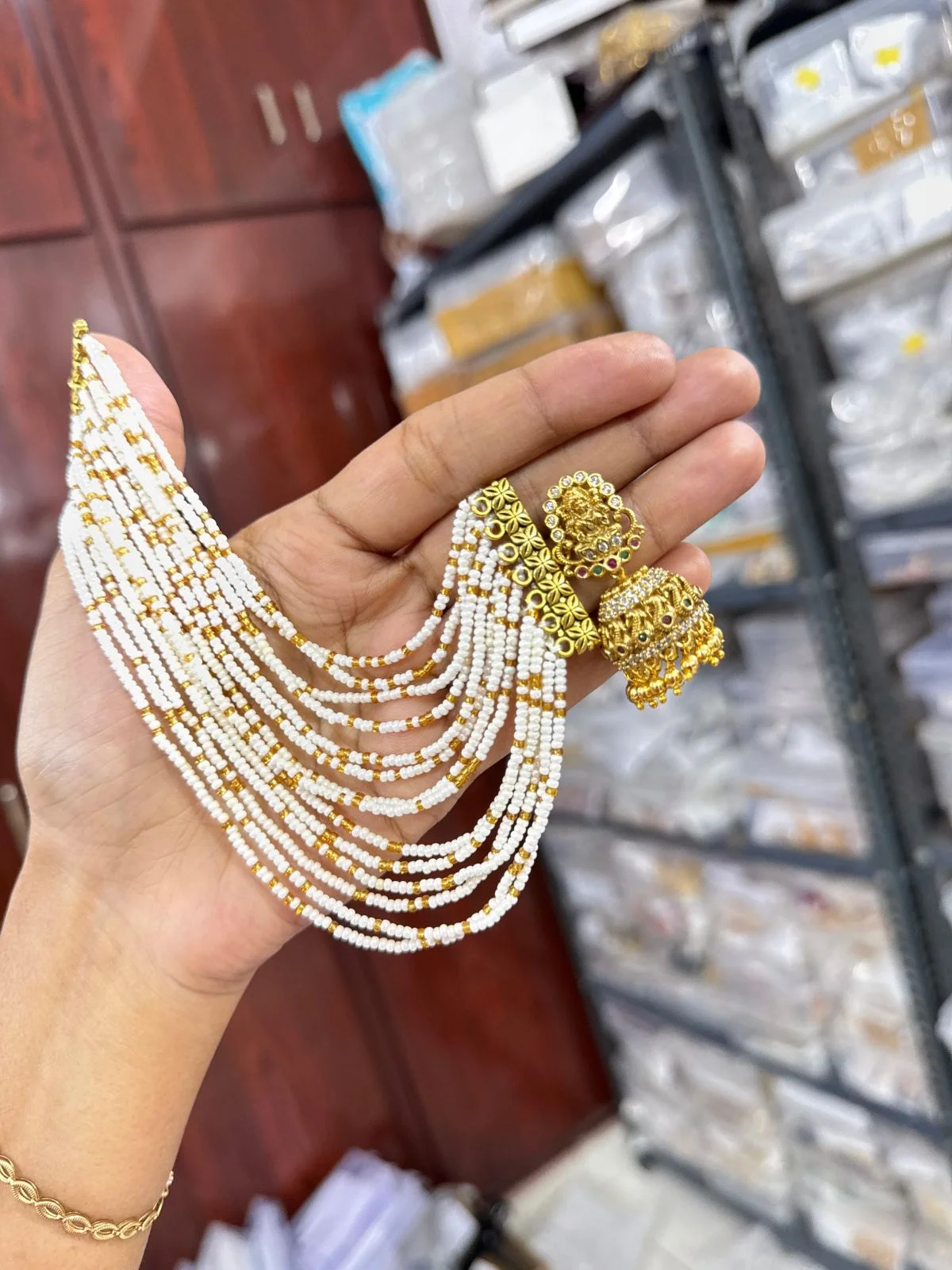
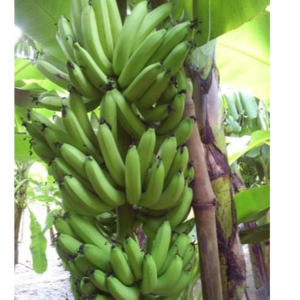
The catalogue includes Original And Natural Bamboo Straw, Premium Handloom Clothes, Rattan Zaisu (Japanese Floor Chair), Fresh Plantain Banana (HS 0803.10, Musa Acuminata × Balbisiana hybrid), Premium Fresh Banana Leaf (HS 1404.90, Grade A Musa species), Coconut Briquette, Premium Handloom Scarves, Wooden Shot Glass, First Class Premium Handloom Sarong (HS 6211.42, woven cotton), Artificial Jewelries, Ethnic Rattan Mat (Lampit) and Bamboo Utensils. Each entry is identified by its product name, and three items carry explicit HS codes that map to fruit, leaf material and textile classifications.
Product Range and Specialties of Kendi Craftive
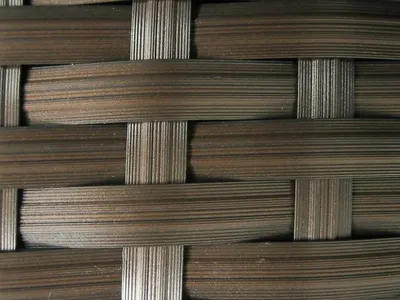
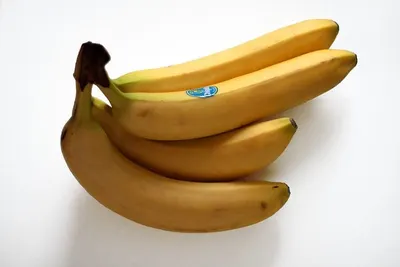
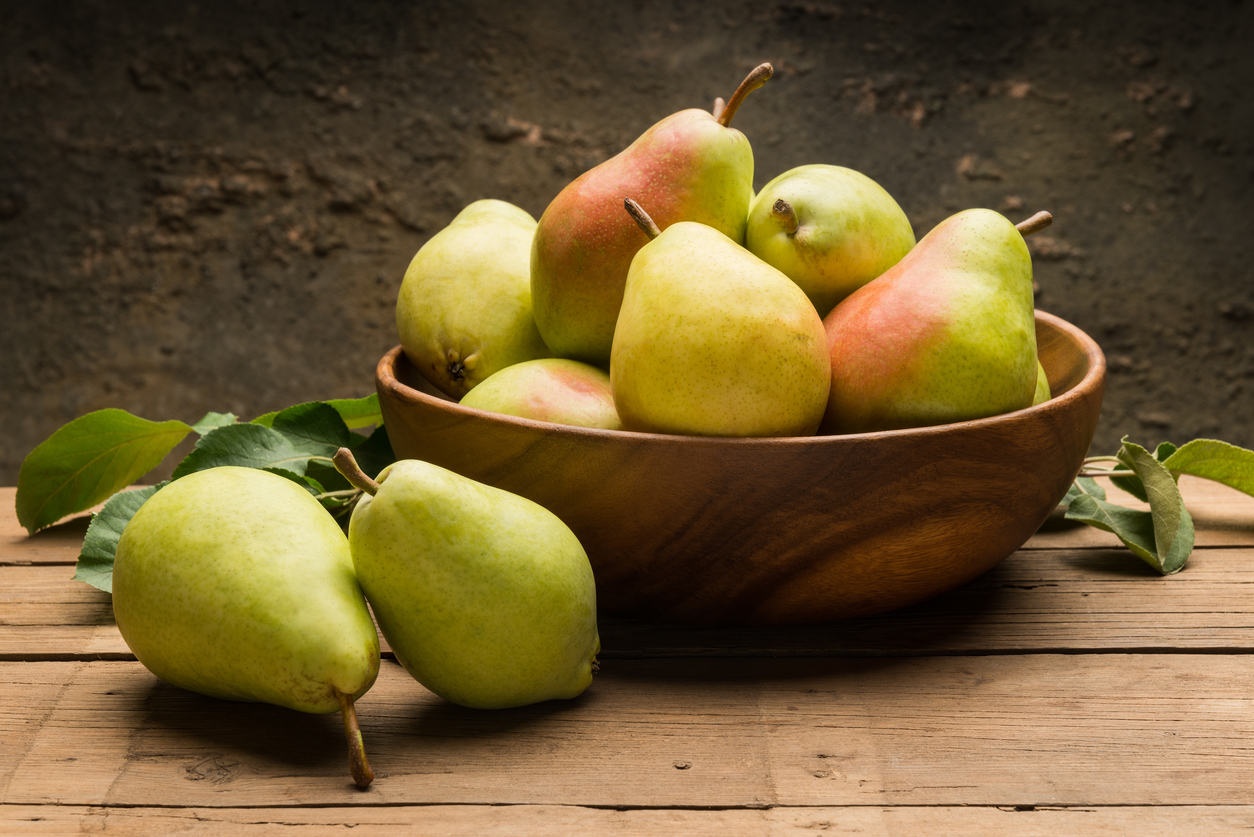
Kendi Craftive’s product set covers fresh plantain banana (HS 0803.10), which in trade is usually graded by size (30‑50 mm length), Brix level (≈ 15‑18 % soluble solids) and packed in 12‑kg cartons for sea freight. Banana leaves (HS 1404.90) are supplied as Grade A, typically 30 × 30 cm sheets with moisture content below 12 % and are used for food wrapping in Southeast Asian and Middle‑Eastern markets. Handloom textiles such as scarves, sarongs and other apparel fall under HS 6211.42; industry standards cite fabric weight between 150‑200 g m‑2, cotton thread count of 200‑300, and finishing processes that meet Oeko‑Tex 100. Bamboo straws and utensils are classed under HS 9608 (bamboo products) and are expected to meet food‑contact safety limits for BPA‑free material and a hardness of 15‑20 MPa. Rattan furniture and mats are covered by HS 4602, with typical density of 0.6‑0.8 g cm‑3 and a finish that complies with ISO 14001 for sustainable harvesting.
Trade and Export Information - Kendi Craftive
Indonesia is a major exporter of tropical fruit, natural fibers and handcrafted wood products. Fresh plantain bananas are shipped primarily to the EU, United States and Middle East under phytosanitary certificates and often require fumigation compliance with ISPM 15. Banana leaves and other fresh plant material also need phytosanitary clearance and are commonly packed in refrigerated containers to preserve moisture. Handloom cotton textiles are exported to fashion markets in Europe and North America, where buyers frequently request ISO 9001 quality management and Oeko‑Tex 100 certifications. Bamboo and rattan items fall under the broader HS 9608 and HS 4602 families; EU importers typically ask for FSC or PEFC chain‑of‑custody documentation, while US buyers look for ASTM F963 safety testing for food‑contact items. Standard Incoterms used by Indonesian exporters include FOB Jakarta or CIF Shanghai, with container loads ranging from 20‑ft (≈ 10 metric t) to 40‑ft (≈ 18 metric t) depending on product density.
Sourcing from Kendi Craftive - Buyer Guidance
When sourcing fresh plantain bananas from Kendi Craftive, request a recent phytosanitary certificate, a specification sheet showing average fruit length, weight per bunch and Brix level, and a sample of the packing material to verify container ventilation. For banana leaves, ask for moisture‑content test results, a supplier‑issued material safety data sheet and confirmation that the leaves meet the Grade A visual standards described in the catalogue. Handloom textiles should be accompanied by a fabric‑weight certificate, yarn composition analysis and, if required by your market, an Oeko‑Tex 100 test report. For bamboo straws, utensils and rattan furniture, obtain a food‑contact safety declaration, a batch‑wise hardness test report and, where applicable, FSC chain‑of‑custody proof. Verify that the HS codes listed (0803.10, 1404.90, 6211.42) match the commercial invoice and that packaging dimensions comply with your logistics provider’s container loading plan.
Frequently Asked Questions About Kendi Craftive
What fresh fruit does Kendi Craftive export?
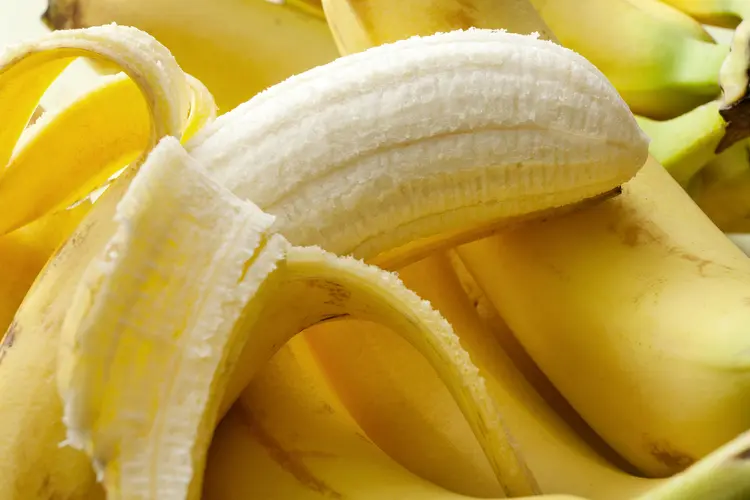
Kendi Craftive lists Fresh Plantain Banana, classified under HS 0803.10. The product is a Musa Acuminata × Balbisiana hybrid typically packed in 12‑kg cartons for sea freight.
Are banana leaves available for food‑service use?
Yes, the catalogue includes Premium Fresh Banana Leaf with HS 1404.90, described as Grade A fresh Musa species leaves. Buyers usually request moisture‑content data (below 12 %) and a phytosanitary certificate.
What handloom textile items are offered?
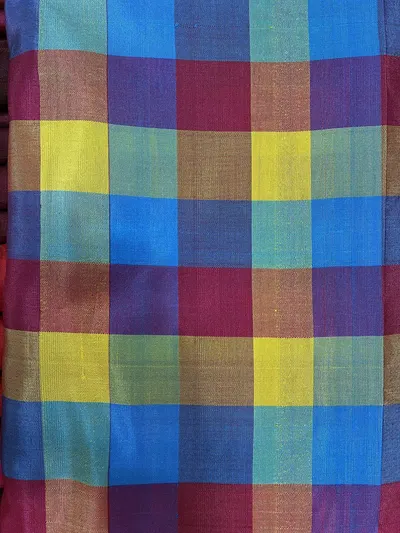
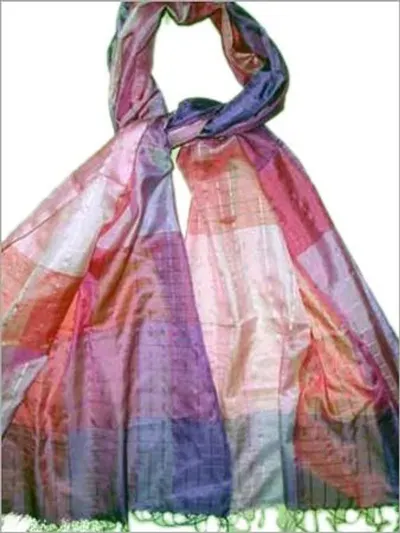
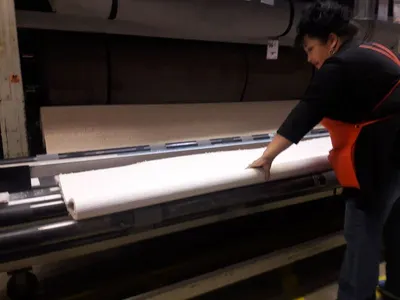
The supplier provides Premium Handloom Scarves, First Class Premium Handloom Sarong (HS 6211.42) and other handloom clothes. These are woven cotton products generally weighing 150‑200 g m‑2 and may be verified with an Oeko‑Tex 100 report.
Can I obtain samples of the bamboo straw and utensils?
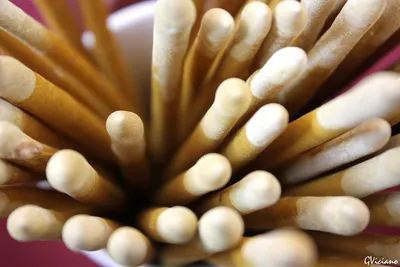
Samples of Original And Natural Bamboo Straw and Bamboo Utensils can be requested. Standard practice is to receive a small batch (e.g., 100 pieces) with a food‑contact safety declaration and a hardness test (15‑20 MPa).
What certifications should I ask for when importing rattan furniture?
Importers typically ask for FSC or PEFC chain‑of‑custody certification and compliance with ISO 14001 for sustainable sourcing. A material safety data sheet and a load‑capacity test report are also common requirements.
Which shipping terms are most used for these products?
Indonesian exporters of the listed categories often use FOB Jakarta or CIF Shanghai. Container loads vary: 20‑ft containers for lighter items such as scarves and bamboo cutlery, and 40‑ft containers for bulk fruit shipments.
How are the products packaged for export?
Fresh bananas are packed in ventilated cardboard boxes, banana leaves in moisture‑controlled crates, and textiles in sealed poly‑bags. Bamboo and rattan items are usually wrapped in protective corrugated paper and placed in wooden pallets to meet ISPM 15 regulations.
What documentation is required for customs clearance of the handloom sarong?
Customs typically require the commercial invoice showing HS 6211.42, a certificate of origin, and, for many markets, an Oeko‑Tex 100 test report confirming the textile’s compliance with safety standards.




 , Indonesia