Kego Company Limited — Supplier
About Kego Company Limited - Plywood Supplier in Viet Nam
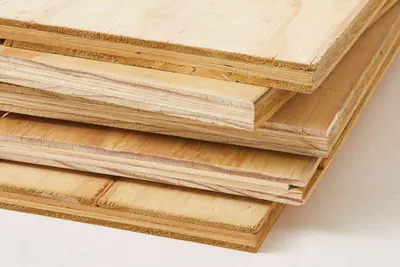
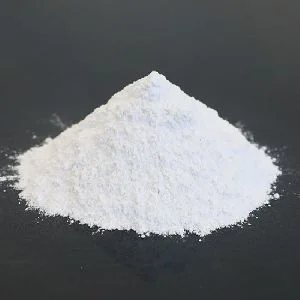
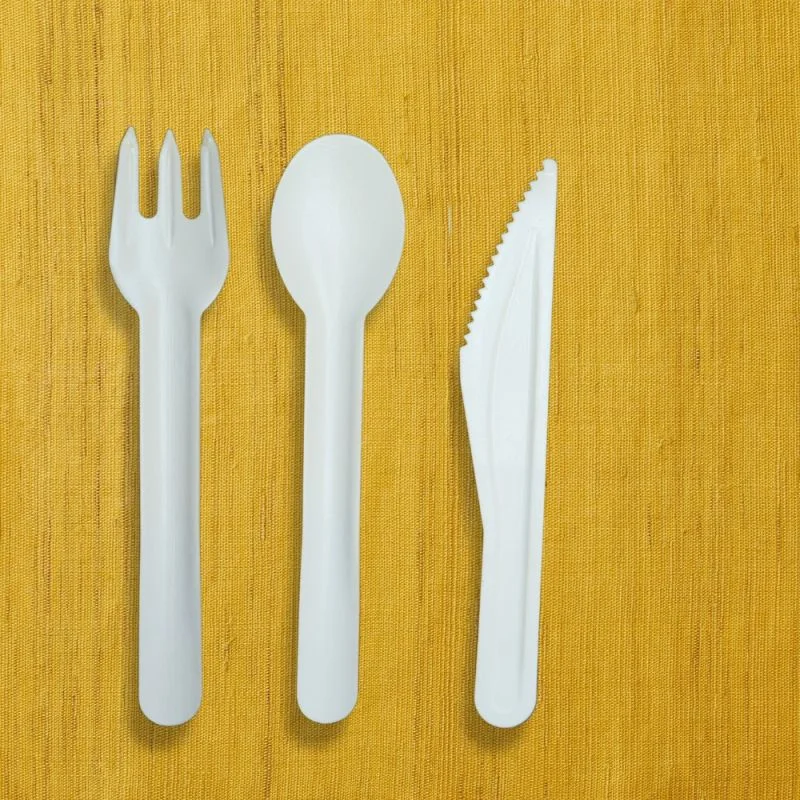
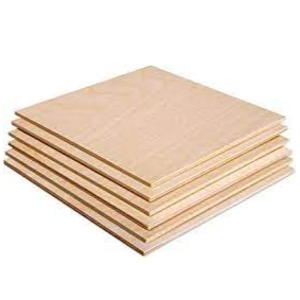
Vietnam, located in Southeast Asia, is the origin of Kego Company Limited, which lists 122 active products across its catalogue. The supplier’s portfolio spans plywood, veneer, LVL, disposable wooden cutlery, mineral powders, and fresh tropical fruits. Plywood items include commercial poplar face plywood, birch furniture plywood in thicknesses from 8 mm to 18 mm, and 18 mm shuttering plywood, all classified under the HS‑chapter 44 family for wood panels. The mineral powder segment contains several calcium carbonate products, three of which carry HS code 2836.50 for coated or high‑purity CaCO₃ and one listed under HS code 2509.00 for uncoated natural CaCO₃. Fresh fruit entries feature pitaya and dragon fruit, with the red‑flesh dragon fruit recorded under HS code 0810.90.
Product Range and Specialties of Kego Company Limited
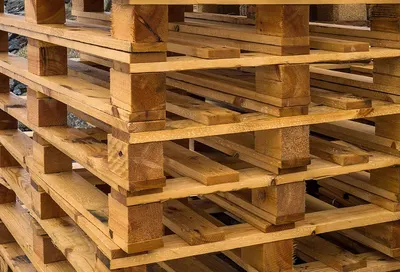
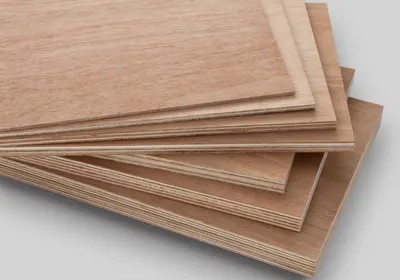
Within the plywood range, Vietnamese manufacturers commonly produce BWR (boiling water resistant) and MR (moisture resistant) grades that meet ISO 12453 specifications, with moisture content typically limited to 8 - 12 % and density between 500 - 650 kg/m³. The listed birch plywood for furniture (9 mm, 12 mm, 15 mm, 18 mm) aligns with standard European EN 636 dimensions and may be supplied with a formaldehyde emission class E0 or E1 as required by EU regulations. LVL boards such as the 1450 × 50 × 15 mm pallets are engineered to deliver tensile strengths of 30 - 45 MPa and are often used in pallet and construction applications. Calcium carbonate powders cited under HS 2836.50 are typically produced with particle sizes of 1 - 10 µm and purities of 98 - 99 % for plastics, while the uncoated variant (HS 2509.00) is used in paints and construction mortars. Fresh pitaya and dragon fruit are graded by size, skin colour, and flesh firmness, with typical export standards requiring a minimum fruit weight of 150 g and a Brix value above 10 %.
Trade and Export Information - Kego Company Limited
Vietnam is a major exporter of wood panel products, and shipments of plywood and LVL are usually dispatched in 20‑ft or 40‑ft containers, palletised on standard Euro‑pallets, with the HS‑chapter 44 code used for customs clearance. Importers in the United States, European Union, and East Asia commonly request FSC or PEFC chain‑of‑custody certificates, as well as compliance with the ISPM 15 phytosanitary treatment for any wood packaging. Calcium carbonate classified under HS 2836.50 and 2509.00 is shipped in bulk bags (25 kg) or intermediate bulk containers, and buyers in the plastics, paint, and construction sectors often stipulate a Material Safety Data Sheet (MSDS) and a Certificate of Analysis confirming purity and particle size. Fresh tropical fruits such as pitaya and dragon fruit fall under HS 0810.90; they are typically exported in refrigerated containers with temperature control between 4 °C and 8 °C, and customs authorities require a phytosanitary certificate and an origin declaration. Vietnamese exporters generally operate on CIF or FOB terms, with insurance and freight arranged by the buyer or seller according to the agreed Incoterm.
Sourcing from Kego Company Limited - Buyer Guidance
Potential buyers should request a recent test report for each calcium carbonate grade, confirming purity, loss on ignition, and particle size distribution, as these parameters affect performance in PVC or paint formulations. For plywood and LVL, buyers are advised to obtain a mill test report showing moisture content, formaldehyde emission class, and dimensional tolerances, and to verify whether the wood is sourced from FSC‑ or PEFC‑certified forests. Samples of disposable wooden cutlery should be inspected for dimensional accuracy, surface finish, and compliance with food‑contact regulations such as EU Regulation 1935/2004. Fruit imports require a phytosanitary certificate, a pesticide residue analysis, and a packing list indicating fruit size and Brix level to satisfy EU or US import requirements. Finally, buyers should confirm packaging details - e.g., 20‑ft containers with internal bracing for plywood, bulk bags for calcium carbonate, and refrigerated containers for fruit - and align payment and shipping terms with standard Incoterms.
Frequently Asked Questions About Kego Company Limited
What wood grades are available in the plywood range?
Kego lists commercial poplar face plywood, birch furniture plywood (8 mm - 18 mm) and 18 mm shuttering plywood, which correspond to standard BWR or MR grades covered by ISO 12453 and typically have moisture content of 8 - 12 %.
Which certifications should I ask for when ordering plywood or LVL?
Buyers normally request FSC or PEFC chain‑of‑custody certificates, a mill test report showing moisture and formaldehyde class, and compliance with ISPM 15 for any accompanying wood packaging.
What specifications are standard for the calcium carbonate powders?
The CaCO₃ products under HS 2836.50 are usually supplied with purity of 98 - 99 %, particle size 1 - 10 µm, and a Certificate of Analysis; the uncoated variant (HS 2509.00) follows similar purity but is presented as natural ground material.
How are the fresh pitaya and dragon fruit packaged for export?
Export shipments are placed in refrigerated containers (4 °C - 8 °C) on trays with protective padding, and each batch is accompanied by a phytosanitary certificate, origin certificate, and a packing list indicating fruit weight and Brix level.
What is the typical minimum order quantity (MOQ) for wooden cutlery?
Suppliers of eco‑friendly wooden cutlery often set an MOQ of 5,000 pieces per design, packed in cardboard boxes of 500 pieces each, though exact quantities should be confirmed with the seller.
Which documents are required for calcium carbonate imports?
Importers usually request a Material Safety Data Sheet, a Certificate of Analysis, and a declaration of compliance with REACH or equivalent regional chemical regulations.
What container sizes are used for shipping the wood panel products?
Plywood and LVL boards are commonly loaded in 20‑ft or 40‑ft dry containers, palletised on standard Euro‑pallets, with a typical payload of 18‑20 tons per 40‑ft container.




 , Viet Nam