Jyoti Chemical — Supplier
About Jyoti Chemical - Chemical Supplier in India
India‑based Jyoti Chemical lists 32 distinct chemical and mineral products in its online catalogue. The portfolio spans six top categories - Silica Sand, Caustic Soda, Alum, Soda Ash, Bentonite and Kaolin - and includes both bulk and refined forms such as powders, granules, crystals, lumps and liquids. Each entry is tied to a specific HS‑code family, for example silica‑based items fall under HS 2505.10, caustic soda under HS 2815.11/12, and ferric alum under HS 2833.xx. The catalogue also records material definitions, e.g., Ferric Ammonium Sulphate Dodecahydrate for ferric alum and sodium bentonite for bentonite products.
The product list further details specialty items like Soda Ash Dense Powder, Sodium Silicate Glass, Fly Ash Powder (HS 2621.90) and Sulphur Granules, alongside standard chemicals such as Caustic Soda Lay 48 % Liquid (HS 2815.12) and Sodium Silicate Liquid. Forms are diversified - dense vs. light soda ash granules, powder vs. crystal silica, lumps vs. powder bentonite - providing buyers with multiple specification options within a single supplier. No additional corporate history or financial data is provided beyond the active product count and country of origin.
Product Range and Specialties of Jyoti Chemical
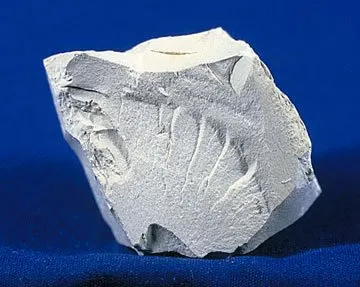
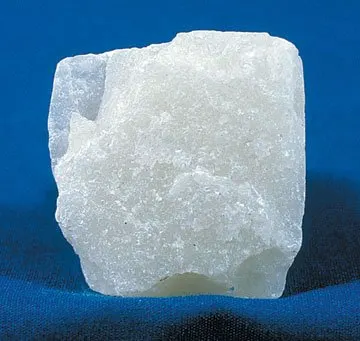
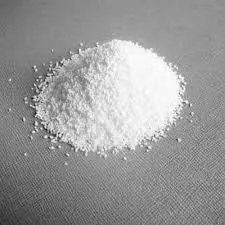
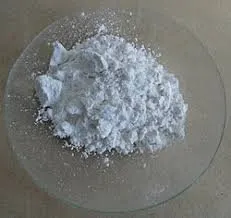
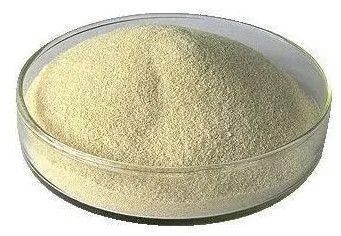
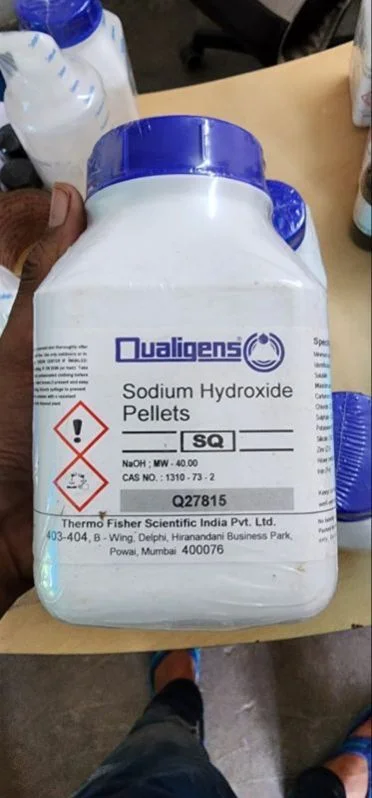
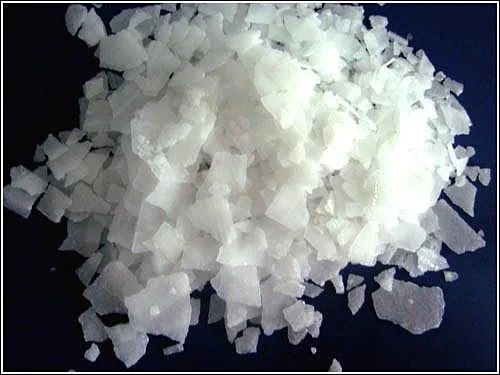
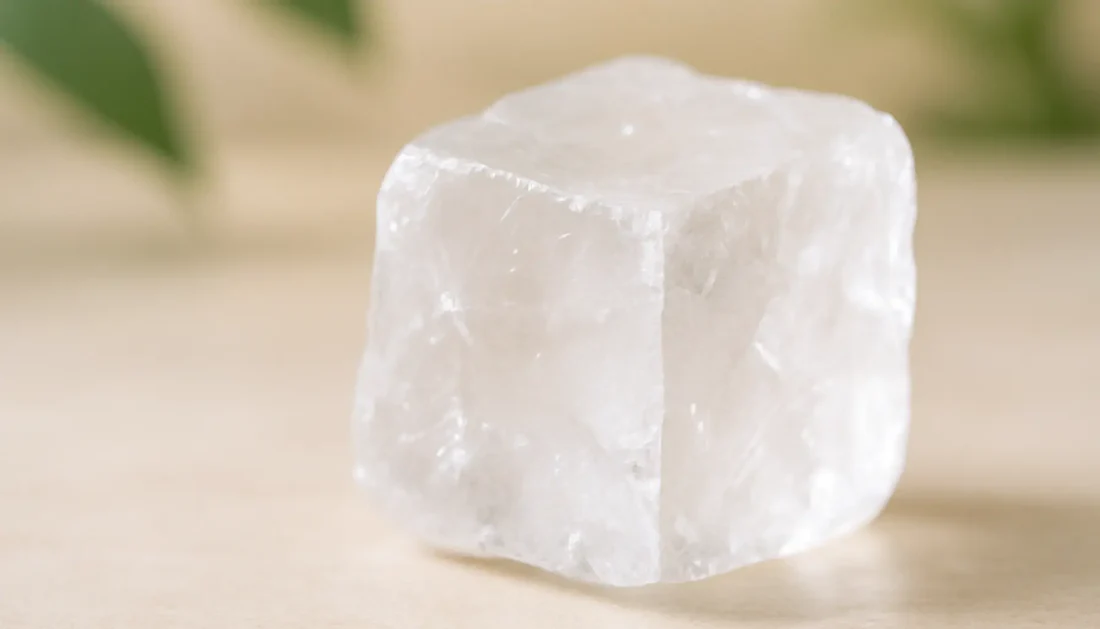
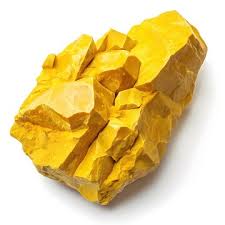
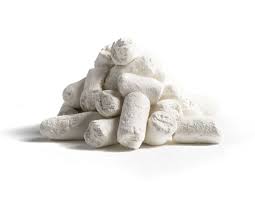
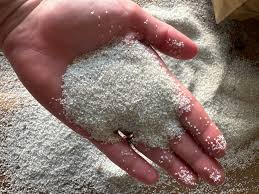
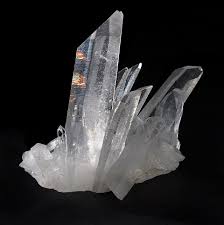
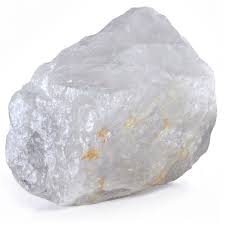
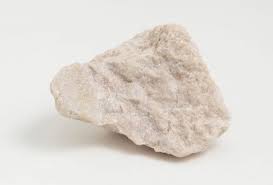
The catalogue enumerates concrete product types: Soda Ash Dense and Light Granules, Soda Ash Dense Powder, Ferric Alum Powder, Ferric Alum Lumps (HS 2833.30), Ferric Alum Slabs (HS 2833.29), Non‑Ferric Alum Lumps (HS 2833.22), Silica Quartz Powder, Crystal and Sand forms (HS 2505.10), Bentonite Powder and Lumps (HS 2508.10), Kaolin and China Clay (HS 2507.00), Caustic Soda in liquid (48 % solution, HS 2815.12), flake and powder forms (HS 2815.11), Sodium Silicate Glass and Liquid, Fly Ash Powder (HS 2621.90) and Sulphur Powder/Granules. Typical industry grades for these categories include soda ash with ≥99.5 % purity (technical grade), caustic soda solutions at 48 % NaOH, silica sand with >98 % SiO₂ and particle size distribution 0.1 - 2 mm, bentonite with moisture ≤12 % and cation‑exchange capacity 80 - 120 meq/100 g, and kaolin with brightness >80 % and median particle size 2 - 5 µm. Buyers often request material safety data sheets (MSDS), certificate of analysis (CoA) and compliance with REACH or ISO 9001 for these chemicals.
Trade and Export Information - Jyoti Chemical
India ranks among the world’s top exporters of soda ash, caustic soda, silica sand, bentonite and kaolin, with shipments typically destined for the United States, European Union, Middle East and Southeast Asian markets. The HS‑code families present in Jyoti Chemical’s list (2505, 2507, 2508, 2815, 2833, 2621) are routinely inspected under customs regimes that require a CoA, MSDS and, where applicable, an ISO‑9001 quality management certificate. Common export packaging includes 20‑ft or 40‑ft containers loaded with bulk bags (1 ton each) for powders, drums for liquids and sealed wooden crates for crystal or lump forms. Standard Incoterms used by Indian chemical exporters are FOB Mumbai or CIF destination ports, with freight forwarding agencies handling hazardous‑material declarations for sulphur and caustic soda solutions.
Sourcing from Jyoti Chemical - Buyer Guidance
When sourcing from Jyoti Chemical, buyers should request a current certificate of analysis that details purity, moisture content, particle size distribution (for silica and bentonite) and iron content (for ferric alum). For liquid chemicals such as caustic soda 48 % solution, a recent MSDS and a stability test report are advisable before confirming bulk orders. Typical minimum order quantities for bulk powders range from 10 metric tons to 20 metric tons, with lead times of 30 - 45 days after order confirmation, subject to customs clearance and container loading schedules.
Frequently Asked Questions About Jyoti Chemical
What forms of soda ash does Jyoti Chemical offer?
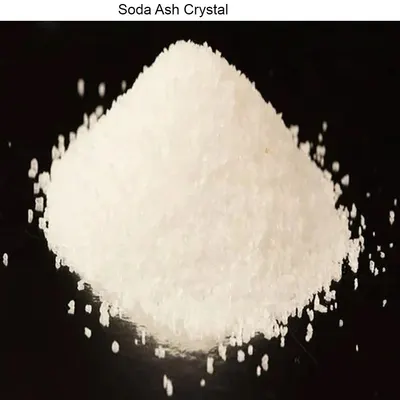
The supplier lists soda ash as dense powder, dense granules and light granules. Each form is intended for different industrial applications such as glass manufacturing (dense) or detergent production (light).
Which HS code applies to the silica sand powder?
Silica sand powder is classified under HS code 2505.10, which covers quartz and silica sand in powder or granular form. The same code is used for silica quartz crystal and silica sand crystal entries.
How can I obtain a sample of the bentonite product?
Buyers can request a small bulk‑bag sample (typically 25 kg) together with a certificate of analysis. The supplier usually ships samples under FOB terms, allowing the buyer to evaluate moisture level and cation‑exchange capacity before larger orders.
What certifications are commonly required for the alum products?
Importers generally ask for ISO 9001 or ISO 14001 compliance, REACH registration and a laboratory analysis report confirming ferric content and purity (≥98 %). The supplier’s catalogue does not state any held certifications, so buyers should request documentation.
What are the typical packaging options for calcium‑based chemicals?
Caustic soda liquid (48 % NaOH) is shipped in 200 L drums, while caustic soda flakes and powder are packed in 1‑ton bulk bags or 20‑ft containers. All packaging complies with UN recommendations for hazardous liquids.
Which regions most frequently import the kaolin products listed?
Kaolin and China clay from India are commonly exported to the United States, European Union, Southeast Asia and the Middle East for use in ceramics, paper coating and cosmetics. The HS code for these products is 2507.00.
What documentation should I verify before placing a bulk order for sulphur powder?
Buyers should request a material safety data sheet, a certificate of analysis showing sulphur purity (typically >99 %) and any relevant hazardous‑material handling certificates required by the destination country. Customs may also request a test report confirming the absence of heavy‑metal contaminants.
What are the standard Incoterms used for shipments from Jyoti Chemical?
The supplier commonly operates under FOB Mumbai for bulk shipments and CIF for door‑to‑door deliveries. These terms define the point at which responsibility transfers from seller to buyer and guide freight cost calculations.




 , India