Agriculture›
 Apparel and fashion accessories›
 Construction & real estate›💡Electronic & Electrical›🍎Food & Beverages›🛋️Home furnishing & supplies›⚗️Industrial goods & chemical›🪨Minerals & metals›📦Miscellaneous›Agriculture›Apparel and fashion accessories›Construction & real estate›💡Electronic & Electrical›🍎Food & Beverages›🛋️Home furnishing & supplies›⚗️Industrial goods & chemical›🪨Minerals & metals›📦Miscellaneous›
Joece Enterprises Product Catalog




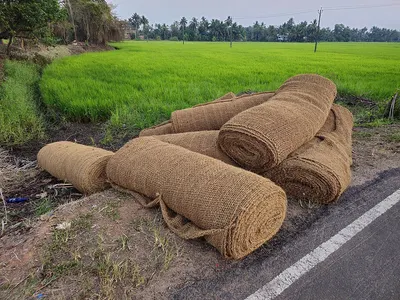
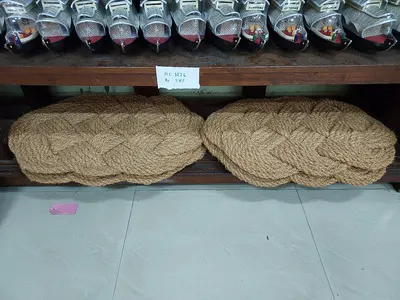
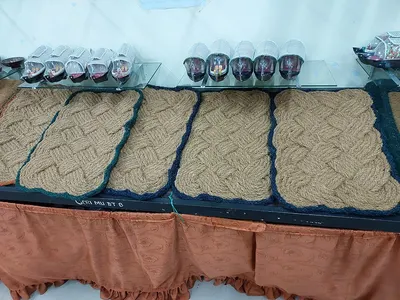
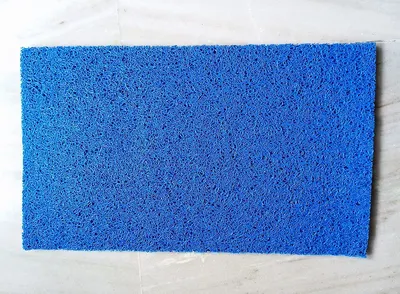
About Joece Enterprises - Coir Mats Supplier in India
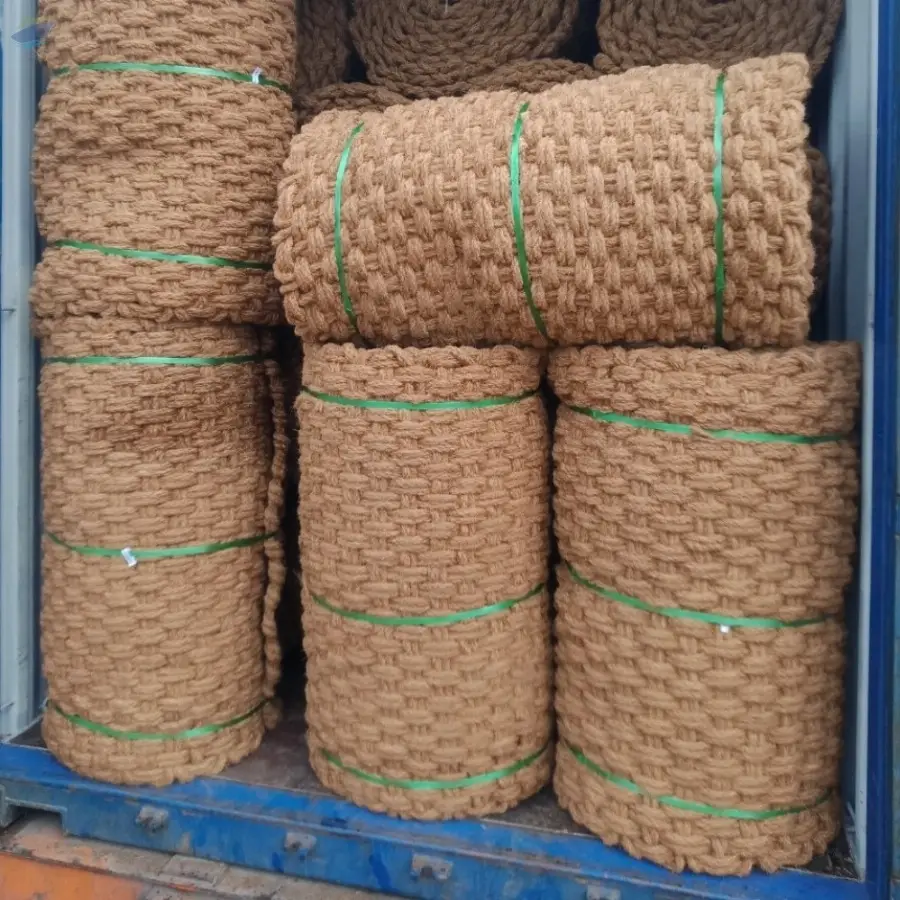
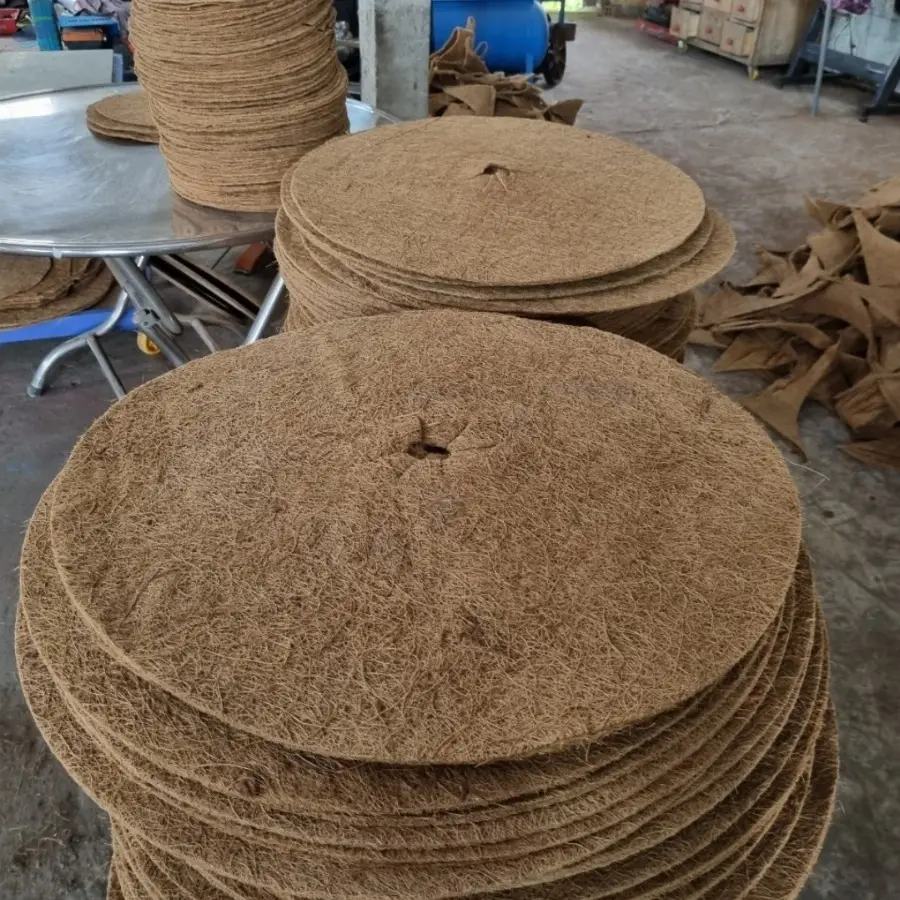
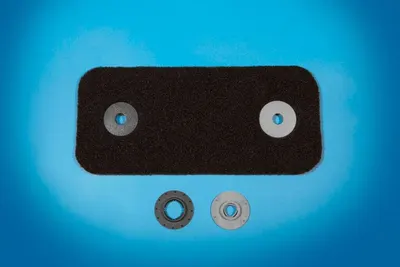
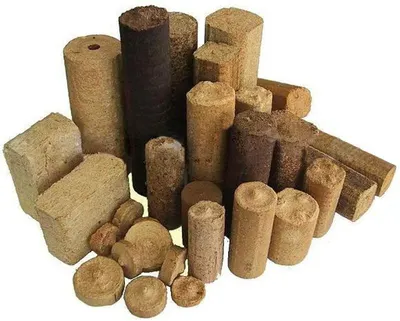
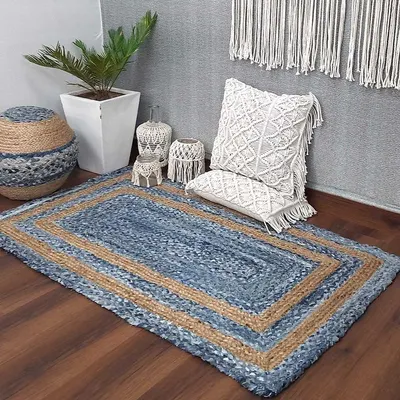
India hosts Joece Enterprises, an imported supplier that currently lists 13 active products across its catalogue. The product list includes items such as Coir geotextile, Coir and PVC Mats, Rubber Mats, Coir, PVC and Rubber Mats, Coir and Wire Mats, Hollander Mat, various Door Mats (plain, printed and designer), Coir Logs and Coco Logs, and Jute Mats. Each entry is recorded under broad category families like Coir Mats, Rubber Mats, Plastic Mats, Other Coir Products, Door Mats, Coco Peat & Coir Pith, and Jute Mats. The supplier’s catalogue reflects a focus on natural fibre and synthetic‑blend floor coverings and geotextile applications.
The listed products fall under HS chapters commonly used for floor coverings and natural fibre goods, notably chapter 57 for woven floor coverings and chapter 56 for coir, jute and other vegetable fibres. Export shipments are typically prepared for bulk handling, either as rolled mats or stacked pallets, and are routed to international buyers through standard freight containers. While the catalogue does not specify client locations, the product mix aligns with global demand for eco‑friendly and durable matting solutions.
Product Range and Specialties of Joece Enterprises
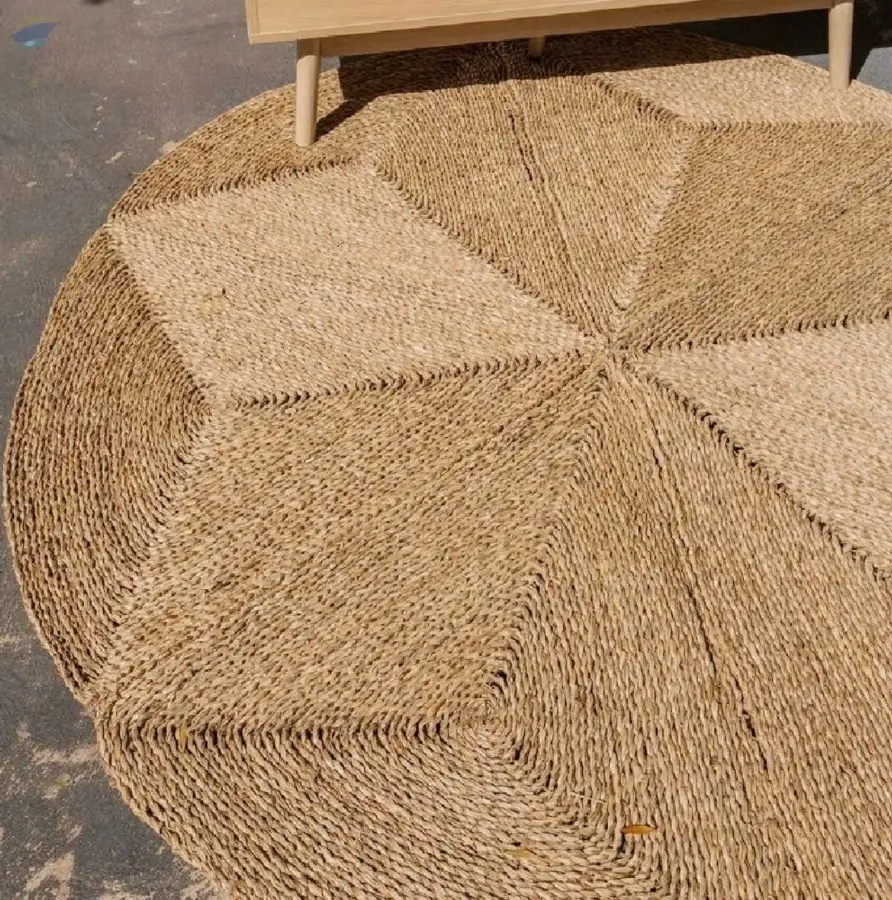
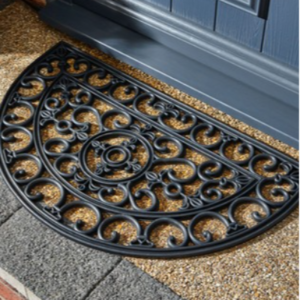
Joece Enterprises’ catalogue presents a variety of mat types built from coir, rubber, PVC, wire and jute fibres. Coir mats are usually produced from coconut husk fibres with lengths of 8‑12 mm, thicknesses ranging from 4 mm to 12 mm and densities of 120‑180 g/m², meeting ASTM D7038 specifications for fibre quality. Rubber mats are commonly formulated with Shore A hardness values between 40 and 70, thicknesses of 3‑10 mm, and may incorporate recycled rubber content to meet ISO 9001 quality standards. PVC‑based mats typically use flexible PVC compounds, with thicknesses of 2‑6 mm and a fire‑retardant rating that complies with EN 13501‑1. Jute mats are woven from long‑stem jute fibres, often specified at 10‑14 mm fibre length, 150‑200 g/m² weight, and a moisture content below 12 %. Door mats in the list include plain, printed and designer variants, which are frequently finished with anti‑slip backing and edge stitching to improve durability.
Frequently Asked Questions About Joece Enterprises
What types of mats does Joece Enterprises offer?
The catalogue lists 13 items including Coir geotextile, Coir and PVC mats, Rubber mats, Coir‑and‑wire mats, Hollander mat, several door‑mat styles (plain, printed, designer), Coir logs, Coco logs and Jute mats.
What is the typical lead time for an order from Joece Enterprises?
Lead times vary by product but bulk orders of coir or jute mats are commonly produced within 30‑45 days after receipt of a confirmed purchase order and required test documentation.
Which markets does Joece Enterprises primarily export to?
While specific destinations are not listed, Indian exporters of coir and jute mats typically serve buyers in the European Union, United States, Middle East and African regions.
Which HS code sections are relevant for these products?
Mats and floor coverings are generally classified under HS chapter 57 (e.g., 5703 for woven floor coverings) while coir and jute products fall under chapter 56 (e.g., 5602 for coir, 5603 for jute).
What specifications should buyers verify for coir mats?
Typical coir‑mat specifications include fibre length of 8‑12 mm, thickness of 4‑12 mm, density of 120‑180 g/m², moisture content below 12 % and compliance with ASTM D7038 for fibre quality.
 India
Related Suppliers & Products
Explore similar suppliers, related products and trending categories