Dolphin Rubber Industries — Verified Supplier
About Dolphin Rubber Industries - Rubber Mats Supplier in India
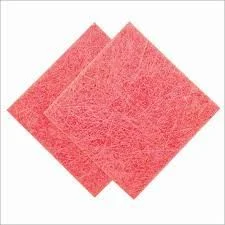
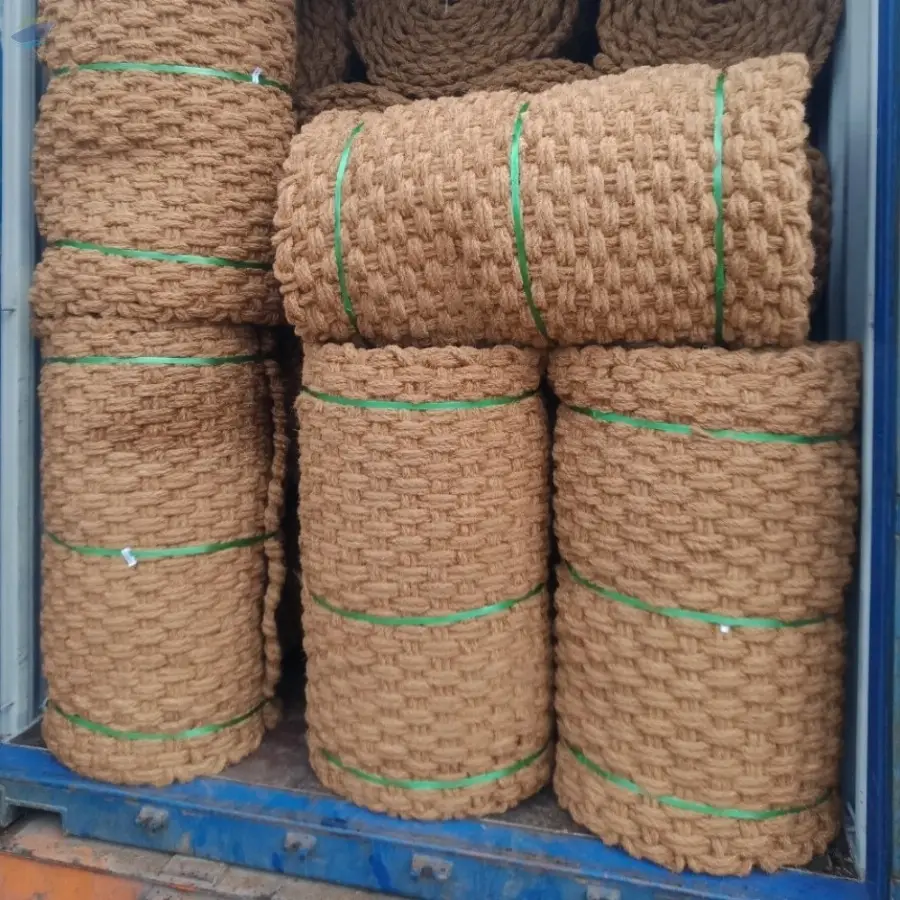
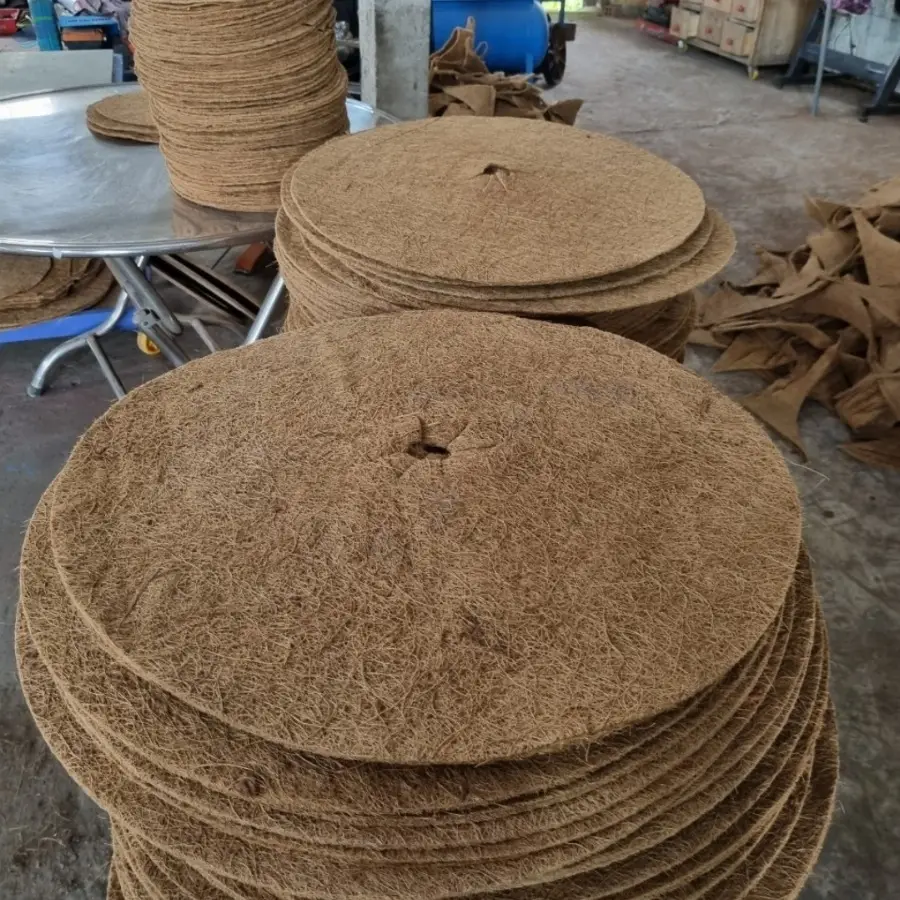
Dolphin Rubber Industries, located in India, offers a diverse range of 56 products, primarily focusing on rubber mats and related categories. Their product catalogue includes various types of mats, such as Rubber Link Mats, Honey Comb Mat, Coir Mats, and more. These products are likely to be of interest to buyers from regions that typically import rubber and plastic products, such as the Middle East, Africa, and Southeast Asia. The HS code families involved in the trade of these goods are 3924 for tableware, kitchenware, and other household articles, and 3910 for other plates, sheets, and strip, of plastics.
The company's active product count and diverse range suggest that they cater to different industries, including hospitality, healthcare, and education. Their products, such as Gym Mats, Solid Top Gym Mat, and Tile Mats, are designed for specific applications, indicating a focus on quality and functionality. The Indian origin of these products also implies that they are subject to the country's export regulations and standards, such as those set by the Indian Standards Institution.
Product Range and Specialties of Dolphin Rubber Industries
Dolphin Rubber Industries' product range encompasses various types of rubber mats, including Coir Mats, Place Mats, Door Mats, and Rubber Grill Mats. These products are made from materials such as rubber, polypropylene, and other plastics, which are commonly used in the industry. The typical grades and standard specifications for these products include thickness, density, and tensile strength, which are critical factors in determining their quality and performance. For instance, the thickness of a rubber mat can range from 1 mm to 10 mm, and the density can vary from 0.5 g/cm3 to 1.5 g/cm3.
The company's catalogue also includes products with specific features, such as Hollow Mat, Rubber Octagonal Mats, and Interlock Restaurant Mats, which cater to different applications and industries. The materials used in these products, such as polypropylene and rubber, are subject to industry standards and regulations, such as those set by the International Organization for Standardization (ISO) and the American Society for Testing and Materials (ASTM).
Trade and Export Information - Dolphin Rubber Industries
Exporters of rubber mats and related products from India, like Dolphin Rubber Industries, typically cater to buyers from regions that have a high demand for these goods, such as the Middle East, Africa, and Southeast Asia. The trade of these products involves compliance with regulations, such as those related to packaging, labeling, and shipping, which are governed by international agreements and national laws. The HS code families involved in the trade of these goods, such as 3924 and 3910, are critical in determining the applicable tariffs, taxes, and regulations.
The logistics of exporting these products from India involve considerations such as transportation, warehousing, and customs clearance, which are typically handled by freight forwarders, shipping lines, and customs brokers. The Incoterms, such as FOB (Free on Board) and CIF (Cost, Insurance, and Freight), are commonly used in the trade of these goods, and they define the responsibilities of the buyer and seller in terms of delivery, insurance, and payment.
Sourcing from Dolphin Rubber Industries - Buyer Guidance
Buyers sourcing from Dolphin Rubber Industries should request specifications, samples, and test reports to verify the quality and performance of the products. The typical quality parameters for rubber mats include thickness, density, tensile strength, and resistance to abrasion, which are critical factors in determining their suitability for specific applications. The buyers should also verify the compliance of the products with relevant industry standards and regulations, such as those set by the ISO and ASTM.
The buyers should also consider the packaging and shipping requirements for the products, including the use of suitable materials, labeling, and documentation. The request for certifications, such as ISO 9001, and compliance with regulations, such as those related to environmental and health safety, should also be made to ensure that the products meet the required standards.
Frequently Asked Questions About Dolphin Rubber Industries
What is the typical thickness of a rubber mat?
The typical thickness of a rubber mat can range from 1 mm to 10 mm, depending on the application and industry.
What is the difference between a Coir Mat and a Rubber Mat?
A Coir Mat is made from coir, a natural fiber, while a Rubber Mat is made from rubber, a synthetic material.
What is the HS code for Rubber Mats?
The HS code for Rubber Mats is 3924, which covers tableware, kitchenware, and other household articles.
What is the typical density of a rubber mat?
The typical density of a rubber mat can range from 0.5 g/cm3 to 1.5 g/cm3, depending on the application and industry.
What is the tensile strength of a rubber mat?
The tensile strength of a rubber mat can range from 1 MPa to 10 MPa, depending on the application and industry.
What is the MOQ for Rubber Mats?
The MOQ for Rubber Mats can vary depending on the supplier and the specific product, but it is typically around 100-500 units.
What is the lead time for Rubber Mats?
The lead time for Rubber Mats can vary depending on the supplier and the specific product, but it is typically around 2-6 weeks.
What is the packaging requirement for Rubber Mats?
The packaging requirement for Rubber Mats typically includes the use of suitable materials, labeling, and documentation, such as polyethylene bags, cardboard boxes, and packing lists.




 , India