Jean Du Plessis — Verified Supplier
About Jean Du Plessis - Wood Shavings Supplier in South Africa
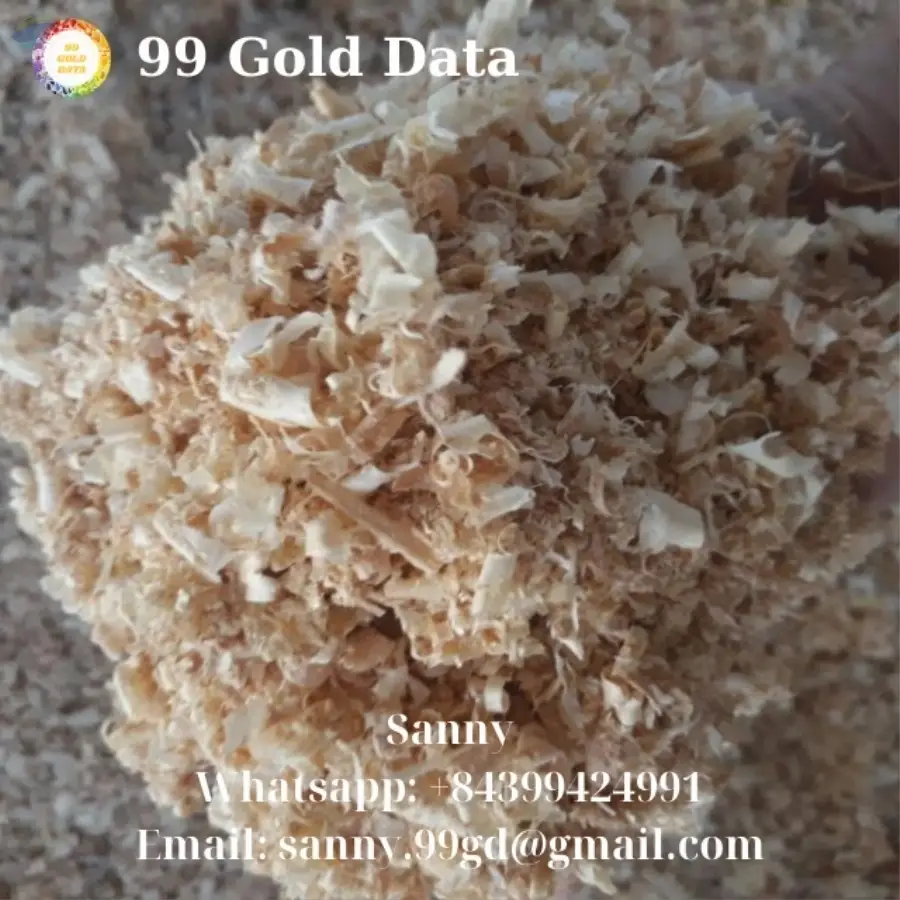
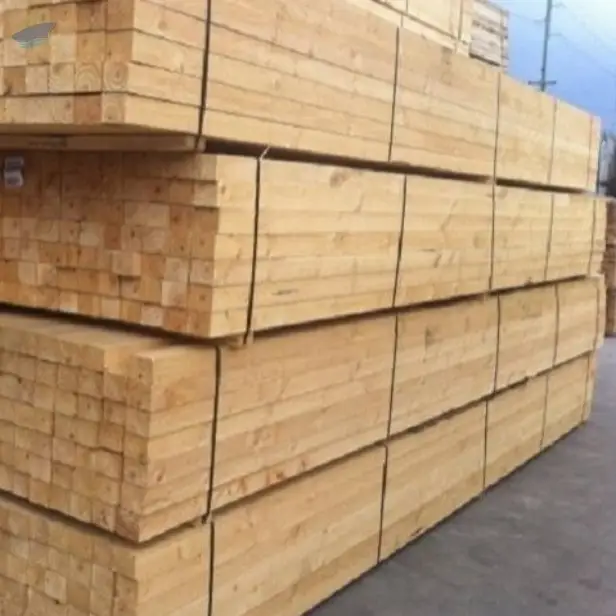
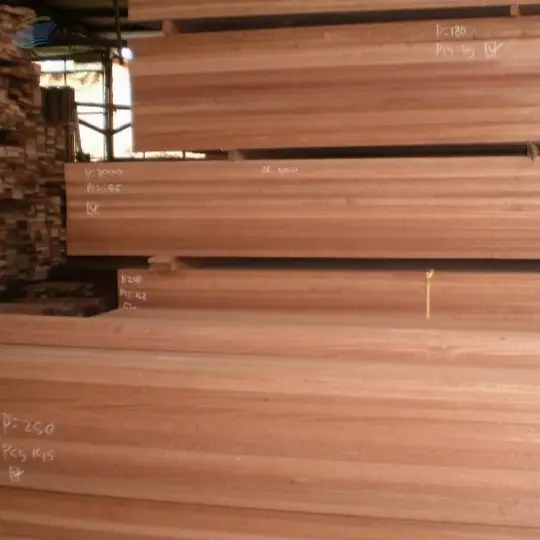
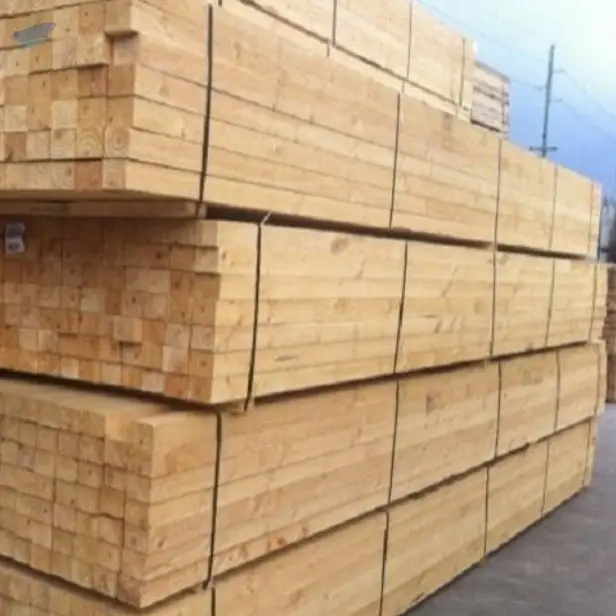
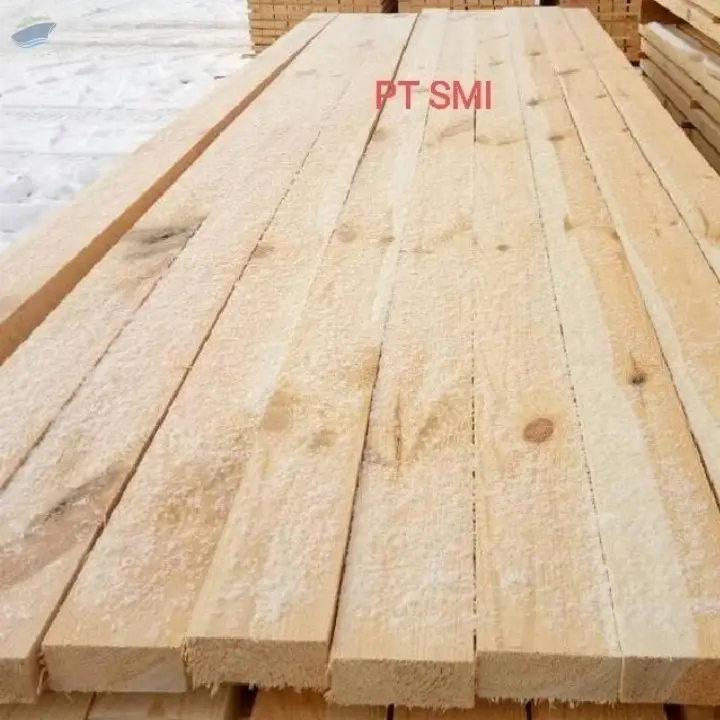
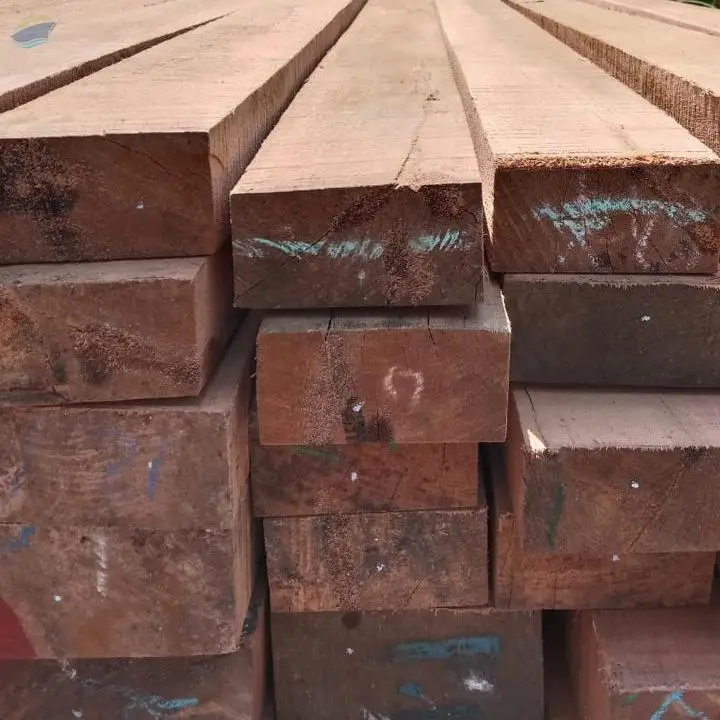
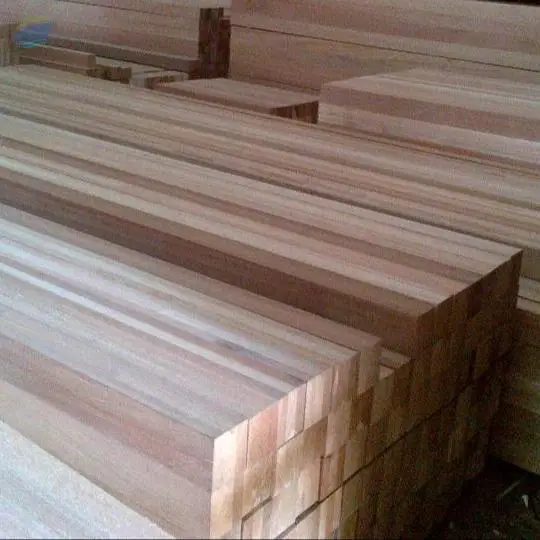
Jean Du Plessis is based in South Africa and currently lists fourteen distinct products across several material groups. The catalogue includes wood‑derived items such as Flyleaf Shavings, Pine Wood Shavings, Wood Wool, Wood Chips and kiln‑dried pine planks, as well as firewood variants labelled hard and air‑dried. Plastic raw materials are represented by low‑density polyethylene (LDPE) and high‑density polyethylene (HDPE). Finished goods comprise genuine leather handmade bags, netted bags made from polypropylene or polyethylene mesh (HS code 6305.32), and other netted bag items. The supplier is classified as an imported tier with a harbor trust rating. The wood‑based products are typical of South African forestry output, with pine material commonly kiln‑dried to a moisture content around 12 % and sized for export in 20‑ft or 40‑ft containers. Plastic polymers such as LDPE and HDPE are usually supplied in bulk granules or pellets, conforming to the standard density ranges of 0.91 - 0.94 g/cm³ for LDPE and 0.94 - 0.97 g/cm³ for HDPE. The leather bags are handcrafted from genuine leather, often measured in millimetres of thickness and finished with reinforced stitching. Netted bags listed under HS 6305.32 are produced from a mesh of polypropylene or polyethylene, typically specified by gauge and opening size. Recycled paper is offered as a bulk sheet or roll suitable for packaging applications.
Product Range and Specialties of Jean Du Plessis
The catalogue groups products into three broad families: wood‑based bulk materials, polymer raw materials, and finished leather or textile accessories. Wood items such as Flyleaf Shavings, Pine Wood Shavings, Wood Wool, Wood Chips and kiln‑dried pine planks are commonly graded by particle size (e.g., 0‑5 mm for fine shavings), moisture content (10‑14 % for kiln‑dried wood) and bulk density (150‑250 kg/m³). Firewood categories - hard and air‑dried - are usually classified by calorific value (≈4 000 kcal/kg) and moisture levels (hard firewood ≤20 % MC, air‑dried ≤30 %). The polymer segment lists LDPE and HDPE, which buyers typically evaluate by melt flow index (MFI 0.5‑10 g/10 min for LDPE, 0‑10 g/10 min for HDPE) and density as noted above. Leather bags are described as genuine leather, a material that is commonly verified for tensile strength (≥10 MPa) and thickness (1‑3 mm). Netted bags under HS 6305.32 use PP or PE mesh; standard specifications include mesh gauge (e.g., 120‑180 g/m²) and opening dimensions (e.g., 30 mm × 30 mm). Recycled paper is supplied in standard A‑size sheets or rolls with basis weight typically 70‑120 g/m².
Trade and Export Information - Jean Du Plessis
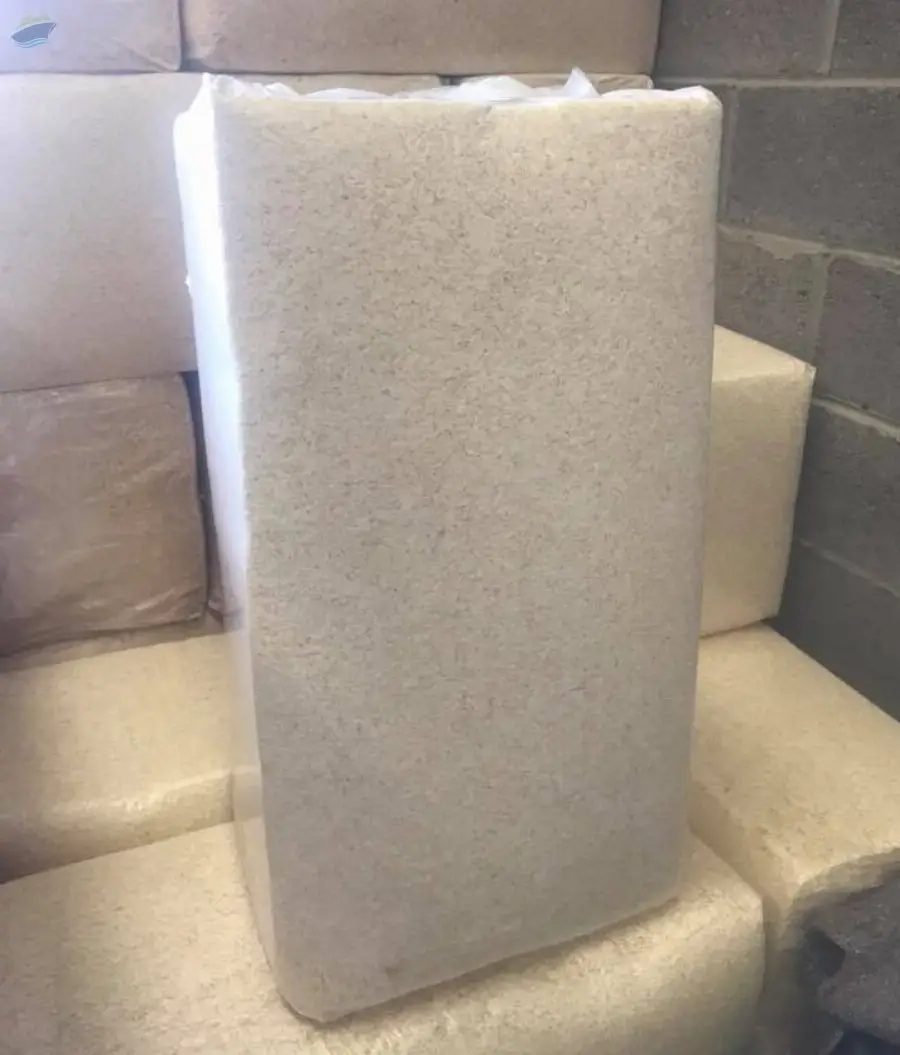
South Africa exports wood products, polymer granules and leather accessories to Europe, the Middle East and parts of Asia, following established HS‑code groupings such as 4401‑4403 for raw wood, 3901 for polyethylene polymers and 6305 for bags. Buyers usually require compliance with ISO 9001 quality management, FSC or PEFC certification for sustainably sourced pine, and REACH registration for polymer shipments. Packaging for wood shavings and firewood is often in bulk bags (15‑20 kg) or wooden crates, while polymers are shipped in 25‑ton HDPE containers or 20‑ft bulk bags. Standard Incoterms include FOB Durban or CIF Rotterdam for bulk shipments. Export documentation commonly includes phytosanitary certificates for timber, material safety data sheets (MSDS) for plastics, and leather origin certificates to satisfy customs and buyer audits.
Sourcing from Jean Du Plessis - Buyer Guidance
When sourcing wood shavings or firewood, request a moisture‑content test report and a calorific‑value certificate; these parameters confirm suitability for bedding, animal feed or fuel applications. For LDPE and HDPE, ask for the latest MSDS, melt‑flow index data and a certificate of compliance with REACH or EU polymer standards. Leather bag buyers should obtain a leather‑grade certificate, thickness measurement and a stitching strength test report. Netted bags listed under HS 6305.32 should be accompanied by a mesh‑gauge specification sheet and, where required, a test for tensile strength of the PP/PE mesh. Verify the presence of any third‑party inspection reports (e.g., SGS, Bureau Veritas) before confirming bulk orders, and confirm container loading plans to match the product’s bulk density.
Frequently Asked Questions About Jean Du Plessis
What wood products does Jean Du Plessis offer and how are they graded?
The supplier lists Flyleaf Shavings, Pine Wood Shavings, Wood Wool, Wood Chips and kiln‑dried pine planks. Typical grading criteria include particle size (0‑5 mm for fine shavings), moisture content (10‑14 % for kiln‑dried wood) and bulk density (150‑250 kg/m³).
Which HS code applies to the netted bags and what material are they made from?
Netted bags are catalogued under HS 6305.32 and are manufactured from a mesh of polypropylene (PP) or polyethylene (PE). The mesh is usually specified by gauge and opening size.
What specifications should a buyer check for the LDPE and HDPE offered?
Buyers should request the melt‑flow index (MFI 0.5‑10 g/10 min for LDPE, 0‑10 g/10 min for HDPE), density (0.91‑0.94 g/cm³ for LDPE, 0.94‑0.97 g/cm³ for HDPE) and a current REACH‑compliance MSDS.
Are there any common certifications required for the pine wood products?
Typical imports of South African pine wood are expected to carry FSC or PEFC forest‑management certification and a phytosanitary certificate for customs clearance.
What documentation is advisable when ordering the genuine leather handmade bags?
Request a genuine‑leather grade certificate, thickness measurement (1‑3 mm) and a stitching‑strength test report; an ISO 9001 audit report is also common for leather accessories.
How are firewood products usually packaged for export?
Hard and air‑dried firewood are generally packed in bulk bags of 15‑20 kg or in wooden crates, with moisture‑content reports attached to verify calorific value.
What are typical container sizes for shipping the polymer granules?
LDPE and HDPE granules are commonly loaded in 20‑ft or 40‑ft containers, with an average payload of 20‑25 tonnes per container depending on bulk density.
What inspection agencies can provide third‑party verification for these products?
International agencies such as SGS, Bureau Veritas and Intertek regularly conduct inspections for wood, polymer and leather goods and can issue certificates that satisfy most import requirements.




 , South Africa