Agriculture›
 Apparel and fashion accessories›
 Construction & real estate›💡Electronic & Electrical›🍎Food & Beverages›🛋️Home furnishing & supplies›⚗️Industrial goods & chemical›🪨Minerals & metals›📦Miscellaneous›Agriculture›Apparel and fashion accessories›Construction & real estate›💡Electronic & Electrical›🍎Food & Beverages›🛋️Home furnishing & supplies›⚗️Industrial goods & chemical›🪨Minerals & metals›📦Miscellaneous›
Ivory Hrain Scrap Trading LLC
⚓ Harbor , BahrainNew supplier / no reviews yet
Ivory Hrain Scrap Trading LLC Product Catalog
About Ivory Hrain Scrap Trading LLC - Plastic Scrap Supplier in Bahrain
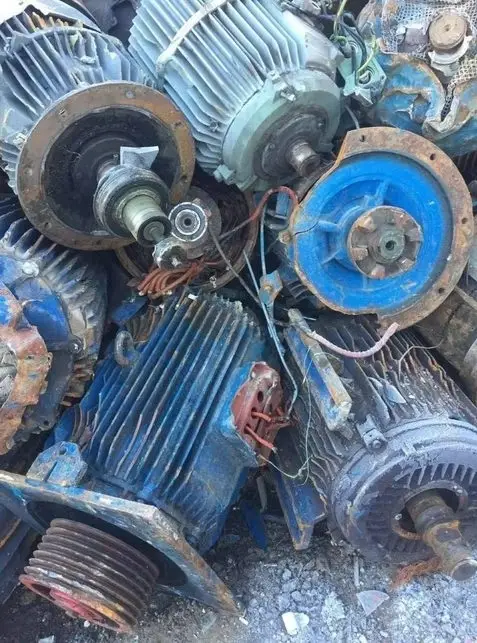
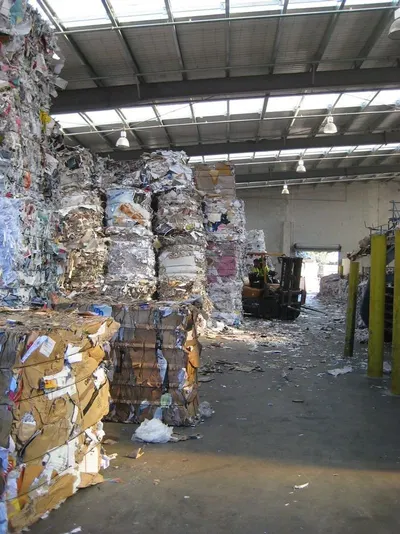
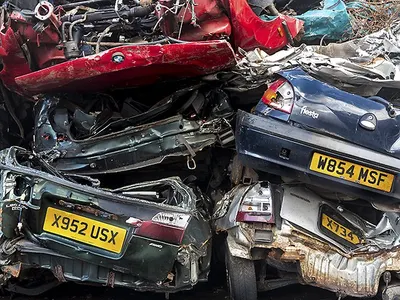
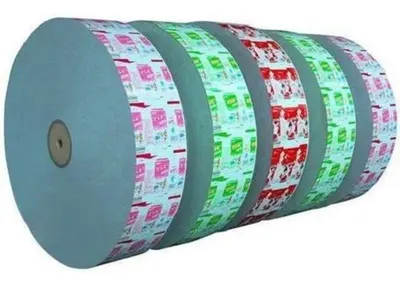
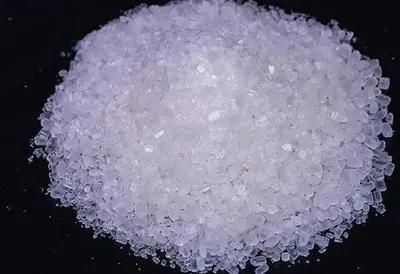
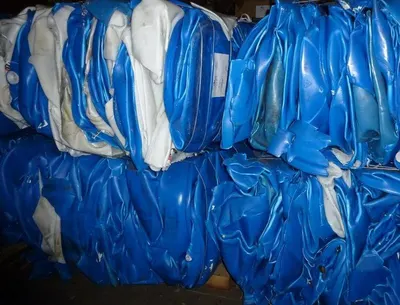
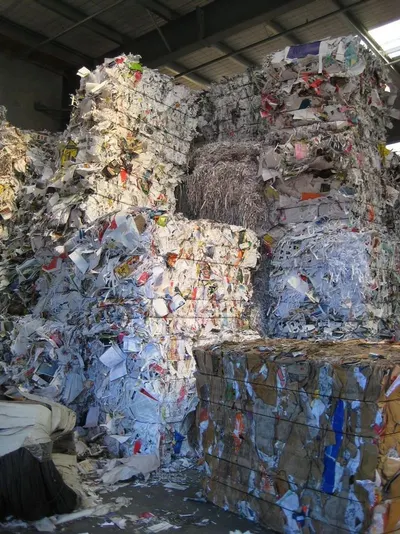
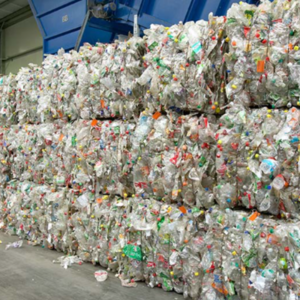
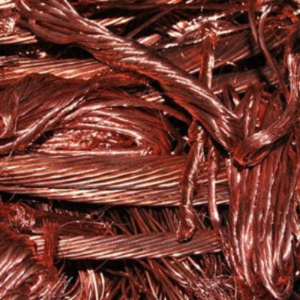
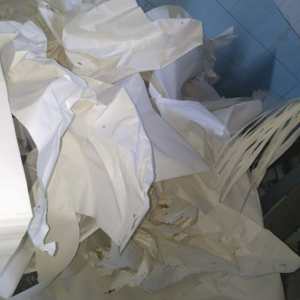
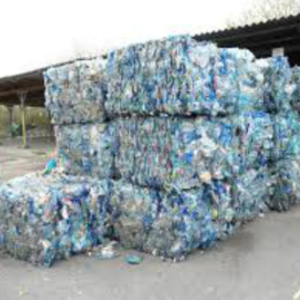
Ivory Hrain Scrap Trading LLC operates from Madinat Khalifa in Bahrain and lists eight active products in its catalogue. The catalogue covers a range of polymer scrap - including PET bottle and preform scrap (HS 3915.10, material PET), LDPE film scrap (HS 3915.10, material LDPE), HDPE drum and crate scrap (HS 3915.10, material HDPE), ABS re‑grind (HS 3915.90, material ABS), PMMA acrylic scrap (HS 3915.90, material PMMA), and BOPP printed roll scrap (HS 3915.90, material BOPP). In addition, the company lists electric‑motor scrap (HS 7404.00, material Electric‑Motor) and OCC paper scrap (HS 4707.10, material OCC).
The product entries use the HS‑code families for plastic waste (chapter 39) and metal scrap (chapter 74) that are standard in global trade filings. Each entry specifies the material type, allowing buyers to match the scrap to processing lines that handle PET, LDPE, HDPE, ABS, PMMA, BOPP, electric‑motor components, or recovered office paper. The eight‑item list reflects the supplier’s focus on both polymer recycling streams and select non‑plastic scrap streams.
Product Range and Specialties of Ivory Hrain Scrap Trading LLC
The listed polymer scrap spans the most common thermoplastic grades used in packaging and consumer goods. PET scrap is typically sorted into food‑grade (ICUMSA 45) and non‑food grades, with melt flow index (MFI) values between 10 - 30 g/10 min. LDPE film scrap is usually supplied in rolls or bales with a typical thickness of 12 - 30 µm and a melt flow index of 0.5 - 2 g/10 min. HDPE drum scrap often carries a density of 0.94 - 0.96 g/cm³ and can be re‑grinded to a particle size of 3 - 5 mm for extrusion. ABS re‑grind is graded by impact strength (≥30 kJ/m²) and color consistency, while PMMA acrylic scrap is evaluated for optical clarity and a glass transition temperature around 105 °C. BOPP printed roll scrap is assessed for residual print adhesion and moisture content below 0.2 %. The electric‑motor scrap falls under HS 7404.00 and is commonly classified by ferrous versus non‑ferrous metal content, with typical copper recovery rates of 20 - 30 %. OCC paper scrap is measured by ash content (<5 %) and moisture (~5 %).
Frequently Asked Questions About Ivory Hrain Scrap Trading LLC
What polymer grades are included in Ivory Hrain’s scrap catalogue?
The catalogue lists PET, LDPE, HDPE, ABS, PMMA, and BOPP scrap, each identified with its specific HS code (3915.10 or 3915.90) and material type.
Which HS codes apply to the listed scrap products?
PET, LDPE, and HDPE scrap use HS 3915.10; ABS, PMMA, and BOPP use HS 3915.90; electric‑motor scrap uses HS 7404.00; and OCC paper scrap uses HS 4707.10.
What documentation should a buyer ask for before purchasing plastic scrap?
Buyers should request a material test report (MFI, density, colour, contamination), a REACH compliance statement, and any relevant ISO‑9001 certification if available.
Are there typical minimum order quantities for the polymer scraps?
Exporters usually set a minimum of one 20‑ft container (≈20 tons) for PET, LDPE or HDPE, while smaller batches of ABS, PMMA or BOPP may be accepted in 5‑ton increments, depending on packaging.
What certifications are commonly required for electric‑motor scrap?
RoHS and WEEE compliance certificates, along with a metal composition analysis, are standard requirements for motor scrap destined for the EU or North America.
BahrainRelated Suppliers & Products
Explore similar suppliers, related products and trending categories





.jpg.png)