Agriculture›
 Apparel and fashion accessories›
 Construction & real estate›💡Electronic & Electrical›🍎Food & Beverages›🛋️Home furnishing & supplies›⚗️Industrial goods & chemical›🪨Minerals & metals›📦Miscellaneous›Agriculture›Apparel and fashion accessories›Construction & real estate›💡Electronic & Electrical›🍎Food & Beverages›🛋️Home furnishing & supplies›⚗️Industrial goods & chemical›🪨Minerals & metals›📦Miscellaneous›
Ivoire Group LLC Product Catalog
About Ivoire Group LLC - Cashew Nuts Supplier in United States
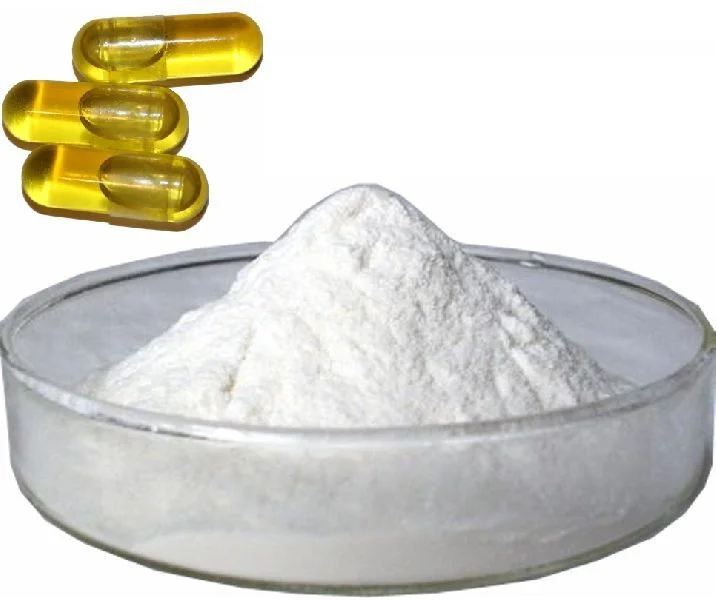
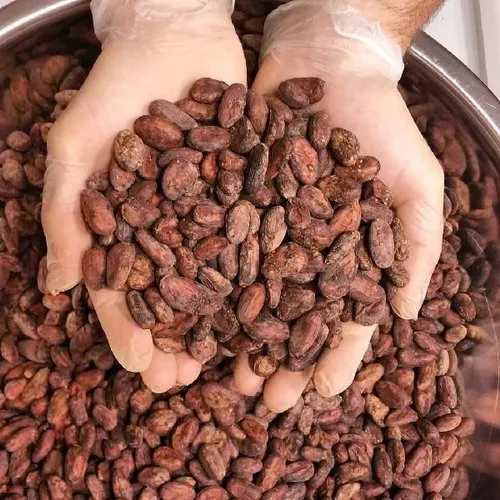
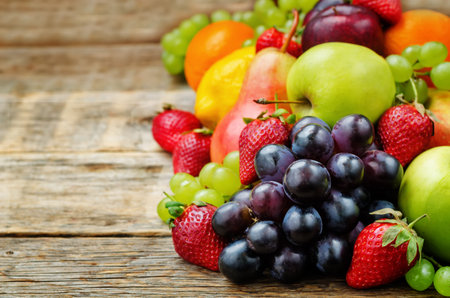
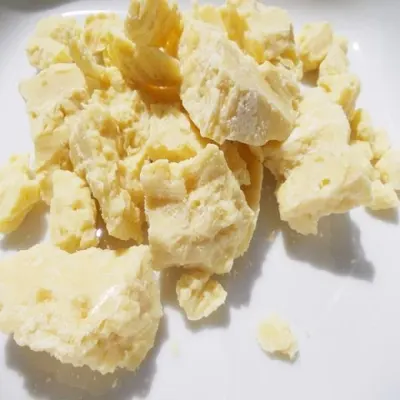
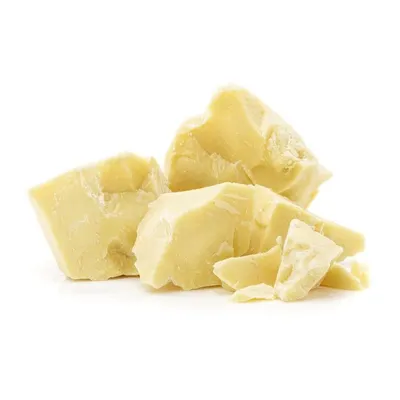
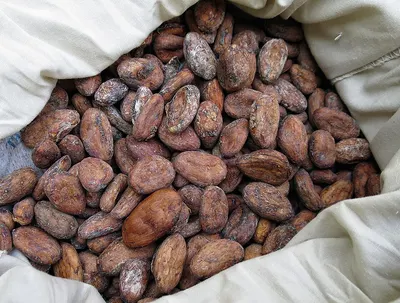
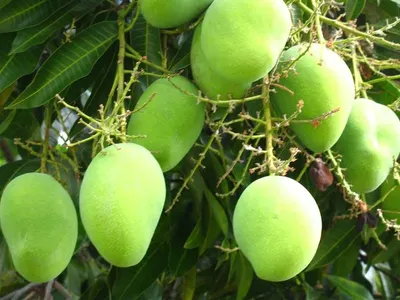
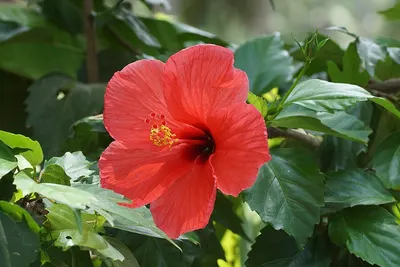
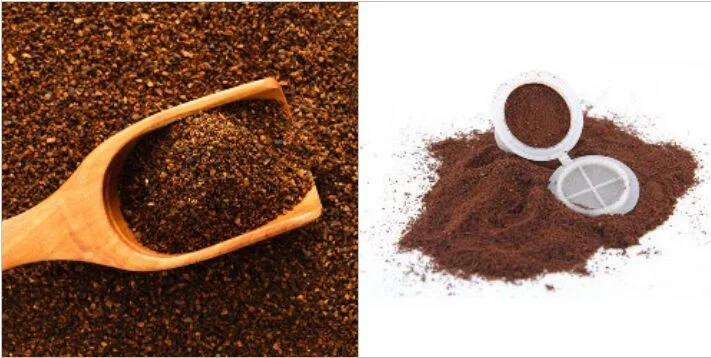
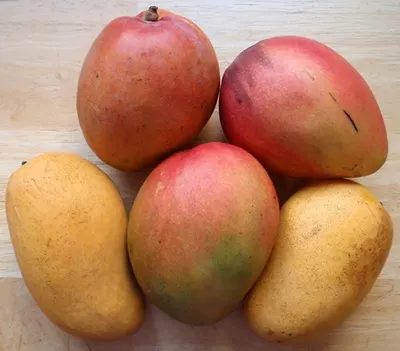
Ivoire Group LLC is based in the United States and currently lists twelve active products across a mix of nut, fruit, cocoa, coffee and cosmetic raw material categories. The catalogue includes cashew nuts in three size grades (W240, WW210, WW450), cocoa beans, cocoa butter, fresh and dried mango, hibiscus flower, coffee beans, and unrefined shea butter. The only product with an explicit HS code in the data is cocoa butter, recorded under HS heading 1804.00, which belongs to the chapter covering cocoa, coffee and tea products. The remaining items fall under HS chapters 08 for fresh and dried fruit, 18 for cocoa beans and coffee, and 15 for animal fats and oils. The supplier’s top categories are cashew nuts, cocoa beans, cosmetic raw material, dehydrated fruits, hibiscus, coffee, mango and shea butter, reflecting a broad raw material portfolio for food and personal‑care manufacturers.
The catalogue entries are presented without additional HS codes, but each product aligns with standard international trade classifications used for bulk agricultural commodities. For example, cocoa beans typically use HS 1801, fresh mango uses HS 0804, dried mango is classified under HS 0804 as well, hibiscus flower under HS 1302, coffee under HS 0901, and unrefined shea butter under HS 1509. The presence of multiple cashew nut grades indicates the supplier can meet different size specifications required by processors. All listed products are described by their raw material type, such as natural vegetable fat for cocoa butter derived from Theobroma cacao beans.
Product Range and Specialties of Ivoire Group LLC
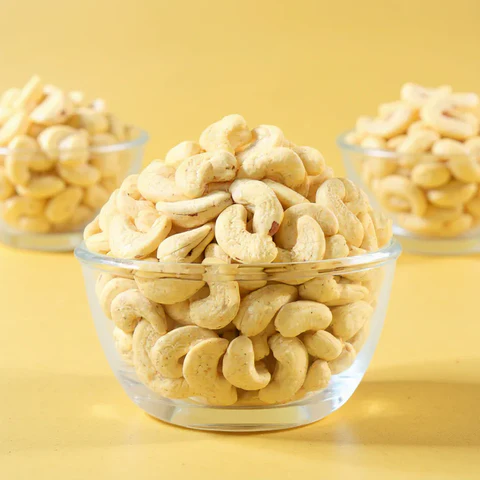
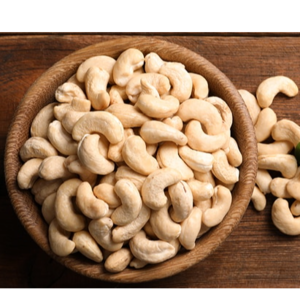
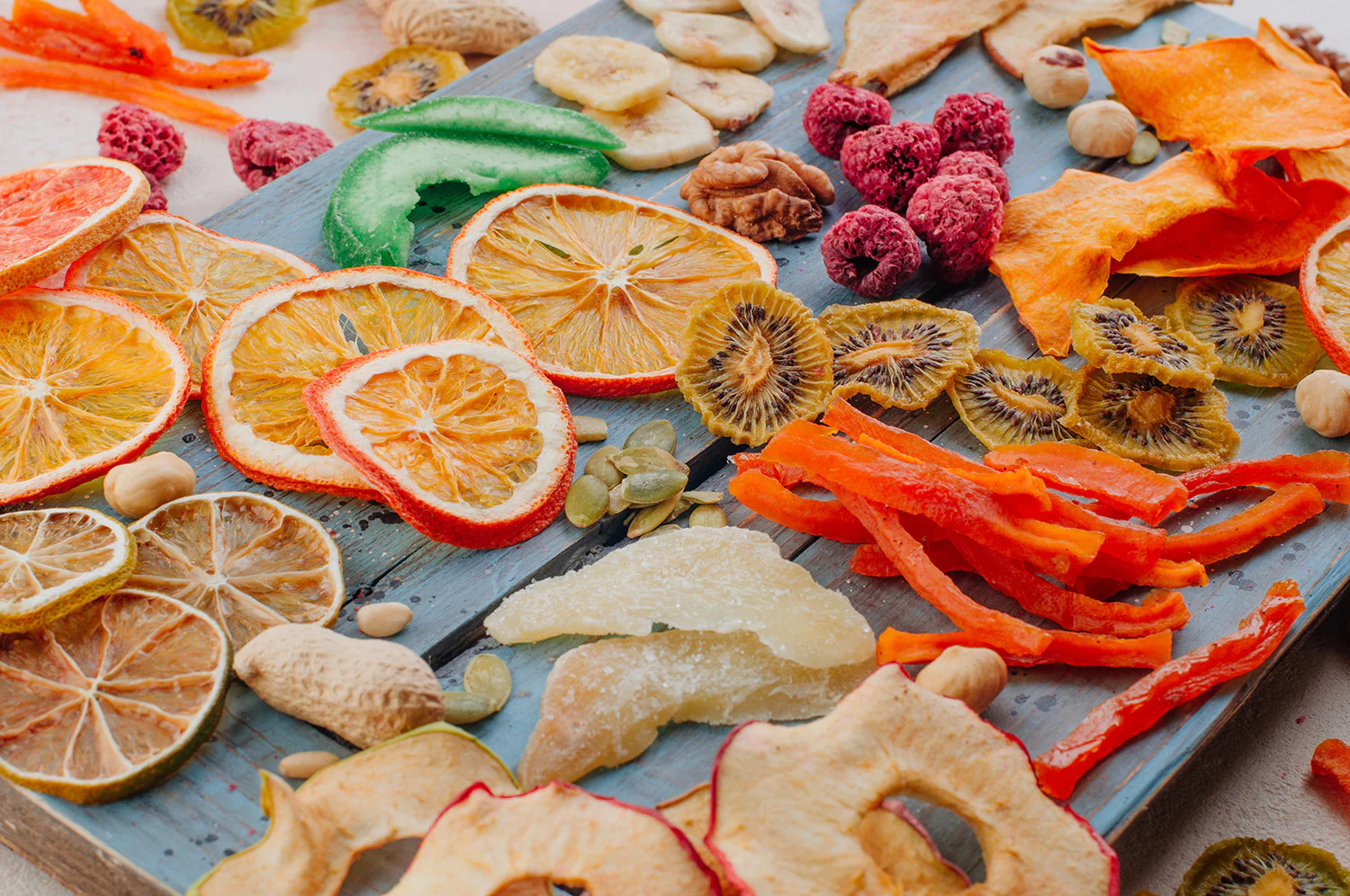
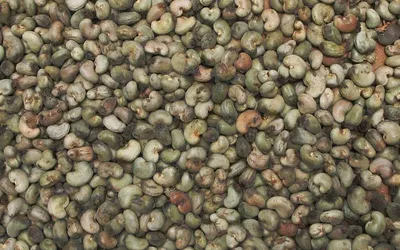
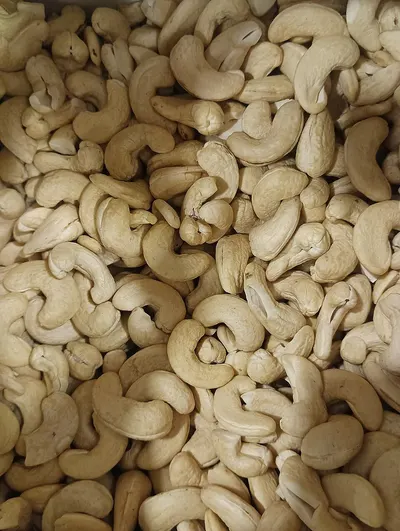
The product list includes three graded cashew nut varieties: W240 (large kernels), WW210 (medium kernels) and WW450 (small kernels). In the global trade of cashews, these grades correspond to shell‑removed kernel sizes measured in millimetres, with typical moisture content below 5 % and shelling percentages around 45‑48 %. Cocoa beans are offered both as raw and as generic cocoa beans, which in international markets are sorted into grades AA, A and B, with moisture limits of 6 % and foreign matter under 0.5 %. Cocoa butter, identified with HS 1804.00, is a natural vegetable fat that usually meets a melt point range of 34‑38 °C, iodine value 30‑35 and free fatty acid content below 0.1 %. Dried mangoes are generally dried to a moisture level of 12‑14 % and packed in bulk bags of 20 kg or 25 kg. Fresh mangoes are shipped whole, often classified by size and Brix level, with typical export grades of 12‑15 % soluble solids. Hibiscus flower, a dried botanical ingredient, is usually dried to less than 10 % moisture and graded for colour intensity and anthocyanin content. Coffee beans are supplied in bulk, with standard grades Arabica (high cup quality) and Robusta (higher caffeine), moisture 10‑12 % and size uniformity measured in screen numbers. Unrefined shea butter is a crude fat with an iodine value of 50‑60, free fatty acid content up to 5 % and is commonly used in cosmetic formulations.
Frequently Asked Questions About Ivoire Group LLC
What cashew nut grades does Ivoire Group LLC offer?
The catalogue lists three grades: W240 (large kernels), WW210 (medium kernels) and WW450 (small kernels). Each grade is defined by kernel size in millimetres and is commonly used by processors to match product specifications.
Which HS chapters cover the majority of Ivoire Group LLC’s products?
Most products fall under HS chapter 08 for fresh and dried fruits, chapter 15 for animal fats and oils, and chapter 18 for cocoa, coffee and related products.
Does the supplier provide cocoa butter with a specific HS code?
Yes, cocoa butter is listed with HS code 1804.00, which falls under the chapter for cocoa, coffee and tea products. Buyers should confirm that the commercial invoice uses this code.
Are there any certifications attached to the listed products?
The supplied facts do not include any certifications. Buyers are advised to request certificates such as USDA Organic, Fairtrade, ISO 22000 or HACCP as part of the pre‑order documentation.
What are typical packaging formats for the dried mangoes?
Dried mangoes are usually packed in bulk polypropylene bags of 20 kg or 25 kg, suitable for loading into 20‑foot containers for sea freight.
 United States
Related Suppliers & Products
Explore similar suppliers, related products and trending categories