Indmak Corporation — Verified Supplier
About Indmak Corporation - Dehydrated Vegetables Supplier in India
India hosts Indmak Corporation, a supplier that currently lists five active products across its catalogue. The company’s top categories are Agriculture and Dehydrated Vegetables, and its product set includes Dehydrated Garlic Powder, Dehydrated Garlic Granules, Dehydrated Garlic Flakes, Dehydrated Onion Products, and Groundnut Deoiled Cake (Groundnut DOC). All items fall under HS chapter 20, which covers prepared or preserved vegetables and related products, a common classification for Indian exporters of dried spices and feed ingredients. The catalogue reflects a focus on both culinary spices and animal‑feed raw material, providing a concise portfolio for buyers seeking Indian‑origin dehydrated produce.
The listed products are offered in standard food‑grade packaging such as 25 kg polyethylene bags, suitable for bulk shipment in 20‑ft or 40‑ft containers. Dehydrated garlic forms (powder, granules, flakes) are produced by low‑temperature drying to preserve flavor, while the onion range follows similar moisture‑controlled processes. Groundnut Deoiled Cake is supplied as a high‑protein feed ingredient, typically bulk‑packed for large‑scale animal nutrition applications. Together, these five items represent the full scope of Indmak’s current dehydrated vegetable offerings.
Product Range and Specialties of Indmak Corporation
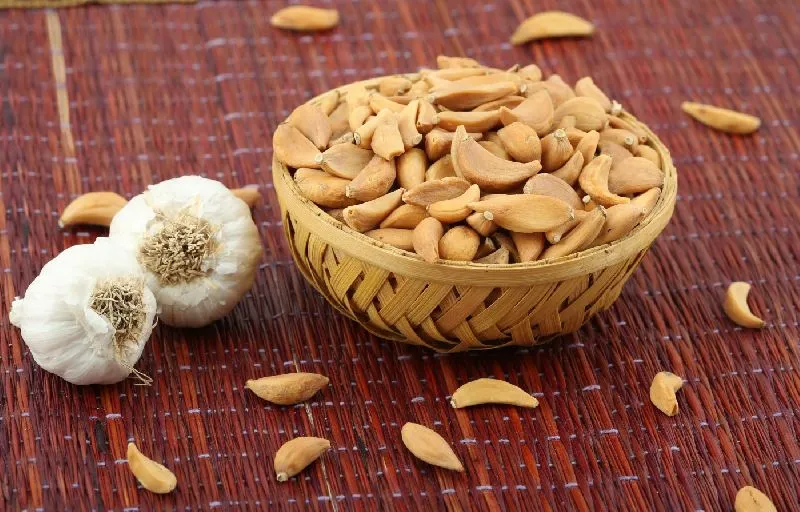
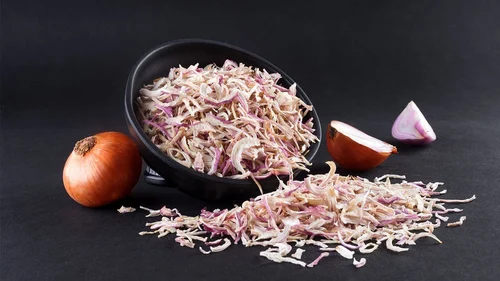
Indmak Corporation’s catalogue contains three formats of dehydrated garlic - powder, granules and flakes - each targeting different processing needs in spice blends, seasoning mixes and instant sauces. The onion line is presented as a generic dehydrated product suitable for rehydration or direct inclusion in ready‑to‑eat meals. Groundnut Deoiled Cake is listed as a protein‑rich feed additive derived from the oil‑extraction process. In the broader industry, dehydrated garlic products are commonly graded by moisture (usually ≤12 %), particle size (200‑500 µm for powder, larger for granules), and flavor retention measured by organoleptic panels. Dehydrated onion pieces are evaluated for uniform color, moisture below 12 % and low microbial counts. Groundnut DOC typically contains 45‑50 % crude protein, residual oil under 2 %, and moisture under 10 %, meeting standard specifications for feedstock used in poultry and swine diets.
Industry standards for these categories often require compliance with ISO 22000 or FSSC 22000 food‑safety management systems, HACCP documentation, and, for export to the EU or US, adherence to Codex Alimentarius limits on pesticide residues. Buyers also look for certificates of analysis that detail moisture, ash, protein, and microbiological parameters, as well as batch‑specific test reports confirming compliance with destination‑country regulations.
Trade and Export Information - Indmak Corporation
India is a major exporter of dehydrated vegetables and spice ingredients, with shipments typically directed to the European Union, United States, Middle East and Southeast Asian food manufacturers. Products such as dehydrated garlic and onion fall under HS heading 2009 (Garlic) and 2008 (Onions) within chapter 20, and are subject to phytosanitary inspection and certificate of origin at the point of export. Commonly required certifications include ISO 22000, HACCP, and, where applicable, organic or non‑GMO attestations for specialty markets. Packaging for bulk shipments follows standard containerization practices: 20‑ft containers hold approximately 8‑10 metric tonnes of powdered or granulated spices, while 40‑ft containers can accommodate up to 18 metric tonnes. Groundnut Deoiled Cake, as a feed ingredient, is often shipped in bulk bags or on pallets, with FOB or CIF terms prevailing in Indian export contracts.
Indian exporters of dehydrated vegetables benefit from well‑established logistics corridors to ports such as Mumbai and Chennai, enabling efficient loading of both full‑container loads and less‑than‑container loads. Importers generally request a phytosanitary certificate, a certificate of analysis, and proof of compliance with destination‑country food‑safety regulations before customs clearance. The country’s regulatory framework, overseen by the Agricultural and Processed Food Products Export Development Authority (APEDA), supports traceability and quality assurance for these commodities.
Sourcing from Indmak Corporation - Buyer Guidance
When sourcing from Indmak Corporation, buyers should request the latest Certificate of Analysis for each product, confirming moisture, ash, protein, particle‑size distribution and pesticide‑residue results in line with Codex limits. It is advisable to obtain copies of the supplier’s ISO 22000 or FSSC 22000 certification, HACCP plan and, for the feed ingredient, a valid FSSAI feed license. Verification of proper packaging specifications - such as 25 kg food‑grade polyethylene bags and container loading plans - helps ensure product integrity during transit.
Buyers are also encouraged to ask for a phytosanitary certificate and a certificate of origin to satisfy customs requirements in the target market. Sampling prior to full‑scale orders is standard practice; a 5 kg sample of each garlic form can be tested for flavor profile, moisture and microbial load. Confirming lead times, minimum order quantities and the agreed Incoterm (FOB or CIF) before contract finalisation reduces the risk of delays.
Frequently Asked Questions About Indmak Corporation
What dehydrated garlic formats does Indmak Corporation offer?
Indmak lists dehydrated garlic powder, granules and flakes. Each format is produced by low‑temperature drying, with typical moisture limits of 10‑12 % and particle‑size ranges appropriate to the form.
Which HS code is generally applied to dehydrated garlic products from India?
Dehydrated garlic products are usually classified under HS heading 2009 (Garlic, fresh, dried or powdered). Buyers should confirm the exact sub‑heading with the supplier for customs documentation.
What are the common quality specifications for dehydrated onion products?
Indian dehydrated onion products typically have moisture content below 12 %, a uniform brown colour grade A, and microbiological limits of ≤10^3 cfu/g for total plate count. Pesticide residues must meet Codex MRLs for the destination market.
What is Groundnut Deoiled Cake used for and what typical composition does it have?
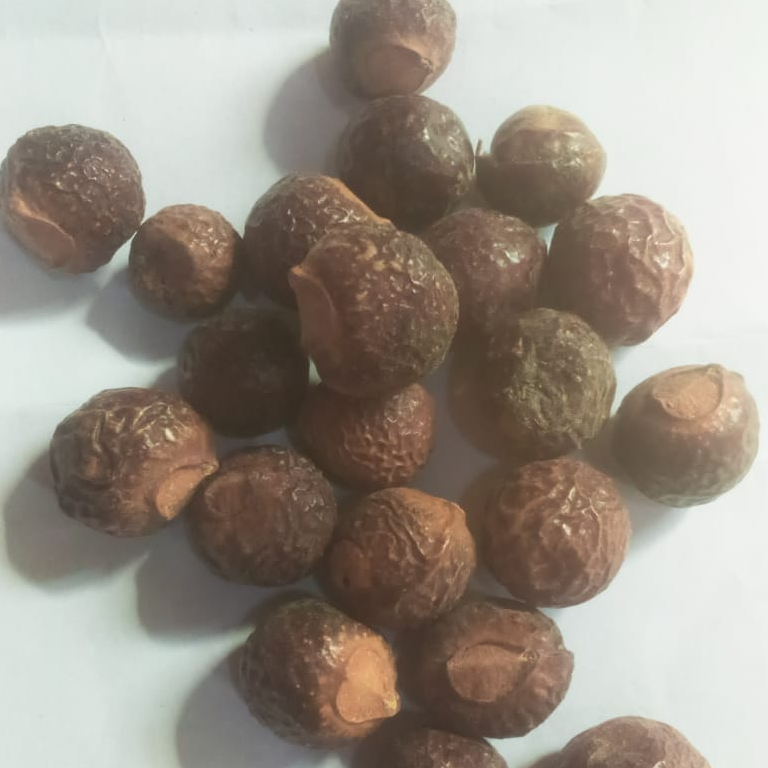
Groundnut deoiled cake is a high‑protein feed ingredient, generally containing 45‑50 % crude protein, residual oil below 2 % and moisture under 10 %. It is supplied in bulk bags of 25 kg or in 1‑ton LCL containers for animal‑nutrition applications.
Which certifications should buyers request for these food‑grade products?
Buyers should request ISO 22000 or FSSC 22000 food‑safety certificates, HACCP documentation and a recent analysis report covering moisture, ash, protein and pesticide residues. For the feed ingredient, a FSSAI feed licence and a nutritional analysis are standard.
What are the usual packaging and shipping options for Indmak’s products?
Products are packed in food‑grade polyethylene bags, typically 25 kg each, and loaded into 20‑ft or 40‑ft containers. Bulk feed may be shipped in larger bulk bags or on pallets, with FOB or CIF terms commonly used in Indian exports.
What lead time and minimum order quantity can buyers expect?
Lead times range from 30 to 45 days after order confirmation, depending on product and packaging. Minimum order quantities are generally 5 metric tonnes for powdered or granulated garlic and 10 metric tonnes for groundnut cake, though negotiations are possible.
How should buyers verify product compliance before shipment?
Buyers should obtain a Certificate of Analysis, the supplier’s food‑safety certification, and a phytosanitary certificate where required. Conducting a pre‑shipment sample test for moisture, microbial load and pesticide residues helps confirm compliance with the buyer’s specifications.




 , India