Agriculture›
 Apparel and fashion accessories›
 Construction & real estate›💡Electronic & Electrical›🍎Food & Beverages›🛋️Home furnishing & supplies›⚗️Industrial goods & chemical›🪨Minerals & metals›📦Miscellaneous›Agriculture›Apparel and fashion accessories›Construction & real estate›💡Electronic & Electrical›🍎Food & Beverages›🛋️Home furnishing & supplies›⚗️Industrial goods & chemical›🪨Minerals & metals›📦Miscellaneous›
Impex Technology Product Catalog
About Impex Technology - Mixed Scrap and Agricultural Supplier in India
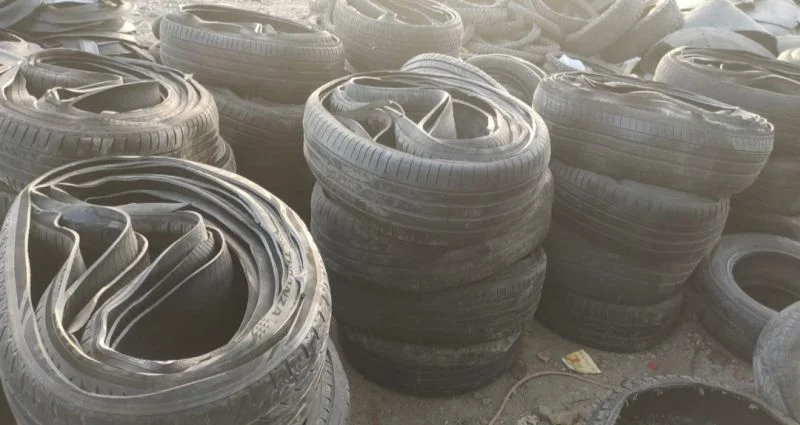
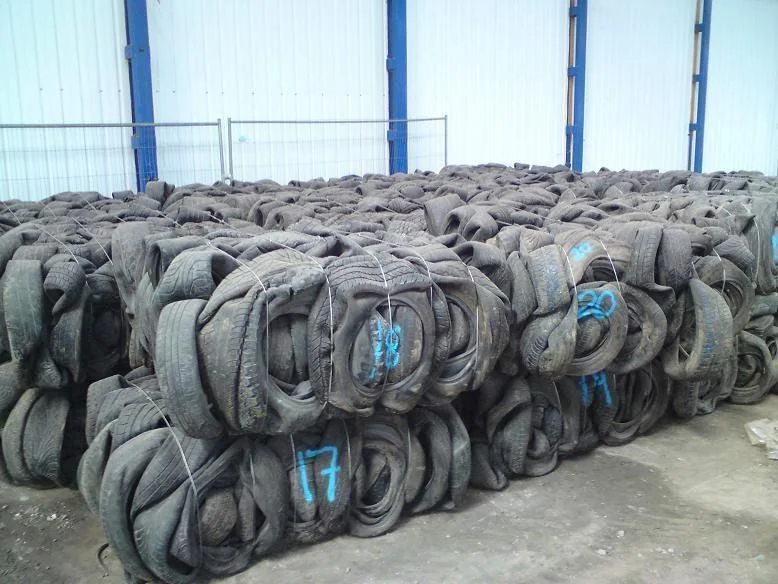
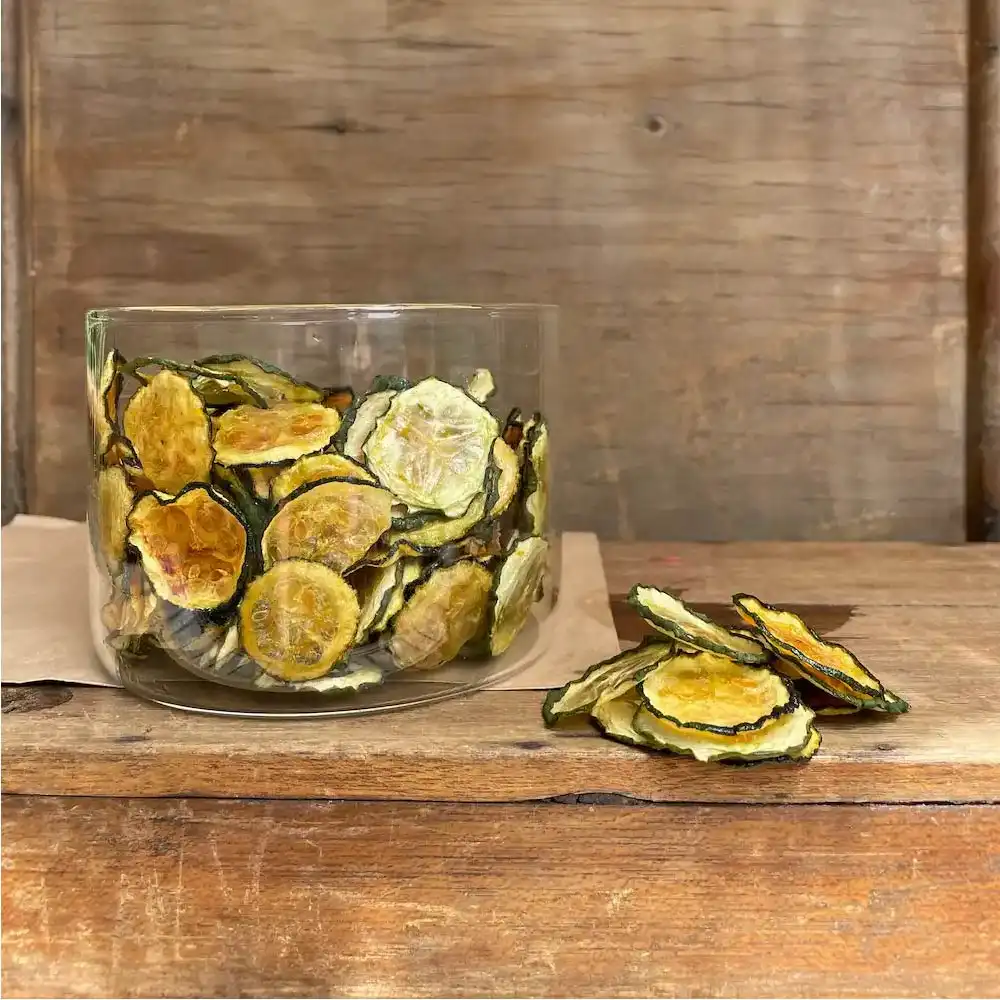
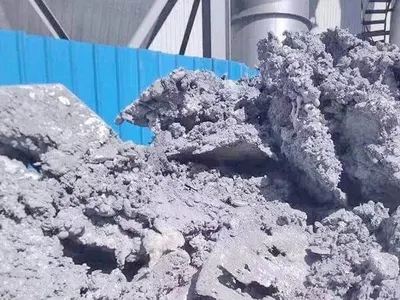
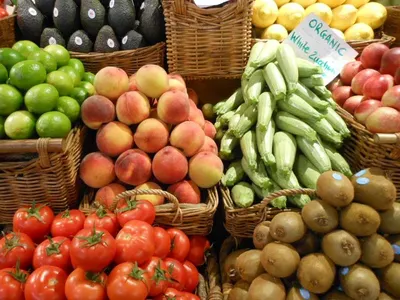
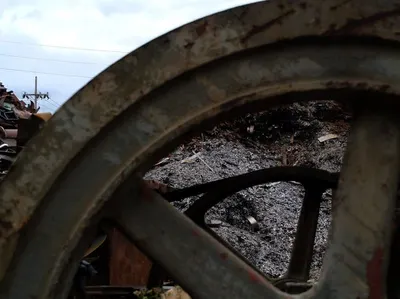
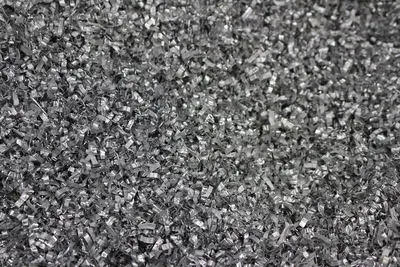
Impex Technology is based in India and currently lists seven active products spanning steel scrap, tyre scrap, cement clinker, fresh vegetables and rail scrap. The catalogue groups the items under five top categories - Steel Scraps, Tyre Scrap, Clinker, Fresh Vegetables and Used Rail Scrap - and each entry is tied to a specific HS‑code where available, reflecting the standard customs classification for these commodities.
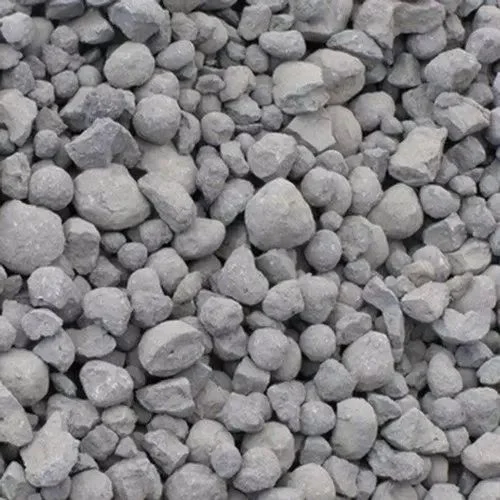
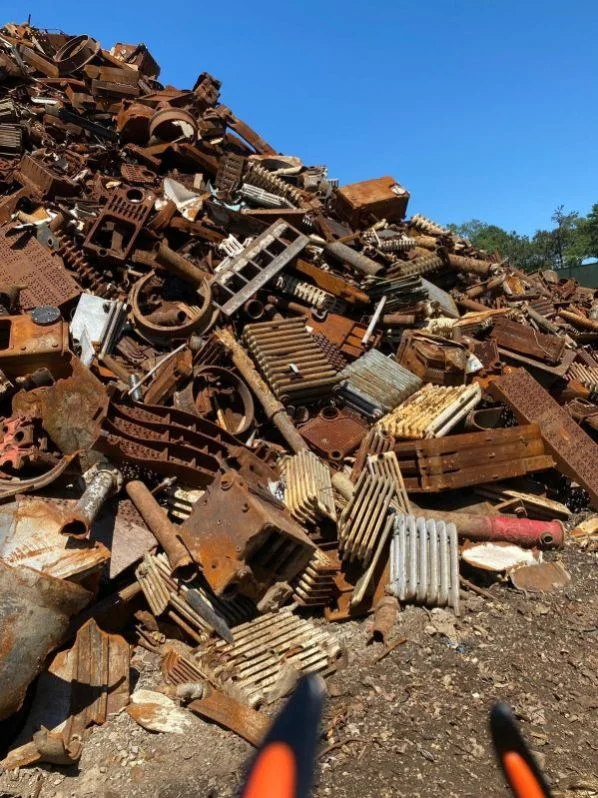
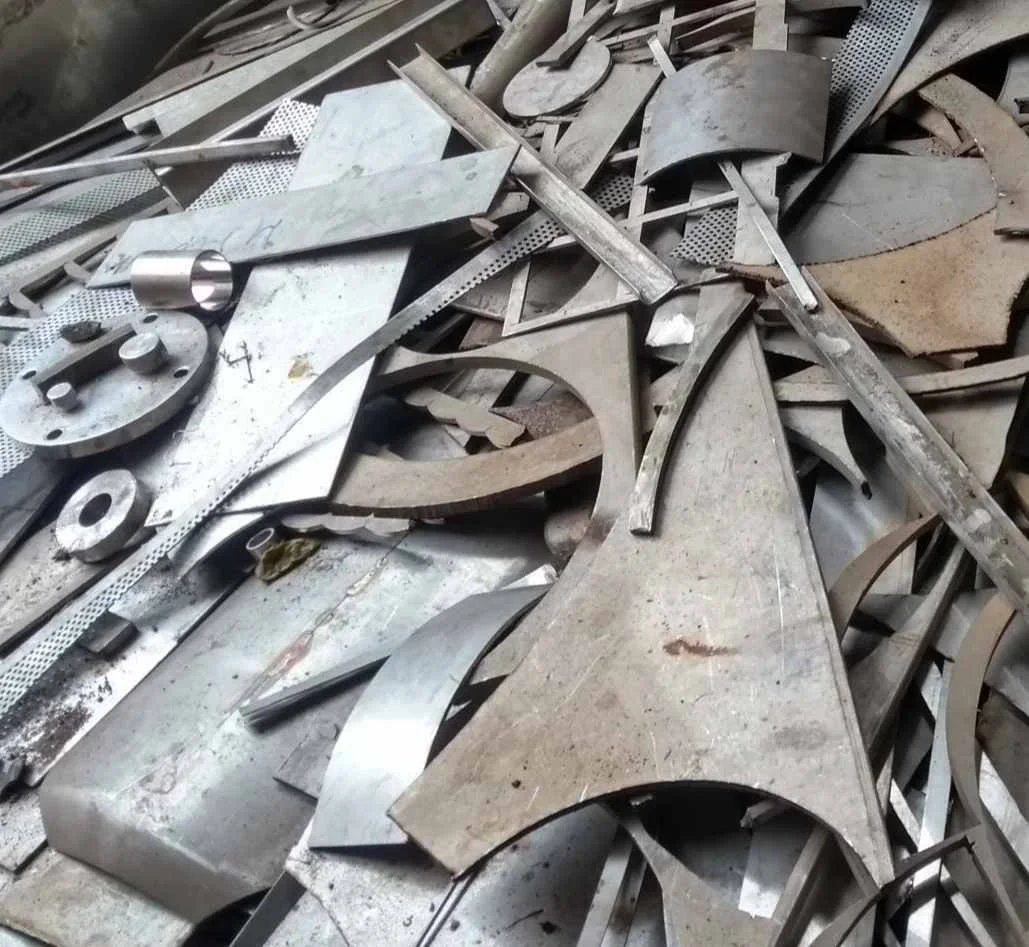
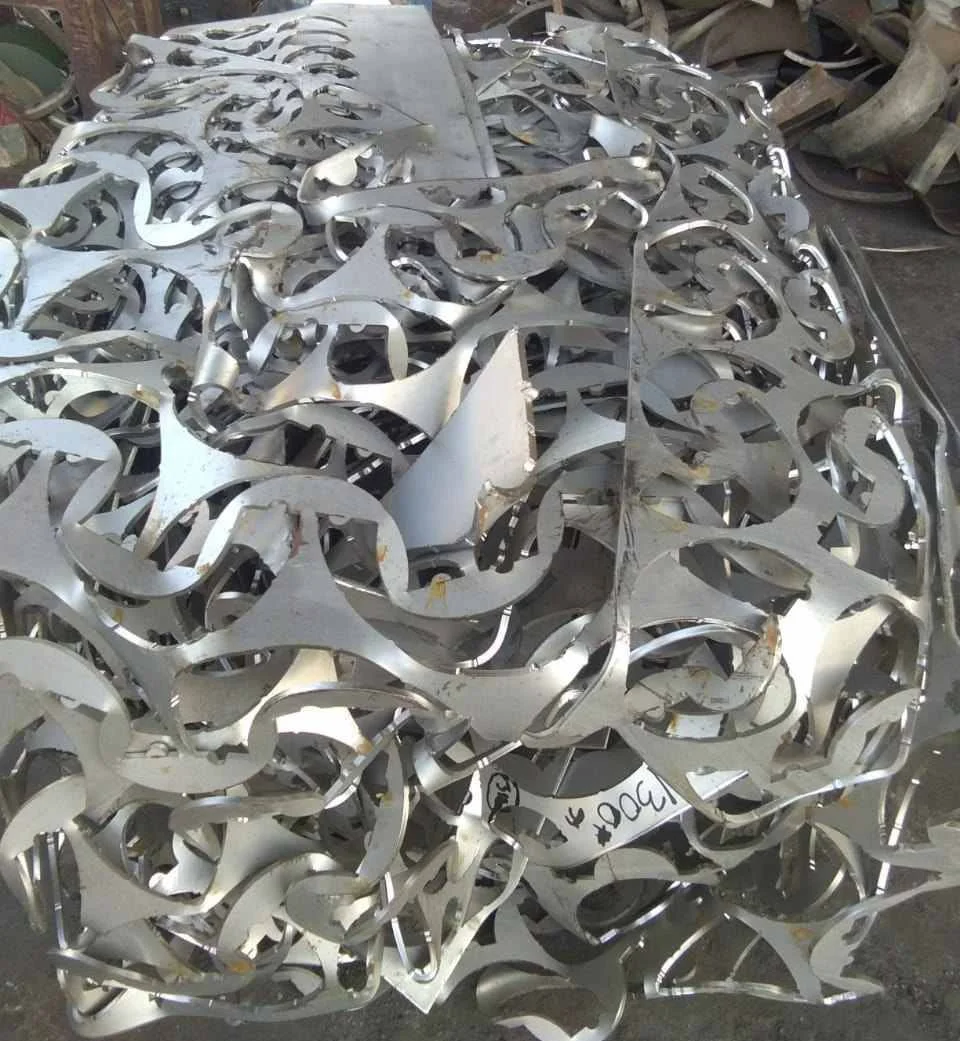
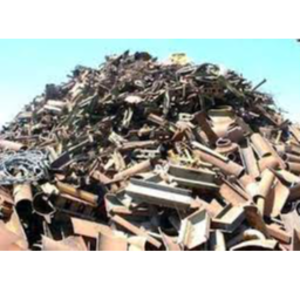
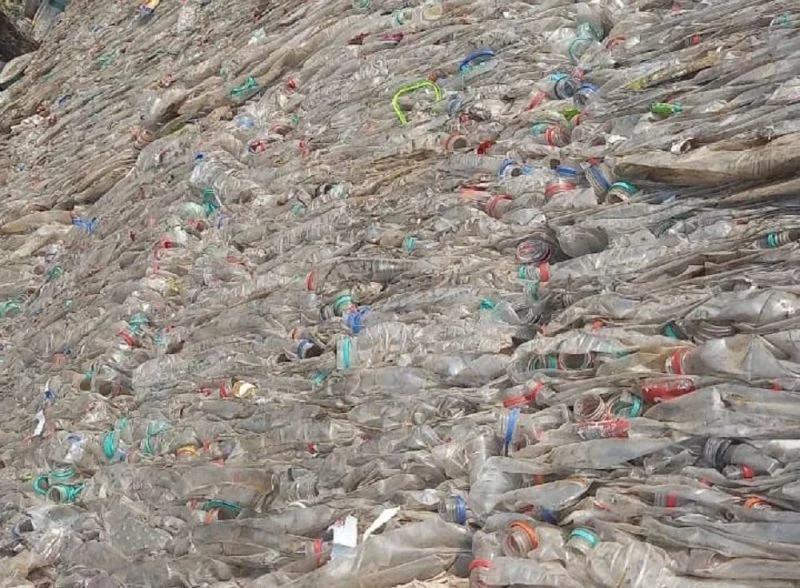
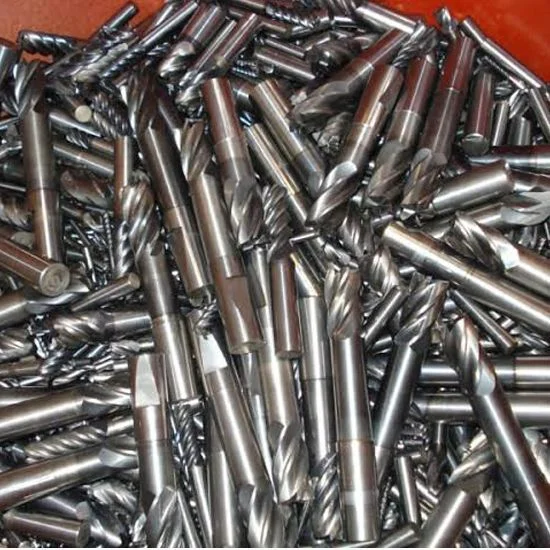
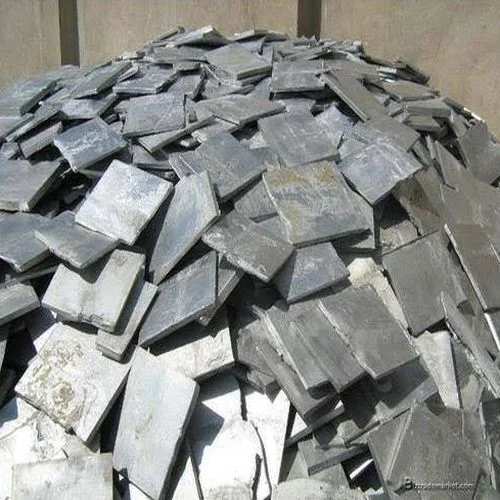
The detailed listings include Heavy Melting Steel Scrap (HS 7204.29, ferrous scrap iron with Fe > 90 % and C < 2 %), Light Melting Steel Scrap (HS 7204.49, shredded carbon steel with Fe ≥ 98 %), two recycled tyre products (Multicut and TDF with no HS‑code supplied), Cement Clinker (HS 2523.10, Portland clinker composition CaO 67‑70 %, SiO₂ 20‑24 %, Al₂O₃ 4‑7 %, Fe₂O₃ 2‑4 %), Fresh Fruits & Vegetables (no HS‑code supplied), and Rail Scrap (HS 7204.49, carbon steel rail with Fe 96‑98 %, C 0.4‑0.8 %, Mn 0.6‑1.0 %).
Product Range and Specialties of Impex Technology
The steel scrap portfolio follows industry grading where heavy melting scrap is typically classified as Grade 1 (Fe > 90 %, low copper) and light melting scrap as Grade 2 (Fe ≥ 98 %, shredded). Buyers commonly require size specifications between 10‑30 mm and a maximum copper content of 0.5 %. Recycled tyre products are usually supplied as multicut granules (particle size 2‑8 mm) or as tire‑derived fuel (TDF) with a calorific value of 4,000‑4,500 kcal/kg and moisture below 2 %. Cement clinker is exported in bulk or 25 kg bags, meeting CEM I 42.5 or 52.5 standards and often presented with a specific surface area of 300‑350 m²/kg. Fresh fruits and vegetables are classified under HS 07 and are typically packed in refrigerated 20 ft containers with temperature control at 0‑4 °C. Rail scrap is a subset of carbon steel scrap, usually supplied in 5‑10 ton bundles, with chemical tolerances matching railway standards for re‑rolling.
Frequently Asked Questions About Impex Technology
What steel scrap grades does Impex Technology list and how are they classified?
The catalogue includes Heavy Melting Steel Scrap (HS 7204.29) and Light Melting Steel Scrap (HS 7204.49). Heavy melt typically aligns with Grade 1 (>90 % Fe, low copper) while light melt matches Grade 2 (≥98 % Fe, shredded). Buyers usually verify Fe and Cu percentages through a mill test report.
Which certifications should a buyer request for the tyre‑derived fuel products?
Buyers normally request an SGS or equivalent inspection report showing calorific value (≈4,200 kcal/kg), moisture content (<2 %), and compliance with REACH or EU waste‑management regulations. The supplier’s catalogue does not list a specific certification, so verification is essential.
What are the typical HS‑codes for the listed products?
Heavy Melting Steel Scrap - 7204.29; Light Melting Steel Scrap - 7204.49; Cement Clinker - 2523.10; Rail Scrap - 7204.49. Fresh fruits & vegetables and the tyre products are listed without HS‑codes in the catalogue.
What quality documents are standard for cement clinker shipments?
Standard documents include a Certificate of Analysis (showing CaO 67‑70 %, SiO₂ 20‑24 %, Al₂O₃ 4‑7 %, Fe₂O₃ 2‑4 %), an ISO 9001 quality management certificate and compliance with ASTM C150 specifications. A shipping weight certificate and a non‑hazardous material declaration are also common.
How is fresh produce from India typically packed for export?
Fresh fruits and vegetables are usually packed in refrigerated 20 ft containers with temperature control set between 0 °C and 4 °C. A phytosanitary certificate and a lab report for pesticide residues are required by most importing countries.
 India
Related Suppliers & Products
Explore similar suppliers, related products and trending categories