HN Export — Verified Supplier
About HN Export - Agriculture Supplier in Bangladesh
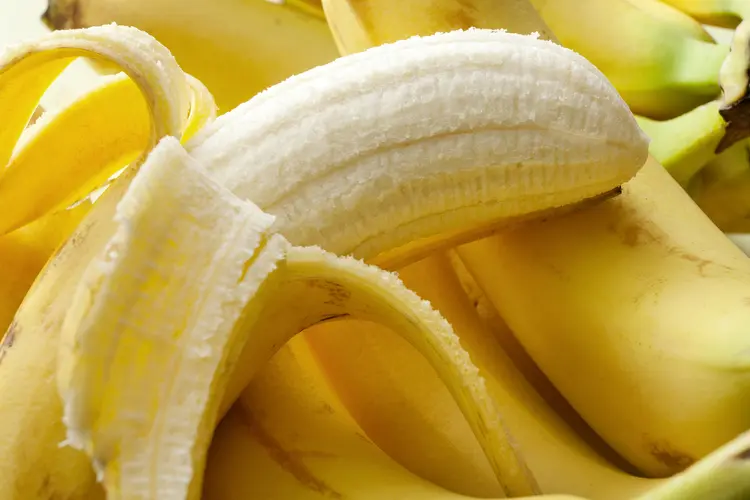
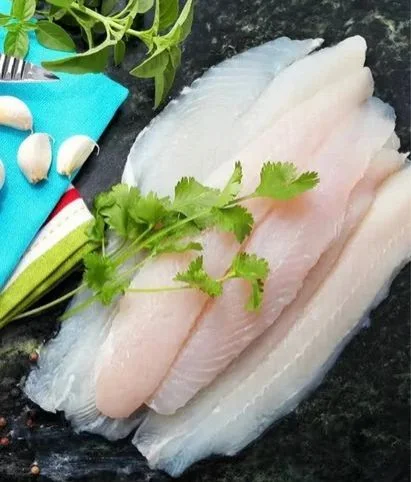
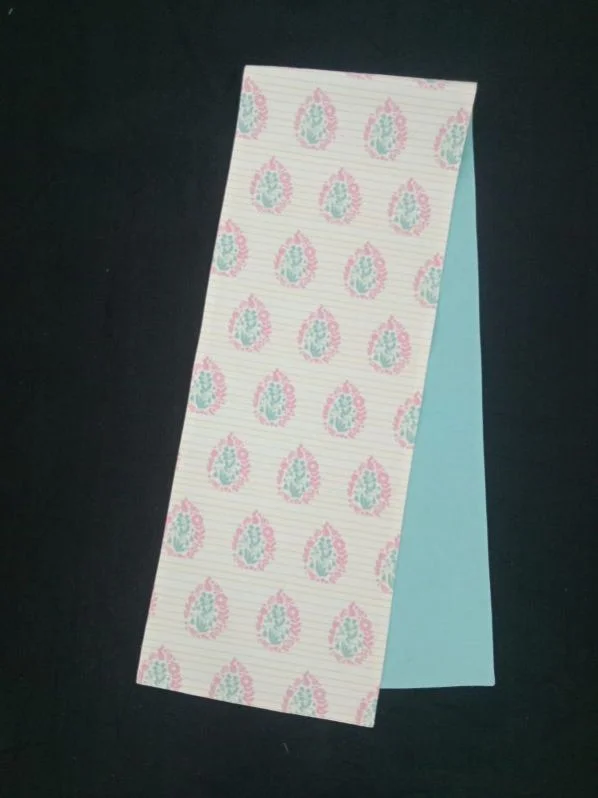
Bangladesh‑based HN Export lists 34 active products across several categories, including Agriculture, Other Fresh Vegetables, Jeans & Denim Wear, Fresh Potato, Fresh Shrimps, Fresh Carrot, Grams and Papaya. The catalogue contains items such as Men’s T‑Shirt, Jeans, Polo Shirt, Black Tiger Shrimp, Frozen Fish & Shrimp, Litchi & Lychee, Split Black Gram, Split Green Gram, Sweet Potato, Carrots, Fresh Potato, Cucumber, Green Pumpkin, Whole Mutton, Pineapples, Green Banana (HS 0803.90, Fresh Unripe Musa spp. Banana), Dry Fish (HS 0305.59, Dried Marine Fish, Species Varies), Whole Beef, Yellow Corn, Kitchen towel, Cabbage, Cauliflower and Frozen Fish.
The product list mixes apparel items with a broad set of fresh and frozen food commodities. Where HS codes are provided, they correspond to the standard customs tariff headings for fresh unripe bananas (0803.90) and dried marine fish (0305.59). The remaining items fall under typical HS chapters for fresh vegetables (07), frozen seafood (03), meat (02) and textiles (62).
Product Range and Specialties of HN Export
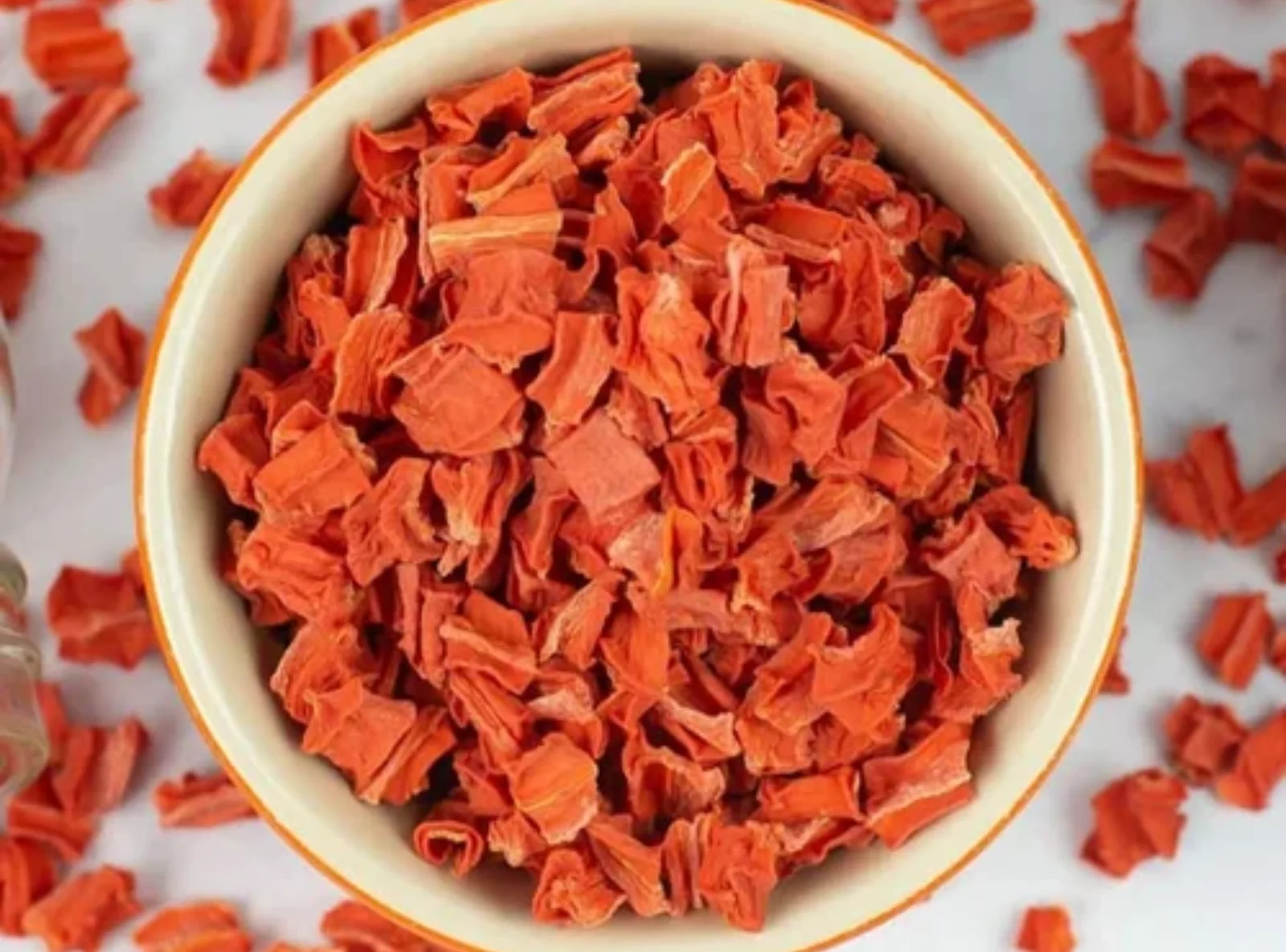
The fresh vegetable segment includes carrots, cucumber, green pumpkin, cabbage, cauliflower, sweet potato and green banana. In international trade these items are usually shipped in 20‑ft or 40‑ft refrigerated containers, with moisture content below 85 % for root crops and size grades defined by length and diameter (e.g., carrot length 150‑200 mm). Bangladesh exporters typically meet Codex maximum pesticide residue limits and provide phytosanitary certificates. Shrimp products such as Black Tiger Shrimp are offered frozen, generally at - 18 °C, with size ranges of 15‑30 g per head and peeled or unpeeled forms. Standard quality parameters include total viable count ≤ 1 × 10⁵ CFU/g and absence of harmful bacteria. Dried fish listed under HS 0305.59 is normally dried to a moisture level below 12 % and packaged in vacuum‑sealed bags suitable for long‑haul shipping.
Apparel items like Men’s T‑Shirt, Polo Shirt, Jeans and Jeans Trouser fall under HS 6203‑6205 and are typically produced from cotton or denim blends with fabric weight between 140‑180 g/m² for shirts and 260‑340 g/m² for denim trousers. While the catalogue mixes food and textile products, each category follows its own industry specifications for grading, packaging and documentation.
Trade and Export Information - HN Export
Bangladesh is a major exporter of fresh vegetables to the Middle East, South‑East Asia and the European Union, with refrigerated sea freight as the dominant logistics mode. Shrimp and other frozen seafood from Bangladesh are commonly shipped to the United States, EU and Asian markets under HS chapter 03, often requiring HACCP or BRC certification and a health certificate issued by the Bangladesh Food Authority. Dried fish under HS 0305.59 is typically destined for African and Middle‑Eastern buyers who request ISO 22000 compliance and moisture analysis reports. General export documentation includes a commercial invoice, packing list, certificate of origin, phytosanitary certificate for plant products and a sanitary certificate for meat or fish. Exporters often use 20‑ft reefers for perishable cargo and 40‑ft dry containers for dried or textile goods, with Incoterms such as FOB Chittagong or CIF Dubai being common.
Buyers importing these categories usually request third‑party lab test reports confirming pesticide residues for vegetables, bacterial counts for shrimp, and moisture content for dried fish. For textile items, buyers look for fabric composition certificates and compliance with REACH or Oeko‑Tex standards. Verification of HS codes on shipping documents helps avoid customs delays, and proper labeling of country of origin is mandatory under most trade agreements involving Bangladesh.
Sourcing from HN Export - Buyer Guidance
When sourcing fresh vegetables from HN Export, request the latest phytosanitary certificate, a lab report showing compliance with Codex pesticide limits, and a packing list indicating crate dimensions and pre‑cooling temperature. For frozen shrimp, ask for HACCP audit reports, a health certificate, and a frozen temperature log confirming storage at - 18 °C throughout the supply chain. Dried fish buyers should obtain a moisture analysis certificate and an ISO 22000 audit summary. Textile buyers need a fabric composition test, weight per square meter, and any relevant REACH or Oeko‑Tex declarations. In all cases, confirm the HS code on the commercial invoice matches the product description to ensure smooth customs clearance.
Before placing a large order, request a sample shipment that includes the same packaging type (e.g., vacuum‑sealed bag for dried fish or insulated crate for vegetables) to verify quality parameters such as size, moisture and bacterial count. Verify that the supplier can meet the required lead time - typically 30‑45 days for refrigerated vegetables and 25‑35 days for frozen seafood - based on production schedules and shipping slot availability.
Frequently Asked Questions About HN Export
What HS codes are used for the fresh banana and dried fish products listed by HN Export?
The fresh unripe banana is classified under HS 0803.90, while the dried marine fish falls under HS 0305.59. These codes correspond to the standard customs tariff headings for those product types.
Which certifications should a buyer request for the Black Tiger Shrimp supplied by HN Export?
Buyers should request HACCP audit reports, a health certificate from the Bangladesh Food Authority, and any applicable BRC or ISO 22000 compliance documents to confirm food safety standards.
How are the fresh vegetables such as carrots and cucumbers typically packaged for export?
They are usually packed in insulated wooden crates or polystyrene boxes with ventilation holes, pre‑cooled to 0‑2 °C, and loaded into refrigerated containers (reefers) maintained at 2‑4 °C during transit.
What quality parameters are commonly checked for dried fish under HS 0305.59?
Key parameters include moisture content below 12 %, total ash content, and absence of microbial contamination (e.g., total viable count ≤ 1 × 10⁴ CFU/g). Lab certificates for these tests are standard.
Are there specific import requirements for the textile items like Jeans and T‑Shirts?
Importers typically require a fabric composition certificate, weight per square metre (e.g., 140‑180 g/m² for shirts, 260‑340 g/m² for denim), and compliance statements for REACH or Oeko‑Tex standards.
What is the usual lead time for ordering frozen shrimp from HN Export?
Lead times generally range from 25 to 35 days, covering processing, freezing at - 18 °C, packaging and arranging refrigerated container space for shipment.
Can HN Export provide phytosanitary certificates for its fresh vegetable exports?
Yes, phytosanitary certificates are issued by the Bangladesh National Plant Protection Organization and can be requested for each shipment of fresh vegetables.
What packaging formats are used for the split gram pulses listed in the catalogue?
Split Black Gram and Split Green Gram are typically packed in multi‑layer jute bags or polypropylene bulk bags, each containing 25 kg, with moisture content not exceeding 12 %.




 , Bangladesh