Henan Allrich Chemical Co., Ltd — Supplier
About Henan Allrich Chemical Co., Ltd - SHMP, STPP Supplier in China
China is the origin country for Henan Allrich Chemical Co., Ltd, which currently lists five active products. The catalogue includes sodium tripolyphosphate (STPP), dibasic ester (DBE) used as paint thinner, titanium dioxide (TiO2), zinc oxide, and caustic soda. The caustic soda entry specifies an HS code of 2815.11 and a material description of Sodium Hydroxide (NaOH) with a minimum purity of 99 %. The top categories reported are SHMP, STPP, Paint Thinner, Zinc Oxide, and Caustic Soda. Each product aligns with standard HS code families for inorganic chemicals and pigments.
The STPP entry falls under the broader HS chapter 28 for inorganic chemicals, while TiO2 and zinc oxide are classified under HS 2825 and 2815 respectively. The supplier’s imported tier and harbor trust tier indicate that the company operates through established import channels. No additional certifications are listed, so buyers typically verify compliance with ISO 9001, REACH, and local safety standards. Shipment is commonly arranged in 25 kg industrial drums or bulk containers for larger volumes. The product mix reflects common chemical inputs for detergents, coatings, and industrial processes.
Product Range and Specialties of Henan Allrich Chemical Co., Ltd
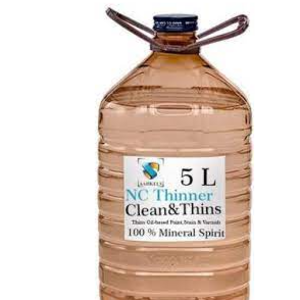
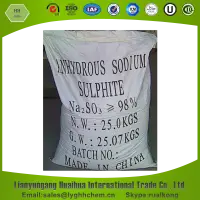
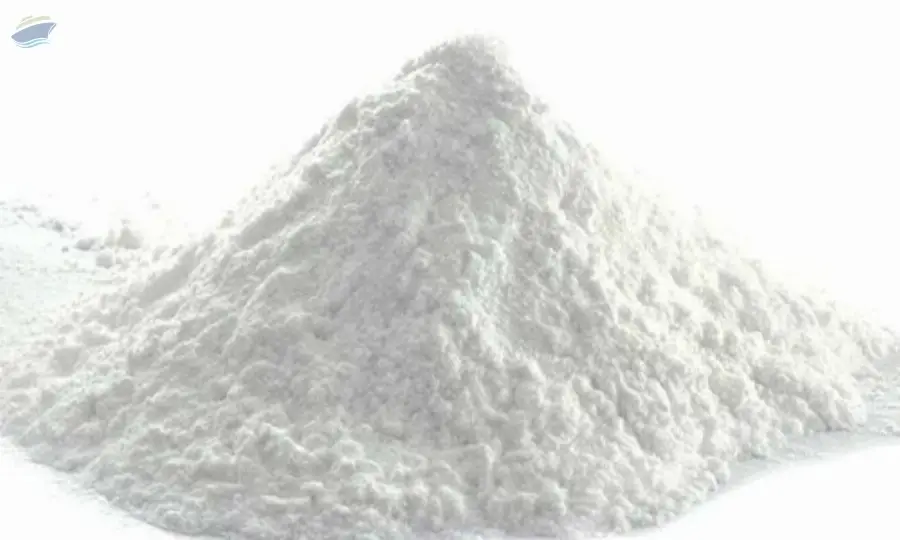
Henan Allrich Chemical’s catalogue offers sodium tripolyphosphate (STPP), a phosphorous‑based builder commonly graded to ICUMSA 45 purity for detergent applications. Dibasic ester (DBE) is listed as a paint thinner, a low‑odor solvent that typically meets VOC limits of 100 g / L for automotive coatings. Titanium dioxide (TiO2) is supplied in rutile grade with typical purity of 99.5 % and a particle size distribution of 0.2 - 0.6 µm, suitable for high‑opacity paints and plastics. Zinc oxide appears as a fine‑powder grade, usually 99 % pure with a median particle size of 0.5 µm, used in rubber vulcanisation and cosmetics. Caustic soda is presented as sodium hydroxide with a minimum of 99 % purity, a standard specification for pH adjustment and saponification.
Industry standards for these chemicals often require certificates of analysis, safety data sheets, and compliance with REACH or GADSL regulations. Buyers frequently request batch‑wise test reports for impurity levels such as heavy metals in TiO2 or chloride content in zinc oxide. Packaging options typically include 25 kg IBC bags for STPP and zinc oxide, 20 L drums for DBE, and bulk 20‑ft containers for TiO2 powder.
Trade and Export Information - Henan Allrich Chemical Co., Ltd
China is a major exporter of inorganic chemicals, and products such as STPP, TiO2, zinc oxide, and caustic soda are regularly shipped to Southeast Asia, Europe, and North America. The HS codes involved - 2815.11 for caustic soda, 2825.00 for TiO2, and 2815.10 for zinc oxide - fall under chapter 28, which is subject to customs inspections for hazardous material declarations and compliance with the International Maritime Dangerous Goods (IMDG) code where applicable. Typical incoterms used by Chinese chemical exporters include FOB Shanghai or CIF Busan, with freight consolidated in 20 ft or 40 ft containers depending on volume.
Buyers commonly request ISO 9001 quality management certification, REACH registration for EU markets, and local environmental compliance documents. Export logistics often involve double‑walled IBC bags for bulk chemicals, sealed drums for solvents, and moisture‑controlled containers for pigments to prevent agglomeration. Regulatory bodies such as the Chinese Ministry of Commerce and destination customs require pre‑shipment notifications and, for certain grades, testing for heavy metals or dioxin levels.
Sourcing from Henan Allrich Chemical Co., Ltd - Buyer Guidance
Prospective buyers should obtain a current Certificate of Analysis for each batch, confirming purity percentages and impurity limits that match industry specifications (e.g., TiO2 ≥ 99.5 % purity, zinc oxide ≥ 99 %). Requesting a Material Safety Data Sheet (MSDS) is essential for handling caustic soda and DBE, as both are classified as hazardous substances. Verification of REACH registration or equivalent regional compliance is advisable before finalising orders for EU or US destinations.
Inspect packaging details - 25 kg IBC bags for powders, sealed drums for solvents, and bulk container load plans - to ensure product integrity during transit. Lead times for these chemicals typically range from 15 to 30 days after order confirmation, with minimum order quantities commonly set at one 20 ft container for bulk grades or 5 tons for specialty pigments. Confirming test methods (e.g., ICP‑MS for metal content, particle size analysis for TiO2) helps align supplier data with buyer quality control procedures.
Frequently Asked Questions About Henan Allrich Chemical Co., Ltd
What product grades does the supplier offer for TiO2?
The catalogue lists titanium dioxide without a specific grade. Industry practice expects rutile grade with ≥ 99.5 % purity and a particle size of 0.2 - 0.6 µm; buyers should request the exact grade in the quotation.
Which HS code applies to the caustic soda product?
The catalogue assigns HS code 2815.11 to caustic soda, placing it under chapter 28 for inorganic chemicals. This code is used by customs for tariff and safety classification.
What documentation should be requested before purchasing STPP?
Buyers should ask for a Certificate of Analysis, a Material Safety Data Sheet, and proof of REACH or equivalent regulatory compliance for sodium tripolyphosphate. These documents verify purity and legal market eligibility.
How is DBE typically packaged for export?
Dibasic ester, used as a paint thinner, is commonly shipped in sealed 20 L steel drums or bulk IBC containers with vapor‑tight closures. The packaging meets hazardous‑material transport regulations and protects product quality.
Are there typical minimum order quantities for zinc oxide?
In the chemical trade, zinc oxide is often sold with a minimum order of one 20 ft container (approximately 15 tons) or a batch of 5 tons for specialty applications. Smaller quantities may be arranged only with special packaging.
Which markets commonly import these chemicals from China?
Major import markets include the European Union, United States, Japan, South Korea, and Southeast Asian countries such as Vietnam and Thailand. These regions import detergents builders, pigments, and industrial solvents from Chinese producers.
What certifications are commonly required for these chemical products?
Buyers usually require ISO 9001 quality management certification, REACH registration for EU shipments, and any relevant local environmental or safety certifications. Since the supplier does not list specific certifications, buyers should verify these documents before contracting.




 , China