Agriculture›
 Apparel and fashion accessories›
 Construction & real estate›💡Electronic & Electrical›🍎Food & Beverages›🛋️Home furnishing & supplies›⚗️Industrial goods & chemical›🪨Minerals & metals›📦Miscellaneous›Agriculture›Apparel and fashion accessories›Construction & real estate›💡Electronic & Electrical›🍎Food & Beverages›🛋️Home furnishing & supplies›⚗️Industrial goods & chemical›🪨Minerals & metals›📦Miscellaneous›
Hebei Weilang Import And Export Corporation
⚓ Harbor , ChinaNew supplier / no reviews yet
Hebei Weilang Import And Export Corporation Product Catalog
About Hebei Weilang Import And Export Corporation - Iron Oxide Supplier in China
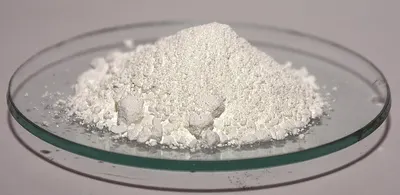
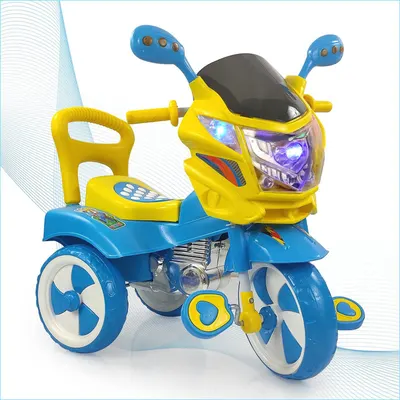
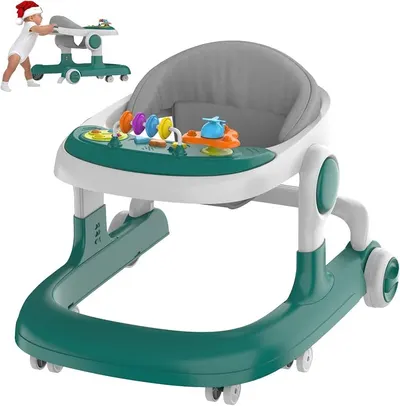
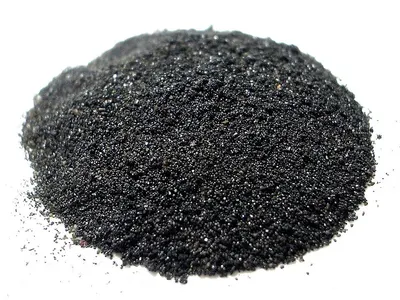
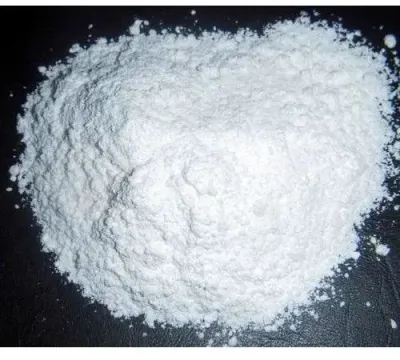
Hebei, China is the base of Hebei Weilang Import And Export Corporation. The company currently lists eight active products in its catalogue. Its portfolio includes inorganic pigments such as iron oxide, titanium dioxide, lithopone and zinc oxide, as well as calcium chloride and activated carbon. In addition, the catalogue features two child‑care items - a children’s bike and a baby walker - the latter recorded with HS code 8715.00 and made from HDPE plastic and a steel frame. All products are grouped under the HS chapters for inorganic chemicals, carbon products and vehicles.
Iron oxide, titanium dioxide, lithopone and zinc oxide fall under HS chapter 28, which covers inorganic chemical products. Calcium chloride is classified under HS 2836, while activated carbon is listed under HS 3802 for activated carbon products. The baby walker is placed in HS chapter 87, specifically 8715.00 for other vehicles. These classifications reflect the typical customs treatment for pigments, bulk chemicals and plastic‑metal toys exported from China. The eight‑product count provides a concise yet diverse offering for buyers seeking raw material grades or finished child‑care items.
Product Range and Specialties of Hebei Weilang Import And Export Corporation
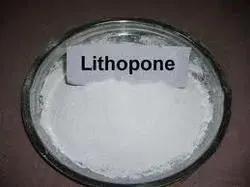
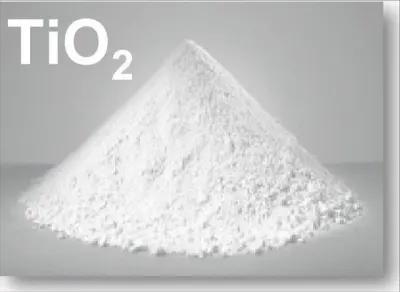
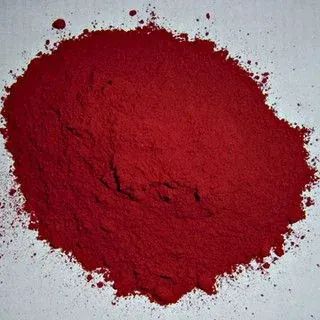
The catalogue presents iron oxide, titanium dioxide, lithopone and zinc oxide as pigment powders commonly used in paints, coatings and plastics. Calcium chloride appears as a bulk chemical suitable for de‑icing, dust control and textile processing. Activated carbon is listed as a high‑surface‑area adsorbent for water treatment and air purification. The children’s bike and baby walker represent finished plastic‑metal toys, with the walker identified as HDPE plastic with a steel frame. Each pigment and chemical is typically shipped in 25 kg bags or 20‑ft containers, while the toy items are packed in cartons.
In the pigment market, iron oxide grades are usually supplied with purity levels of 95 % - 99 % and particle sizes between 1 µm and 10 µm, meeting ISO 13011 specifications. Titanium dioxide is offered mainly in rutile grade with a refractive index above 2.70 and a moisture content below 0.05 %. Lithopone, a mixture of barium sulfate and zinc sulfide, typically contains 50 % - 70 % zinc sulfide and complies with ASTM D‑4057 for opacity. Zinc oxide grades for rubber and cosmetics often reach 99.5 % purity and have a specific surface area of 15 - 30 m²/g. Calcium chloride for industrial use is usually 96 % - 98 % pure and shipped in bulk bags, while activated carbon grades exceed 800 m²/g surface area and are tested to ASTM D‑3800.
Frequently Asked Questions About Hebei Weilang Import And Export Corporation
What pigment products does Hebei Weilang offer and what are their typical specifications?
The supplier lists iron oxide, titanium dioxide, lithopone and zinc oxide as powder pigments. Typical specifications include 95 % - 99 % purity for iron oxide, rutile grade TiO₂ with a refractive index above 2.70, lithopone containing 50 % - 70 % zinc sulfide, and zinc oxide purity around 99.5 % with a particle size of 0.2 - 0.5 µm.
Which certifications should a buyer request for the inorganic pigments?
Buyers should request REACH registration documentation and a copy of the supplier’s ISO 9001 quality management certificate. Additional test reports referencing ISO 13011 (pigment grading) or ASTM standards are commonly required.
What are the standard packaging and container sizes for calcium chloride and activated carbon?
Calcium chloride is usually packed in 25 kg polyethylene bulk bags or 1‑ton bulk bags for larger shipments. Activated carbon is shipped in 1‑ton bulk bags or 200 L drums, and both products are commonly loaded into 20‑ft or 40‑ft containers.
How can I obtain safety documentation for the baby walker?
Request the CE conformity certificate, the EN 71 safety test report and a product safety declaration. The supplier should also provide the material safety data sheet (MSDS) for the HDPE components.
What are the typical minimum order quantities and lead times for the pigment powders?
Minimum order quantities are generally 20 metric tonnes per shipment for each pigment. Lead time from order confirmation to shipment is typically 30‑45 days, depending on production scheduling and container availability.
ChinaRelated Suppliers & Products
Explore similar suppliers, related products and trending categories