Healthy Foods Egypt — Verified Supplier
About Healthy Foods Egypt - Dehydrated Vegetables Supplier in Egypt
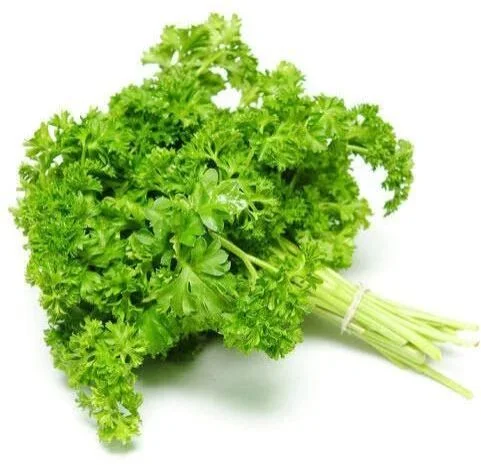
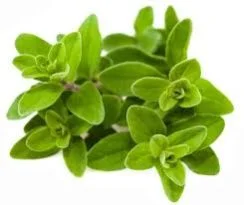
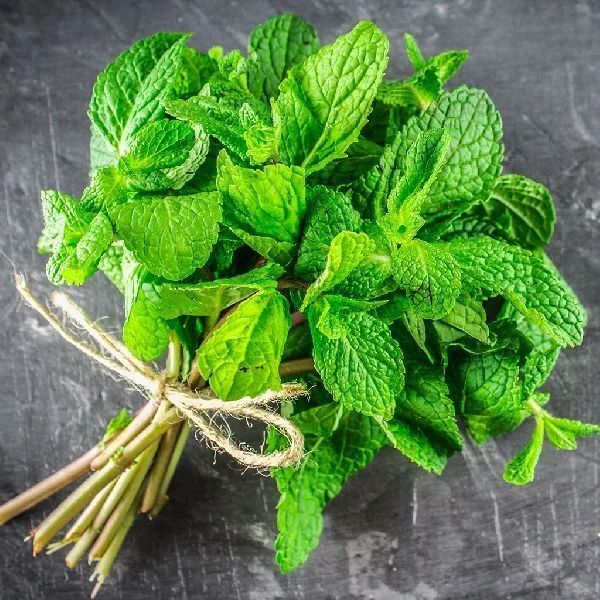
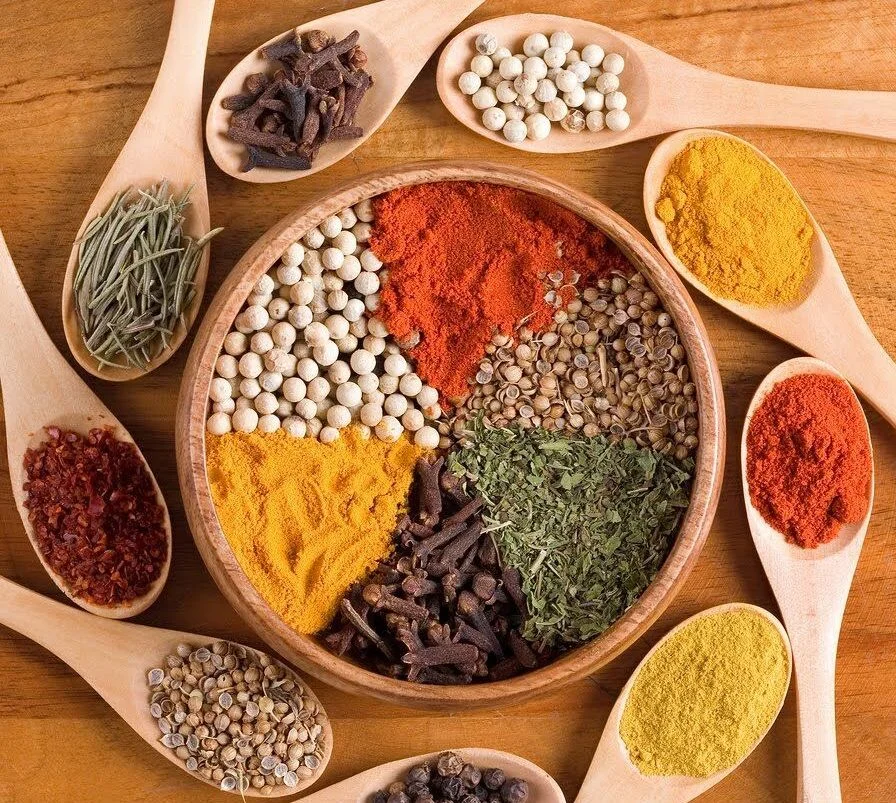
Healthy Foods Egypt, located in Egypt, offers a diverse range of 18 products, primarily focusing on Dehydrated Vegetables, Agriculture, and Spices. Their product catalogue includes various forms of dehydrated onions, garlic, and other herbs like coriander leaves, peppermint, and spearmint. Exporters of dehydrated vegetables typically ship their goods to regions with high demand for processed foods, such as Europe and North America. Egypt, being a significant producer of agricultural products, has a well-established export infrastructure for these goods.
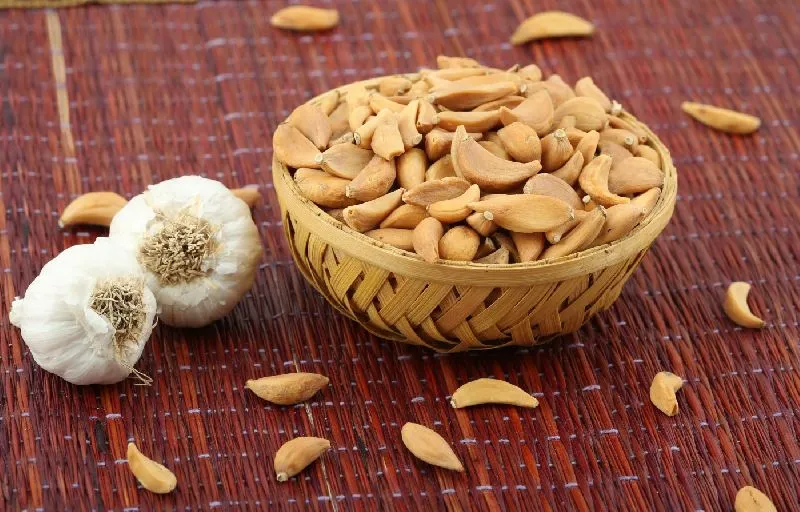
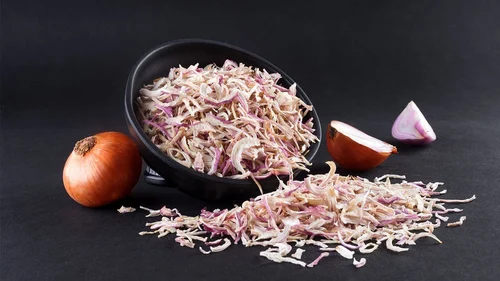
The company's product range includes Dehydrated White Onion Granules, Dehydrated Garlic Granules, and Dehydrated Garlic Powder, among others. Buyers of dehydrated vegetables usually require specifications such as moisture content, particle size, and microbiological parameters to ensure the quality of the products. Healthy Foods Egypt's products are likely to be shipped in packaging that protects them from moisture and other environmental factors, with common packaging materials including polypropylene bags or cardboard boxes.
Product Range and Specialties of Healthy Foods Egypt
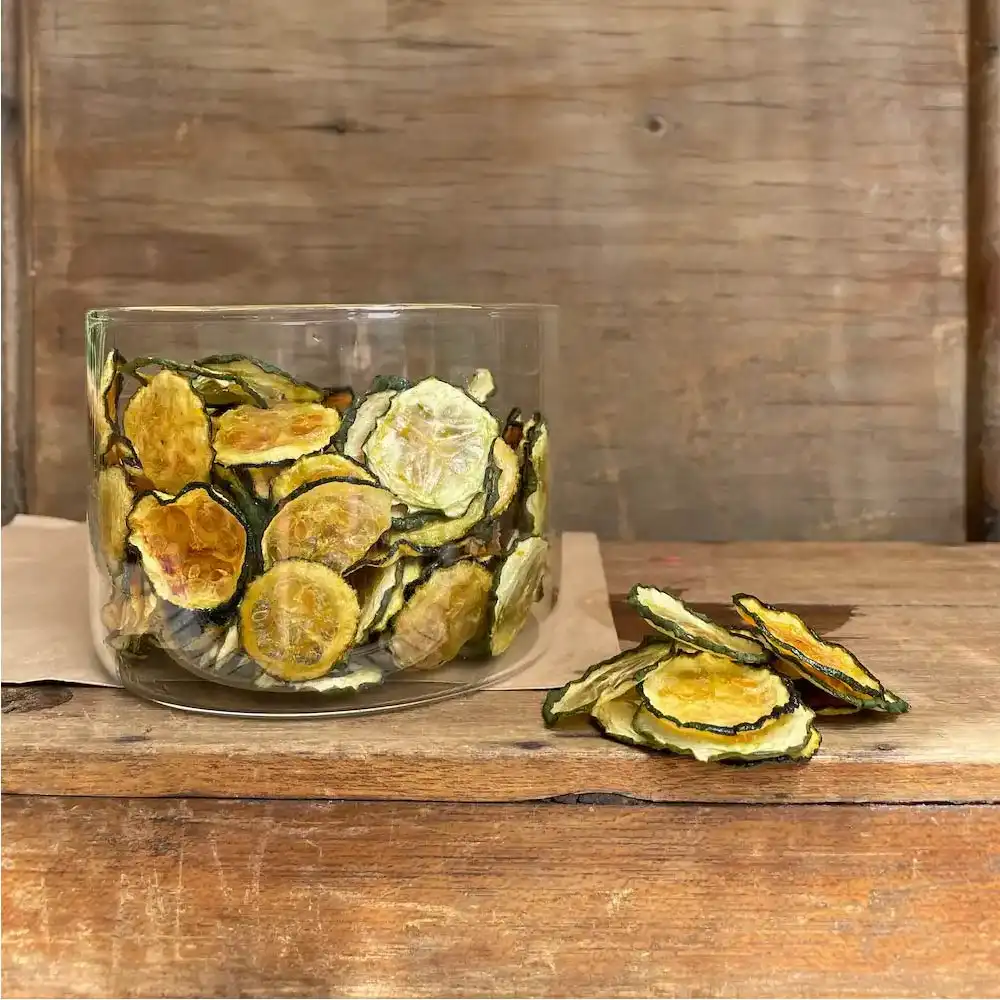
Healthy Foods Egypt's catalogue encompasses a variety of dehydrated vegetable products, including different forms of onions and garlic. Buyers of these products typically look for specific quality grades, such as ICUMSA 45 for sugar, but for dehydrated vegetables, parameters like moisture content (typically below 5%) and particle size are crucial. The common materials used for these products are dehydrated plant materials, and variants may include organic or conventional farming methods. For instance, dehydrated white onion granules are often used in food processing, while dehydrated garlic powder is used in both food and pharmaceutical applications.
Trade and Export Information - Healthy Foods Egypt
Exporters of dehydrated vegetables from Egypt, like Healthy Foods Egypt, often ship their goods to European and North American markets, where there is a high demand for processed and packaged foods. The HS code families involved in the export of these products typically fall under Chapter 7 (Edible vegetables and certain roots and tubers) or Chapter 9 (Coffee, tea, mate and spices) of the Harmonized System. Certifications such as ISO 22000 for food safety management systems are commonly required for these goods. In terms of logistics, shipments are usually made in 20 ft or 40 ft containers, with packaging designed to protect the products from moisture and other environmental factors. Incoterms like CIF or FOB are commonly used in these transactions.
Sourcing from Healthy Foods Egypt - Buyer Guidance
When sourcing from Healthy Foods Egypt, buyers should request specifications such as moisture content, particle size, and microbiological parameters to ensure the quality of the dehydrated vegetable products. It is also advisable to request test reports and certificates of origin to verify the authenticity and quality of the goods. Buyers should verify the packaging and shipping arrangements to ensure that the products are adequately protected during transit. Requesting samples before placing a large order can also help in verifying the product quality and suitability for the intended use.
Frequently Asked Questions About Healthy Foods Egypt
What types of dehydrated vegetable products does Healthy Foods Egypt offer?
Healthy Foods Egypt offers a range of dehydrated vegetable products, including dehydrated white onion granules, dehydrated garlic granules, and dehydrated garlic powder, among others. These products are made from dehydrated plant materials and are available in various forms and packaging.
What are the typical quality parameters for dehydrated vegetables?
Typical quality parameters for dehydrated vegetables include moisture content, particle size, and microbiological parameters. Buyers should request specifications and test reports to ensure the quality of the products.
How are dehydrated vegetable products typically packaged and shipped?
Dehydrated vegetable products are typically packaged in polypropylene bags or cardboard boxes to protect them from moisture and other environmental factors. Shipments are usually made in 20 ft or 40 ft containers, with Incoterms like CIF or FOB commonly used in these transactions.
What certifications are commonly required for dehydrated vegetable products?
Certifications such as ISO 22000 for food safety management systems are commonly required for dehydrated vegetable products. Buyers should request certificates of origin and test reports to verify the authenticity and quality of the goods.
Can I request a sample of the product before placing an order?
Yes, it is advisable to request a sample of the product before placing a large order to verify the product quality and suitability for the intended use. This can help in avoiding any potential issues with the product.
What is the minimum order quantity (MOQ) for dehydrated vegetable products?
The MOQ for dehydrated vegetable products can vary depending on the supplier and the specific product. Buyers should confirm the MOQ with the supplier before placing an order.
What is the typical lead time for dehydrated vegetable products?
The typical lead time for dehydrated vegetable products can range from a few days to several weeks, depending on the supplier, the product, and the destination. Buyers should confirm the lead time with the supplier before placing an order.
How can I verify the quality of the dehydrated vegetable products?
Buyers can verify the quality of the dehydrated vegetable products by requesting test reports, certificates of origin, and specifications from the supplier. It is also advisable to inspect the products upon arrival to ensure they meet the required quality standards.




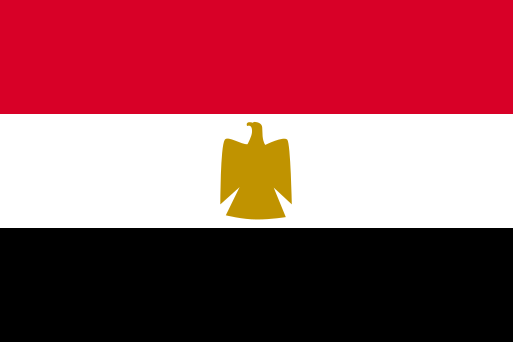 , Egypt