Agriculture›
 Apparel and fashion accessories›
 Construction & real estate›💡Electronic & Electrical›🍎Food & Beverages›🛋️Home furnishing & supplies›⚗️Industrial goods & chemical›🪨Minerals & metals›📦Miscellaneous›Agriculture›Apparel and fashion accessories›Construction & real estate›💡Electronic & Electrical›🍎Food & Beverages›🛋️Home furnishing & supplies›⚗️Industrial goods & chemical›🪨Minerals & metals›📦Miscellaneous›
Hangzhou Sanke Textile Co., Ltd.
⚓ Harbor , ChinaNew supplier / no reviews yet
Hangzhou Sanke Textile Co., Ltd. Product Catalog
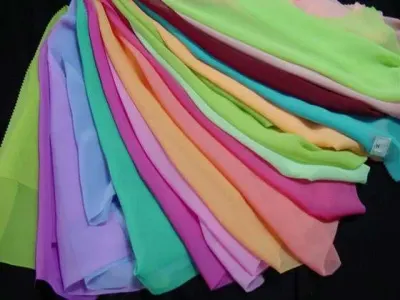
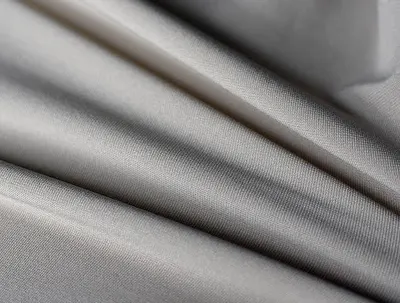
About Hangzhou Sanke Textile Co., Ltd. - Blended Fabric Supplier in China
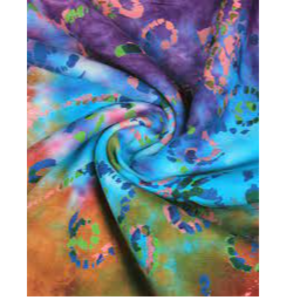
China is the base country for Hangzhou Sanke Textile Co., Ltd., which currently lists five active textile products in its catalogue. The company is classified as an imported supplier with a harbor trust tier, indicating it operates through standard import channels. Its catalogue focuses on blended and synthetic fabrics, falling under the broader categories of Blended Fabric, Synthetic Fabric, and Other Fabric and Raw Material. Products include various polyester‑based woven fabrics that are commonly used in apparel and home‑textile applications. These fabrics are generally classified under HS Chapter 59, which covers woven and knitted textile fabrics of synthetic fibers.
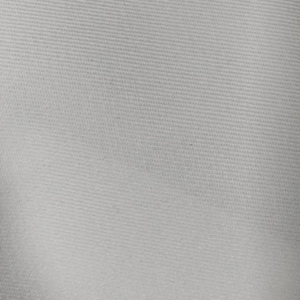
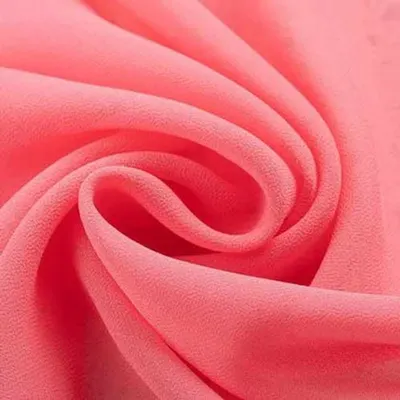
The listed items comprise Polyester viscose fabric, Polyester rayon fabric, Moss crepe fabric, Polyester spandex fabric, and Brush fabric. Polyester viscose and polyester rayon are blended fabrics that combine polyester fibers with regenerated cellulose to improve drape and moisture management. Moss crepe fabric is a textured woven material often specified by its weight range of 120‑180 g/m² and a surface finish that provides a subtle crepe effect. Polyester spandex fabric incorporates elastane, typically in a 5‑10 % blend, to deliver stretch recovery suitable for sportswear. Brush fabric is a brushed synthetic textile frequently used for loungewear, characterized by a soft pile and a typical GSM of 150‑200. All five products are suitable for bulk shipment in 20‑ft or 40‑ft containers, packed in sealed poly‑bags or cartons as per standard export practice.
Product Range and Specialties of Hangzhou Sanke Textile Co., Ltd.
The catalogue offers five distinct fabric types: polyester viscose, polyester rayon, moss crepe, polyester spandex, and brush fabric. In the industry, polyester viscose and rayon are often supplied in widths of 140‑150 cm and GSM values between 130‑170, meeting requirements such as ISO 105‑B02 for colour fastness and AATCC 61 for dimensional stability. Moss crepe is typically produced with a crepe‑twist weave, delivering a drape factor of 0.6‑0.7 and is graded for applications ranging from dresses to lightweight jackets. Polyester‑spandex blends normally contain 5‑10 % elastane, with stretch recovery above 80 % and a tensile strength of 30‑45 MPa, complying with ASTM D5034 for stretch. Brush fabric is usually finished with a brushed surface, achieving a pile height of 0.3‑0.5 mm and a post‑wash shrinkage below 2 %. Buyers often request compliance with Oeko‑Tex Standard 100 and ISO 9001 for these fabric categories.
Frequently Asked Questions About Hangzhou Sanke Textile Co., Ltd.
What fabric types does Hangzhou Sanke Textile Co., Ltd. list in its catalogue?
The catalogue lists Polyester viscose fabric, Polyester rayon fabric, Moss crepe fabric, Polyester spandex fabric, and Brush fabric, all classified under blended or synthetic fabric categories.
Are there standard specifications for the polyester viscose and rayon fabrics?
Industry standards for these fabrics usually specify widths of 140‑150 cm, GSM between 130‑170, colour‑fastness to light and washing (AATCC 61), and compliance with Oeko‑Tex Standard 100.
What is the typical blend ratio for the polyester spandex fabric?
Polyester spandex fabrics are commonly produced with 5‑10 % elastane (spandex) blended with polyester, delivering stretch recovery above 80 % and tensile strength of 30‑45 MPa.
Which HS codes apply to the fabrics offered by this supplier?
The fabrics fall under HS Chapter 59, specifically code 5903 for woven synthetic fabrics and code 5906 for knitted synthetic fabrics, depending on the weave structure.
What certifications should a buyer request for these fabrics?
Buyers should request Oeko‑Tex Standard 100 for harmful substance testing, ISO 9001 for quality management, and confirm REACH compliance for chemical safety where required.
ChinaRelated Suppliers & Products
Explore similar suppliers, related products and trending categories