Hangzhou Reliance Machinery Co., Ltd. — Verified Supplier
About Hangzhou Reliance Machinery Co., Ltd. - Light & Medium Machinery Supplier in China
Hangzhou, located in Zhejiang province of China, hosts Hangzhou Reliance Machinery Co., Ltd., which currently lists six active products in its catalogue. The company classifies its offerings under Light & Medium Machinery, Panels, Roofing & Ceiling, and Agriculture, reflecting a focus on metal forming equipment for construction components. Its catalogue includes various roll‑forming machines and a line of PU sandwich panels. The product set targets manufacturers of steel step tiles, roof and wall panels, and related building‑material producers. The supplier is identified with a harbor trust tier, indicating a moderate level of verification in trade platforms.
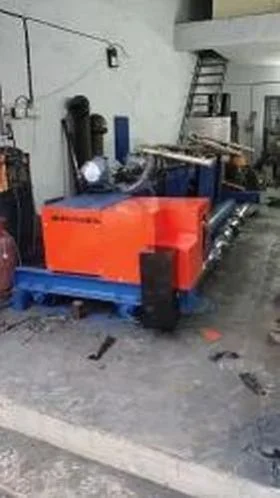
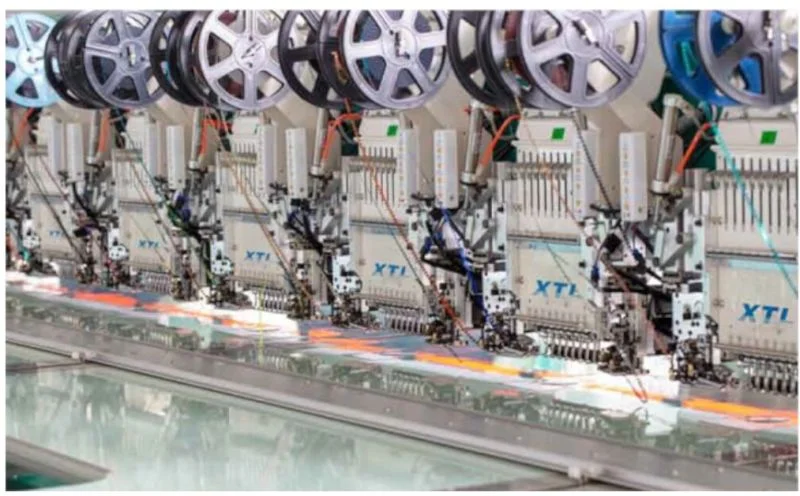
The six listed items comprise PU Sandwich Panels and five types of roll‑forming machines: one for steel step tiles, one for double roof panels, a wall‑panel metal roll‑forming line, a metal roofing‑tile roll former, and a metal tile roll former. Each machine is described as a metal roll‑forming system, a common technology used to produce thin‑walled steel sheets for roofing, cladding, and flooring applications. The catalogue does not provide detailed technical specifications, but the product names indicate capability to shape steel into stepped or flat panel profiles. Buyers can therefore expect equipment suitable for medium‑scale production lines in the construction and agricultural sectors.
Product Range and Specialties of Hangzhou Reliance Machinery Co., Ltd.
The catalogue’s roll‑forming machines are designed for continuous shaping of steel sheets into step tiles, roof panels, wall panels and metal tiles. Typical roll‑forming equipment in this segment operates with a forming width of 800‑1500 mm, a maximum thickness of 2‑3 mm, and motor power ranging from 15 kW to 75 kW, delivering output speeds of 10‑30 m/min. Standard configurations include CNC control, automatic sheet feeding, and interchangeable roll sets for different panel profiles.
In the broader industry, PU sandwich panels are commonly produced with core densities of 30‑80 kg/m³ and façade thicknesses from 30 mm to 100 mm, meeting fire‑rating standards such as EN 13501‑1. Buyers often request certification to ISO 9001 for the manufacturing process and CE marking for EU market compliance. The roll‑forming machines usually adhere to ISO 12100 safety standards and may be equipped with optional dust extraction systems to meet occupational health regulations.
Trade and Export Information - Hangzhou Reliance Machinery Co., Ltd.
Machinery for roll‑forming steel roofing and panel products falls under HS chapter 84 (machinery) and HS chapter 73 (metal structures). Exporters from China typically ship these units in 40‑foot containers, with a gross weight of 8‑12 tonnes per container, using FOB or CIF terms to destinations in Southeast Asia, the Middle East, Africa and parts of Europe.
Importers commonly require CE conformity, ISO 9001 quality‑management certificates, and test reports demonstrating load‑bearing capacity and dimensional accuracy of the produced panels. Customs authorities may request a pre‑shipment inspection (PSI) report aligned with the China Inspection and Quarantine (CIQ) standards. Logistic considerations include crating the machines on wooden pallets, securing moving parts, and providing installation manuals in English or the buyer’s language.
Sourcing from Hangzhou Reliance Machinery Co., Ltd. - Buyer Guidance
Prospective buyers should request detailed technical data sheets that list forming width, sheet thickness range, motor power, production speed, and optional CNC features. Verification of safety compliance (ISO 12100) and quality‑management certification (ISO 9001) is advisable before confirming an order.
Samples of PU sandwich panels can be requested to assess core density, fire‑rating and surface finish. For the roll‑forming machines, buyers often ask for a factory‑visit video, a recent PSI report, and a warranty statement covering at least one year of parts and labor. Clarifying the required lead time, which typically ranges from 30 to 60 days after order confirmation, helps align production schedules.
Frequently Asked Questions About Hangzhou Reliance Machinery Co., Ltd.
What product categories does Hangzhou Reliance Machinery list?
The supplier lists six products, including PU Sandwich Panels and five roll‑forming machines for steel step tiles, double roof panels, wall panels, metal roofing tiles and metal tiles.
Which HS chapters are relevant for these products?
The roll‑forming equipment is classified under HS chapter 84 (machinery) and the metal panels under HS chapter 73 (metal structures). No specific HS codes are provided in the catalogue.
What typical specifications should a buyer verify for the roll‑forming machines?
Buyers should verify forming width (800‑1500 mm), sheet thickness capability (up to 2‑3 mm), motor power (15‑75 kW), production speed (10‑30 m/min) and the presence of CNC control or automatic feeding.
Which certifications are commonly required for this type of machinery?
Importers usually request ISO 9001 quality‑management certification, CE marking for EU markets, and compliance with ISO 12100 safety standards. Buyers may also ask for a recent pre‑shipment inspection report.
What are the typical packaging and shipping arrangements?
Machines are normally packed in reinforced wooden crates, loaded onto 40‑foot containers with a total weight of 8‑12 tonnes, and shipped under FOB or CIF terms to regions such as Southeast Asia, the Middle East, Africa and Europe.
How can a buyer obtain samples of the PU sandwich panels?
The supplier can provide panel samples in standard thicknesses (30‑100 mm) and core densities (30‑80 kg/m³); buyers should request a sample kit and verify fire‑rating compliance (e.g., EN 13501‑1).
What is the usual lead time and minimum order quantity?
Lead time after order confirmation is typically 30‑60 days, and the supplier’s minimum order quantity aligns with one unit of each roll‑forming machine or a container load of panels, depending on the product.




 , China