Agriculture›
 Apparel and fashion accessories›
 Construction & real estate›💡Electronic & Electrical›🍎Food & Beverages›🛋️Home furnishing & supplies›⚗️Industrial goods & chemical›🪨Minerals & metals›📦Miscellaneous›Agriculture›Apparel and fashion accessories›Construction & real estate›💡Electronic & Electrical›🍎Food & Beverages›🛋️Home furnishing & supplies›⚗️Industrial goods & chemical›🪨Minerals & metals›📦Miscellaneous›
Hangzhou Ray Concrete Admixture Inc.
⚓ Harbor , ChinaNew supplier / no reviews yet
Hangzhou Ray Concrete Admixture Inc. Product Catalog
About Hangzhou Ray Concrete Admixture Inc. - Construction & Waterproofing Chemicals Supplier in China
Hangzhou Ray Concrete Admixture Inc. is located in Hangzhou, China and currently lists five active products in its catalogue. The company is classified as an imported supplier with a harbor trust tier. Its catalogue focuses on construction and waterproofing chemicals as well as industrial chemical additives. The product list includes sodium lignosulphonate, polycarboxylate superplasticizer, cement grinding aids, asphalt antistripping agent, and sodium gluconate. Each item is positioned for use in concrete, cement, and asphalt formulations.
Among the five items, sodium gluconate is recorded under HS code 2918.16 and is identified as the sodium salt of D‑gluconic acid (NaC6H11O7). The remaining four products fall under the broader chemical admixture segment and are commonly classified within HS chapter 38 for organic chemicals. The supplier’s top categories also reference concrete mixer and pump equipment, indicating a broader focus on concrete technology. This factual overview reflects the concrete admixture niche that the company serves.
Product Range and Specialties of Hangzhou Ray Concrete Admixture Inc.
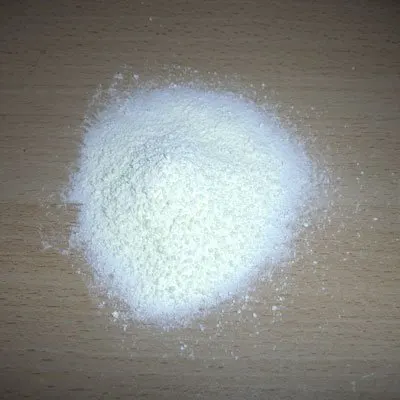
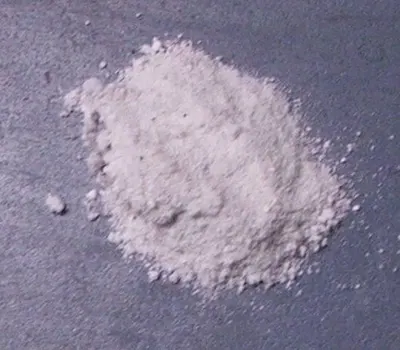
The catalogue offers sodium lignosulphonate, a lignin‑based dispersant typically supplied with 85‑90 % purity and a moisture content below 5 %. Polycarboxylate superplasticizer is provided as a high‑range water reducer, usually achieving a water‑reduction efficiency of 20‑30 % at dosages of 0.2‑0.5 % by cement weight. Cement grinding aids are presented as organic compounds that improve mill efficiency, often characterized by a flash point above 150 °C and a particle size below 10 µm. Asphalt antistripping agents are formulated to enhance binder adhesion, commonly delivering a minimum adhesion strength of 0.7 MPa. Sodium gluconate is supplied as a crystalline powder with purity ≥99 % and is used as a set retarder or corrosion inhibitor.
Industry practice for these admixtures includes bulk shipping in 25 kg drums or 20 ft containers, with product safety data sheets accompanying each batch. Standard specifications such as ISO 9001 quality management and compliance with REACH (for the EU) are routinely required by importers.
Frequently Asked Questions About Hangzhou Ray Concrete Admixture Inc.
What concrete admixture products does Hangzhou Ray list?
The supplier lists five products: sodium lignosulphonate, polycarboxylate superplasticizer, cement grinding aids, asphalt antistripping agent, and sodium gluconate. Each product is targeted for use in concrete, cement or asphalt applications.
Which HS code applies to the sodium gluconate offered?
Sodium gluconate is classified under HS code 2918.16, covering sodium salts of organic acids. This code is used for customs declaration and trade reporting.
What purity levels are typical for the sodium gluconate supplied?
Industry specifications for sodium gluconate used as a set retarder generally require a purity of 99 % or higher. Moisture content is typically limited to less than 1 % to ensure consistent performance.
What certifications should a buyer verify before importing these admixtures?
Buyers should verify ISO 9001 quality‑management certification and REACH registration for EU market compliance. Where European distribution is planned, CE marking may also be required.
What documentation is recommended to request with an order?
Standard documentation includes a Material Safety Data Sheet (MSDS) and a Certificate of Analysis (CoA) for each batch. Performance test reports, such as water‑reduction efficiency for superplasticizer, should also be requested.
ChinaRelated Suppliers & Products
Explore similar suppliers, related products and trending categories




.jpg.png)