Halogens — Verified Supplier
About Halogens - Chemicals & Allied Products Supplier in Turkey
Halogens, located in Turkey, offers a range of 5 products, primarily focusing on Chemicals & Allied Products. Their product catalogue includes Magnesium chloride hexahydrate BP, Calcium chloride dihydrate BP, Sodium acetate trihydrate, Sodium bicarbonate, and Di sodium hydrogen phosphate dihydrate BP. With a strong presence in the Turkish chemical industry, Halogens is well-positioned to serve buyers in various regions. The company's active product count and diverse range of chemicals make it a notable player in the market.
The chemicals listed by Halogens fall under the HS code families 2835, 2836, and 2915, which are commonly used in the chemical industry. Buyers can expect to find a range of applications for these products, from pharmaceuticals to food processing. Halogens' location in Turkey provides a strategic advantage, given the country's proximity to key markets in Europe, the Middle East, and North Africa.
Product Range and Specialties of Halogens
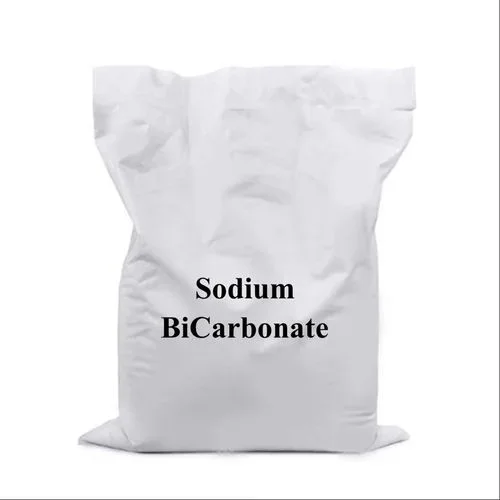
Halogens' product range includes a variety of chemicals, such as Sodium acetate trihydrate, which is typically used in food and pharmaceutical applications, and Di sodium hydrogen phosphate dihydrate BP, which is commonly used in the production of detergents and cleaning products. Buyers can expect to find products that meet the BP (British Pharmacopoeia) grade, which is a standard for pharmaceutical products. The company's catalogue also includes Sodium bicarbonate, which is used in a range of applications, from food and beverages to pharmaceuticals and cosmetics.
In the chemical industry, buyers typically look for products that meet specific standards and grades, such as the BP grade or the USP (United States Pharmacopeia) grade. For example, Sodium acetate trihydrate is typically required to meet the standards of the European Food Safety Authority (EFSA) or the US FDA (Food and Drug Administration).
Trade and Export Information - Halogens
Exporters of chemicals, like Halogens, typically need to comply with regulations and standards set by the importing countries. For example, the EU's REACH (Registration, Evaluation, Authorization, and Restriction of Chemicals) regulation requires exporters to register their substances before they can be imported into the EU. Similarly, the US FDA requires exporters to comply with the Federal Food, Drug, and Cosmetic Act (FD&C Act) and the Toxic Substances Control Act (TSCA).
The HS code families 2835, 2836, and 2915, which are relevant to Halogens' products, are subject to various regulations and standards, such as the EU's Customs Tariff and the US Harmonized Tariff Schedule. Buyers can expect to find that Halogens' products are packaged and shipped in accordance with these regulations, using Incoterms such as CIF (Cost, Insurance, and Freight) or FOB (Free on Board).
Sourcing from Halogens - Buyer Guidance
When sourcing from Halogens, buyers should request specifications, samples, and test reports to verify the quality of the products. For example, buyers may request a Certificate of Analysis (CoA) or a Certificate of Conformity (CoC) to ensure that the products meet the required standards. Additionally, buyers should verify the packaging and labeling of the products to ensure compliance with regulations and standards.
Buyers should also be aware of the typical lead times and MOQs (Minimum Order Quantities) for Halogens' products, which can vary depending on the product and the destination. For example, the lead time for Sodium acetate trihydrate may be 2-3 weeks, while the MOQ may be 100 kg. By requesting this information and verifying the products' quality, buyers can ensure a smooth and successful sourcing process.
Frequently Asked Questions About Halogens
What is the typical purity of Sodium bicarbonate?
The typical purity of Sodium bicarbonate is 99.5-100.5%, as specified in the BP grade. However, buyers should verify the purity with Halogens to ensure that it meets their specific requirements.
What is the MOQ for Di sodium hydrogen phosphate dihydrate BP?
The MOQ for Di sodium hydrogen phosphate dihydrate BP can vary depending on the destination and the packaging. Buyers should request this information from Halogens to ensure that they can meet the required quantity.
What is the typical packaging for Sodium acetate trihydrate?
The typical packaging for Sodium acetate trihydrate is 25 kg bags or 1000 kg bulk bags, depending on the buyer's requirements. However, buyers should verify the packaging with Halogens to ensure that it meets their specific needs.
What is the lead time for Magnesium chloride hexahydrate BP?
The lead time for Magnesium chloride hexahydrate BP can vary depending on the destination and the production schedule. Buyers should request this information from Halogens to ensure that they can plan their sourcing accordingly.
What certifications should buyers request for Halogens' products?
Buyers should request certifications such as the BP grade or the USP grade, as well as any relevant regulatory certifications, such as the EU's REACH registration or the US FDA compliance. Additionally, buyers may request certifications such as ISO 9001 or ISO 14001, which demonstrate Halogens' commitment to quality and environmental management.
How can buyers verify the quality of Halogens' products?
Buyers can verify the quality of Halogens' products by requesting specifications, samples, and test reports. Additionally, buyers can request a Certificate of Analysis (CoA) or a Certificate of Conformity (CoC) to ensure that the products meet the required standards. Buyers should also verify the packaging and labeling of the products to ensure compliance with regulations and standards.
What is the typical shelf life of Sodium bicarbonate?
The typical shelf life of Sodium bicarbonate is 2-3 years, depending on the storage conditions and the packaging. Buyers should verify the shelf life with Halogens to ensure that they can use the product within the required timeframe.
Can Halogens provide custom packaging for their products?
Yes, Halogens can provide custom packaging for their products, depending on the buyer's requirements. Buyers should request this information from Halogens to ensure that they can meet their specific packaging needs.




 , Turkey