Gupta Traders — Verified Supplier
About Gupta Traders - Rice Supplier in India
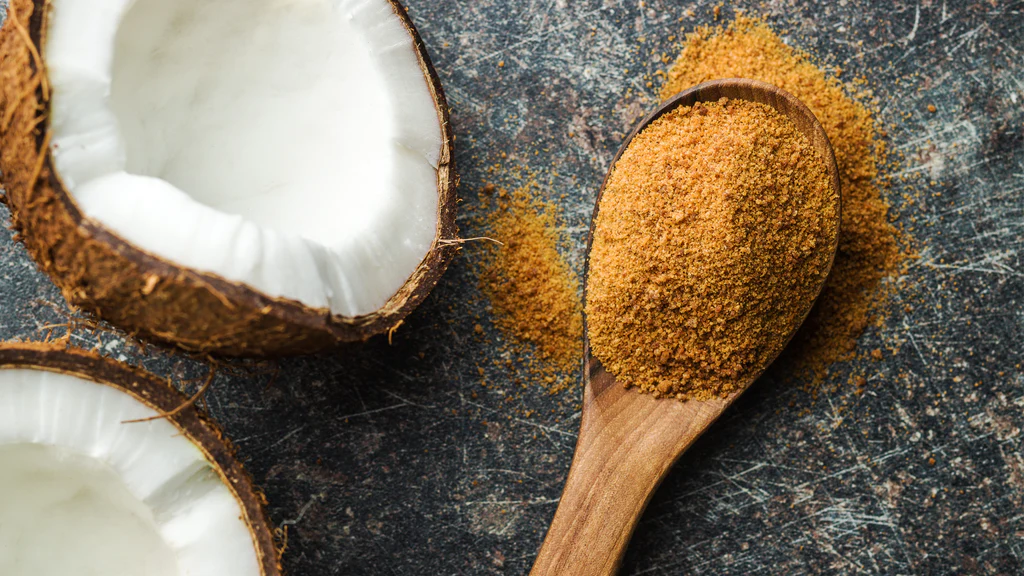
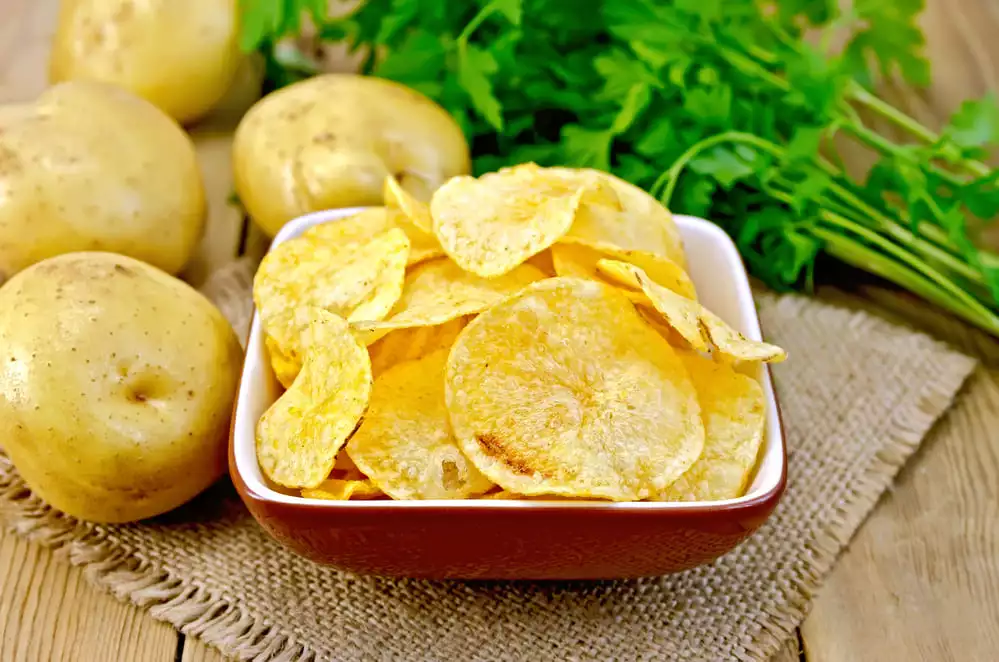
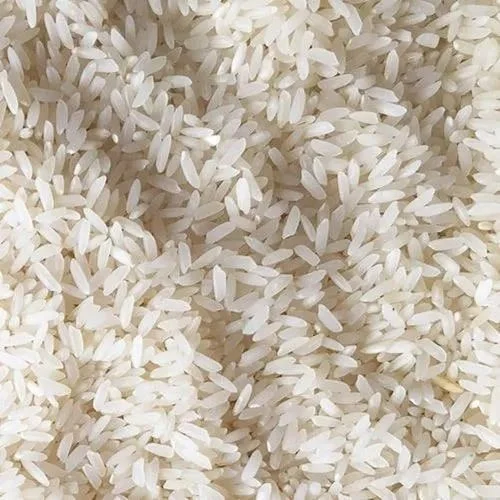
Gupta Traders operates out of India and currently lists eight distinct agricultural products in its catalogue. The active product count of eight includes both staple grains and key oilseed commodities, reflecting a focus on bulk food commodities. The supplier’s portfolio covers rice, Sona Masuri Sortex rice, wheat, maize, fresh potato, fresh onion, sugar and mustard seeds, each classified under the relevant HS‑code families for cereals, tubers and oilseeds. All items are presented without additional processing, indicating a primary role as a bulk commodity trader.
Product Range and Specialties of Gupta Traders
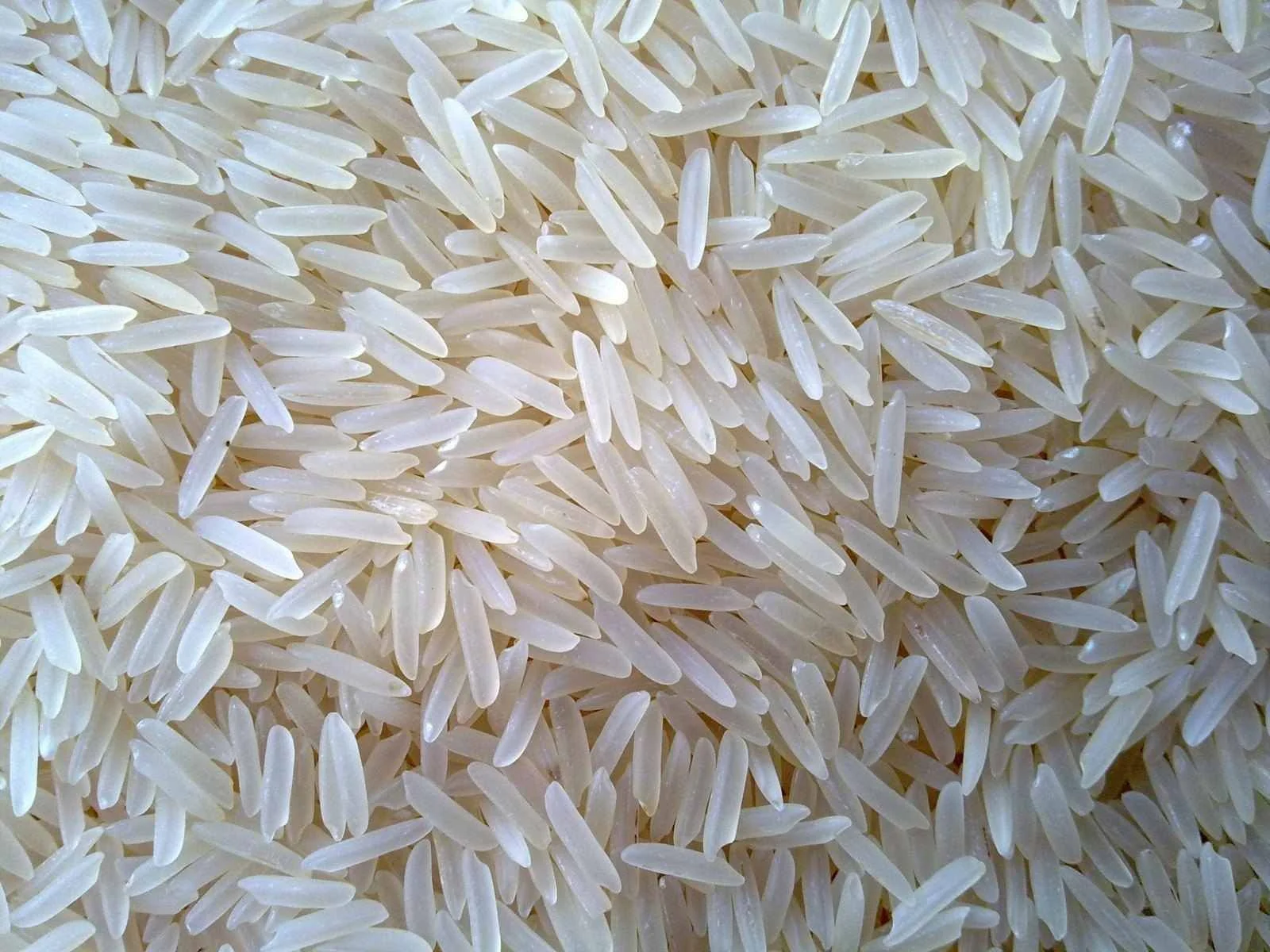
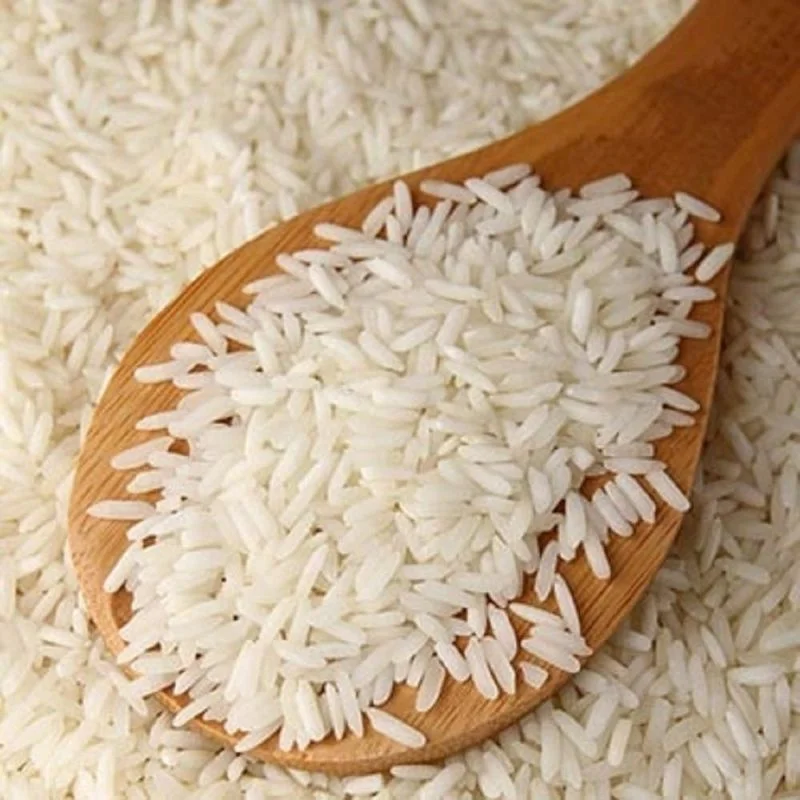
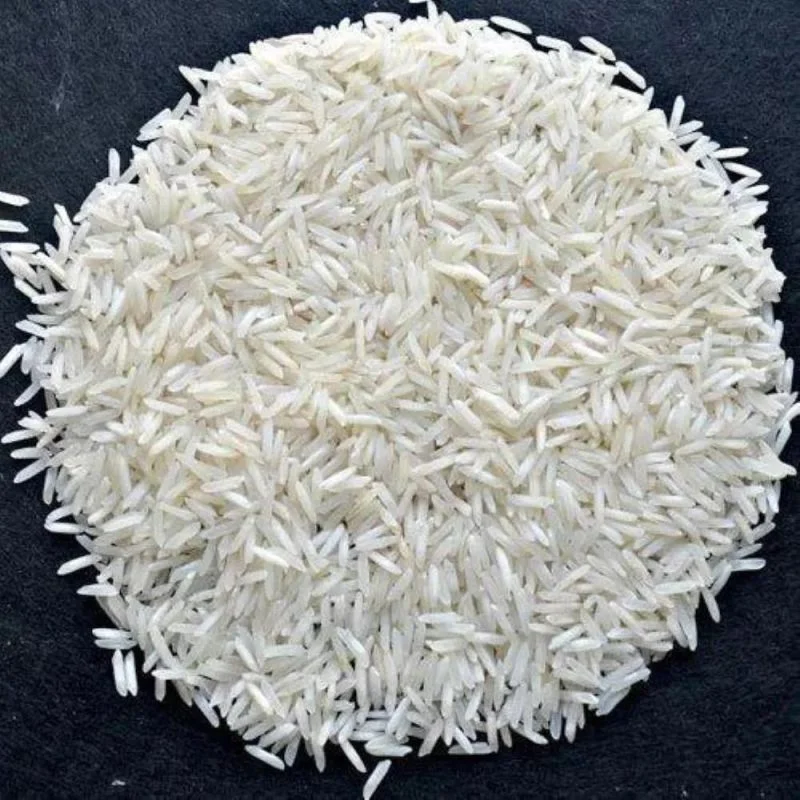
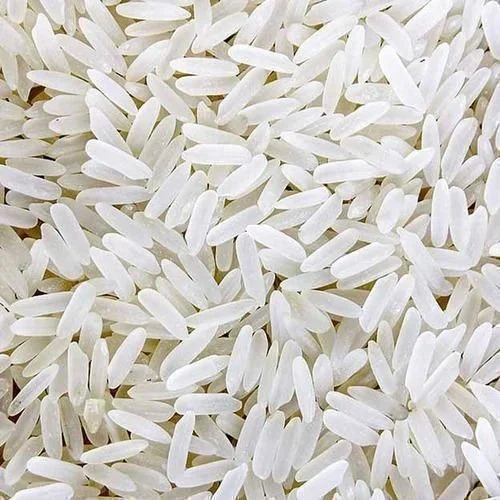
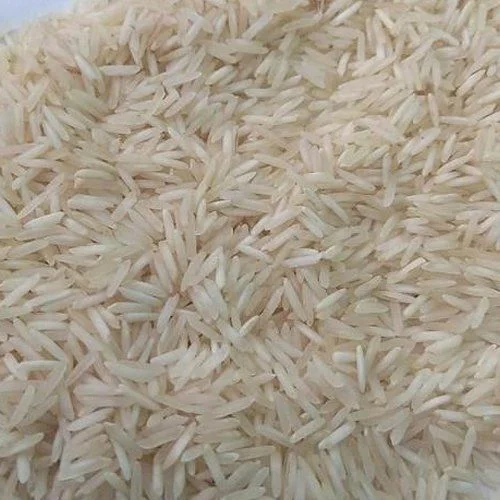
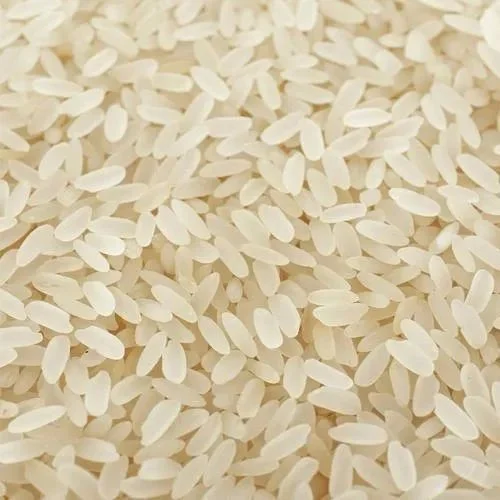
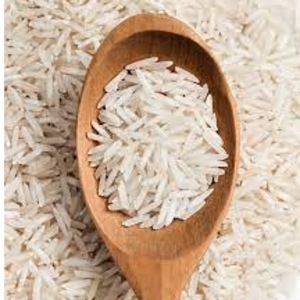
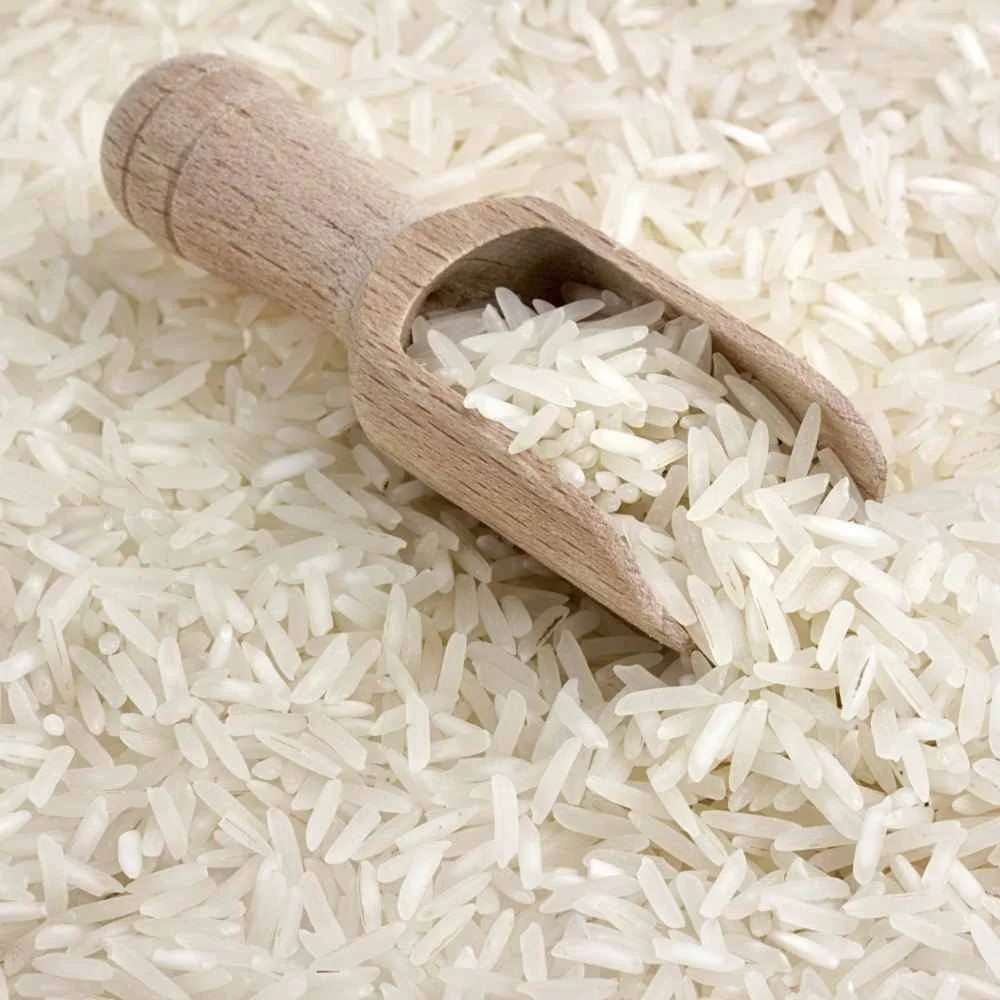
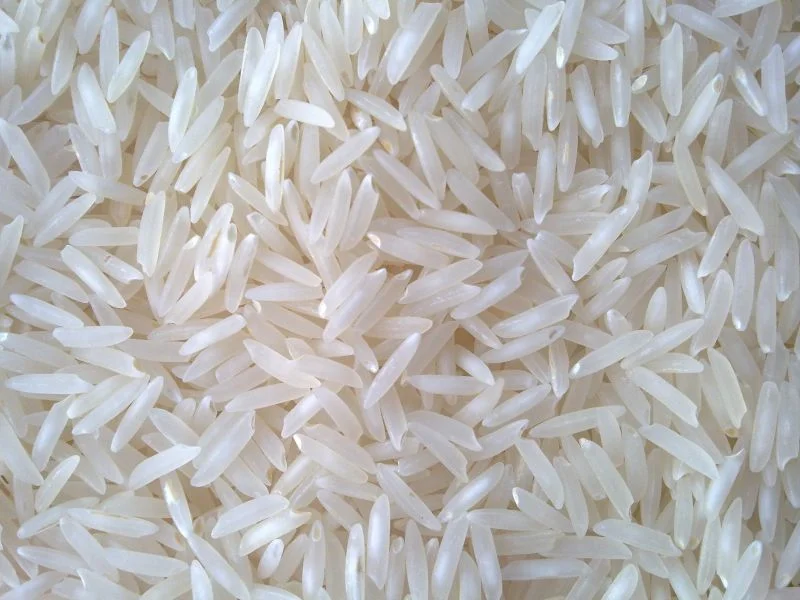
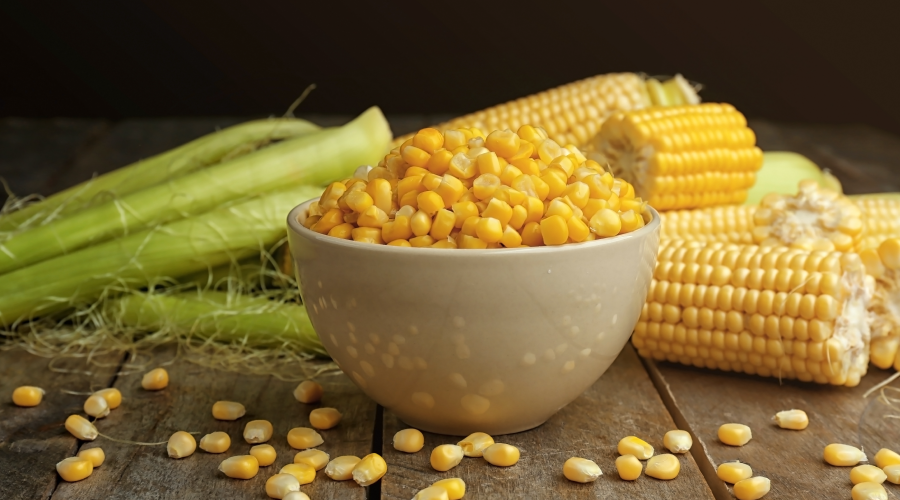
The product list comprises standard milled rice and a premium Sona Masuri Sortex rice, which is typically graded by head rice recovery, moisture content (12‑14 %) and IRRI classification. Sugar listed under this catalogue is usually white refined sugar meeting ICUMSA 45‑70 specifications and a polarisation of 99.8 %. Fresh potatoes are generally sorted by size (diameter 45‑70 mm) and have a maximum moisture of 78 %. Maize is offered as yellow corn kernels, commonly graded by test weight (≈ 78 kg/hl) and moisture (≤ 14 %). Fresh onions are sorted by diameter (30‑50 mm) and have a moisture range of 85‑90 %. Wheat is typically classified by protein content (10‑12 %) and test weight (≈ 78 kg/hl). Mustard seeds are usually evaluated for oil content (45‑50 %) and moisture (≤ 6 %). In international trade these commodities fall under HS chapter 10 for cereals (e.g., rice 1006, wheat 1001, maize 1005), chapter 07 for fresh vegetables (potato 0701, onion 0703) and chapter 12 for oilseeds (mustard seeds 1207), with sugar under HS 1701.
Trade and Export Information - Gupta Traders
India ranks among the world’s top exporters of rice, wheat, maize, sugar, potatoes, onions and mustard seeds, supplying markets in the Middle East, Africa, Southeast Asia and Europe. Export shipments are typically packed in 20‑ft or 40‑ft containers for processed grains, while fresh vegetables are shipped in refrigerated containers (reefers) maintaining 0‑4 °C for potatoes and 0‑2 °C for onions. Buyers usually request phytosanitary certificates, certificates of origin and compliance with the importing country’s pesticide residue limits. Commonly required certifications for Indian food exporters include FSSAI registration, ISO 22000 food safety management and, where applicable, organic or non‑GM attestations. HS‑code families guide customs clearance; for example, rice (HS 1006) often requires a quality certificate confirming broken grain percentage and moisture level, while sugar (HS 1701) may need a laboratory analysis of sucrose purity.
Sourcing from Gupta Traders - Buyer Guidance
When sourcing from Gupta Traders, buyers should ask for product specifications such as moisture content, broken grain percentage for rice, polarisation for sugar, and oil content for mustard seeds. Laboratory test reports (e.g., ISO‑9001 or accredited lab certificates) and a recent phytosanitary certificate are standard documents to verify compliance with destination country regulations. Verifying the HS code on the commercial invoice against the product description helps avoid customs delays, and confirming container type (dry bulk, bagged, or refrigerated) ensures appropriate handling during transit.
Frequently Asked Questions About Gupta Traders
What agricultural commodities does Gupta Traders list in its catalogue?
The catalogue includes eight items: rice, Sona Masuri Sortex rice, wheat, maize, fresh potato, fresh onion, sugar and mustard seeds.
Which HS‑code families are applicable to the listed products?
Rice, wheat and maize fall under HS chapter 10 (e.g., 1006, 1001, 1005), fresh potatoes and onions under chapter 07 (0701, 0703), sugar under chapter 17 (1701) and mustard seeds under chapter 12 (1207).
What quality parameters are typical for the rice products?
Typical parameters include moisture 12‑14 %, broken grain percentage below 5 %, and head‑rice recovery meeting IRRI standards for the specific variety.
What documentation should a buyer request before ordering sugar?
Buyers should request a laboratory analysis showing ICUMSA 45‑70 grade, polarisation of at least 99.8 % and a phytosanitary certificate for export.
How are fresh potatoes and onions normally shipped?
They are usually packed in refrigerated containers (reefers) maintaining 0‑4 °C for potatoes and 0‑2 °C for onions, with ventilation to control humidity.
Which certifications are commonly required for Indian food exporters?
Common requirements include FSSAI registration, ISO 22000 food safety management, and a phytosanitary certificate; buyers may also ask for organic or non‑GM certifications if needed.
What should a buyer verify regarding packaging before confirming an order?
Confirm whether grains are bagged (e.g., 25 kg polypropylene bags) or bulk loaded, ensure container type matches product (dry bulk for cereals, reefers for fresh veg), and check that the packaging complies with the destination country’s labeling and marking regulations.




 , India