GT Trade Int. — Verified Supplier

About GT Trade Int. - Baby Bottles Supplier in South Africa

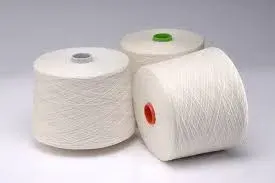
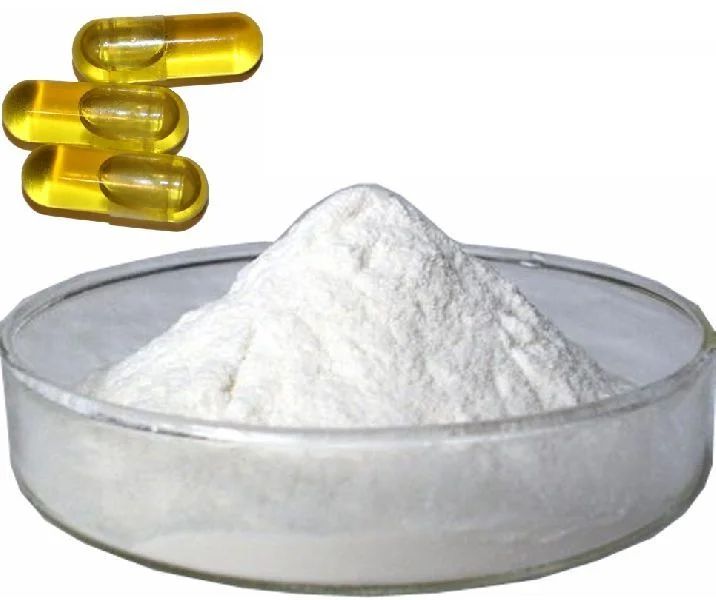
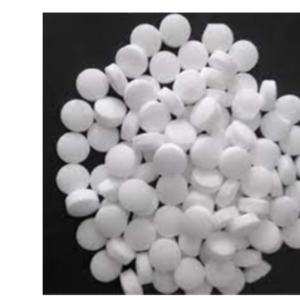
South Africa‑based GT Trade Int. lists eight active products in its catalogue. The portfolio covers agricultural grains (Teff Grains, HS 1008.90), essential‑oil derivatives (Menthol Flakes under HS 2905.11 and HS 2906.11), polymer raw materials (Expanded Polystyrene, HS 3903.11; LDPE Film Scrap, HS 3915.10; PET Bottle Preform, HS 3907.60), and cotton derivatives (Raw Cotton, HS 5201.00; Cotton Yarn Waste, HS 5202.10). Each entry specifies the exact material composition, such as 100 % virgin food‑grade PET or natural L‑Menthol (C10H20O).

GT Trade Int. groups its offering under both food‑grade and industrial raw material categories. The agricultural items are typical export commodities from Southern Africa, while the polymer and cotton products align with South Africa’s mature plastics recycling and textile sectors. The catalogue’s eight SKUs are presented with their corresponding HS‑code families, providing a clear reference for customs classification and trade documentation.

Product Range and Specialties of GT Trade Int.

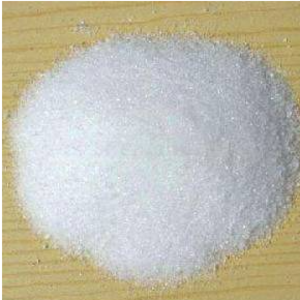
The supplier’s catalogue includes Teff grains (Ivory or Brown varieties) which are small‑seed cereals commonly graded by moisture content (≤12 %) and protein level (10‑12 %). Menthol flakes are supplied in natural crystalline form, usually requiring a purity of ≥99 % and a melting point around 42‑44 °C. Expanded Polystyrene beads are classified under HS 3903.11 and are typically measured by bulk density (15‑30 kg / m³) and melt flow index. LDPE film scrap falls under HS 3915.10 and is quantified by weight, with acceptable contamination below 0.5 % PVC. PET bottle preforms (HS 3907.60) are produced to food‑grade specifications, often tested for acetaldehyde ≤0.5 mg kg⁻¹ and intrinsic viscosity around 0.78 dL/g. Raw cotton (HS 5201.00) is evaluated by fiber length (28‑33 mm) and moisture ≤8 %, while cotton yarn waste (HS 5202.10) is measured for fiber purity and residual tensile strength.

Trade and Export Information - GT Trade Int.

Exporters of Teff from Southern Africa usually ship to the EU, the Middle East and North America, using 20 kg polypropylene bags that meet ISPM 15 phytosanitary standards. Menthol intended for cosmetics and pharma is often dispatched in 25 kg drums, with a Certificate of Analysis confirming ISO 9001 or GMP compliance; buyers typically request REACH registration for EU imports. Polymer raw materials such as EPS beads, LDPE scrap and PET preforms are classified under HS chapters 39 and are frequently exported to packaging manufacturers in China, Turkey and the United Arab Emirates, where REACH‑compliant material safety data sheets are standard. Raw cotton and cotton waste are shipped in 25 kg burlap bags to textile mills in Bangladesh, Vietnam and Turkey, and importers generally require a phytosanitary certificate and compliance with Oeko‑Tex Standard 100. The HS‑code families listed (1008, 2905/2906, 3903, 3915, 3907, 5201, 5202) guide duty rates and inspection regimes in the destination countries.

Sourcing from GT Trade Int. - Buyer Guidance

Buyers should request a recent Certificate of Analysis for each agricultural or chemical product, confirming moisture, purity and any pesticide residues. For polymer items, a Material Safety Data Sheet (MSDS) and REACH registration number are typical prerequisites. Samples of Teff grains, menthol flakes and PET preforms are commonly provided in 1 kg quantities for laboratory testing. Verify that packaging complies with the destination’s import regulations - e.g., ISPM 15‑treated pallets for grain shipments or food‑grade PET containers meeting EU Regulation 1935/2004. Confirm lead times, which for South African exporters range from 15 days for bulk polymer shipments to 30 days for certified organic agricultural products.

Frequently Asked Questions About GT Trade Int.

What HS codes does GT Trade Int. use for its products?

The catalogue lists HS 1008.90 for Teff grains, HS 2905.11 and HS 2906.11 for menthol flakes, HS 3903.11 for expanded polystyrene beads, HS 3915.10 for LDPE film scrap, HS 3907.60 for PET bottle preforms, HS 5201.00 for raw cotton and HS 5202.10 for cotton yarn waste.

Which certifications should a buyer request for the menthol flakes?

Buyers typically ask for a Certificate of Analysis showing ≥99 % purity, an ISO 9001 or GMP compliance statement, and a REACH registration for any EU‑bound shipment.

How is Teff grain usually packaged for export?

Teff is commonly packed in 20 kg polypropylene bags that meet ISPM 15 phytosanitary standards, with moisture content not exceeding 12 % and protein levels between 10‑12 %.

What quality tests are standard for PET bottle preforms?

Standard tests include intrinsic viscosity (≈0.78 dL/g), acetaldehyde content (≤0.5 mg kg⁻¹), and compliance with EU Regulation 1935/2004 for food‑grade PET.

Are there any specific import requirements for the raw cotton?

Importers usually require a phytosanitary certificate, compliance with Oeko‑Tex Standard 100, fiber length of 28‑33 mm and moisture content below 8 %.

What are typical lead times for polymer raw materials from South Africa?

Lead times for expanded polystyrene beads, LDPE scrap and PET preforms generally range from 15 to 25 days, depending on order size and shipping terms.

Which markets most frequently import the supplier’s cotton yarn waste?

The main import destinations are textile processing hubs in Bangladesh, Vietnam and Turkey, where the waste is recycled into yarn or blended fibers.


Other Suppliers in Menthol Crystals

Top Trusted Suppliers

Related Products in Menthol Crystals

Trending in Parent Category

More Suppliers in Parent Category

Related Products

Other Suppliers

EximNext
58.4K+ live requirements
Register Free🎁 5 free buy-lead credits
Post Requirement
🌍 Trusted by 224.4K+ businesses in 200+ countries|
58.4K+ active requirements right now
✉️ [email protected]
|
Sell on EximNextPost Requirement
EximNext
AgricultureApparelConstructionElectronicFoodHomeIndustrialMineralsMiscellaneous
🔥 Deals|✨ AI Match|🏭 Suppliers|📋 Buy Leads|💰 Trade Finance|⭐ Upgrade
58.4K+ live RFQs·194.4K+ suppliers
🎁 5 free credits →
EximNext
EximNext
Register Free
🎁 5 free buy-lead credits
Sign In
📋Post Requirement💬Get QuotesAI Match📋RFQ Marketplace
All Categories
Services & Tools
🏭Supplier Directory🔥Today's Deals💰Trade FinanceMembership
Sell on EximNext
AboutContactBlogHelp
🏭

GT Trade Int.

Harbor
Country flag , South Africa
🛡️
59/100
Trust Score

GT Trade Int. Product Catalog

Showing 8 of 8 products
View all products →
Cotton Yarn Waste
Harbor
Cotton Yarn Waste
Contact
MOQ: 1 Unit
Raw Cotton
Harbor
Raw Cotton
Contact
MOQ: 1 Unit
PET Bottle Preform
Harbor
PET Bottle Preform
Contact
MOQ: 1 Unit
Ldpe Film Scrap
Harbor
Ldpe Film Scrap
Contact
MOQ: 1 Unit
Expanded Polystyrene Raw Material
Harbor
Expanded Polystyrene Raw Material
Contact
MOQ: 1 Unit
Menthol Flakes
Harbor
Menthol Flakes
Contact
MOQ: 1 Unit
Menthol Flakes
Harbor
Menthol Flakes
Contact
MOQ: 1 Unit
Teff Grains
Harbor
Teff Grains
Contact
MOQ: 1 Unit

About GT Trade Int. - Baby Bottles Supplier in South Africa

South Africa‑based GT Trade Int. lists eight active products in its catalogue. The portfolio covers agricultural grains (Teff Grains, HS 1008.90), essential‑oil derivatives (Menthol Flakes under HS 2905.11 and HS 2906.11), polymer raw materials (Expanded Polystyrene, HS 3903.11; LDPE Film Scrap, HS 3915.10; PET Bottle Preform, HS 3907.60), and cotton derivatives (Raw Cotton, HS 5201.00; Cotton Yarn Waste, HS 5202.10). Each entry specifies the exact material composition, such as 100 % virgin food‑grade PET or natural L‑Menthol (C10H20O).

GT Trade Int. groups its offering under both food‑grade and industrial raw material categories. The agricultural items are typical export commodities from Southern Africa, while the polymer and cotton products align with South Africa’s mature plastics recycling and textile sectors. The catalogue’s eight SKUs are presented with their corresponding HS‑code families, providing a clear reference for customs classification and trade documentation.

Product Range and Specialties of GT Trade Int.

The supplier’s catalogue includes Teff grains (Ivory or Brown varieties) which are small‑seed cereals commonly graded by moisture content (≤12 %) and protein level (10‑12 %). Menthol flakes are supplied in natural crystalline form, usually requiring a purity of ≥99 % and a melting point around 42‑44 °C. Expanded Polystyrene beads are classified under HS 3903.11 and are typically measured by bulk density (15‑30 kg / m³) and melt flow index. LDPE film scrap falls under HS 3915.10 and is quantified by weight, with acceptable contamination below 0.5 % PVC. PET bottle preforms (HS 3907.60) are produced to food‑grade specifications, often tested for acetaldehyde ≤0.5 mg kg⁻¹ and intrinsic viscosity around 0.78 dL/g. Raw cotton (HS 5201.00) is evaluated by fiber length (28‑33 mm) and moisture ≤8 %, while cotton yarn waste (HS 5202.10) is measured for fiber purity and residual tensile strength.

Trade and Export Information - GT Trade Int.

Exporters of Teff from Southern Africa usually ship to the EU, the Middle East and North America, using 20 kg polypropylene bags that meet ISPM 15 phytosanitary standards. Menthol intended for cosmetics and pharma is often dispatched in 25 kg drums, with a Certificate of Analysis confirming ISO 9001 or GMP compliance; buyers typically request REACH registration for EU imports. Polymer raw materials such as EPS beads, LDPE scrap and PET preforms are classified under HS chapters 39 and are frequently exported to packaging manufacturers in China, Turkey and the United Arab Emirates, where REACH‑compliant material safety data sheets are standard. Raw cotton and cotton waste are shipped in 25 kg burlap bags to textile mills in Bangladesh, Vietnam and Turkey, and importers generally require a phytosanitary certificate and compliance with Oeko‑Tex Standard 100. The HS‑code families listed (1008, 2905/2906, 3903, 3915, 3907, 5201, 5202) guide duty rates and inspection regimes in the destination countries.

Sourcing from GT Trade Int. - Buyer Guidance

Buyers should request a recent Certificate of Analysis for each agricultural or chemical product, confirming moisture, purity and any pesticide residues. For polymer items, a Material Safety Data Sheet (MSDS) and REACH registration number are typical prerequisites. Samples of Teff grains, menthol flakes and PET preforms are commonly provided in 1 kg quantities for laboratory testing. Verify that packaging complies with the destination’s import regulations - e.g., ISPM 15‑treated pallets for grain shipments or food‑grade PET containers meeting EU Regulation 1935/2004. Confirm lead times, which for South African exporters range from 15 days for bulk polymer shipments to 30 days for certified organic agricultural products.

Frequently Asked Questions About GT Trade Int.

What HS codes does GT Trade Int. use for its products?

The catalogue lists HS 1008.90 for Teff grains, HS 2905.11 and HS 2906.11 for menthol flakes, HS 3903.11 for expanded polystyrene beads, HS 3915.10 for LDPE film scrap, HS 3907.60 for PET bottle preforms, HS 5201.00 for raw cotton and HS 5202.10 for cotton yarn waste.

Which certifications should a buyer request for the menthol flakes?

Buyers typically ask for a Certificate of Analysis showing ≥99 % purity, an ISO 9001 or GMP compliance statement, and a REACH registration for any EU‑bound shipment.

How is Teff grain usually packaged for export?

Teff is commonly packed in 20 kg polypropylene bags that meet ISPM 15 phytosanitary standards, with moisture content not exceeding 12 % and protein levels between 10‑12 %.

What quality tests are standard for PET bottle preforms?

Standard tests include intrinsic viscosity (≈0.78 dL/g), acetaldehyde content (≤0.5 mg kg⁻¹), and compliance with EU Regulation 1935/2004 for food‑grade PET.

Are there any specific import requirements for the raw cotton?

Importers usually require a phytosanitary certificate, compliance with Oeko‑Tex Standard 100, fiber length of 28‑33 mm and moisture content below 8 %.

What are typical lead times for polymer raw materials from South Africa?

Lead times for expanded polystyrene beads, LDPE scrap and PET preforms generally range from 15 to 25 days, depending on order size and shipping terms.

Which markets most frequently import the supplier’s cotton yarn waste?

The main import destinations are textile processing hubs in Bangladesh, Vietnam and Turkey, where the waste is recycled into yarn or blended fibers.

About GT Trade Int. - Baby Bottles Supplier in South Africa

South Africa‑based GT Trade Int. lists eight active products in its catalogue. The portfolio covers agricultural grains (Teff Grains, HS 1008.90), essential‑oil derivatives (Menthol Flakes under HS 2905.11 and HS 2906.11), polymer raw materials (Expanded Polystyrene, HS 3903.11; LDPE Film Scrap, HS 3915.10; PET Bottle Preform, HS 3907.60), and cotton derivatives (Raw Cotton, HS 5201.00; Cotton Yarn Waste, HS 5202.10). Each entry specifies the exact material composition, such as 100 % virgin food‑grade PET or natural L‑Menthol (C10H20O).

GT Trade Int. groups its offering under both food‑grade and industrial raw material categories. The agricultural items are typical export commodities from Southern Africa, while the polymer and cotton products align with South Africa’s mature plastics recycling and textile sectors. The catalogue’s eight SKUs are presented with their corresponding HS‑code families, providing a clear reference for customs classification and trade documentation.

Product Range and Specialties of GT Trade Int.

The supplier’s catalogue includes Teff grains (Ivory or Brown varieties) which are small‑seed cereals commonly graded by moisture content (≤12 %) and protein level (10‑12 %). Menthol flakes are supplied in natural crystalline form, usually requiring a purity of ≥99 % and a melting point around 42‑44 °C. Expanded Polystyrene beads are classified under HS 3903.11 and are typically measured by bulk density (15‑30 kg / m³) and melt flow index. LDPE film scrap falls under HS 3915.10 and is quantified by weight, with acceptable contamination below 0.5 % PVC. PET bottle preforms (HS 3907.60) are produced to food‑grade specifications, often tested for acetaldehyde ≤0.5 mg kg⁻¹ and intrinsic viscosity around 0.78 dL/g. Raw cotton (HS 5201.00) is evaluated by fiber length (28‑33 mm) and moisture ≤8 %, while cotton yarn waste (HS 5202.10) is measured for fiber purity and residual tensile strength.

Trade and Export Information - GT Trade Int.

Exporters of Teff from Southern Africa usually ship to the EU, the Middle East and North America, using 20 kg polypropylene bags that meet ISPM 15 phytosanitary standards. Menthol intended for cosmetics and pharma is often dispatched in 25 kg drums, with a Certificate of Analysis confirming ISO 9001 or GMP compliance; buyers typically request REACH registration for EU imports. Polymer raw materials such as EPS beads, LDPE scrap and PET preforms are classified under HS chapters 39 and are frequently exported to packaging manufacturers in China, Turkey and the United Arab Emirates, where REACH‑compliant material safety data sheets are standard. Raw cotton and cotton waste are shipped in 25 kg burlap bags to textile mills in Bangladesh, Vietnam and Turkey, and importers generally require a phytosanitary certificate and compliance with Oeko‑Tex Standard 100. The HS‑code families listed (1008, 2905/2906, 3903, 3915, 3907, 5201, 5202) guide duty rates and inspection regimes in the destination countries.

Sourcing from GT Trade Int. - Buyer Guidance

Buyers should request a recent Certificate of Analysis for each agricultural or chemical product, confirming moisture, purity and any pesticide residues. For polymer items, a Material Safety Data Sheet (MSDS) and REACH registration number are typical prerequisites. Samples of Teff grains, menthol flakes and PET preforms are commonly provided in 1 kg quantities for laboratory testing. Verify that packaging complies with the destination’s import regulations - e.g., ISPM 15‑treated pallets for grain shipments or food‑grade PET containers meeting EU Regulation 1935/2004. Confirm lead times, which for South African exporters range from 15 days for bulk polymer shipments to 30 days for certified organic agricultural products.

Frequently Asked Questions About GT Trade Int.
What HS codes does GT Trade Int. use for its products?
The catalogue lists HS 1008.90 for Teff grains, HS 2905.11 and HS 2906.11 for menthol flakes, HS 3903.11 for expanded polystyrene beads, HS 3915.10 for LDPE film scrap, HS 3907.60 for PET bottle preforms, HS 5201.00 for raw cotton and HS 5202.10 for cotton yarn waste.
Which certifications should a buyer request for the menthol flakes?
Buyers typically ask for a Certificate of Analysis showing ≥99 % purity, an ISO 9001 or GMP compliance statement, and a REACH registration for any EU‑bound shipment.
How is Teff grain usually packaged for export?
Teff is commonly packed in 20 kg polypropylene bags that meet ISPM 15 phytosanitary standards, with moisture content not exceeding 12 % and protein levels between 10‑12 %.
What quality tests are standard for PET bottle preforms?
Standard tests include intrinsic viscosity (≈0.78 dL/g), acetaldehyde content (≤0.5 mg kg⁻¹), and compliance with EU Regulation 1935/2004 for food‑grade PET.
Are there any specific import requirements for the raw cotton?
Importers usually require a phytosanitary certificate, compliance with Oeko‑Tex Standard 100, fiber length of 28‑33 mm and moisture content below 8 %.
What are typical lead times for polymer raw materials from South Africa?
Lead times for expanded polystyrene beads, LDPE scrap and PET preforms generally range from 15 to 25 days, depending on order size and shipping terms.
Which markets most frequently import the supplier’s cotton yarn waste?
The main import destinations are textile processing hubs in Bangladesh, Vietnam and Turkey, where the waste is recycled into yarn or blended fibers.

🏭
GT Trade Int.
Country flag , South Africa
Harbor
59/100
Trust Score
📦
8
Products
Free to contact — no commission
Escrow payment available
Verified business identity
Compare more suppliers
Post a requirement — get 10 quotes free
Let verified suppliers compete for your business. Free, fast, no commitment.
EximNext Verified Supplier
Business identity verified
Physical address confirmed
Financial history checked
Certifications authenticated
Trade references validated
Due Diligence
Verify this supplier's real shipping history.
Every shipment, every buyer, every port. Trade data that can't be faked.
Run due diligence →
Discover More

Related Suppliers & Products

Explore similar suppliers, related products and trending categories

Other Suppliers in Menthol Crystals

Top Trusted Suppliers

Related Products in Menthol Crystals

Trending in Parent Category

More Suppliers in Parent Category

Stay ahead in global trade
Weekly market insights & new supplier alerts.
EximNext
Exim Next is a leading global B2B marketplace, connecting over 205,000 verified suppliers and buyers across 200+ countries. As a trusted import export marketplace, it serves as the essential B2B portal for businesses worldwide, empowering them to expand their international reach. With Exim Next, businesses can trade smarter and grow faster.
SECURE PAYMENTS
VISAMastercardPayPalSWIFTL/CEscrow
Follow us
© 2026 EximNext