Gogo Agro Indonesia — Verified Supplier
About Gogo Agro Indonesia - Fresh Produce Supplier in Indonesia
Indonesia is the origin of Gogo Agro Indonesia, which currently lists five active products in its catalogue. The product portfolio includes Fresh Potatoes, Fresh Tomatoes, Coffee Robusta, Fresh Carrot and Avocados. Each product is presented under the respective agricultural category, with Avocados identified by HS code 0804.40. The supplier’s catalogue does not provide HS codes for the other four items, but they fall under standard HS chapters for fresh vegetables and coffee beans. The active product count of five reflects the range of fresh produce and coffee the company offers for export.
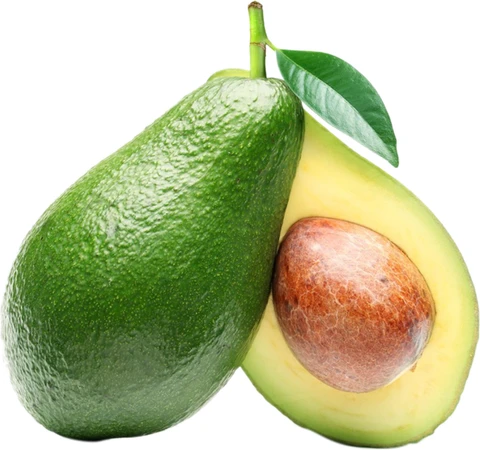
The listed products correspond to common HS code families used in international trade: fresh potatoes (HS 0701), fresh tomatoes (HS 0702), fresh carrots (HS 0706), coffee beans (HS 0901) and avocados (HS 0804.40). Gogo Agro Indonesia’s catalogue specifies the material for avocados as Fresh Avocado (Persea americana, Hass Variety). The other items are described generically as fresh vegetables or coffee beans without additional material details. Buyers can therefore expect standard classification under these HS headings when arranging customs documentation.
Product Range and Specialties of Gogo Agro Indonesia
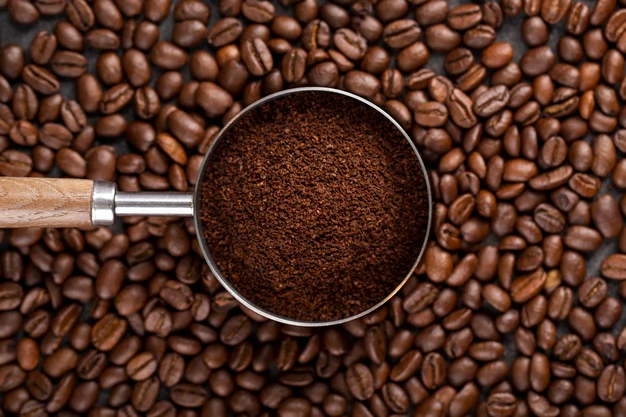
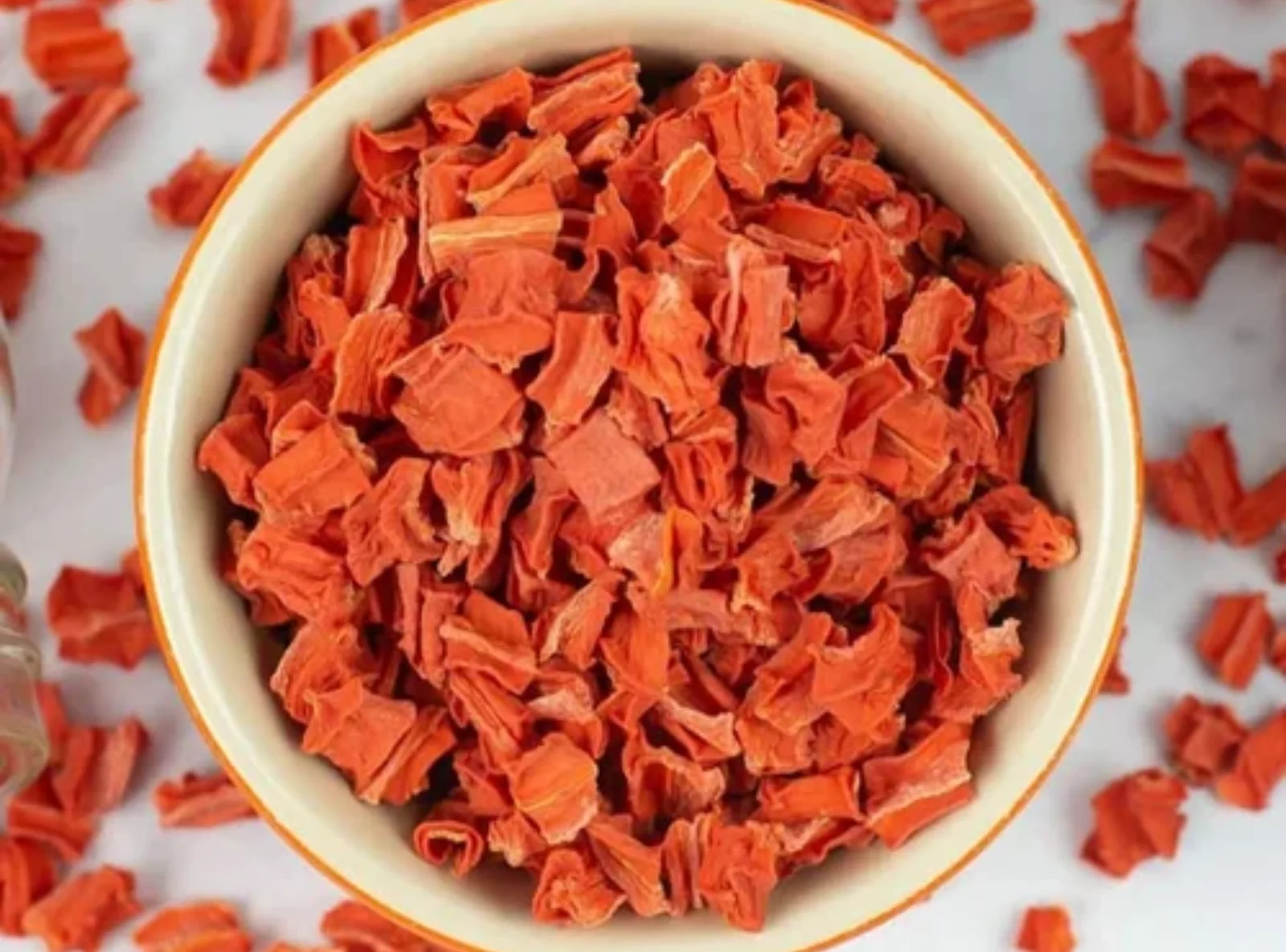
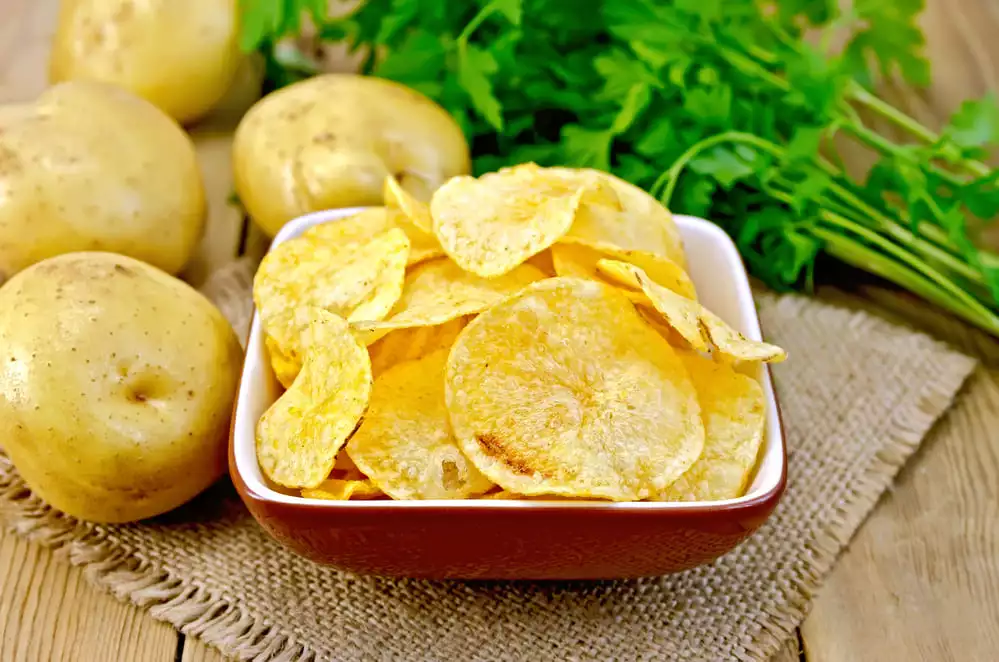
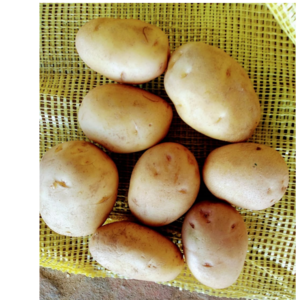
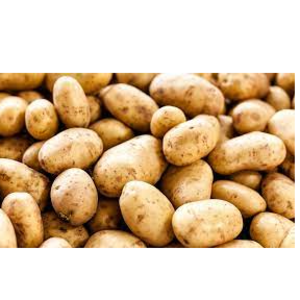
The catalogue offers Fresh Potatoes, Fresh Tomatoes, Fresh Carrot, Coffee Robusta and Avocados. In the fresh vegetable segment, typical export grades include size classifications such as small (≤55 mm), medium (55‑70 mm) and large (>70 mm) for potatoes, and firmness grades for tomatoes measured by skin elasticity and soluble solids content. Carrots are usually supplied in lengths of 150‑250 mm and diameters of 15‑25 mm, packed in 20 kg cardboard boxes. Avocados of the Hass variety are commonly graded by weight (150‑250 g) and maturity stage, with a skin colour of dark green to black indicating ripeness. Coffee Robusta is generally exported as green beans with moisture ≤12 % and a cup quality score of 70 + on the SCAA scale.
Industry practice for these commodities includes packaging in refrigerated containers for the fresh produce, with temperature control at 0‑4 °C for potatoes, tomatoes and carrots, and 5‑13 °C for avocados. Green coffee beans are packed in jute or polypropylene bags of 60 kg, often loaded in standard 20 ft containers. These packaging standards align with the product handling requirements reflected in the supplier’s list.
Trade and Export Information - Gogo Agro Indonesia
Indonesia is a major exporter of fresh vegetables and coffee beans to markets in the Middle East, Southeast Asia, Europe and North America. Fresh potatoes, tomatoes and carrots are typically shipped under HS chapters 07, while coffee beans fall under HS 0901 and avocados under HS 0804.40. Importing countries usually require a phytosanitary certificate, compliance with GlobalGAP or BRC food safety standards, and for coffee, a certificate of origin and moisture analysis. Avocado shipments often need a fumigation certificate and may be subject to residue testing under EU regulations.
Logistically, the fresh produce from Indonesia is commonly loaded in 20 ft or 40 ft refrigerated containers (reefers) with temperature monitoring, whereas coffee beans are transported in dry containers on a FOB or CIF basis. Buyers generally request the seller to provide the HS code, commercial invoice, packing list, and any required certificates before customs clearance. The supplier’s target markets are not listed, so buyers should confirm the preferred Incoterm and destination port during negotiations.
Sourcing from Gogo Agro Indonesia - Buyer Guidance
When sourcing from Gogo Agro Indonesia, buyers should request a phytosanitary certificate for each fresh vegetable batch and a certificate of origin for coffee. Sample specifications typically include size distribution for potatoes and carrots, firmness and Brix for tomatoes, and weight range for avocados. Test reports for moisture content (≤12 % for coffee) and pesticide residues are standard documents to verify compliance with importing country regulations.
Buyers should verify that the HS codes used match the product descriptions - 0701 for potatoes, 0702 for tomatoes, 0706 for carrots, 0901 for Robusta coffee and 0804.40 for Hass avocados. It is advisable to confirm packaging details such as 20 kg boxes for vegetables, 60 kg bags for coffee, and suitable reefers for temperature‑sensitive fruit. Lead times for fresh produce are usually 2‑4 weeks after order confirmation, while coffee beans may require 4‑6 weeks depending on harvest cycles.
Frequently Asked Questions About Gogo Agro Indonesia
What fresh vegetable products does Gogo Agro Indonesia export?
The supplier lists Fresh Potatoes, Fresh Tomatoes, Fresh Carrot and Avocados, each classified under the standard HS chapters for fresh produce (0701, 0702, 0706, 0804.40).
Which HS code is assigned to the avocados offered by Gogo Agro Indonesia?
Avocados are listed with HS code 0804.40, which covers fresh Hass avocados.
What certifications are typically required for importing the listed fresh produce from Indonesia?
Importers usually request a phytosanitary certificate, and may require GlobalGAP or BRC food safety certification; avocado shipments often need a fumigation certificate as well.
How is Robusta coffee packaged for export?
Robusta coffee beans are generally packed in 60 kg polypropylene or jute bags, loaded in standard dry containers, and accompanied by a moisture certificate (≤12 %).
What are the common quality specifications for fresh potatoes?
Potatoes are graded by size (small ≤55 mm, medium 55‑70 mm, large >70 mm), moisture content below 20 %, and are shipped in refrigerated containers at 0‑4 °C.
What is the typical lead time for a fresh produce order?
Fresh produce such as potatoes, tomatoes, carrots and avocados usually requires 2‑4 weeks from order confirmation to shipment, depending on harvest and packing schedules.
Which documents should a buyer request before placing an order?
Buyers should ask for a commercial invoice, packing list, phytosanitary certificate, certificate of origin, and any applicable food safety or residue test reports.
What container type is used for shipping avocados?
Avocados are normally shipped in temperature‑controlled reefers set to 5‑13 °C to preserve ripeness during transit.




 , Indonesia