Global Indo Resources, Cv — Verified Supplier
About Global Indo Resources, Cv - Coconut By-Products Supplier in Indonesia
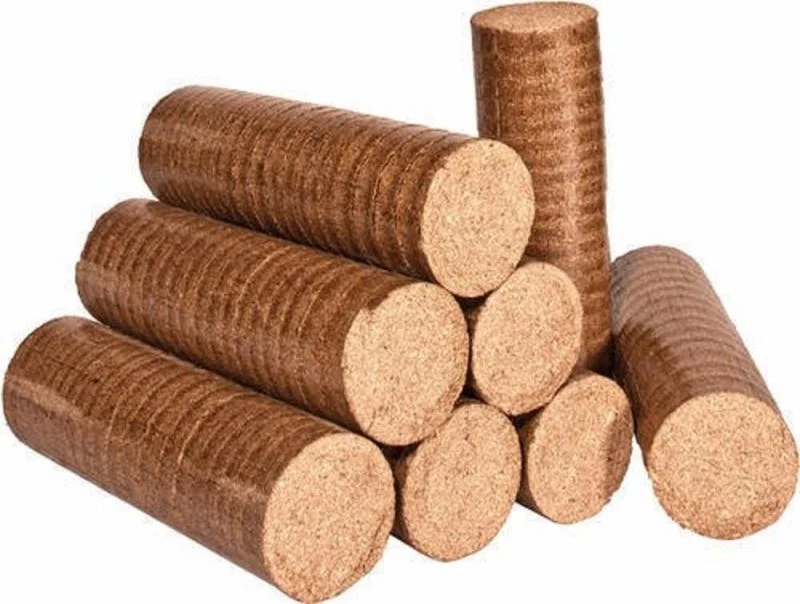
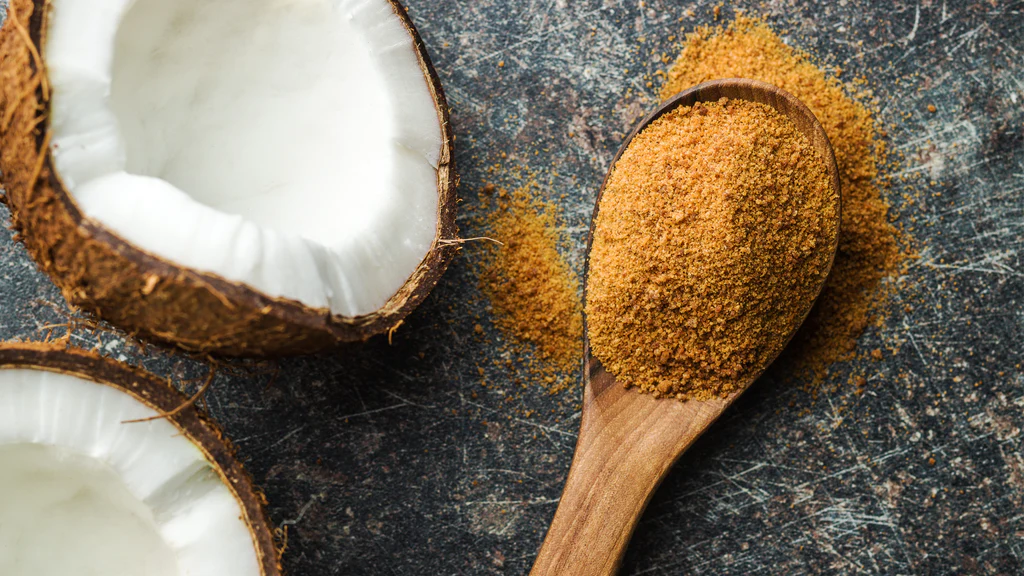
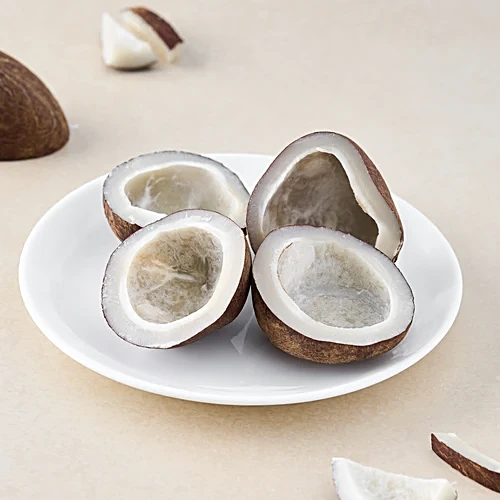
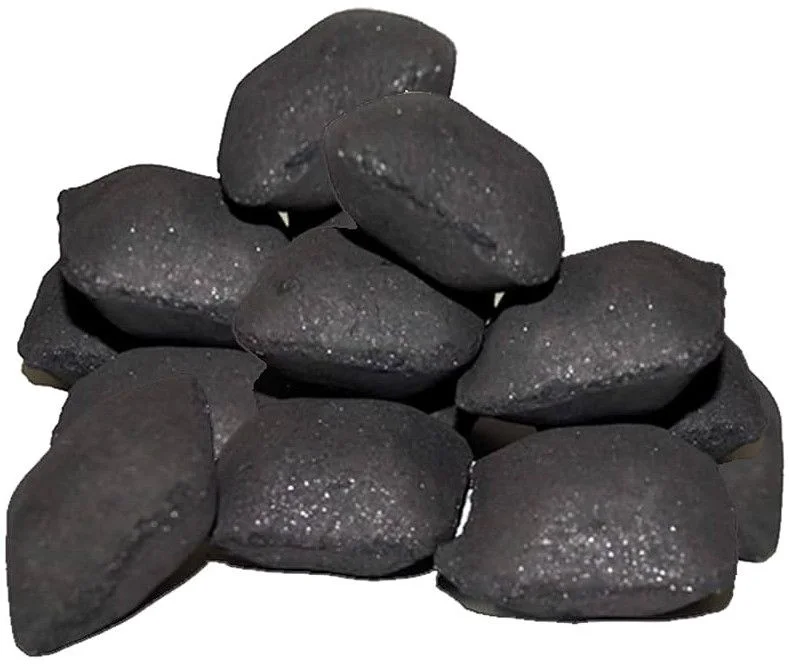
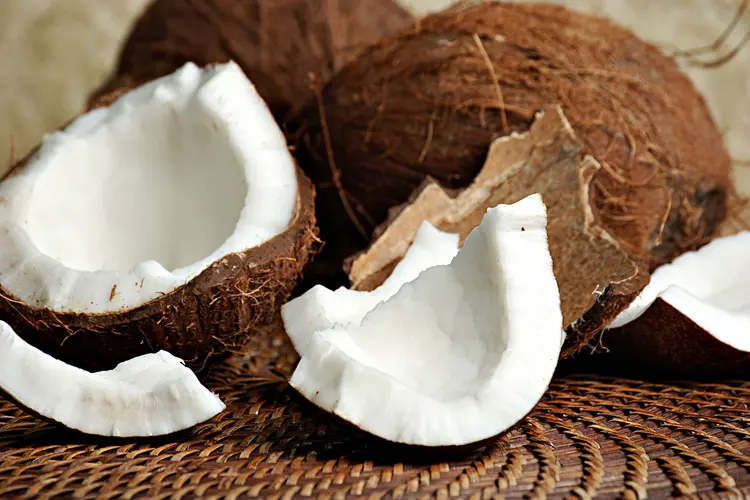
Indonesia is the source country for Global Indo Resources, Cv, which lists seven active products across agriculture and related by‑products. The catalogue includes fresh matured coconut, copra, organic coconut sugar (brown), coconut shell charcoal, coconut shell briquette cubes, Damar Batu resin, and gum copal. These items are presented under the standard trade descriptions used for coconut fruit, its derivatives, and natural resins. The supplier’s portfolio reflects the breadth of Indonesia’s coconut industry, covering both food‑grade and industrial‑grade outputs.
Product Range and Specialties of Global Indo Resources, Cv
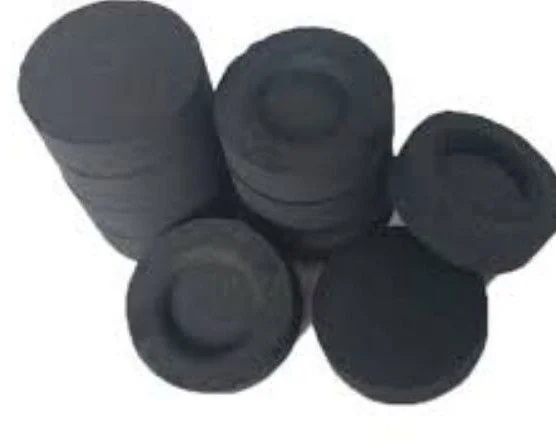
The product set comprises fresh mature coconut (whole fruit used for water and flesh), copra (dried kernel for oil extraction), and organic brown coconut sugar, all of which are typically graded by moisture content (≤12 % for copra) and sucrose purity (≥90 % for organic sugar). Damar Batu and gum copal are natural resins classified under the resin and gum categories; buyers usually require a melt point range (Damar Batu 150‑180 °C) and acid value specifications. Coconut shell charcoal and briquette cubes are carbonized products where ash content (≤5 %) and calorific value (≥28 MJ kg⁻¹) are common quality criteria. Industry practice also distinguishes bulk packaging (e.g., 25 kg bags for copra, 1‑ton bulk bags for charcoal) and moisture‑controlled containers for the edible coconut items.
Trade and Export Information - Global Indo Resources, Cv
Indonesia ranks among the world’s top exporters of coconut products, supplying Asia, the European Union, and North America. Fresh coconut and copra fall under HS Chapter 08 (edible fruit), while coconut shell charcoal is classified in HS Chapter 44 (charcoal and other mineral fuels). Resins such as Damar Batu and gum copal are listed under HS Chapter 13 (vegetable products). Typical import requirements include phytosanitary certificates for fresh fruit, ISO 22000 or HACCP compliance for food items, and FSC or PEFC forest‑management certification for charcoal derived from sustainably managed plantations. Buyers often request laboratory analysis reports covering moisture, purity, and heavy‑metal limits, and shipments are usually arranged on CIF or FOB terms using 20‑ft or 40‑ft containers with moisture‑barrier liners for the edible products.
Sourcing from Global Indo Resources, Cv - Buyer Guidance
When sourcing from Global Indo Resources, Cv, request a recent phytosanitary certificate for fresh coconut and a COA (Certificate of Analysis) for copra, charcoal, and resin batches. Verify that organic coconut sugar is accompanied by an accredited organic certification, such as USDA‑NOP or EU‑EU organic, and that the sugar’s moisture and sucrose content meet the buyer’s specifications. For resin and gum, ask for melt‑point and acid‑value test reports; for charcoal, request calorific value and ash‑content results. Confirm packaging details - e.g., 25 kg polypropylene bags for copra, 1‑ton bulk bags for charcoal, and sealed food‑grade containers for sugar - before finalising the order.
Frequently Asked Questions About Global Indo Resources, Cv
What types of coconut products does Global Indo Resources, Cv offer?
The catalogue lists fresh mature coconut, copra, organic brown coconut sugar, coconut shell charcoal, coconut shell briquette cubes, Damar Batu resin, and gum copal.
Are the coconut sugar products certified organic?
The supplier indicates the sugar is organic; buyers should request an accredited organic certificate (e.g., USDA‑NOP or EU‑organic) to confirm compliance.
What quality parameters are typical for the coconut shell charcoal?
Buyers usually check calorific value (≥28 MJ kg⁻¹), ash content (≤5 %), and bulk density. A test report covering these parameters should be obtained.
Which documents are needed for importing fresh mature coconut?
A phytosanitary certificate issued by Indonesian authorities and a Certificate of Origin are standard requirements for fresh fruit imports.
What are common packaging formats for copra and resin?
Copra is often packed in 25 kg polypropylene bags, while Damar Batu resin and gum copal are typically supplied in sealed, moisture‑proof cartons or bulk drums.
What lead time and minimum order quantities can be expected?
Lead times vary by product but generally range from 30 to 45 days from order confirmation. Minimum order quantities are commonly 1 ton for bulk charcoal, 500 kg for copra, and 200 kg for organic coconut sugar.
Which certifications should a buyer request for the resin products?
Buyers should ask for a material safety data sheet (MSDS) and any applicable ISO 9001 or ISO 14001 quality management certificates, as well as test results for melt point and acid value.
How are the coconut shell briquette cubes shipped?
Briquette cubes are usually packed in 1‑ton bulk bags with moisture‑proof liners and loaded into 20‑ft or 40‑ft containers for sea freight.




 , Indonesia