Agriculture›
 Apparel and fashion accessories›
 Construction & real estate›💡Electronic & Electrical›🍎Food & Beverages›🛋️Home furnishing & supplies›⚗️Industrial goods & chemical›🪨Minerals & metals›📦Miscellaneous›Agriculture›Apparel and fashion accessories›Construction & real estate›💡Electronic & Electrical›🍎Food & Beverages›🛋️Home furnishing & supplies›⚗️Industrial goods & chemical›🪨Minerals & metals›📦Miscellaneous›
Global Ibdaa General Trading Fze
⚓ Harbor , United Arab EmiratesNew supplier / no reviews yet
Global Ibdaa General Trading Fze Product Catalog
About Global Ibdaa General Trading Fze - Lingerie & Bra Supplier in United Arab Emirates
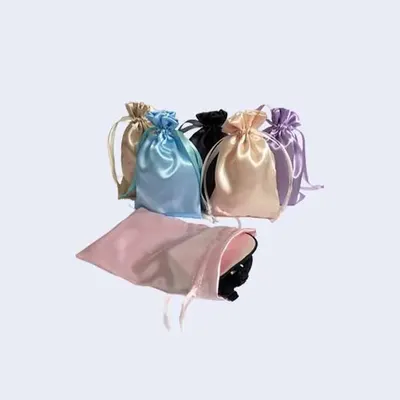
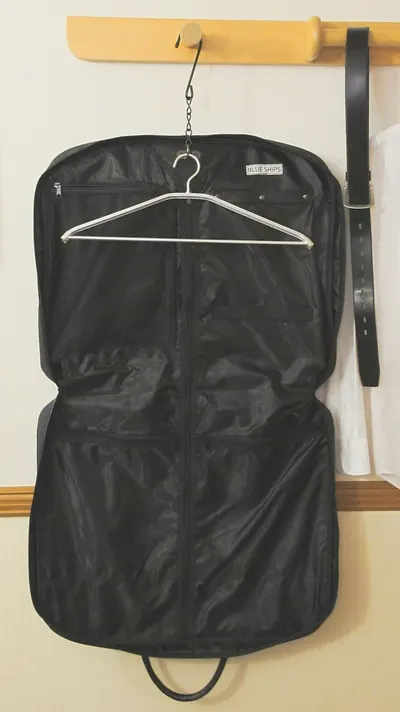
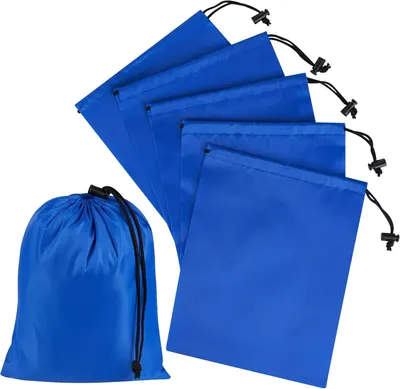
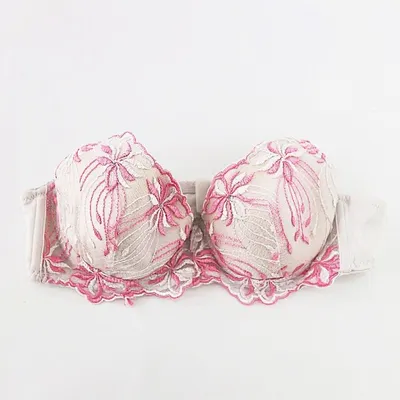
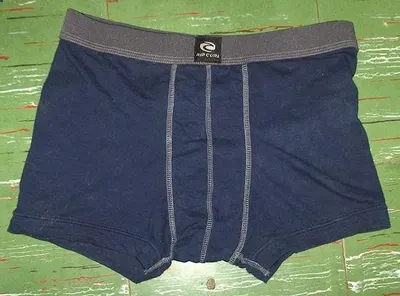
The supplier operates from the United Arab Emirates and currently lists six active products in its catalogue. The items are grouped under the categories Lingerie & Bra and Bags & Baggage Accessories, reflecting a focus on disposable and reusable non‑woven textile solutions. The catalogue includes a Non Woven Panty with Pad for Tour Work, Ladies Undergarments, Unisex Underwear of Non Woven for Tour Work, a Non Woven Laundry Bag, a Shoe Bag Non Woven and a Non Woven Suit Cover. Each product is described without reference to specific certifications or production capacity, staying strictly within the supplied facts.
In addition to the product titles, the supplier’s catalogue does not provide HS codes, material composition percentages or weight specifications. The listing therefore gives buyers a clear inventory count and product types but requires further technical detail from the seller before a purchase decision can be made. The focus on non‑woven items suggests suitability for short‑term use, travel, or protective applications where lightweight and breathable material is advantageous.
Product Range and Specialties of Global Ibdaa General Trading Fze
The six products are all made from non‑woven textiles, a material class that typically includes spunbond or melt‑blown polypropylene fibers. For underwear and panty items, industry practice favours fabrics in the range of 30‑60 gsm, with moisture‑wicking treatment and a burst strength of 15‑25 N/15 mm to ensure comfort and durability during travel. Non‑woven laundry and shoe bags usually employ 70‑100 gsm fabrics, offering tear resistance of 30‑45 N/15 mm and water‑repellent finishes for protection of contents. Suit covers are often produced with a heavier 120‑150 gsm non‑woven that can be laminated for added abrasion resistance.
Buyers of non‑woven apparel and accessory items commonly request compliance with standards such as Oeko‑Tex Standard 100 for textile safety, ISO 9070 for non‑woven fabric specifications, and ASTM D3776 for fabric weight measurement. Typical product grades include “lightweight breathable” for undergarments and “medium‑weight durable” for bags. Variants may include antimicrobial treatments, flame‑retardant finishes or recycled fiber content, depending on end‑use requirements.
Frequently Asked Questions About Global Ibdaa General Trading Fze
What types of non‑woven fabrics does Global Ibdaa General Trading Fze offer?
The catalogue lists non‑woven fabrics used for disposable panties, unisex underwear, laundry bags, shoe bags and suit covers. These are typically spunbond polypropylene fabrics, but the exact fiber composition should be confirmed with the seller.
Are there any certifications that buyers should request for these products?
Buyers should request Oeko‑Tex Standard 100 for textile safety, ISO 9070 for non‑woven fabric specifications, and any relevant ISO 9001 quality‑management documentation if the supplier can provide it.
What are the typical weight and strength specifications for the underwear items?
Industry practice for non‑woven underwear is 30‑60 gsm with a burst strength of 15‑25 N/15 mm. Buyers should ask the supplier to confirm the exact GSM and tensile values for each style.
How are the bag products usually packaged for export?
Non‑woven laundry and shoe bags are commonly packed in sealed polyethylene bags or stacked in cardboard boxes within a 20‑ft or 40‑ft container. Proper packaging protects against moisture and mechanical damage during transit.
Which HS code chapters cover the listed products?
Non‑woven fabrics fall under HS Chapter 59 (e.g., 5903), while finished textile articles such as laundry bags and suit covers are classified under HS Chapter 63 (e.g., 6307). The exact sub‑heading depends on material and construction details.
United Arab EmiratesRelated Suppliers & Products
Explore similar suppliers, related products and trending categories