Glmkitchen — Supplier
About Glmkitchen - Bar Glasses & Mugs Supplier in Argentina
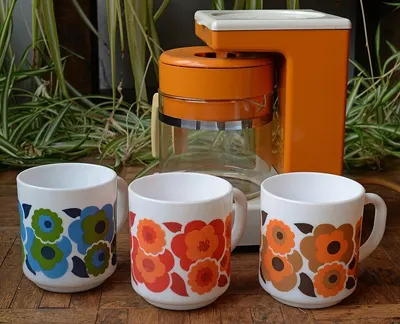
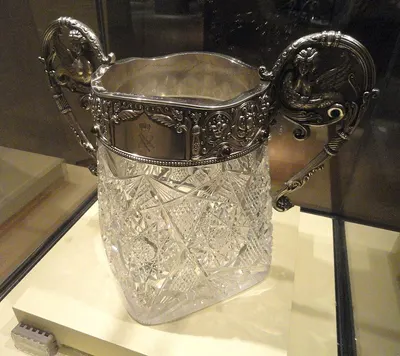
Glmkitchen operates from Argentina and currently lists five active products in its catalogue. The supplier’s catalogue is grouped under the categories Bar Glasses & Mugs, Tea & Coffee Mugs, and Bar Utensils. Product titles include Pomelera cups, Millenium cups, Punch bowl, Camelia cups and Lara cups. Each item is a glassware piece intended for hospitality or domestic use, and the catalogue does not provide HS codes or material certifications. The listed items reflect a focus on beverage serving vessels rather than kitchen appliances or cutlery.
The five items cover a range of cup shapes and a single punch bowl, all falling within the glassware segment. No additional product families such as plates or cutlery are mentioned. The supplier is classified as an imported tier with a harbor trust tier, indicating that it is sourced through third‑party logistics rather than direct domestic manufacturing. All information is drawn from the supplied catalogue data without extrapolating company size or history.
Product Range and Specialties of Glmkitchen
Glmkitchen’s catalogue comprises five glassware products: four cup styles (Pomelera, Millenium, Camelia, Lara) and one punch bowl. In the bar‑glass and mug market, typical specifications include capacities from 180 ml to 350 ml, clear tempered soda‑lime glass, lead‑free composition, and a thickness of 2 - 3 mm. Standard industry grades such as DIN 509 or ISO 9001‑certified production lines are common for similar Argentine exporters, though the supplier’s specific grades are not listed.
Buyers of bar glasses and coffee mugs usually request data on glass type (e.g., tempered, annealed), dishwasher resistance, and compliance with food‑contact regulations such as EU Regulation No 1935/2004 or US FDA 21 CFR 177.2600. Typical packaging involves cardboard boxes of 12‑24 units per carton, with each carton sized for 20‑ft container loading of approximately 1,800 units.
Trade and Export Information - Glmkitchen
Argentina exports glassware primarily to the United States, Brazil, Chile, and the European Union, using HS chapter 70 (HS 7010 for glassware of a kind). Export shipments are commonly arranged on CIF terms with 20‑ft or 40‑ft containers, and freight forwarders often require phytosanitary certificates only for wood‑pallet packaging, not for glass items.
Industry practice for Argentine glassware includes compliance with the Argentine Instituto Nacional de Tecnología Industrial (INTI) standards and, for international buyers, documentation such as a commercial invoice, packing list, and certificate of origin. Buyers frequently request third‑party lab reports confirming lead‑free content and impact resistance, especially for bar‑service environments.
Sourcing from Glmkitchen - Buyer Guidance
When sourcing from Glmkitchen, buyers should request a product data sheet that details glass thickness, capacity (ml), and any food‑contact certifications the supplier can provide. Sample orders of a single unit per cup style are typical to verify visual quality, edge finish, and dishwasher performance before committing to larger volumes.
Verification steps include reviewing ISO or INTI compliance certificates, confirming that the glass meets lead‑free limits (≤0.01 % Pb), and checking that packaging dimensions align with container loading plans. Buyers should also confirm the supplier’s ability to meet standard MOQ ranges of 500 - 1,000 units per SKU and typical lead times of 30 - 45 days from order confirmation.
Frequently Asked Questions About Glmkitchen
What types of glassware does Glmkitchen list in its catalogue?
Glmkitchen lists five glassware items: Pomelera cups, Millenium cups, Camelia cups, Lara cups and a Punch bowl, all classified under bar glasses, mugs or bar utensils.
Are there any standard capacities mentioned for these cups?
The catalogue does not specify capacities, but similar bar‑glass cups from Argentina usually range between 180 ml and 350 ml.
Which certifications should a buyer request from Glmkitchen?
Buyers should ask for any food‑contact certifications such as FDA compliance or EU Regulation 1935/2004, as well as ISO 9001 or Argentine INTI quality certificates.
What is a typical minimum order quantity for these glass items?
Industry practice for Argentine glassware sets MOQ between 500 and 1,000 units per design, unless the supplier confirms a different figure.
How are the products usually packaged for export?
Glass cups are normally packed in cardboard cartons of 12‑24 units, with protective dividers, and loaded into 20‑ft or 40‑ft containers.
What HS code family do these products fall under?
Glassware such as cups and punch bowls is generally classified under HS 7010, which covers glassware of a kind.
What lead time can a buyer expect for an order?
Typical lead times for Argentine glassware exporters are 30 - 45 days from order confirmation, subject to production scheduling.
How should a buyer arrange shipping for these items?
Buyers usually arrange CIF shipping, selecting either 20‑ft or 40‑ft containers based on order volume, and ensure the supplier provides a commercial invoice, packing list, and certificate of origin.




 , Argentina