GK Universal — Verified Supplier
About GK Universal - Basmati Rice Supplier in India
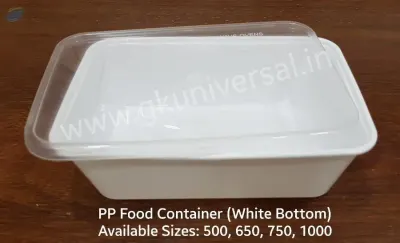
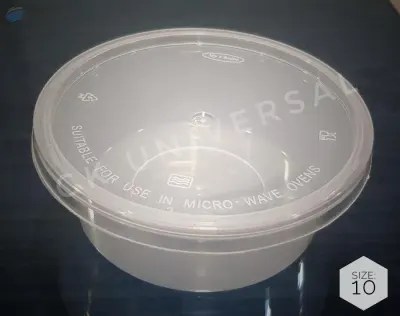
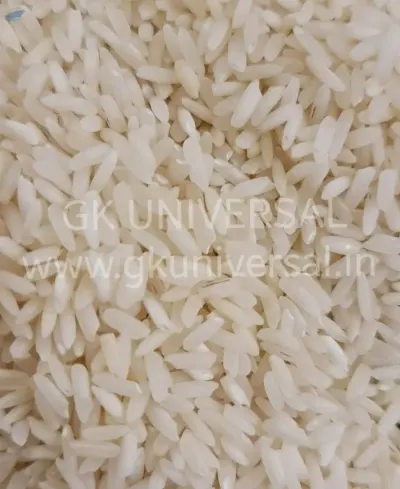
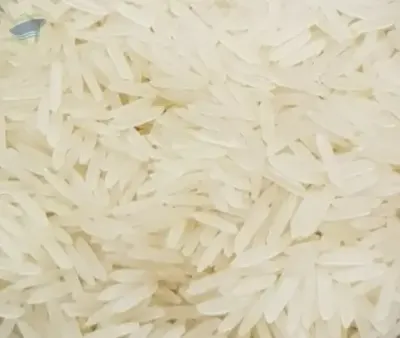
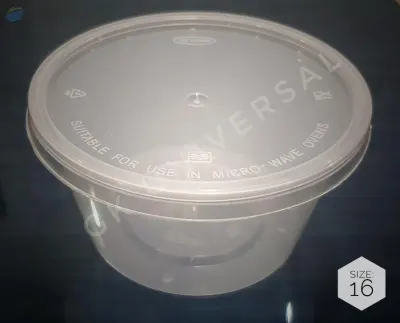
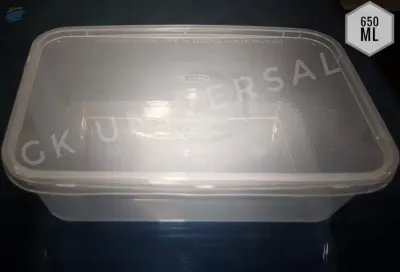
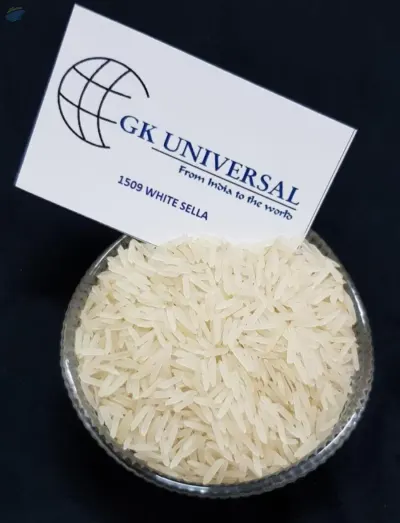
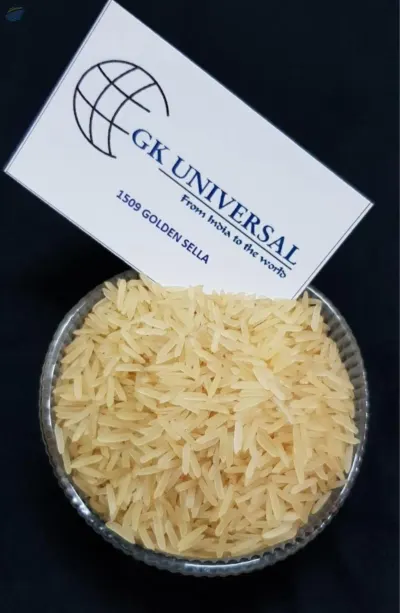
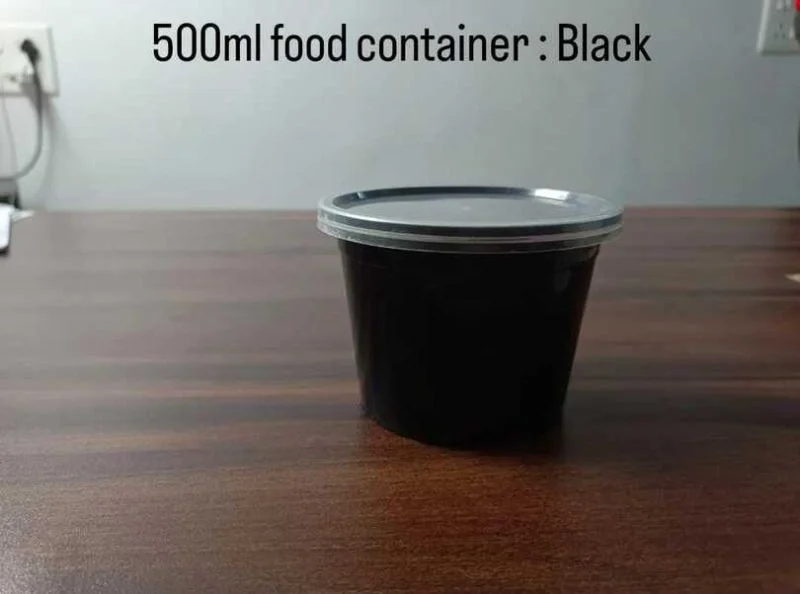
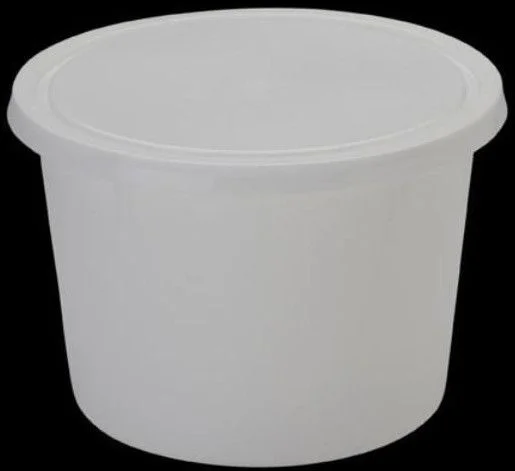
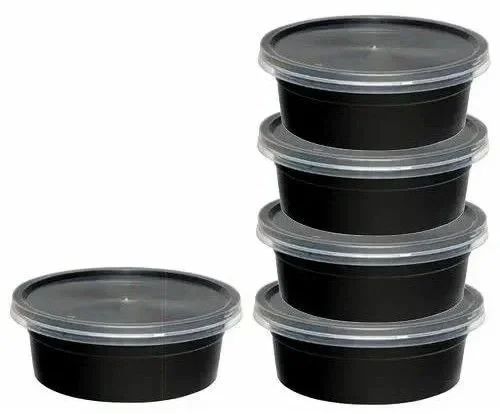
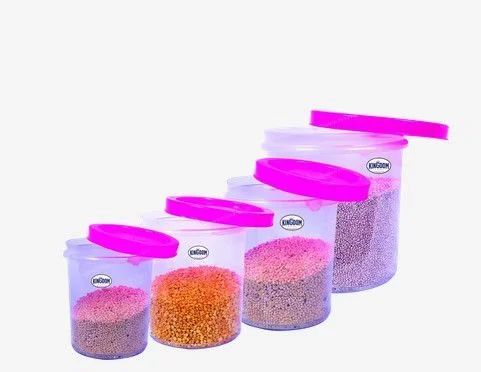
India hosts GK Universal with an active catalogue of 18 listed products. The catalogue includes several basmati rice varieties such as 1509 White Sella, 1121 Golden Sella, 1121 Steam, and IR 64, as well as a red dried chillies entry. It also lists three porcelain‑tile dimensions (60 × 120 cm, 80 × 160 cm, 80 × 80 cm) and a wooden‑finish variant, together with a set of polypropylene disposable food containers ranging from 500 ml to 750 ml and round containers of 10 oz and 16 oz. Each product is presented under its specific name without additional descriptive text, reflecting the supplier’s focus on a concise product listing.
The primary categories represented are basmati rice, porcelain tiles, and plastic food‑service containers, with ancillary items in spices and agricultural produce. The rice items are identified by milling codes (1509, 1121) that correspond to grain length and degree of polishing, while the tile entries specify size but not thickness or finish details. The PP containers are described by volume and shape, indicating a focus on single‑use food packaging. No HS codes or certification claims are provided in the source data.
Product Range and Specialties of GK Universal
GK Universal’s catalogue covers three distinct product families. In the rice family, the supplier lists Sella‑type basmati (1509 and 1121 codes), a steam‑processed variant, and the non‑Sella IR 64 variety, which in the industry are graded by kernel length (typically 6.5 - 7.5 mm for Sella) and moisture content (generally ≤14%). Porcelain tiles are offered in standard floor‑tile dimensions of 60 × 120 cm, 80 × 160 cm and 80 × 80 cm, with industry practice calling for thickness between 8 mm and 12 mm, a water‑absorption rate below 0.5 % and a surface hardness of 5 - 6 Mohs. The polypropylene disposable containers are listed in capacities of 500 ml, 650 ml, 750 ml and round sizes of 10 oz and 16 oz; such containers are typically made from food‑grade PP (melting point ≈ 160 °C) and must meet FDA or EU food‑contact regulations, with a common requirement for a minimum wall thickness of 0.3 mm to ensure rigidity.
Trade and Export Information - GK Universal
India is a leading exporter of basmati rice, normally classified under HS Chapter 10 (code 1006.20 for milled basmati). Major import regions include the Middle East, Europe, the United States and Southeast Asia, where buyers often require phytosanitary certificates and FSSAI compliance. Porcelain tiles fall under HS Chapter 69 (code 6907) and are shipped in bulk cartons; primary markets for Indian tiles are the Gulf Cooperation Council, African nations and European countries seeking cost‑effective flooring solutions. Polypropylene disposable food containers are recorded under HS Chapter 39 (code 3924) and are widely used in hospitality and catering sectors worldwide; exporters usually ship them in 20‑ft or 40‑ft containers with FOB or CIF terms, and buyers frequently request compliance with ISO 22000 or FDA food‑contact standards.
Sourcing from GK Universal - Buyer Guidance
When sourcing basmati rice from GK Universal, buyers should request a recent mill test report showing moisture ≤ 14 %, broken grain ≤ 5 % and the grain‑length distribution for the specific code (e.g., 1509 or 1121). A phytosanitary certificate and an FSSAI registration number are standard documents for Indian rice exporters and should be verified before contract signing. For porcelain tiles, buyers typically ask for a CA (Conformity Assessment) certificate, a water‑absorption test result under ASTM C373, and a thickness tolerance report; sample tiles should be inspected for surface finish and dimensional accuracy. For the PP disposable containers, request a food‑contact compliance certificate (FDA 21 CFR 177.1520 or EU Reg 1935/2004), melt‑flow index data, and a batch‑level packing list; confirming the container’s closure type and stackability helps plan container loading and logistics.
Frequently Asked Questions About GK Universal
What basmati rice varieties does GK Universal list in its catalogue?
The catalogue includes 1509 White Sella, 1509 Golden Sella, 1509 Steam, 1121 Golden Sella, 1121 White Sella, 1121 Steam, Sugandha Sella, and IR 64 rice. Each code corresponds to a specific grain length and milling level used by buyers to assess quality.
What are the typical specifications for the listed basmati rice?
Industry standards for Sella basmati require a kernel length of 6.5 - 7.5 mm, moisture content not exceeding 14 %, and broken grain below 5 %. IR 64 is a non‑Sella variety with similar moisture limits but a slightly shorter grain.
Which tile sizes are offered by GK Universal?
The supplier lists porcelain tiles in three dimensions: 60 × 120 cm, 80 × 160 cm, and 80 × 80 cm, plus a wooden‑finish variant of the 60 × 120 cm size. Thickness and surface hardness are not stated but typically range from 8 mm to 12 mm and 5 - 6 Mohs respectively.
What certifications should a buyer request for the porcelain tiles?
Buyers usually request a CA (Conformity Assessment) certificate, a water‑absorption test (≤ 0.5 % under ASTM C373), and a thickness tolerance report. Samples should be examined for surface finish and dimensional accuracy before bulk purchase.
What capacities are available for the polypropylene disposable food containers?
GK Universal lists containers of 500 ml, 650 ml, 750 ml, a 10 oz round container and a 16 oz round container. All are made from food‑grade polypropylene and are intended for single‑use food service.
Which regulatory documents are typical for PP food containers exported from India?
Exporters normally provide a food‑contact compliance certificate aligned with FDA 21 CFR 177.1520 or EU Reg 1935/2004, along with a melt‑flow index sheet and a batch packing list. Buyers should verify that the containers meet the required food‑safety standards before shipment.
What additional agricultural product is listed in GK Universal’s catalogue?
The catalogue includes a entry for Red Dried Chillies, which are commonly classified under HS 0904 and exported to spice‑importing markets in the Middle East and Europe.
How are shipments of these products typically packaged for export?
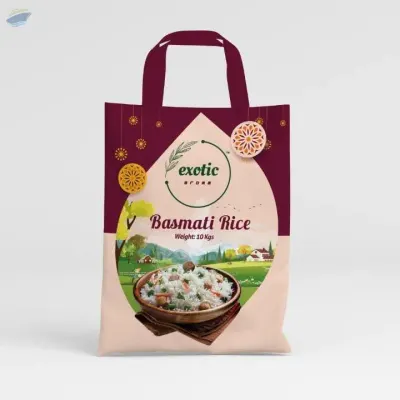
Basmati rice is usually packed in 25 kg polypropylene bags, porcelain tiles are palletised in wooden crates with protective film, and PP containers are boxed in corrugated cartons sized for 20‑ft or 40‑ft containers. Standard Incoterms such as FOB or CIF are applied depending on the buyer’s preference.




 , India