GJ Minerals and Chemicals — Supplier
About GJ Minerals and Chemicals - Minerals and Chemicals Supplier in India
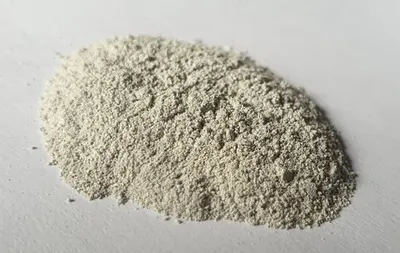
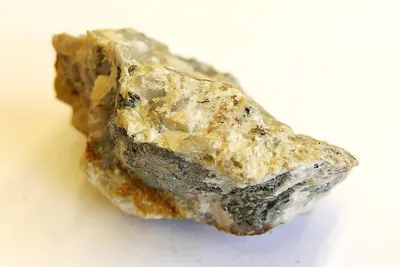
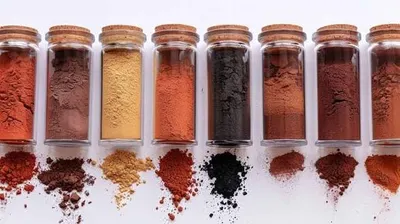
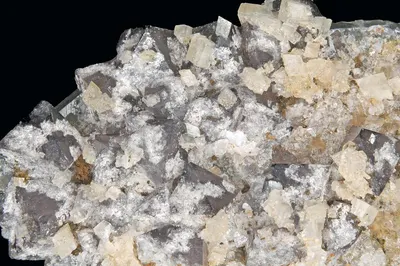
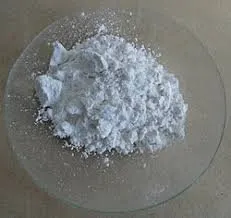
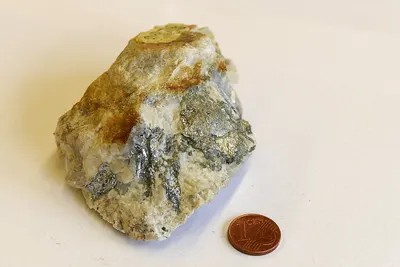
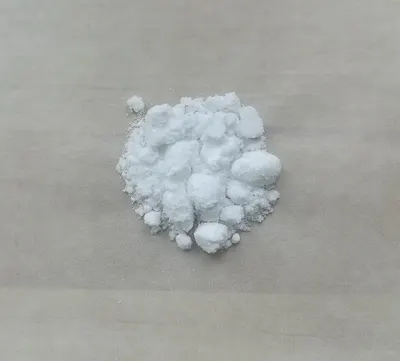
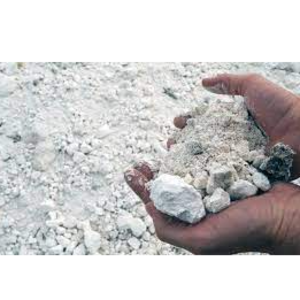
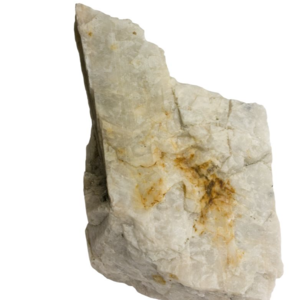
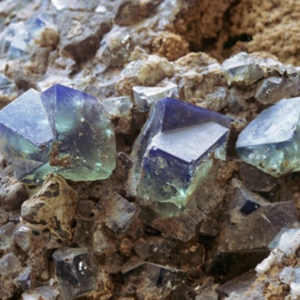
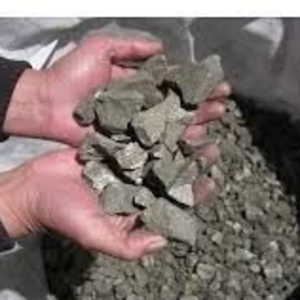
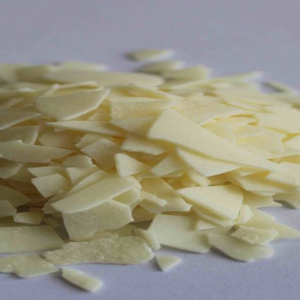
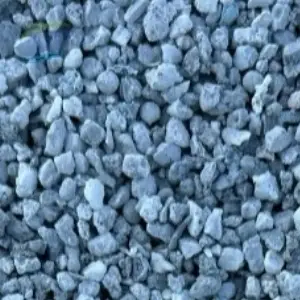
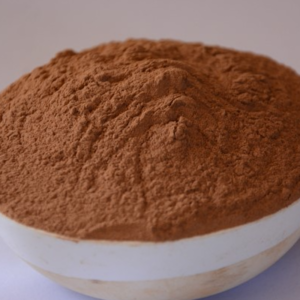
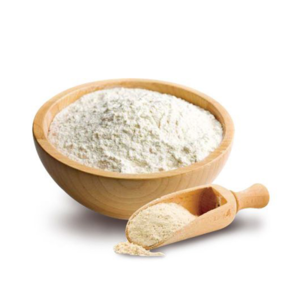
GJ Minerals and Chemicals is located in Chennai, Tamil Nadu, India, and has an active product count of 8. The company lists a variety of mineral powders and lumps, including Red Iron Oxide Powder, Dolomite Powder, Calcite Powder, Feldspar Powder, Quartz Powder, Limestone Powder, Potash Feldspar Lumps, and Quartz Lumps. The HS code families for these products include 2518.20 for Dolomite Powder, 2508.40 for Calcite Powder, 2529.10 for Feldspar Powder and Potash Feldspar Lumps, and 2506.10 for Quartz Powder and Quartz Lumps. Buyers can expect to find these products in various industries, including construction, manufacturing, and cosmetics.
GJ Minerals and Chemicals operates in a region known for its rich mineral deposits, with India being a significant exporter of minerals and ores. The country's strategic location and well-developed infrastructure make it an attractive destination for international trade. As a supplier, GJ Minerals and Chemicals is likely to cater to the demands of various industries, both domestically and internationally, with its range of mineral products.
Product Range and Specialties of GJ Minerals and Chemicals
The product range of GJ Minerals and Chemicals includes various types of mineral powders and lumps, each with its own unique characteristics and applications. For example, the Dolomite Powder has a material composition of Dolomite CaMg(CO3)2 - CaO 30-32%, MgO 18-22%, while the Feldspar Powder has a material composition of Feldspar (Potash/Soda) 95-98% Pure. Buyers can expect to find these products in different grades and specifications, depending on their intended use. Typically, buyers of mineral powders and lumps require specifications such as purity percentage, particle size, and moisture content.
Buyers of these products should also be aware of the typical industry standards and certifications required for minerals and ores. For instance, the ISO 9001 certification is commonly required for quality management, while the ISO 14001 certification is required for environmental management. Additionally, buyers should verify the products' compliance with relevant regulations, such as those related to packaging, labeling, and transportation.
Trade and Export Information - GJ Minerals and Chemicals
Exporters of minerals and ores, like GJ Minerals and Chemicals, typically cater to the demands of various industries, including construction, manufacturing, and cosmetics. The HS code families involved in the trade of these products include 2506.10, 2508.40, 2518.20, and 2529.10. Buyers from regions such as Asia, Europe, and the Americas usually import these goods, with the Incoterms such as FOB, CIF, and DAP being commonly used. The packaging and logistics norms for these products typically involve bulk packaging, with containers such as 20 ft or 40 ft containers being used.
The regulatory context for the trade of minerals and ores involves compliance with relevant laws and regulations, such as those related to environmental protection, health and safety, and customs clearance. Buyers should be aware of the certifications and documents required for the export of these products, such as the Certificate of Origin, Commercial Invoice, and Packing List. The origin country's export context, in this case India, involves compliance with the country's export regulations, including those related to taxation, licensing, and quotas.
Sourcing from GJ Minerals and Chemicals - Buyer Guidance
Buyers sourcing from GJ Minerals and Chemicals should request specifications, samples, and test reports to verify the products' quality and compliance with industry standards. They should also verify the products' material composition, purity percentage, and particle size to ensure they meet their intended use. Additionally, buyers should request certifications such as ISO 9001 and ISO 14001 to ensure the supplier's quality and environmental management systems are in place.
Before ordering, buyers should confirm the products' compliance with relevant regulations, such as those related to packaging, labeling, and transportation. They should also verify the supplier's export capabilities, including their compliance with Indian export regulations. Any given verification or response from the supplier should be carefully evaluated to ensure it meets the buyer's requirements.
Frequently Asked Questions About GJ Minerals and Chemicals
What is the product range of GJ Minerals and Chemicals?
GJ Minerals and Chemicals offers a range of mineral powders and lumps, including Red Iron Oxide Powder, Dolomite Powder, Calcite Powder, Feldspar Powder, Quartz Powder, Limestone Powder, Potash Feldspar Lumps, and Quartz Lumps.
What are the typical industry standards for mineral powders and lumps?
Typically, buyers of mineral powders and lumps require specifications such as purity percentage, particle size, and moisture content. Certifications such as ISO 9001 and ISO 14001 are also commonly required for quality and environmental management.
How do I verify the products' compliance with regulations?
Buyers should verify the products' compliance with relevant regulations, such as those related to packaging, labeling, and transportation. They should also confirm the supplier's export capabilities, including their compliance with Indian export regulations.
What is the significance of the HS code for these products?
The HS code is significant for these products as it determines the customs duties, taxes, and regulations applicable to them. For example, the HS code 2518.20 is for Dolomite Powder, while the HS code 2506.10 is for Quartz Powder and Quartz Lumps.
Can I request a sample of the products?
Yes, buyers can request a sample of the products to verify their quality and compliance with industry standards. The sample should be representative of the bulk product and should be accompanied by a certificate of analysis.
What is the typical packaging for these products?
The typical packaging for mineral powders and lumps involves bulk packaging, with containers such as 20 ft or 40 ft containers being used. The packaging should be designed to prevent damage to the products during transportation and storage.
How do I confirm the supplier's export capabilities?
Buyers should confirm the supplier's export capabilities, including their compliance with Indian export regulations, by requesting relevant documents such as the Certificate of Origin, Commercial Invoice, and Packing List.
What are the common certifications required for these products?
Common certifications required for mineral powders and lumps include ISO 9001 for quality management and ISO 14001 for environmental management. Buyers should verify the supplier's certifications to ensure they meet their requirements.




 Chennai, India